Raspberry Pi 5 16GB Now Costs $385 — Can SBCs Still Hold Their Price-Performance Edge?
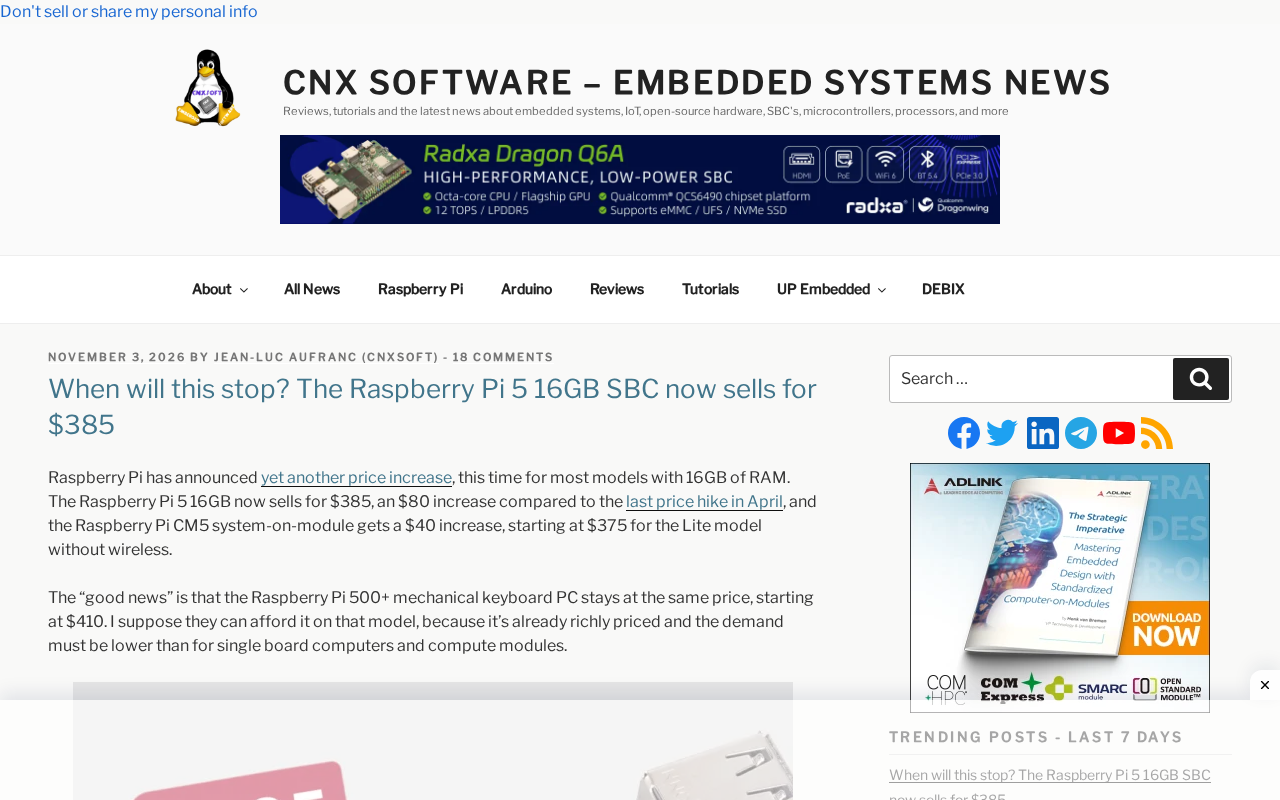
Raspberry Pi 5 16GB hits $385, and its budget positioning faces x86 alternative challenges
CNX Software reports that the Raspberry Pi 5 16GB now sells for $385, with the headline "When will this stop?" framing price increases as an ongoing trend rather than a one-time adjustment. The topic drew 198 points and 165 comments on Hacker News, reflecting widespread concern about the Raspberry Pi's value positioning. The article notes that upgrades to interfaces, PCIe, and thermal design, plus the 16GB version's target workloads such as containers and lightweight inference, have driven up costs — but this price point now overlaps with x86 mini PCs and small workstations, prompting users to ask "why not just use x86." GPIO, community docs, and the accessory ecosystem remain advantages, but must justify the price gap case by case. The article advises choosing configurations by workload and planning procurement ahead rather than ordering out of brand habit.
A CNX Software report poses the question bluntly in its headline: "When will this stop?" — the 16GB version of the Raspberry Pi 5 single-board computer now sells for $385. When this price point surfaced on Hacker News, it racked up 198 points and 165 comments, a lively discussion that shows the price shift has struck a nerve among developers and hardware hobbyists.
What $385 Means
The Raspberry Pi's long-standing brand anchor has been "cheap, good enough, education-friendly." A Raspberry Pi 5 with 16GB of RAM selling for $385 has entered the price range of many x86 mini PCs and small workstations. For users who treat the Raspberry Pi as a low-cost server, a home lab node, or an embedded prototyping platform, this price point requires redoing the math.
The report's wording carries an unmistakable sense of resignation. The subtext of "when will this stop" is that the price increases aren't a one-off event but an ongoing process. For teams sensitive to procurement budgets, this uncertainty is more troublesome than the absolute price itself.
SBC (Single-Board Computer) refers to a complete computer that integrates the processor, memory, storage interfaces, networking, and GPIO and other major functions onto a single printed circuit board. It typically doesn't include peripherals like a monitor or keyboard and requires external connections to use. The Raspberry Pi is the most representative SBC product line, positioned between microcontrollers (like Arduino) and full desktop machines: it can run a complete Linux operating system while directly driving electronic components. Compared with ordinary mini PCs, the core difference of an SBC lies in its exposed GPIO headers, CSI/DSI camera and display interfaces, and support for real-time hardware control. It is precisely these characteristics that make SBCs difficult to directly replace with x86 machines in hardware prototyping, education, and embedded scenarios — and they form the technical foundation that lets the Raspberry Pi retain a portion of its user base even as prices rise. Understanding this positioning is essential to judging exactly where the $385 goes and whether the premium is justified.
The Pricing Logic of the SBC Market Is Changing
Single-board computer pricing has never been just about chip cost. The Raspberry Pi 5 generation brings notable upgrades in interfaces, PCIe capability, and thermal design, and the 16GB version is aimed squarely at memory-intensive scenarios — container orchestration, lightweight inference, multi-tasking development environments. These positioning choices inherently drive up material costs.
But the problem is that the Raspberry Pi's core competitiveness has always been "getting a complete, usable computing platform at the lowest cost." When the 16GB version's price approaches or even exceeds that of used or entry-level x86 devices with the same memory capacity, "why not just use x86" becomes a recurring challenge in the community. The 165-comment discussion on Hacker News reflects, to some degree, that this comparison is being taken seriously.
Competitive Pressure from Alternatives
At the $385 tier, users' options widen considerably: mini PCs, older workstations, and ARM SBCs from other vendors are all within reach. The Raspberry Pi's advantages remain — GPIO, a vast body of community documentation, an accessory ecosystem, long-term supply commitments — but whether these advantages can justify the price gap depends on the specific use case. People doing hardware prototyping and educational projects will most likely stay; users who simply need a low-power Linux server may start to waver.
PCIe (Peripheral Component Interconnect Express) is a high-speed serial computer expansion bus standard used to connect the processor with peripherals such as graphics cards, NVMe solid-state drives, and network cards. The Raspberry Pi 5 is the first in the series to offer a single-lane PCIe 2.0 interface (routed out via a ribbon cable), meaning users can attach an NVMe SSD for read/write performance far exceeding that of a microSD card, or connect other high-speed expansion cards. This upgrade significantly broadens the Raspberry Pi 5's applicable scenarios — from a simple card-sized computer to a platform for building lightweight NAS, home servers, and edge computing nodes. But the introduction of a PCIe lane also brings extra costs in circuit design, power delivery, and thermal management, making it one of the hardware factors behind the higher pricing of the 16GB configuration.
GPIO (General-Purpose Input/Output) is a row of programmable pins on the Raspberry Pi. Developers can configure them as inputs or outputs through code to directly read sensor signals or drive peripherals such as relays, motors, and LEDs. GPIO is the key interface that distinguishes the Raspberry Pi from ordinary x86 computers: it lets software logic act directly on the physical world, making it the foundation of electronics projects, robot control, and IoT prototyping. Around GPIO, the Raspberry Pi has accumulated a wealth of tutorials, HAT expansion boards, and Python libraries, forming an ecosystem barrier that is hard to migrate away from. For projects that combine software and hardware, GPIO and its accessory ecosystem are often the decisive reason to choose a Raspberry Pi over a mini PC; for pure software workloads, this advantage doesn't come into play.
Procurement Strategy Amid Rising Prices
For teams that rely on the Raspberry Pi for product prototyping, sustained price increases mean they need to lock in materials earlier and evaluate memory specifications more carefully. The 16GB version suits genuinely memory-hungry workloads; if you're only running ordinary services, 8GB or even lower configurations may offer better value.
Another practical consideration is the secondhand and inventory market. Rising prices tend to boost the resale value of existing devices, which in turn highlights the value of stockpiling early. For large-scale deployments, planning the procurement cadence in advance pays off more than restocking on short notice.
Community Sentiment and Brand Trust
The headline "When will this stop?" is itself a distillation of community sentiment. The tension between the Raspberry Pi Foundation's educational mission and its commercial pricing has always existed, and price increases make that tension more visible. The common concern in discussions isn't any single price adjustment but whether the mental positioning of "the cheap Raspberry Pi" can still be sustained.
For the vendor, price adjustments come with cost pressure; for users, every price increase erodes the trust-driven habit of "just buy it without thinking." Once the price enters a stage that requires item-by-item comparison, the Raspberry Pi shifts from being the default choice to a choice that needs justification.
Summary
The Raspberry Pi 5 16GB selling for $385 is a price signal worth noting. It doesn't mean the Raspberry Pi has lost its value, but it does mean the era of "just pick a Raspberry Pi without thinking" is loosening. For developers and buyers, the more pragmatic approach is to choose configurations based on workload and platforms based on use case — rather than ordering out of brand habit.
One-line Summary
The Raspberry Pi 5 16GB now sells for $385, and its budget brand positioning faces challenges from x86 alternatives
Paragraph Summary
CNX Software reports that the 16GB version of the Raspberry Pi 5 now sells for $385, with the headline "When will this stop?" pointing directly at the perception that price increases are an ongoing trend rather than a one-time adjustment. The topic earned 198 points and 165 comments on Hacker News, reflecting widespread community concern about the Raspberry Pi's value positioning. The article's analysis suggests that upgrades to interfaces, PCIe, and thermal design on the Raspberry Pi 5, along with the memory-intensive workloads the 16GB version targets — containers, lightweight inference — have driven up costs, but this price point has entered the competitive range of x86 mini PCs and small workstations, and users will start asking "why not just use x86." The Raspberry Pi's GPIO, community documentation, and accessory ecosystem remain advantages, but the price gap must be justified by the specific use case. The article recommends choosing configurations based on workload and planning procurement cadence in advance, rather than ordering out of brand habit.
Related articles

How Do Cursor, Devin, TRAE, and Copilot Compare on Price? Calculate Your Credits Before You Compare Monthly Fees
Side-by-side comparison of individual and team pricing for Cursor, Devin Desktop, TRAE, and Copilot, breaking down credit rules, third-party model inclusion, overage billing, and practical methods for measuring usage before paying, setting spending caps, and choosing the right tool.
Copilot Retires Three Models: Pro Users Left With Only One Alternative
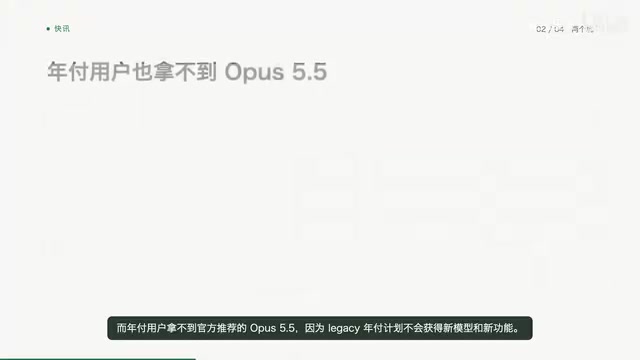
GitHub Copilot retires Claude Opus 4.8, Claude Opus 5, and GPT-5.6 Tera on Nov 16 across Chat, code completion, and Agent mode. Pro users have only GPT-6 Luna left; Legacy annual plans miss Opus 5.5; admins must enable replacements manually.
Gemini 4 Carbon Arrives: The LLM Race Enters the Era of Million-Token Context and Trillion-Parameter Open Source
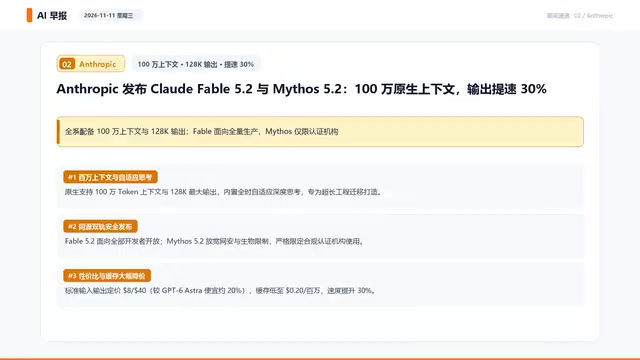
Google launches Gemini 4 Carbon and multi-agent tool Swarm; Anthropic debuts million-context Fable 5.2 and Mythos 5.2; OpenAI releases security-focused GPT-6 Cyber; Mistral and Kimi open-source trillion-parameter models — the LLM race accelerates across the board.