REPO Game Mod Pack Feature Breakdown: Localization, Scanning, and Visual Upgrades All in One

A 100+ mod pack that adds Chinese localization, info transparency, map expansion, and visual upgrades to REPO.
This mod pack for the co-op horror game REPO systematically improves the player experience without touching game difficulty. It covers five key areas: Simplified Chinese localization done by the author, information tools like damage numbers and a monster bestiary, exploration aids like F-key scanning and map voting, a Black Box social accountability mod that tracks teammate damage costs in real time, and visual options including de-pixelation and a third-person camera. For newcomers, the localization and info mods cut down the learning curve; for veterans, community maps and cosmetic customization extend replayability. All content is free, but verify the source and back up your files before installing.
What This REPO Mod Pack Brings to the Table
REPO is a cooperative horror-adventure game with relatively bare-bones default features — no Chinese interface, minimal item tooltips, and rough visuals. This mod pack, bundling over 100 mods, has one core goal: to comprehensively improve the gameplay experience without changing the game's difficulty.
The pack's author personally localized the vast majority of items and level mods, addressing the language barrier for Chinese-speaking players at a fundamental level. Item descriptions, level information, and monster lore are all presented in Simplified Chinese, significantly lowering the learning curve for newcomers.
This article walks through some of the most useful feature modules in this pack to help you decide whether it's worth installing.
Localization & Information Mods: Lower the Learning Curve
The most essential mod is the Simplified Chinese localization mod. Since the game ships without Chinese support, installing this mod switches the interface to Chinese. The author also localized most of the other mods in the pack — making it an absolute must-have for Chinese-speaking players.
On the information display front, a few standout features include:
- Damage Numbers & Enemy Health Bars: Attacks on monsters show the damage dealt and remaining HP. As the author puts it, "once a monster shows a health bar, it's not so scary anymore" — converting unknown threats into quantifiable data genuinely reduces the tension that defines horror games.
- Monster Bestiary: Press V to open a detailed dossier on any monster, including HP, attack power, and lore background. It's both practically useful and great for world-building exploration.
The shared philosophy behind these mods is transparency — surfacing hidden game information so players can make more informed decisions.
The concept of "information transparency" in horror game modding has a long history in the community. Games like the Diablo series long proved that visualizing damage numbers and enemy health doesn't diminish depth — it shifts player focus from "can I even win this?" to strategic thinking. In horror games, this logic takes on a unique dimension: fear of the unknown typically outweighs fear of a known danger. Once a monster's HP and attack patterns become quantifiable, psychological pressure drops significantly, and the game shifts from "passively absorbing jump scares" to "actively forming a plan." This is precisely why survival horror mod communities have long been drawn to developing information-display plugins.
Exploration & Map Mods: Expanding Replayability
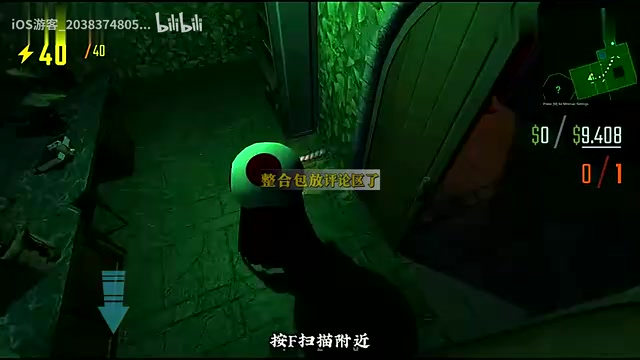
In the exploration phase, Press F to Scan Nearby is a high-frequency quality-of-life feature. When you're unsure whether there are valuables nearby, pressing F automatically scans the area and highlights lootable items, dramatically improving scavenging efficiency.
The Map Voting Mod extends the game's content boundaries. Once installed, a map voting UI appears on the right side of the screen. Paired with additional level mods, the game unlocks a large number of new maps, keeping runs fresh across repeated playthroughs.

The value of these features lies in extending the game's lifespan. With limited base content, community-made map expansions are key to sustaining long-term playability.
Social & Co-op Mods: Expose the Saboteur
One of REPO's core delights is the tension between cooperation and betrayal. The Black Box Mod in this pack is designed exactly for that.
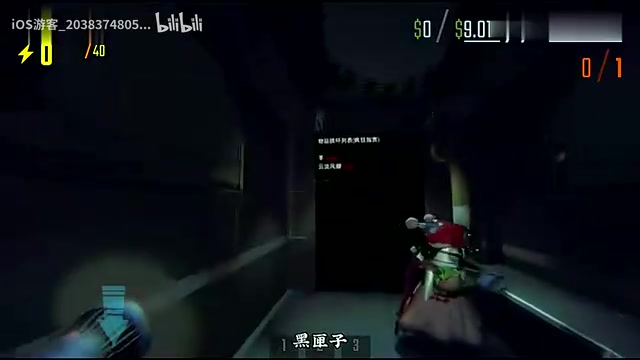
The Black Box displays a large screen at the rear of the vehicle. Whenever a player damages an item, the screen shows a real-time running total of that player's losses at the top. This makes it immediately clear who's slacking off — or deliberately causing damage — making it a powerful tool for calling out the bad actor in your group.
The Appearance Customization System also enhances the social layer. After entering the game, click the appearance button at the bottom to customize hats, beards, sprites, and other cosmetics. These appearances are visible to other players, and some combinations are genuinely hilarious, adding a lot of entertainment value to multiplayer sessions.
The "impostor" or "friendly fire" mechanic in co-op games became a standalone game design genre following Among Us's global breakout. REPO isn't a strict social deduction game, but the natural conflicts that emerge during cooperative hauling and selling — grabbing high-value items or deliberately damaging teammates' goods — create an informal space for player-driven scheming. The Black Box Mod makes this implicit dynamic explicit, essentially introducing a "player behavior log" into the game layer — similar to video replay in competitive sports. This type of design functions as a "social oversight tool" in multiplayer mods: it discourages destructive behavior while simultaneously motivating players to find cleverer ways to avoid detection, which can paradoxically generate even more interesting mind-game scenarios.
Visual Enhancement Mods: Clarity and Perspective
For visual quality, the pack includes two enhancement mods:
- Screen De-Pixelation: If the game's visuals feel too blurry, this mod sharpens the display considerably.
- Third-Person Camera: If de-pixelation still isn't enough, this mod lets you press X to switch to a third-person perspective, offering a completely different view of the game world.
Both mods address the roughness of the game's native visuals, and players can mix and match them based on their hardware and personal preferences.
REPO's pixelated art style is a deliberate aesthetic choice — low-resolution rendering combined with coarse post-processing effects helps mask the limitations of low-polygon models while creating an oppressive visual atmosphere. This is a common "style-over-budget" strategy in indie horror games, seen in titles like Outlast and DreadOut. However, this visual style isn't universally appealing, and extended play sessions can cause eye fatigue. The third-person camera mod further shifts the game's core experiential logic: first-person perspective amplifies immersion and fear through a restricted field of view, while third-person restores a sense of full spatial awareness and control. In horror game design, these two approaches represent fundamentally different philosophies, and players can switch freely based on their own personal threshold for fear.
Overall Verdict
The greatest value of this mod pack lies in its systematic scope — it's not a random pile of features, but a cohesive experience upgrade covering localization, information display, exploration aids, social tools, and visual polish. The author also emphasizes that everything is provided free of charge.
For players new to REPO, the localization and information mods significantly reduce the barrier to entry. For veterans, the map expansions and appearance system offer lasting replayability. One important note: when installing any third-party mod pack, always verify the source's reliability and back up your game files beforehand.
Related articles

AI Agent Fundamentals: The Three Core Components — Brain, Memory, and Tools
A beginner's guide to AI Agents: covering the three core components (brain, memory, tools), four stages of LLM deployment, and why Agents matter for real business use cases.
Boycotting Software That Doesn't Support Linux: One Developer's Philosophy of Choice
A Linux-only developer shares his philosophy of boycotting non-Linux software — without sacrificing productivity — and explains how coding agents like Claude Code are closing the gap with commercial tools.
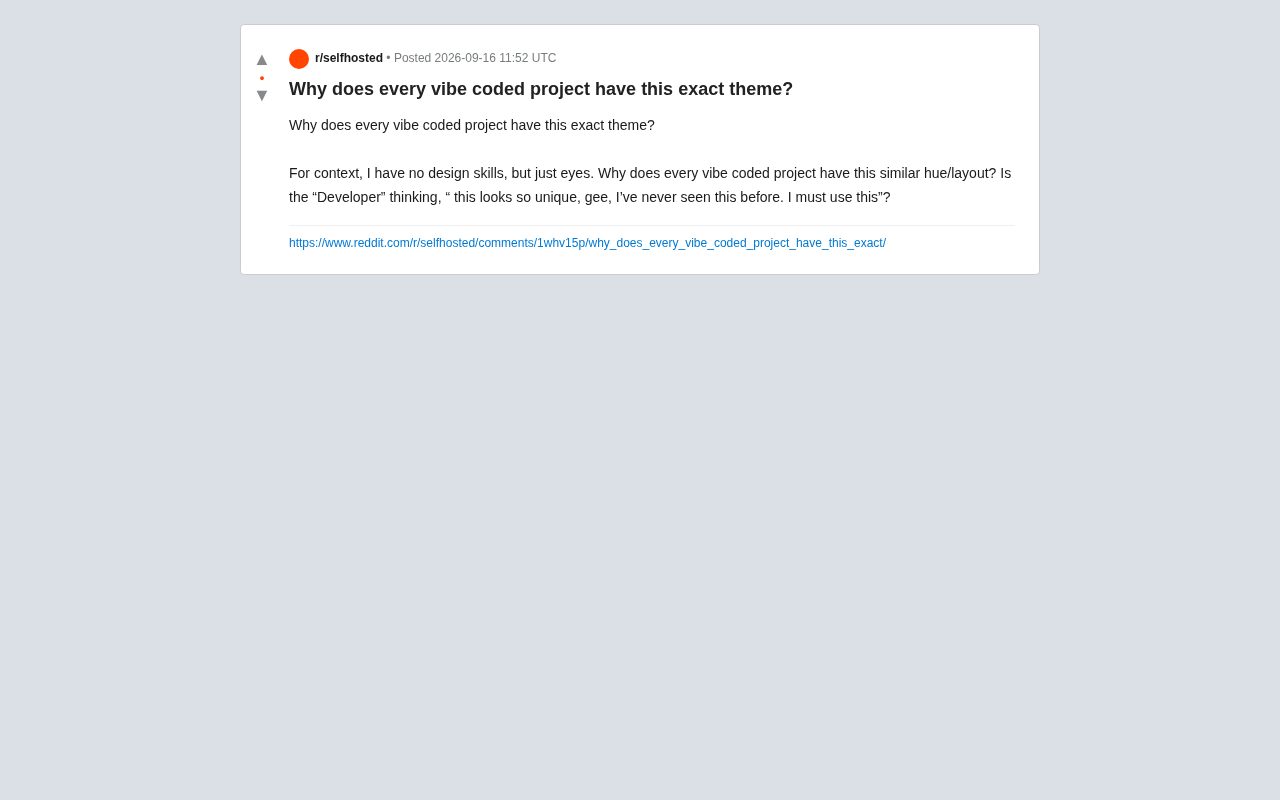
Why Do All AI-Generated Projects Look the Same? The Aesthetic Homogenization Problem in Vibe Coding
Why do vibe coding projects all use purple gradients and dark glassmorphism? We break down the technical roots of AI aesthetic homogenization and how to escape it.