RIPPLE: A New Approach to Agentic Workflow Policy Editing Without Retraining
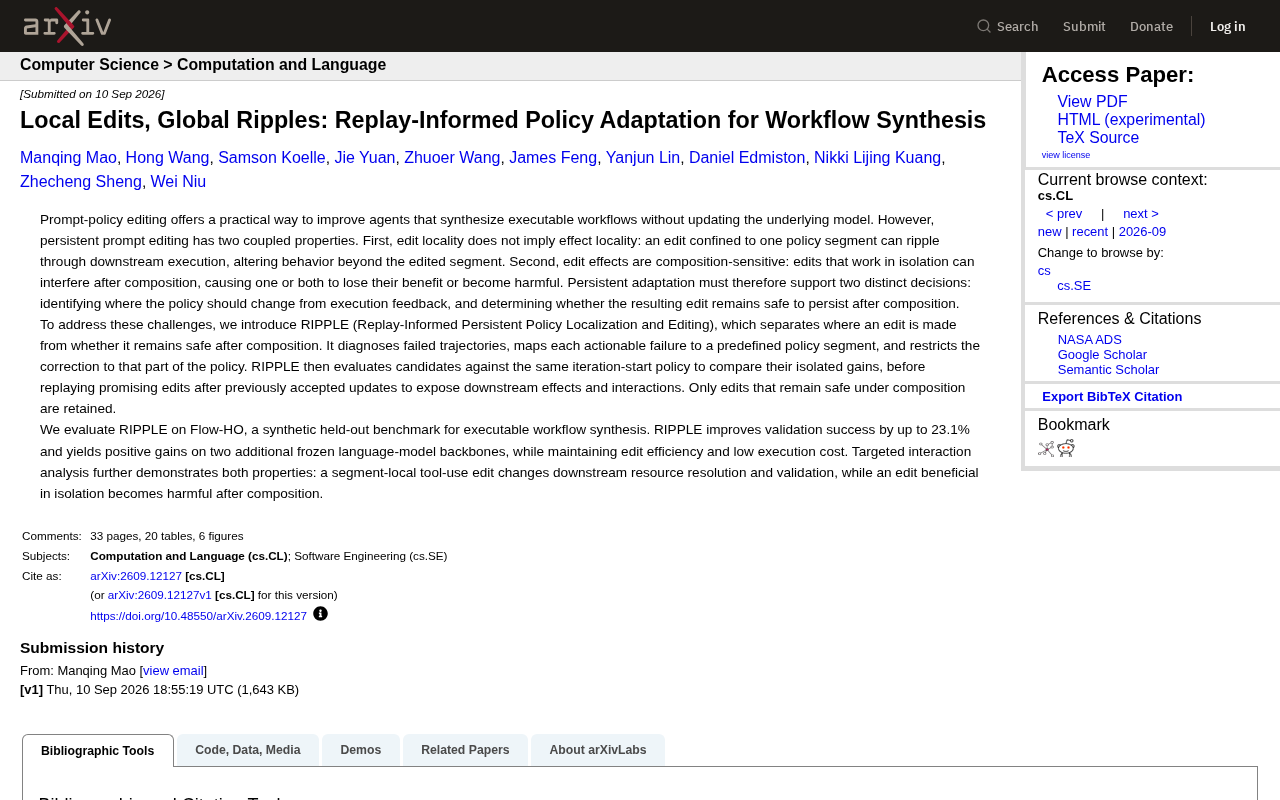
RIPPLE boosts agentic workflow validation by up to 23.1% by separating precise edit localization from compositional safety checks.
RIPPLE is a prompt-policy editing framework for AI workflow synthesis agents that tackles two long-overlooked coupled problems: local edits can produce global "ripple" effects along execution chains, and individually beneficial edits can interfere or become harmful when combined. Its core innovation is explicitly separating "where to edit" from "whether the edit is safe after composition" — first pinpointing changes to specific policy segments via failure diagnosis, then filtering candidates through isolated evaluation and compositional replay. On the Flow-HO benchmark, RIPPLE improves validation success rates by up to 23.1% across multiple frozen LM backbones, offering a reusable framework for continuously improving agents without retraining.
From Prompt Editing to Workflow Synthesis: An Overlooked Challenge
When we want to improve AI agents that generate executable workflows, retraining the underlying large language model is often prohibitively expensive and impractical. Prompt-policy editing offers a more pragmatic path — adjusting agent behavior by modifying prompt-level policies without touching model parameters at all.
However, this shortcut hides two tightly coupled and thorny problems. A new arXiv paper titled Local Edits, Global Ripples addresses exactly these two characteristics, proposing a solution framework called RIPPLE.
Local Edits, Global Ripples: Two Core Challenges
The paper's title, Local Edits, Global Ripples, precisely captures the first challenge: the locality of an edit does not imply the locality of its effects. When you modify just one segment of a policy, that seemingly contained change can propagate downstream through the execution chain, altering behavior well beyond the edit's intended scope — much like dropping a stone into water and watching ripples spread outward in all directions.
The second challenge is composition sensitivity. An individual edit may appear entirely effective in isolation, but when combined with other edits, they can interfere with one another — causing one or both to lose their original value, or even become harmful.
These two properties mean that continual policy adaptation must simultaneously answer two fundamentally different questions:
- Where to edit: Identifying, from execution feedback, the locations within the policy that should be modified;
- Whether to keep: Determining whether a modified edit remains safe and reliable once combined with others.
RIPPLE's Design: Separating "Where to Edit" from "Whether to Keep"
RIPPLE (Replay-Informed Persistent Policy Localization and Editing) centers its core innovation on explicitly decoupling two decisions: where an edit occurs and whether that edit is safe after composition.
Precise Localization: Mapping Failures to Specific Policy Segments
RIPPLE begins by diagnosing failed execution trajectories. It maps each actionable failure point to a predefined policy segment, then strictly confines corrective modifications to that segment alone. This approach avoids broad, indiscriminate policy changes and controls the spread of "ripples" at the source.
Replay Validation: Exposing Downstream Effects and Interactions
Precise localization alone is insufficient, because the composition sensitivity problem remains. RIPPLE addresses this through a two-step evaluation of candidate edits:
- Isolated evaluation: The candidate edit is compared against the same "iteration-start policy" to measure its incremental benefit in isolation;
- Replay verification: Promising edits are replayed after previously accepted updates, exposing their downstream effects and mutual interactions.
Only edits that remain safe under compositional conditions are ultimately retained. This pipeline of "evaluate in isolation first, then verify safety in combination" is what fundamentally distinguishes RIPPLE from naive prompt editing.
Experimental Results: Validation Success Rate Improved by Up to 23.1%
The research team evaluated RIPPLE on Flow-HO — a synthetic held-out benchmark designed specifically for executable workflow synthesis.
The results are compelling:
- RIPPLE improved validation success rates by up to 23.1%;
- Positive gains were also observed across two additional frozen LM backbones, demonstrating the method's generalizability;
- Performance improvements were achieved while maintaining editing efficiency and low execution overhead.
Perhaps more revealing is the targeted ablation analysis, which simultaneously confirms both properties identified in the paper: a local edit scoped only to the tool-use segment did alter downstream resource resolution and validation behavior — validating "local edits, global ripples" — while an edit that was beneficial in isolation became harmful after composition, validating "composition sensitivity."
Significance and Outlook
RIPPLE's value lies not just in a specific performance number, but in its systematic identification and treatment of two long-overlooked coupled problems in prompt-policy editing. For developers who want to continuously improve agents without retraining models, it provides a reusable methodological framework: edits must be precisely localized to policy segments, and retention decisions must withstand the test of compositional replay.
As AI agents see deeper adoption in automated workflows, task orchestration, and related domains, the ability to adjust agent behavior continuously and cost-effectively will become a high-frequency engineering need. The "separate localization from safety" philosophy championed by RIPPLE offers a valuable reference point for this direction.
Related articles
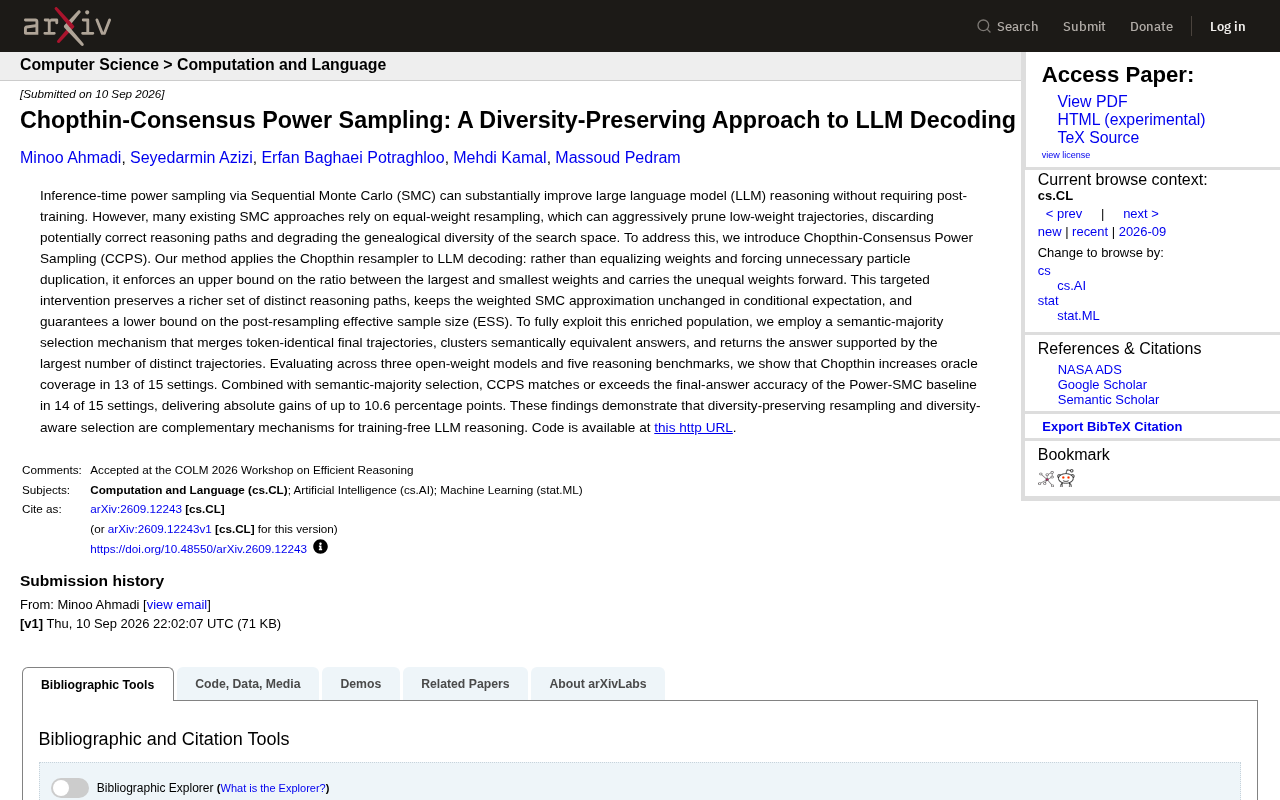
CCPS Sampling: Preserving Reasoning Diversity to Boost LLM Performance Without Fine-Tuning
A new arXiv paper proposes CCPS, which boosts LLM reasoning accuracy without any training by preserving reasoning diversity via Chopthin resampling and semantic majority selection — achieving up to 10.6pp absolute gains.
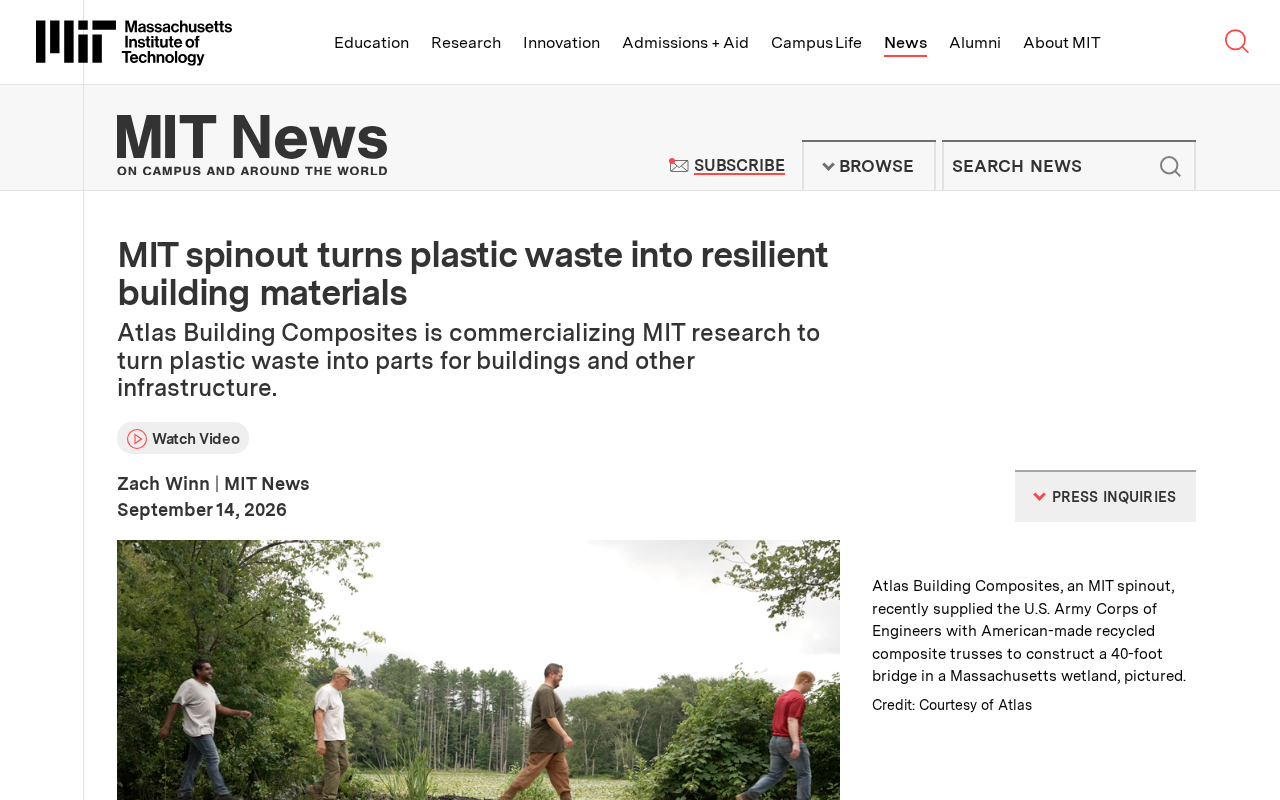
MIT Spinout Transforms Plastic Waste into High-Resilience Building Materials
MIT spinout Atlas Building Composites converts plastic waste into resilient structural components for buildings and infrastructure, pioneering a high-value recycling pathway.
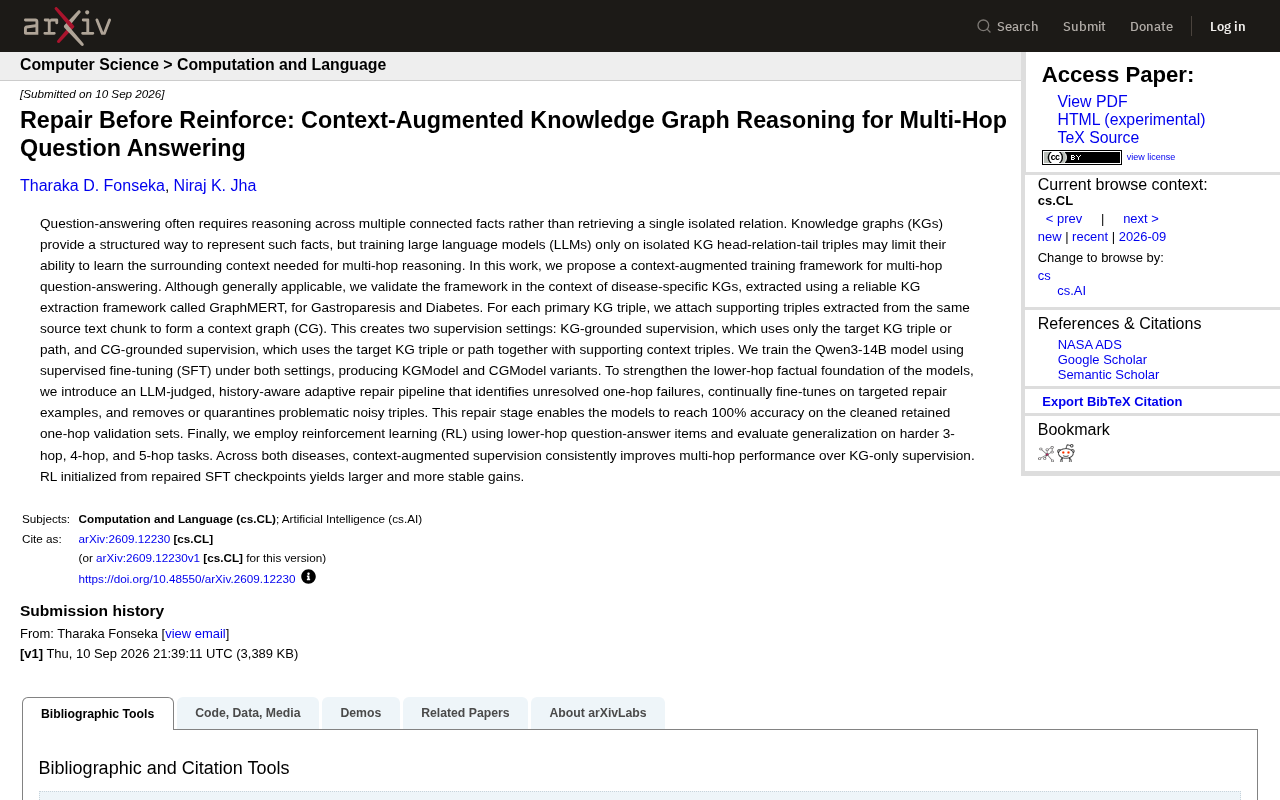
Repair Before Reinforce: Context-Augmented Knowledge Graph Reasoning Tackles Multi-Hop QA
New arXiv paper proposes a context-augmented KG reasoning framework using a "Repair Before Reinforce" strategy to improve LLM multi-hop QA. Validated on Gastroparesis and Diabetes KGs with Qwen3-14B, achieving 100% single-hop accuracy after repair.