Same H100, 4x Rent Gap: The Compute Pricing Logic Behind $2.69 vs $12.29
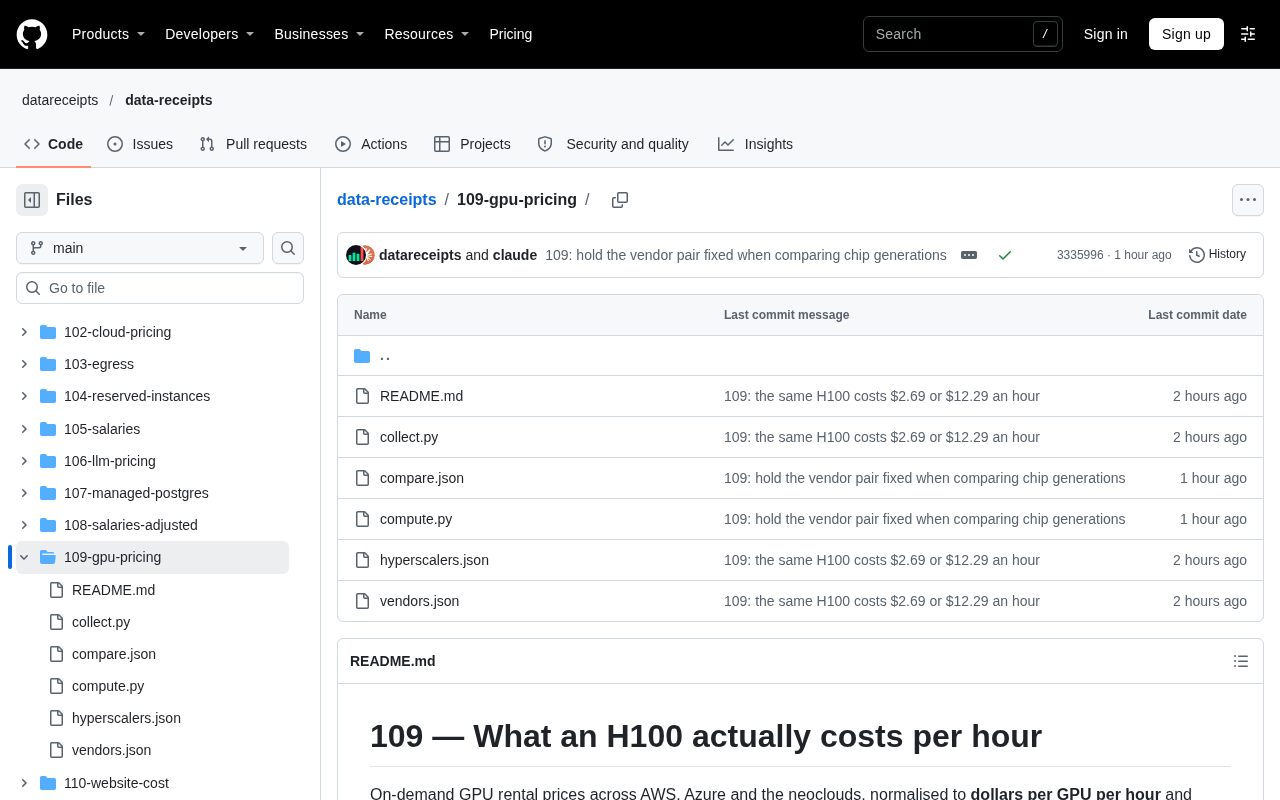
The same H100 rents for 4x more on some platforms; compute procurement must count effective cost, not just hourly rates.
Starting from a Hacker News discussion, the article notes that the same NVIDIA H100 GPU can cost $2.69 to $12.29 per hour across rental platforms—roughly a fourfold gap. The author analyzes that the gap isn't a promotional mistake but stems from non-chip factors like memory configuration, interconnect bandwidth, SLA guarantees, and supporting resources, as well as structural differences among suppliers: hyperscale clouds sell certainty and compliance at a premium, emerging GPU clouds and compute marketplaces lower unit prices through lean operations, and secondary markets and short-term rentals offer low prices at the cost of availability. The article recommends matching platforms to task types, incorporating rerun costs, data migration, and operations labor into effective cost accounting, and points out that the GPU compute market is still in the price discovery stage—making proactive price comparison and refined cost accounting basic skills for AI teams.
Why the Same H100 Can Cost Four Times More
A discussion on Hacker News drew attention: the same NVIDIA H100 GPU can be rented for anywhere from $2.69 per hour to $12.29 per hour across different platforms. This isn't a pricing mistake by some platform—it's a microcosm of the structural differences in today's AI compute rental market.
For teams that need to deploy training or inference workloads at scale, this price gap means the same budget could buy four times the compute hours—or waste most of it by choosing the wrong platform. Understanding where the gap comes from is more valuable than memorizing any single platform's quote.
The "sameness" of the hardware is only skin-deep
The H100 is a unified model, but when it comes to the actual rental unit, the differences hide in the details: memory configuration, interconnect bandwidth, whether the whole machine is dedicated, whether storage and networking are included, and the level of SLA guarantee—all of these affect the final unit price. Low-cost platforms often cut corners on supporting resources or availability commitments, while high-priced platforms bundle stability, compliance, and operations support into the price.
In other words, if you only look at "dollars per hour" when comparing H100 prices, you'll easily fall into the trap of comparing apples to oranges.
SLA (Service Level Agreement) is a formal commitment by a cloud provider regarding metrics such as availability and response time, usually with compensation clauses when targets are missed. For GPU rental, the SLA determines how much compensation users receive and how quickly support responds when hardware failures or maintenance make instances unavailable. A high-tier SLA means the provider must reserve redundant hardware and staff a 24/7 operations team—costs that ultimately show up in the hourly unit price. Low-cost platforms often offer "best-effort" service, promising no specific availability numbers and taking no responsibility for losses caused by interruptions. Therefore, when comparing prices, differences in SLA terms are a key basis for judging whether "expensive is reasonable."
The Four Types of Suppliers Behind the Price Gap
Hyperscale cloud providers: you pay a premium for certainty
Top cloud providers' H100 quotes usually sit at the high end of the price range. They're selling more than chips—they're selling global networks, mature security and compliance systems, on-demand elasticity, and enterprise-grade support. For companies already running their business on these clouds, migration costs are themselves a hidden expense, so a high price doesn't necessarily mean it's not worth it.
Emerging GPU clouds and compute marketplaces: the main battleground of price discovery
Cloud platforms specializing in GPU rental and compute matching marketplaces are the main force driving prices down to the $2.69 tier. They lower unit prices through leaner operating structures, more flexible contract terms, and repricing idle compute. The 30 comments in the Hacker News discussion reflect exactly the back-and-forth weighing developers do between "cheap" and "worry-free."
Price discovery is an economic concept referring to the process by which a market gradually determines a reasonable price for a good through the trading behavior of both buyers and sellers. In the GPU compute market, because supply sources are highly fragmented (hyperscale clouds, specialized GPU clouds, miners turned providers, idle enterprise resources, etc.) and demand fluctuates sharply, transaction prices for the same hardware model have not yet converged to a unified level. Matching marketplaces accelerate this process through bidding and real-time matching, but that also means price signals are noisy, and buyers need to actively compare prices to identify the true market level. The larger the price gap, the further the market is from a mature pricing mechanism.
Secondary markets and short-term rentals: cheap, but with conditions
Some low-cost supply comes from short-term rentals or secondary resale. The prices are attractive, but availability and continuity are variables. When a task can tolerate interruptions, this kind of supply is extremely cost-effective; when you need to run training stably for days on end, the risk needs to be factored into the cost.
Interruptible tasks refer to computing workloads that, even if terminated midway, can be recovered via checkpoint mechanisms or simply rerun without causing major losses. Batch inference, hyperparameter search, and small-scale fine-tuning usually fall into this category. Conversely, long-cycle large-model training without frequent checkpoints could lose hours or even days of progress if interrupted. Low-cost short-term rental supply has significant availability fluctuations, so whether a task is "interruptible" directly determines whether cheap compute can be safely utilized. Classifying tasks by interruptibility is the first step in evaluating the suitability of low-cost platforms.
How to Choose: Convert Unit Price into Effective Cost
Calculate the total bill, not the hourly rate
When evaluating compute costs, at least the following factors should be pulled into the same formula: actual usable hours, rerun costs after task interruptions, data migration and storage fees, whether network bandwidth is billed separately, and operations labor input. A quote of $2.69 per hour, if discounted on availability, may translate to an effective cost far higher than the surface number.
Match platforms to task types
Interruptible tasks such as short-cycle experiments, fine-tuning, and batch inference are well suited to low-cost elastic supply; long-cycle large-scale training and stability-sensitive production inference are more worth paying a premium for certainty. Aligning task profiles with platform characteristics saves more money than simply chasing the lowest price.
What This Price Gap Tells Us
A fourfold price gap for the same hardware model shows that the GPU compute market is still in the price discovery stage, with fragmented supply and obvious information asymmetry. As more suppliers enter and matching mechanisms mature, the gap is expected to narrow—but until then, proactive price comparison and refined cost accounting remain basic skills for AI teams.
For developers, the real value of this Hacker News discussion isn't in remembering two numbers, but in realizing that compute procurement has become an engineering decision requiring professional judgment, not a simple order-placing action.
Related articles
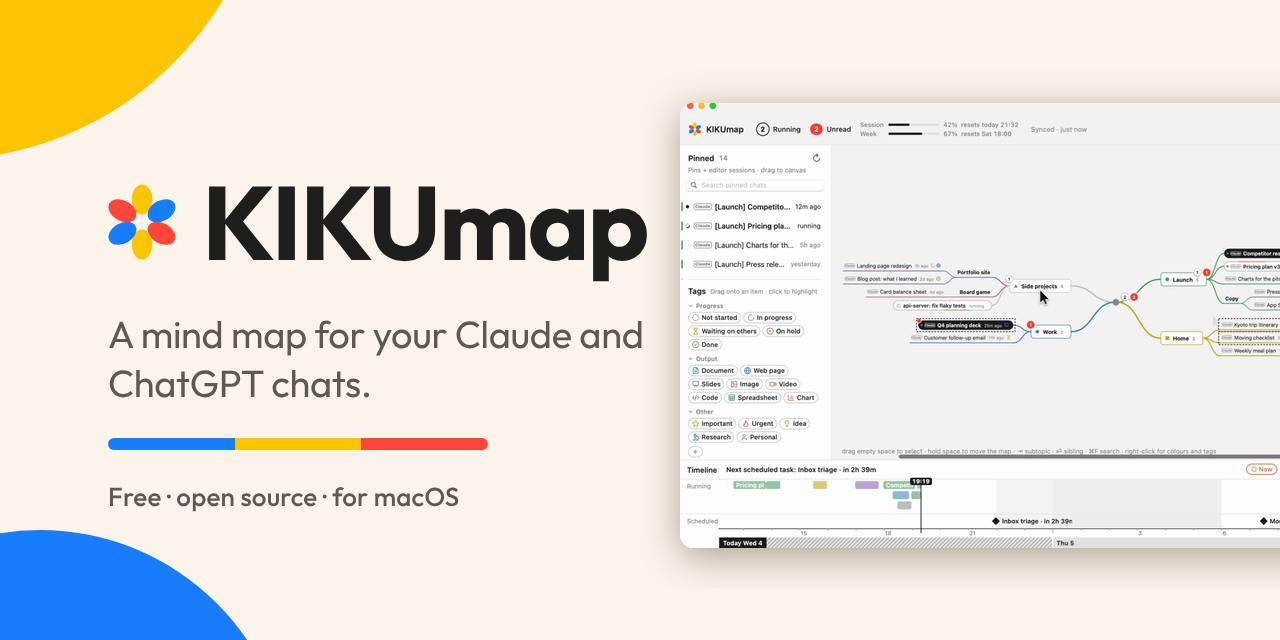
KIKUmap: Manage Your Claude and ChatGPT Conversations with Mind Maps
KIKUmap is a macOS menu bar app that visualizes Claude and ChatGPT conversations as mind maps with real-time status. Free and open source.

Hugging Face Executive Warns: Cyberattacks Are Eroding the Openness of Open-Source AI
Hugging Face executive Irene Solaiman warns that rising cyberattacks on open AI platforms may force stricter security limits, threatening the openness of the open-source community and affecting the developer ecosystem.
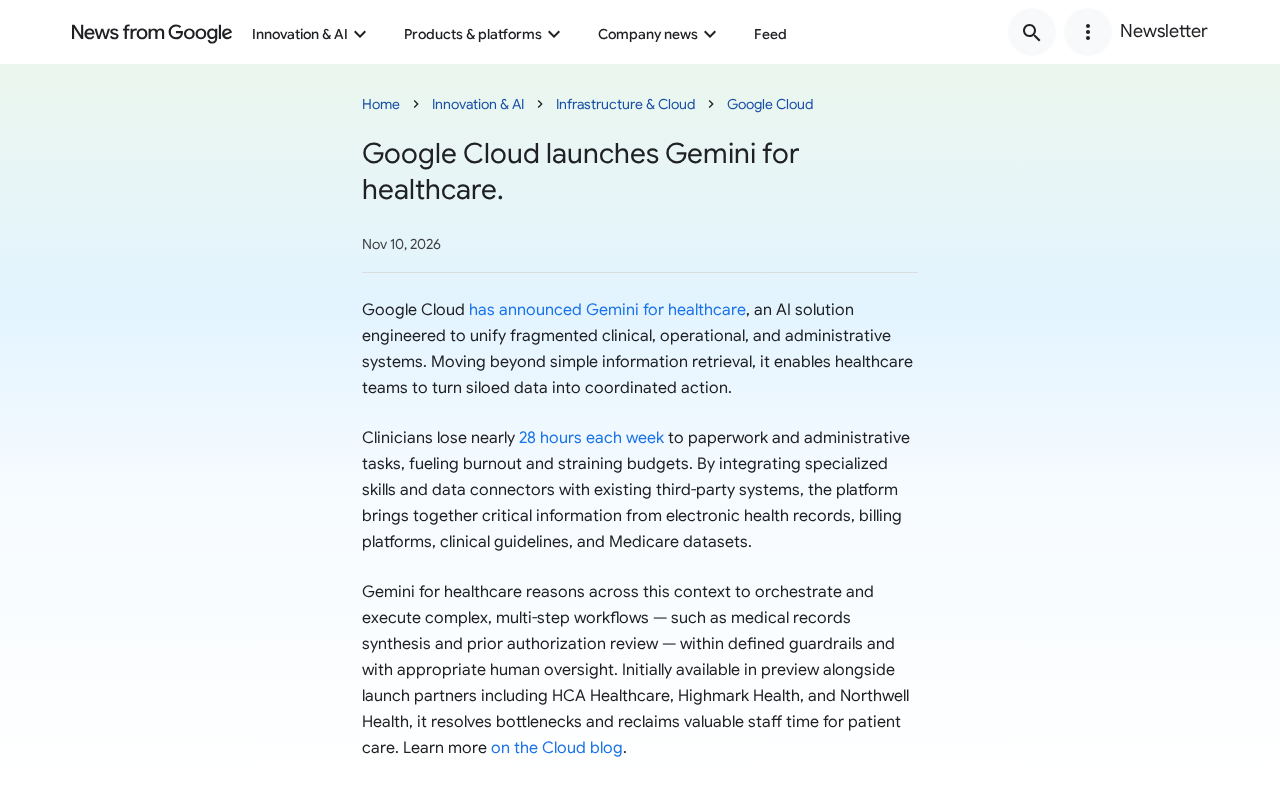
Google Cloud Launches Healthcare Version of Gemini: Integrating Clinical Data and Automating Workflows
Google Cloud releases healthcare version of Gemini, focusing on unified clinical data and automated workflows to reduce administrative burnout. Analysis of positioning, challenges, and the healthcare AI landscape.