Schumer's Leadership Controversy: Tactics or Communication?
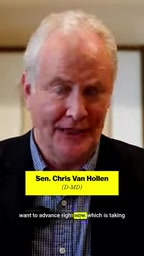
The conversation criticizes Schumer for intervening in Democratic primaries and favoring special interests, with his problems spanning both tactics and communication.
Based on a YouTube conversation, this article explores whether Senator Schumer's leadership problems are tactical or communicative. It focuses on tax code reform and healthcare, criticizes Schumer for intervening in Democratic primaries on the side of special interest groups like AIPAC, the cryptocurrency industry, and Big Pharma, and calls for more democracy in the Senate. It concludes that his problems involve both tactical choices and communicative signals.
Introduction
A recent discussion on YouTube about Senator Schumer's leadership style has drawn attention. The core question is direct: is Schumer's problem tactical or communicative? The conversation not only compares Schumer with another Democrat but also takes a deep dive into his interventions in party primaries. This article is based on the video's content, organizing key viewpoints and adding analysis.
Chuck Schumer has served as Senate Democratic Leader since 2017 and became Majority Leader in 2021, making him a key operator of the congressional Democratic agenda. His leadership style is known for pragmatism, attention to electoral data, and strategic compromise, but for this he is often criticized by progressives as lacking in principle and overly catering to moderate voters and donors. After the 2024 election, introspection within the Democratic Party about its leadership intensified, and Schumer's stance in several primaries became a focal point of controversy. Understanding this background helps grasp the deeper meaning of the "tactics versus communication" debate about Schumer in the conversation.
Policy Agenda: Taxes and Healthcare
The conversation first focuses on the issues Democrats urgently need to advance. The speaker points out that the tax code is distorted, favoring those who "make money from money" and disadvantaging those who earn their pay through hard work. In addition, the healthcare system has become a profit machine rather than a genuine system of health security. Therefore, the Democratic caucus needs a leader who fights for these issues every day.

This argument emphasizes the alignment between leadership and policy priorities. If the leader fails to stand firmly on the front lines of these core issues, the caucus's direction may drift from voters' expectations.
Primary Intervention: Schumer's Controversial Actions
The speaker states clearly that he does not want to see a Democratic leader—especially the Majority Leader—intervene in openly contested Democratic primaries. He mentions two newly elected senators, from Michigan and Minnesota respectively, and notes that if Schumer had his way, these two might not be in the Senate at all. Schumer is said to have sided in Michigan with special interest groups such as AIPAC, the cryptocurrency industry, and Big Pharma, opposing a candidate closer to ordinary people.
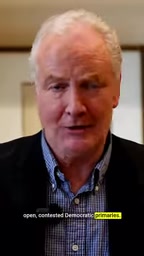
This allegation points directly at Schumer's stance in the primary, arguing that he favored special interests over grassroots sentiment.

The speaker stresses that these primaries should not be interfered with and calls for more democracy in the Senate. He believes his colleagues feel the same way.
AIPAC (the American Israel Public Affairs Committee) is one of the most influential pro-Israel lobbying organizations in the United States, long involved in congressional elections through political donations and campaign ads, especially targeting candidates it deems insufficiently firm on Israel. In recent years, AIPAC and its affiliated super PACs have poured huge sums into Democratic primaries, prompting strong criticism from the party's progressive wing about "outside money interfering in grassroots democracy." The cryptocurrency industry and Big Pharma likewise influence elections through political action committees and lobbying; the former has actively shaped a regulatory environment favorable to digital assets in recent years, while the latter has long opposed drug price controls. The allegation that Schumer is allied with these groups is precisely the core basis for critics' claim that he has turned away from the interests of working-class voters.
The Tactics vs. Communication Debate
Returning to the original question: is Schumer's problem tactical or communicative? From the conversation, critics seem to believe it is both. Tactically, Schumer is accused of taking sides in primaries and supporting special interest groups, which is seen as a tactical error because it violates the principle of party democracy and may also erode grassroots support. On communication, his leadership style may fail to effectively convey a commitment to core issues, leading voters and colleagues to question his stance.
The speaker does not directly answer "tactics or communication" but uses concrete examples to show that Schumer's actions (intervening in primaries) and positions (allying with special interests) already constitute a problem—one that involves both tactical choices and communicative signals.
Conclusion
This conversation reveals dissatisfaction within the Democratic Party with Schumer's leadership, focused on primary interventions and the implementation of policy priorities. Critics call for a more democratic way of running the Senate and want a leader who will fight unwaveringly for working people and healthcare reform. For readers following American politics and the direction of the Democratic Party, these viewpoints offer valuable perspective.
One-line Summary
The conversation criticizes Schumer for intervening in Democratic primaries and favoring special interests, with his problems spanning both tactics and communication.
Paragraph Summary
Based on a YouTube conversation, this article explores whether Senator Schumer's leadership problems are tactical or communicative. The conversation first focuses on tax code reform and healthcare, issues Democrats urgently need to advance, stressing that leaders should stand with working people. It then criticizes Schumer for intervening in Democratic primaries such as Michigan's, siding with special interest groups like AIPAC, the cryptocurrency industry, and Big Pharma against candidates closer to ordinary people, and even claims that two newly elected senators might not have entered the Senate without Schumer's intervention. The speaker calls for more democracy in the Senate and opposes leaders intervening in open primaries. The article concludes that Schumer's problems involve both tactical choices and communicative signals, reflecting intra-party dissatisfaction with the leadership's direction.
Related articles
Building a VR Starship with an AI Agent Team: A Multi-Agent Collaboration Chronicle
A creator built Star Trek's Enterprise-D in VR from scratch using an AI agent team of Claude Code and Codex—breaking down roles, rules, and bottlenecks.
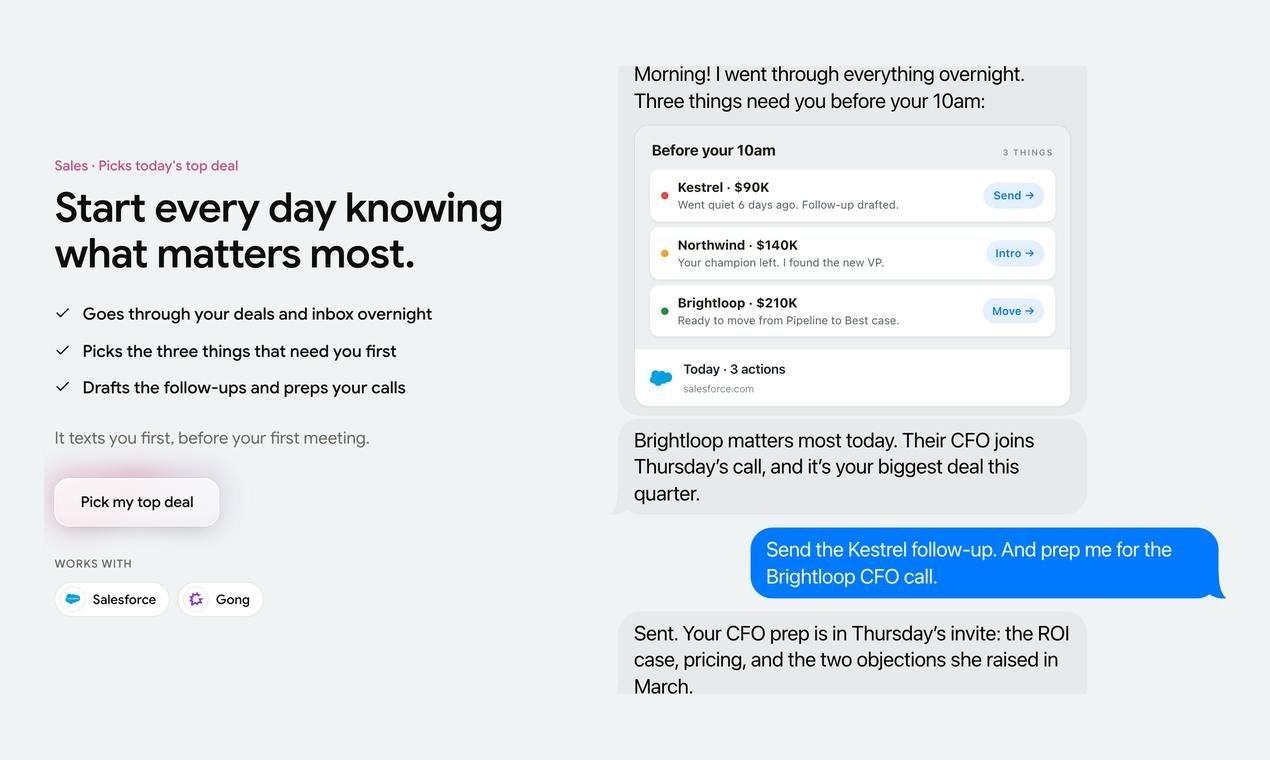
Airbot: The Proactive AI Chief of Staff That Messages You First, So You Can Escape Notification Overload
Airbot is a proactive AI chief of staff that aggregates email, Slack, calendar, and CRM, pushing priority items with drafted replies and meeting briefs to WhatsApp or iMessage for one-tap approval.
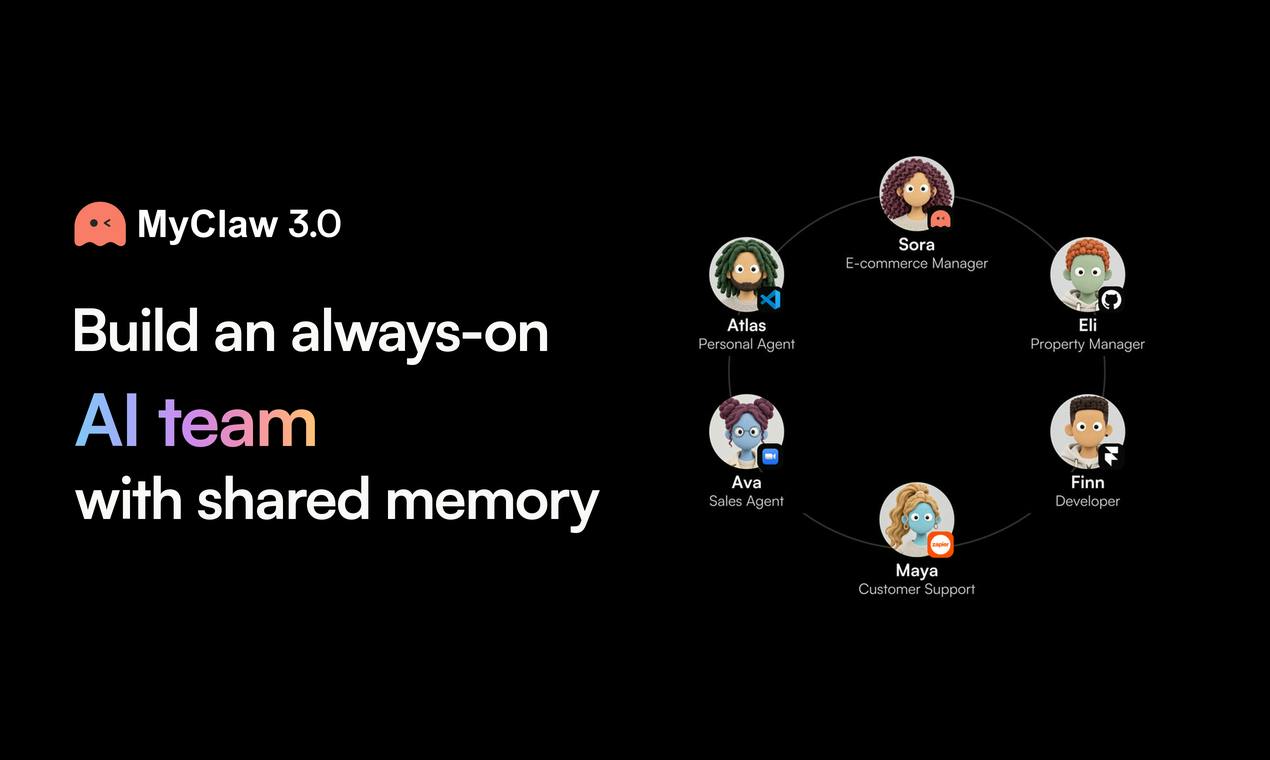
MyClaw 3.0: Building an Always-On AI Team with Shared Memory
MyClaw 3.0 tops Product Hunt with multi-agent orchestration for OpenClaw, Claude Code and more, 50+ models, shared team memory, and always-on cloud agents via Slack and Telegram.