Scored Cheap Second-Hand Hardware — Keep It or Part It Out? Thinking Through a Buying Decision

A $500 second-hand hardware haul sparks a classic dilemma: part it out or build a homelab?
A Reddit user spent $500 on 4 fully equipped second-hand machines and immediately began second-guessing the purchase — should they part everything out to recover costs, or keep it all running long-term? The article argues that at ~$125 per unit, the price itself is reasonable, and that having spare space plus solar power significantly lowers the bar for long-term ownership. It walks through both paths — parting out for quick cash versus building a homelab for storage, media serving, or virtualization — and advises making the call based on future value and personal interest, not sunk cost regret.
A Real Buyer's Dilemma
A Reddit user posted admitting they were "stupid" — because they had just spent $500 on 4 "fully equipped" second-hand machines, and now couldn't decide what to do: regret the purchase and part everything out to recoup the cost, or just keep the gear and run it for the next 30 years — after all, they had extra space and solar power.
The post is light on details, but it represents a scenario that many hardware enthusiasts, homelab builders, and second-hand buyers know well: after an impulsive purchase, how do you rationally assess what you actually have?
What's Really Worth Worrying About
Based on the limited information in the post, the real tension isn't about the price itself. $500 for 4 fully loaded machines comes out to roughly $125 each — that's not unreasonable for most second-hand servers or workstations, and could even be a solid deal. What's actually causing the hesitation is uncertainty about use cases.
The poster mentions having "extra space" and "solar" — two details that are actually meaningful positives. Space means storage isn't a problem. Solar means long-term operating costs can be dramatically reduced, since power draw is exactly the kind of hidden, ongoing expense that's easy to overlook when running older hardware.
This is a textbook example of the Sunk Cost Fallacy — the behavioral economics concept describing how people tend to hold onto something simply because they've already invested money or time in it, even when the rational move is to let it go. The poster's worry about "regretting" the purchase is the sunk cost at work. That $500 is already gone regardless. The only thing worth calculating now is the net future value of each possible path forward. Recognizing this psychological bias is the first step toward making a clear-headed decision.
Weighing the Two Options
Part It Out: Recover Cash Quickly
If the hardware has components with solid second-hand market value — RAM, CPUs, drives, power supplies — parting things out can realistically recover some or all of the original cost in a short time. The upside is fast liquidity and minimal ongoing commitment. The downside is the time investment: photographing parts, listing them, packing and shipping, and dealing with price volatility in the used components market.
Keep and Use It: Extract Long-Term Value
The other path is actually putting the hardware to work. For someone with solar power and idle space, this is essentially a near-zero marginal cost opportunity to build a home server, storage array, or compute cluster. Old hardware handles home storage, media servers, and virtualization lab environments without breaking a sweat. "30 years" is an exaggeration, but with reasonable maintenance, five to ten years of useful service life is absolutely realistic.
The homelab community offers a useful reference for common use cases. NAS (Network Attached Storage) is the most accessible starting point — free platforms like TrueNAS or Unraid handle large-capacity storage with ease. Virtualization platforms like Proxmox can run multiple VMs on a single physical host, great for learning Linux, networking, or container technologies. Running Plex or Jellyfin for media serving, Home Assistant for smart home automation, or even local AI inference (if there's a discrete GPU involved) is increasingly common on repurposed server hardware. A key metric for evaluating whether hardware is worth keeping long-term is TDP (Thermal Design Power) — the higher the power draw, the larger the battery capacity and solar panel array you'll need to sustain it, which raises the hidden cost of ownership.
Decision Framework: Define the Use Case First
When you're already in a "well, I bought it" situation, the better question isn't "do I regret this?" — it's a few more answerable ones:
- Does the power draw match your actual use case? If solar covers the electricity cost, the bar for long-term ownership drops considerably.
- What are the parts worth on the used market? If parting out would recover $400 or more, and you have no clear use in mind, selling isn't a bad call.
- How much time and interest do you have to actually run this stuff? Homelabbing is a hobby, and a continuous one. If the appeal was purely the bargain price, there's a real risk the hardware just collects dust.
Sunk costs shouldn't drive the decision. The $500 is spent. What matters now is what these machines can do going forward — not what they cost in the past.
Final Thoughts
This short Reddit post doesn't have much detail, but it captures a very common form of post-purchase anxiety in the hardware world. For anyone who enjoys hunting for second-hand deals, the most practical takeaway might be: figure out what you'll actually use it for before clicking buy — and after you've bought it, replace the emotional second-guessing with a clear-eyed value assessment. If you have the space, clean energy, and the genuine interest in tinkering, a $500 deal on four fully loaded machines is probably just fine.
Related articles
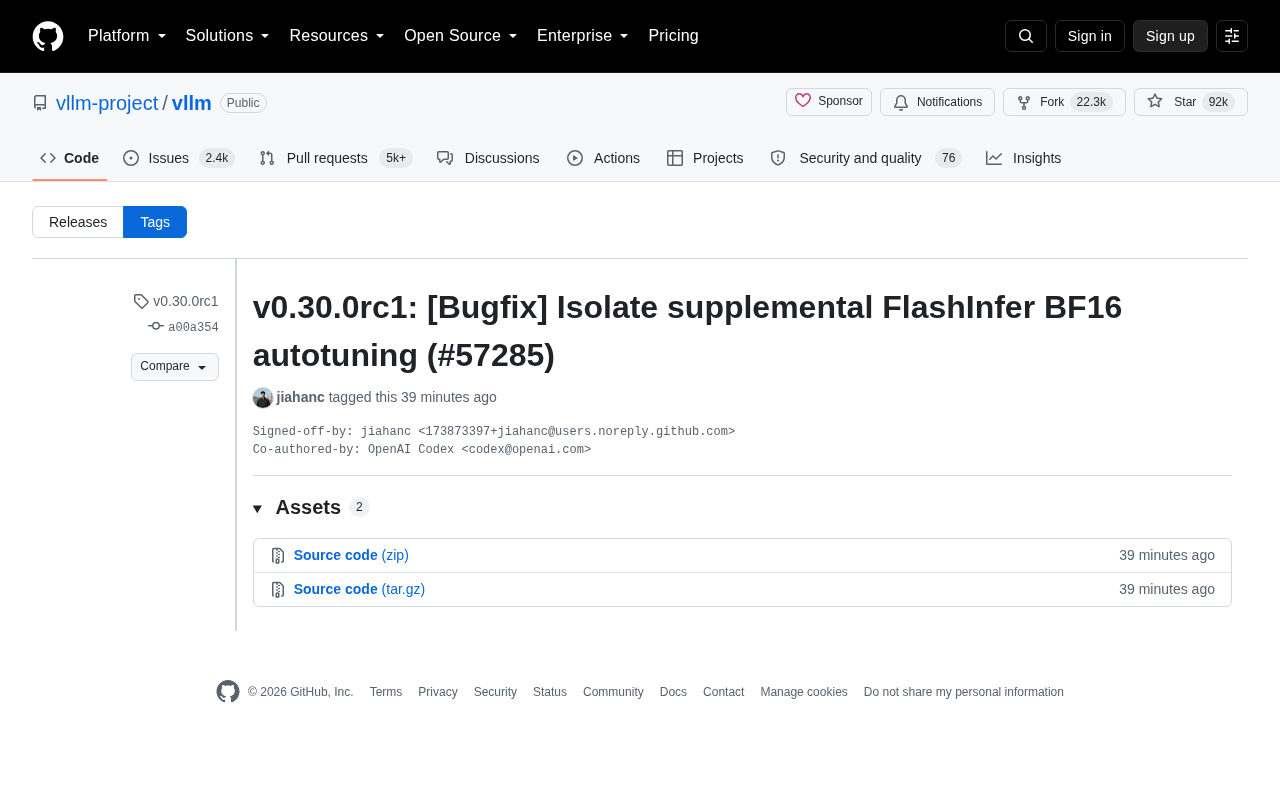
vLLM v0.30.0rc1 Released: Isolates FlashInfer BF16 Autotuning Logic
vLLM v0.30.0rc1 release candidate fixes FlashInfer BF16 autotuning isolation (PR #57285). Learn the technical background and its impact on inference deployment.
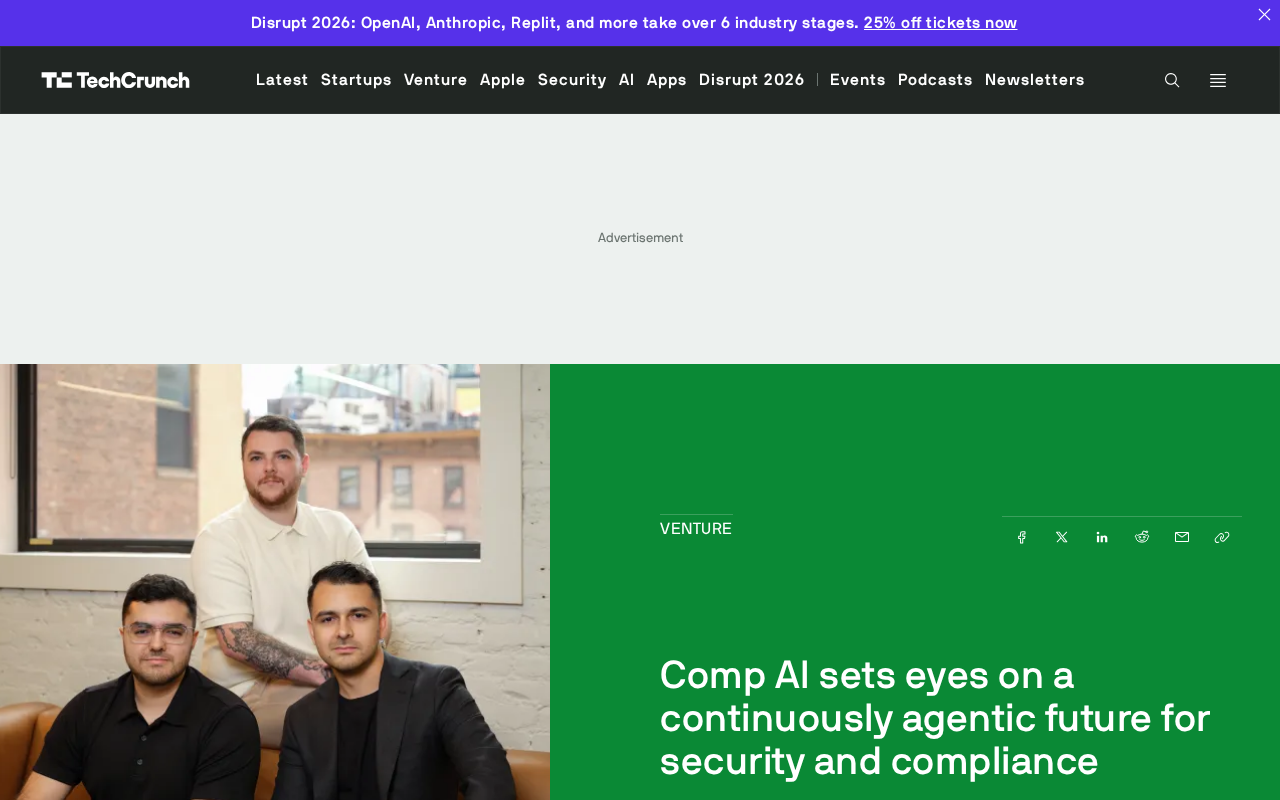
Comp AI Raises $34M Series A, Bets on Agentic Security Compliance
Comp AI raises $34M Series A led by Roo Capital and Grand Ventures, betting on "continuously agentic" AI to transform compliance from periodic audits into real-time monitoring.

MIT Technology Review's 35 Innovators Under 35: A Climate Tech Edition Explained
MIT Technology Review's latest 35 Innovators Under 35 list focuses on climate tech, spotlighting nine young global innovators. Here's what the list means and why it matters.