Second Brain Desktop: A Persistent Memory Store Across AI Tools

Second Brain desktop provides a persistent, cross-AI-tool memory layer with self-hosted data on Cloudflare.
Second Brain for Mac and Windows is a desktop app that creates a unified memory layer across all your AI tools. It features intelligent recall that surfaces contextually relevant memories rather than just recent ones, an auto-building knowledge graph, and a privacy-first architecture where all data stays in your own Cloudflare account. With a five-minute setup requiring no technical expertise, it aims to solve the context fragmentation problem that plagues users switching between ChatGPT, Claude, and other AI assistants.
When AI Amnesia Becomes the Norm
If you frequently use ChatGPT, Claude, or other AI assistants, you've surely encountered this frustrating scenario: the context you painstakingly built in one conversation window vanishes completely when you switch to another tool. Every AI tool is an information silo—your preferences, project backgrounds, and past discussions all need to be re-explained from scratch each time.
This "amnesia" isn't a product design oversight but rather an inherent limitation of current large language model architectures. Mainstream LLMs are built on the Transformer architecture, where the memory mechanism fundamentally relies on the Context Window—GPT-4 Turbo supports approximately 128K tokens, and Claude 3 supports around 200K tokens. Once a conversation ends or you switch applications, this contextual information dissipates. The model itself is stateless, starting each inference from zero. To achieve true persistent memory, an additional storage and retrieval layer must be built outside the model.
A new product ranked third on Product Hunt, Second Brain for Mac and Windows, targets exactly this pain point. Its tagline hits the mark—"Your AI memory, everywhere you work." This desktop application built by Rahil Pirani aims to provide a unified, persistent memory layer for AI tools scattered across different platforms. With 291 upvotes and 46 comments after launch, it clearly resonates with many users' real needs.
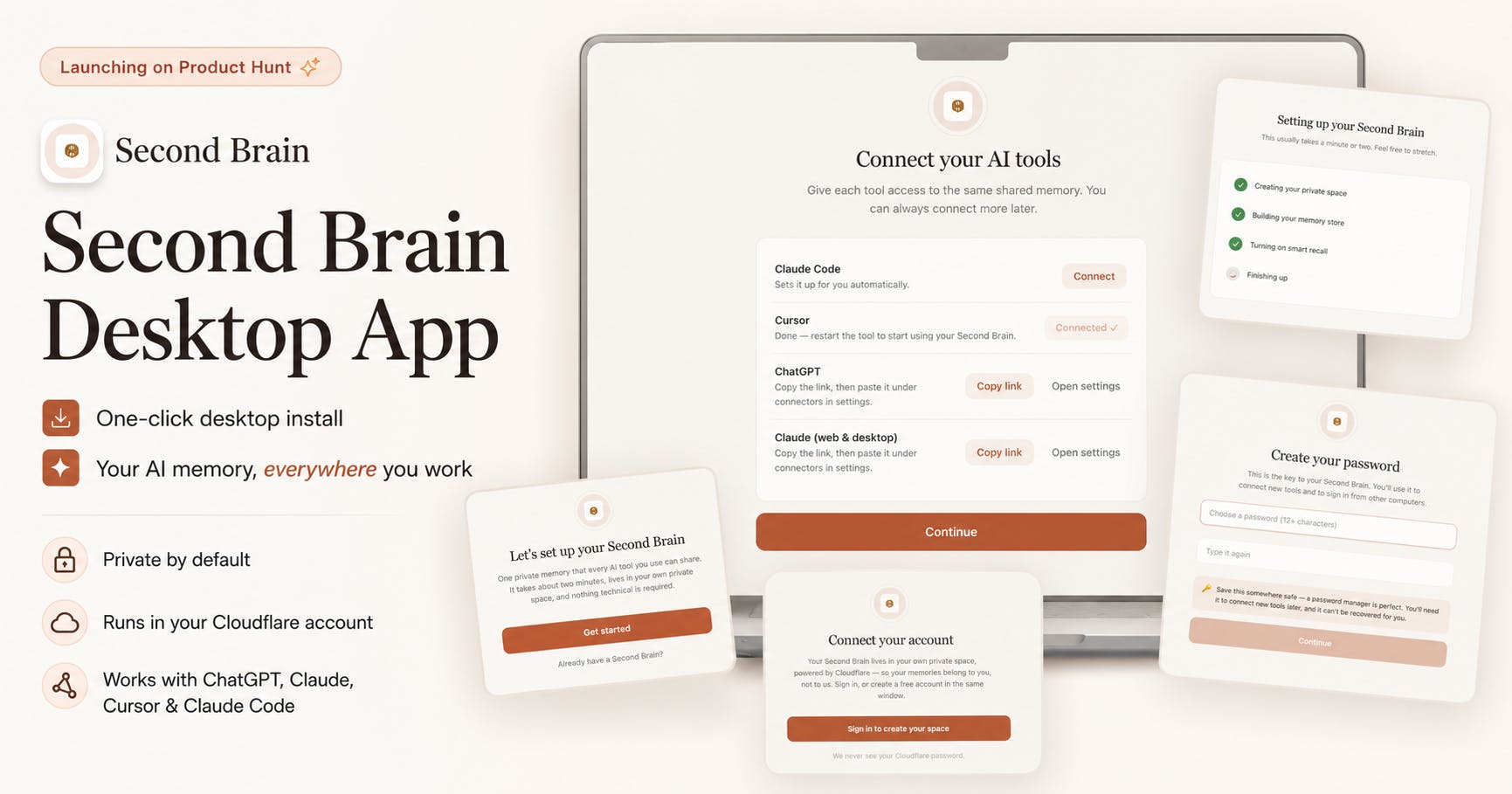
Five-Minute Setup: Dramatically Lowering the Technical Barrier
Second Brain previously existed more as a developer tool, requiring terminal operations, git configuration, and other technical skills. The biggest selling point of this desktop release is dramatically lowering the barrier to entry.
According to the official description, the entire process takes just five minutes: download the app, set a password, and log into your Cloudflare account to get started. No terminal commands, no git repository cloning—even non-technical users can easily get up and running. This "de-technicalization" strategy is a critical step for many developer tools transitioning to the mass market—wrapping powerful underlying capabilities into a foolproof installation process.
For users who've always wanted to try AI memory management but were deterred by complex configurations, the desktop app launch is undoubtedly a significant usability upgrade.
Core Capabilities: Not Just Storage, But Intelligent Recall
Smarter Memory Recall Mechanism
Second Brain doesn't emphasize simply stacking all conversations together. Instead, it focuses on intelligently surfacing the "right memories" rather than just the "most recent memories". This is a product design philosophy worth paying attention to.
Traditional memory mechanisms often sort by reverse chronological order, prioritizing the most recent content. But in real work scenarios, the most relevant information isn't necessarily the newest. Through smarter recall algorithms, Second Brain attempts to locate fragments truly relevant to the current context within a vast sea of memories. The team says this was one of the most requested improvements: "You asked for better recall. We shipped both."
From a technical perspective, this intelligent recall is essentially a deep application of RAG (Retrieval-Augmented Generation) technology. RAG's workflow goes like this: when a user asks a question or starts a new conversation, the system first retrieves the most relevant information fragments from an external memory store, then injects these fragments as context into the LLM's prompt, allowing the model to generate responses based on accurate background information. High-quality RAG systems employ a combination of semantic similarity computation, reranker models, and hybrid retrieval strategies (combining sparse retrieval keyword matching with dense retrieval vector similarity) to ensure recall results truly match the current context, rather than simply returning the most recent or highest keyword-matching content.
Auto-Building Knowledge Graph
Another technical highlight is the self-building knowledge graph (a knowledge graph that builds itself). The system automatically analyzes relationships between your stored information, constructing a structured knowledge network without requiring users to manually tag or create links.
A Knowledge Graph is a way of representing knowledge using graph structures, composed of entities (nodes) and relationships (edges). This concept became widely known after Google applied it at scale to enhance search in 2012. In Second Brain's context, automatically building a knowledge graph means the system needs to complete several key technical steps: first, entity recognition—extracting key entities such as person names, project names, and technical concepts from unstructured conversation text; second, relation extraction—determining what semantic relationships exist between these entities (such as "belongs to," "depends on," "related to," etc.); and finally, dynamic graph updating—continuously maintaining and optimizing the graph structure as new information flows in.
Combined with Vector Embedding technology, the knowledge graph supports semantic-level retrieval—no longer simple keyword matching, but understanding "the distance between Concept A and Concept B in semantic space." When AI can understand the inherent connections between your different projects and discussions, its responses become much more aligned with your true intent. For example, when you're discussing a new API design, the system might automatically link to a discussion you had three months ago about microservice architecture, because the knowledge graph has already identified the technical dependency between the two.
Data Sovereignty: Stored in Your Own Cloudflare Account
Second Brain's design around privacy and data ownership is particularly commendable. The team explicitly states: "Your data in your own Cloudflare account, not ours."
This is an architectural choice fundamentally different from mainstream SaaS products. Most AI applications store user data on their own servers, giving users limited actual control over their data. Second Brain keeps data in the user's own Cloudflare account, ensuring data sovereignty while leveraging Cloudflare's distributed infrastructure for persistent cross-device access.
Choosing Cloudflare as the storage foundation is a well-considered technical decision. Cloudflare has evolved from a traditional CDN and security provider into a complete edge computing platform, with products including Workers (serverless compute), KV (key-value storage), D1 (edge SQLite database), R2 (S3-compatible object storage), and Vectorize (vector database). This means users' memory data can be stored across 300+ data center nodes worldwide, enabling low-latency nearby access. Additionally, Cloudflare's free tier is quite generous for individual users, effectively reducing additional usage costs.
The concept of Data Sovereignty has gained renewed urgency in the AI era. When users entrust vast amounts of personal knowledge, work content, and thinking patterns to an AI memory system, this data involves not just privacy but potentially core knowledge assets for individuals or enterprises. Under the traditional SaaS model, service providers are both custodians and potential exploiters of data—they might use user data to train models, conduct commercial analysis, or cause permanent data loss if the company shuts down. The "Bring Your Own Cloud" model adopted by Second Brain is an architectural paradigm emerging in the developer tools space in recent years, sharing the same philosophy championed by products like Supabase and Neon.
For privacy-conscious user groups, especially developers and enterprise users handling sensitive information, this "self-hosted" data approach holds considerable appeal. Of course, it also means users need to own and manage their own Cloudflare account, which constitutes a prerequisite for the product.
Positioning Analysis: Memory Middleware for the AI Tool Ecosystem
From a product positioning perspective, Second Brain effectively plays the role of "AI memory middleware." It doesn't bind to any single AI tool but spans across all the AI tools you use, providing a unified, persistent memory infrastructure layer.
This approach aligns with a current trend in the AI application ecosystem: as users simultaneously use multiple AI assistants, achieving seamless context transfer is becoming a real and increasingly urgent need. Whoever first establishes a cross-tool memory standard could occupy a critical hub position in the future AI application ecosystem.
However, a realistic assessment is also needed—the challenges facing such products are equally apparent: major AI platforms themselves are strengthening their memory capabilities. OpenAI launched a Memory feature for ChatGPT in early 2024, allowing the model to remember user preferences and personal information across sessions; Anthropic's Claude lets users upload reference documents as persistent context through its Projects feature; Google Gemini is also actively integrating data from users' Google ecosystem to enhance personalization. Additionally, the open-source community has seen projects like Mem0 (formerly MemoryGPT) and MemGPT emerge, each exploring different memory architecture approaches.
Facing both native feature integration from platform players and competition from similar third-party tools, Second Brain's core differentiation lies in its combined positioning of "cross-platform unification + user data autonomy." Platform-native memory features are naturally confined to their own ecosystems, while Second Brain aims to be the memory bridge connecting all AI tools. Whether a third-party memory layer can maintain this differentiated value long-term depends on its ability to continuously build moats in memory quality, privacy protection, and ecosystem compatibility.
Summary
The launch of Second Brain's desktop version is a textbook attempt at transforming a developer tool into a mass-market product. With its four key features—five-minute quick start, intelligent memory recall, self-building knowledge graph, and user-controlled data sovereignty—it enters the niche of cross-AI-tool memory management.
For users who frequently switch between multiple AI tools and suffer from "AI amnesia," especially privacy-conscious tech professionals, this product is worth trying. The "AI memory infrastructure" concept it represents may well be the key battleground in the next wave of AI productivity tool competition.
Key Takeaways
Related articles
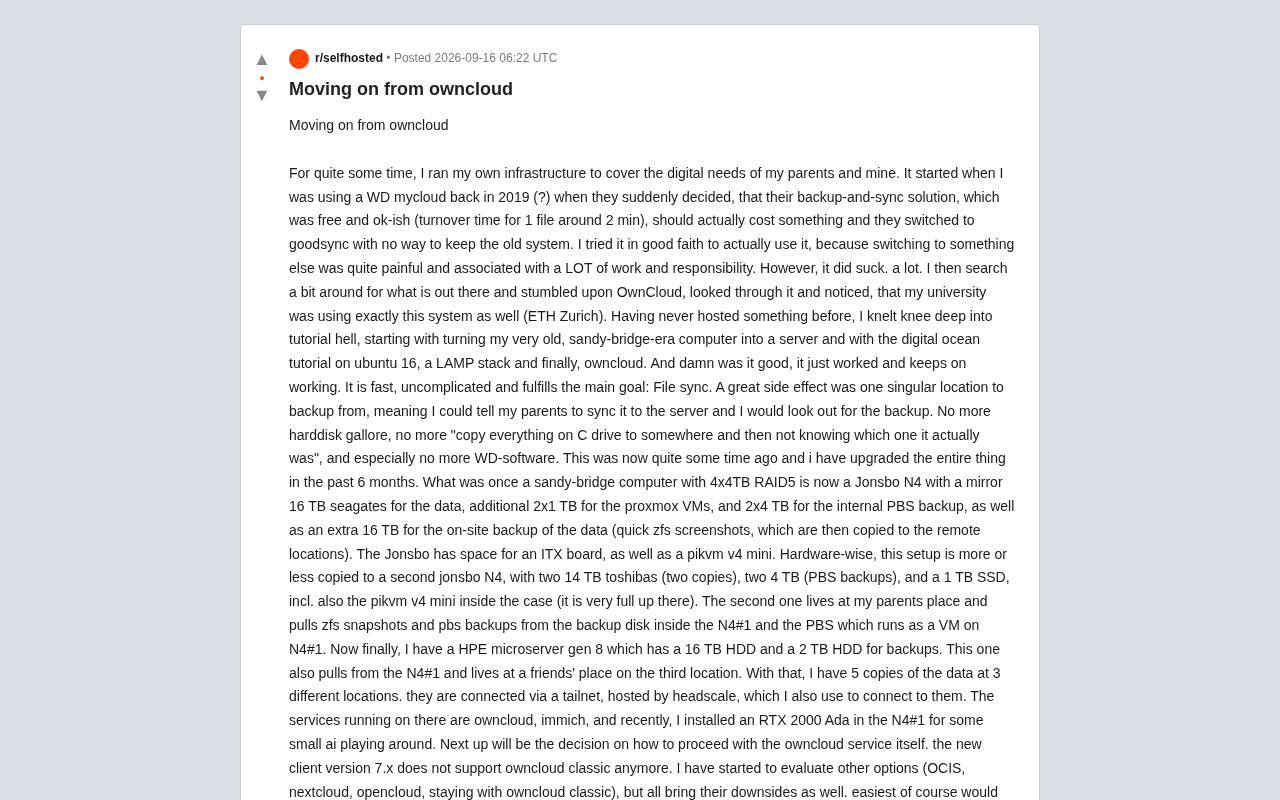
Moving On from ownCloud: Building a 5-Copy, 3-Location Home NAS Backup System
A Reddit user's journey from WD MyCloud to a 5-copy, 3-location ZFS+Proxmox home NAS, and the hard choices facing ownCloud Classic users as the official client drops support.
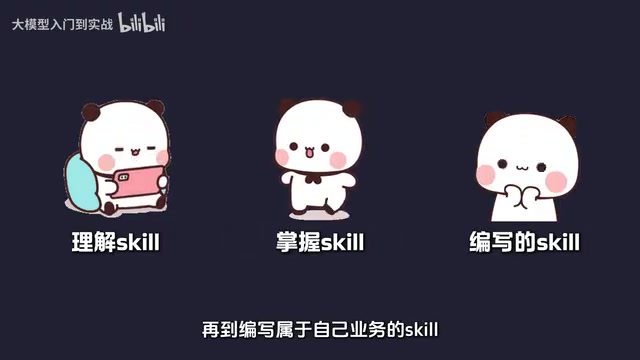
What Are Agent Skills? A Beginner's Guide from Understanding to Customization
What are Agent Skills? This guide breaks down the Skill concept, its role in ecosystems like Claude Code, and a three-step learning path from understanding to customization.
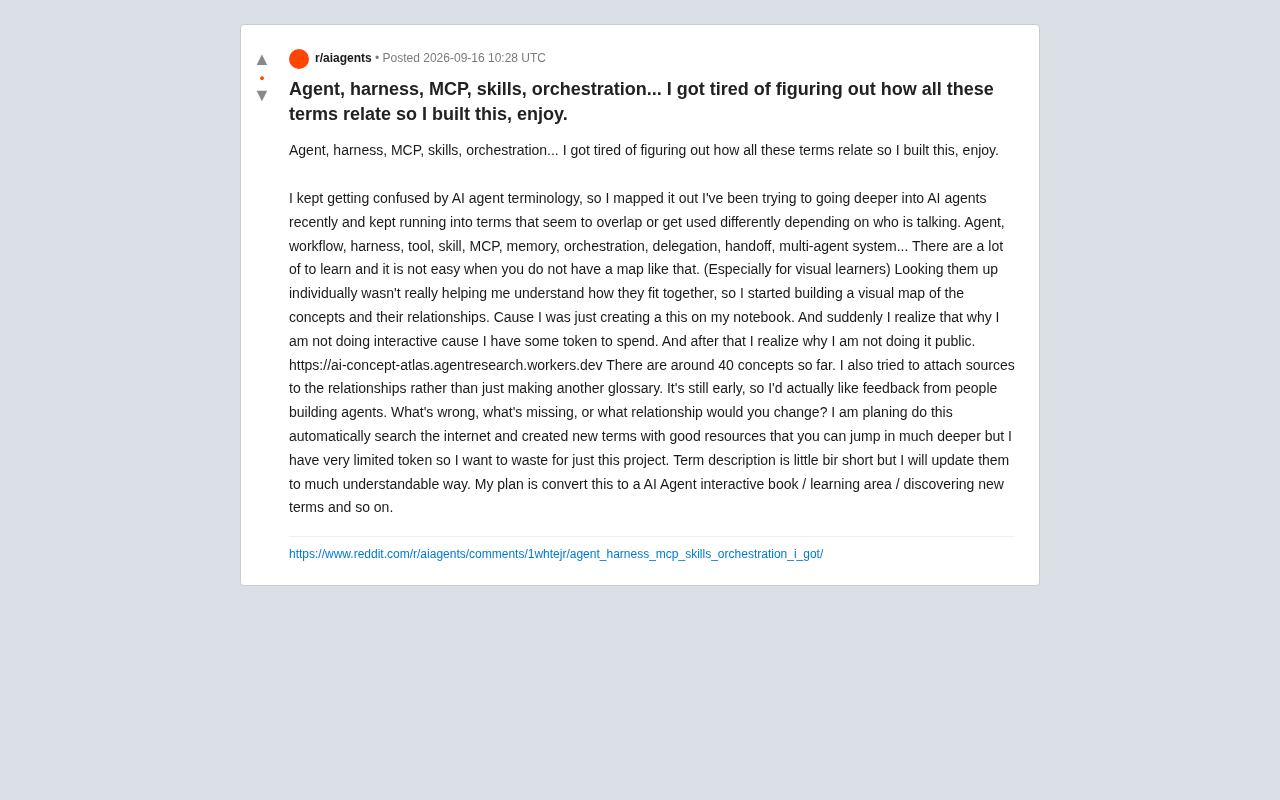
AI Agent Terminology Too Confusing? One Interactive Concept Map to Untangle 40+ Core Terms
Confused by AI Agent terms like MCP, harness, orchestration, and skills? AI Concept Atlas is an interactive map visualizing 40+ concepts and their relationships, with cited sources.