Signal Tests Phone-Number-Free Registration: How Zero-Knowledge Proofs Protect Privacy
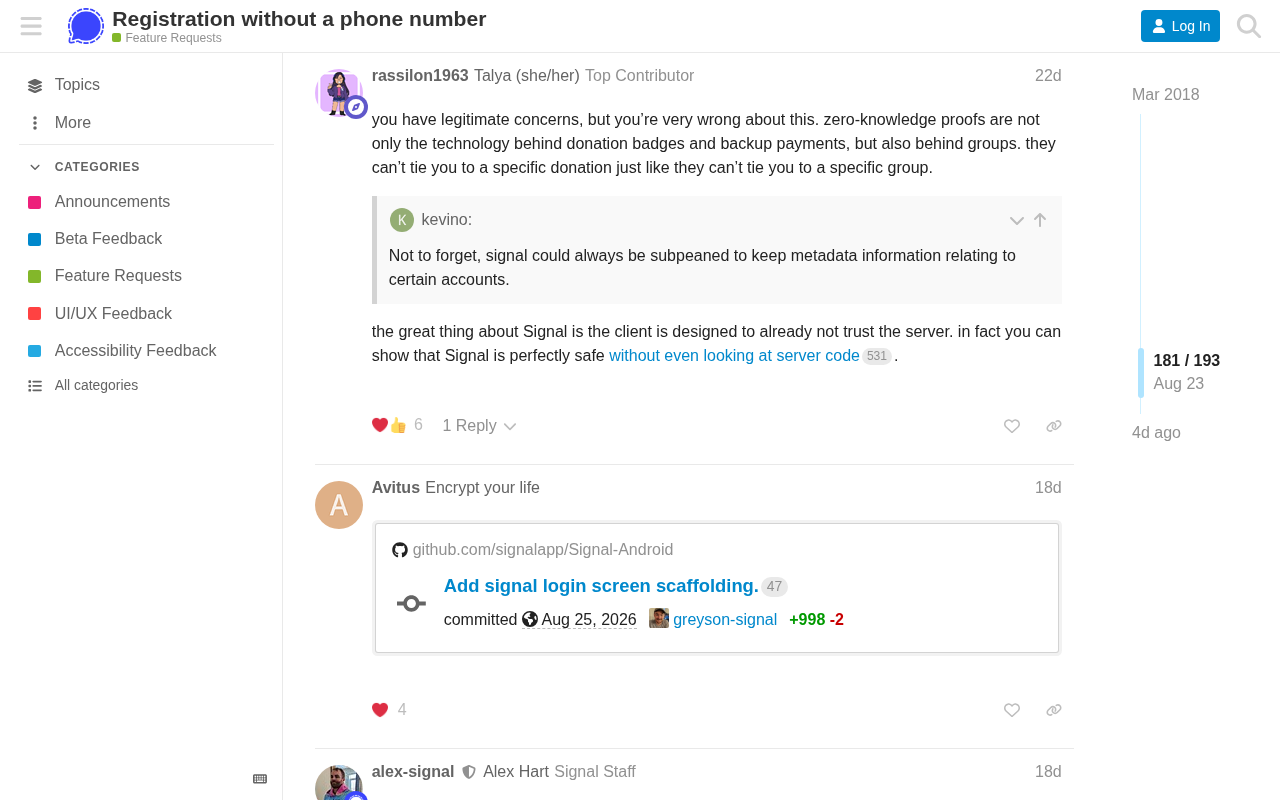
Signal is using zero-knowledge proofs to enable phone-number-free registration while balancing privacy and anti-abuse.
Signal is pursuing a major privacy upgrade: by introducing Zero-Knowledge Proof (ZKP) technology, users could register without binding a phone number. Since phone numbers are tied to real identities in most countries, they have long posed a metadata-level privacy risk — especially for journalists and activists. ZKP lets users prove they're legitimate without revealing their phone number, cutting the link between accounts and real identities while maintaining anti-spam defenses. The tech community broadly welcomes this, though questions remain around abuse prevention, account recovery, and timeline.
Signal Moves Toward Phone-Number-Free Registration
Signal has long been celebrated for its privacy protections, but one persistent issue has always remained: registering an account requires binding a phone number. For many users who value anonymity, a phone number is a strong identity identifier that can link a real-world identity to a chat account. According to recent discussions on the Signal community forum, the team is pushing forward a "phone-number-free registration" feature — and the technical core of this effort is Zero-Knowledge Proofs (ZKP).
The topic sparked lively debate on Hacker News, earning 179 upvotes and 82 comments, reflecting the tech community's intense interest in this development.
Why Phone Numbers Are a Privacy Weak Point
In most countries, phone numbers require real-name registration. Once exposed, attackers or authorities can trace them back to a specific individual. Even though Signal encrypts message content end-to-end, the binding between an account and a phone number still creates a metadata-level privacy risk.
For journalists, activists, and users living under authoritarian conditions, this restriction often means true anonymity on Signal is simply out of reach. The community has called for alternative registration methods for years. The fact that Signal is now officially addressing "de-phone-numberization" is seen as a direct response to these long-standing demands.
What Role Does Zero-Knowledge Proof Play?
Zero-knowledge proof is a cryptographic technique that allows one party (the prover) to convince another party (the verifier) that "I know a certain piece of information" or "I satisfy a certain condition" — without revealing the information itself.
Application in the Registration Flow
In a traditional registration flow, users provide a phone number to prove "I am a real, unique user," thereby preventing spam accounts and abuse. With zero-knowledge proofs, Signal could theoretically allow users to prove they satisfy some verification condition (e.g., holding a certain credential, passing an anti-abuse check) without exposing their phone number or other sensitive identity information.
This means the system can maintain its defenses against spam accounts and bots while severing the direct link between an account and a real-world identity. This balance — "preventing abuse while preserving privacy" — is precisely where ZKP delivers its value.
Zero-knowledge proofs originated in a 1985 paper by Goldwasser, Micali, and Rackoff, and after decades of development have evolved into several practical schemes. The most prominent are zk-SNARKs (Succinct Non-Interactive Arguments of Knowledge) and zk-STARKs (Scalable Transparent Arguments of Knowledge). The former is widely used in blockchains like Ethereum due to its compact proof size and fast verification; the latter requires no trusted setup and offers stronger resistance to quantum computing. In the identity verification space, typical ZKP applications include proving "I am over 18" without revealing a specific birthdate, or proving "I hold a government-issued credential" without exposing the document number. This property of "minimal information disclosure" makes ZKP a foundational building block for privacy-preserving identity systems. Signal has already applied similar thinking in its "Sealed Sender" feature, which hides message sender information — so bringing ZKP into the registration flow is a natural extension of the platform's cryptographic practice.
What the Tech Community Is Debating
Judging by the volume of comments on Hacker News, users broadly welcome this direction, but several practical questions have emerged:
- How to maintain anti-abuse mechanisms: Removing the phone number as a strong identity anchor raises the question of how Signal can effectively curb bulk registrations and spam — this is the most-discussed technical challenge.
- Usability and account recovery: Phone numbers previously served account recovery and cross-device identification functions; new mechanisms will need to fill that gap.
- Implementation details and timeline: The feature is still in the discussion and development phase; the specific cryptographic scheme and launch date remain unclear.
These discussions reflect that privacy enhancement is not simply "removing a field" — it requires systematic trade-offs between security, usability, and anonymity.
What This Means for the Privacy Communications Ecosystem
If Signal successfully ships phone-number-free registration based on zero-knowledge proofs, it will further cement its status as the benchmark privacy application, and may push the broader instant messaging industry to rethink the relationship between identity verification and privacy.
For everyday users, this change won't alter the daily experience in the short term. But for those who genuinely need anonymous protection, it could be a significant upgrade. The migration of zero-knowledge proofs from the cryptocurrency space into mainstream communications applications also signals that cutting-edge cryptographic technology is accelerating its way into real-world products.
Background
Several technical approaches for "anonymous but accountable" scenarios already exist in academia and industry. Anonymous Credential Systems — such as Microsoft Research's U-Prove and IBM's Idemix — allow users to hold credentials issued by a trusted authority and, when using them, present only the proof "I hold a valid credential" without revealing the credential itself. Rate-Limiting Tokens (as used in the Privacy Pass protocol) can limit the request rate from a single source without tracking user identity; Cloudflare has already deployed this in anti-CAPTCHA scenarios. For Signal, a viable path might involve combining with device manufacturers' hardware trusted environments (such as iOS's Secure Enclave or Android's StrongBox) to prove that a registration request originates from a real device rather than an automated script. Such approaches essentially shift the proof of "human user" from a phone number to a device or external credential. The core challenge lies in ensuring the new identity anchor doesn't itself become a fresh privacy leak.
Related articles
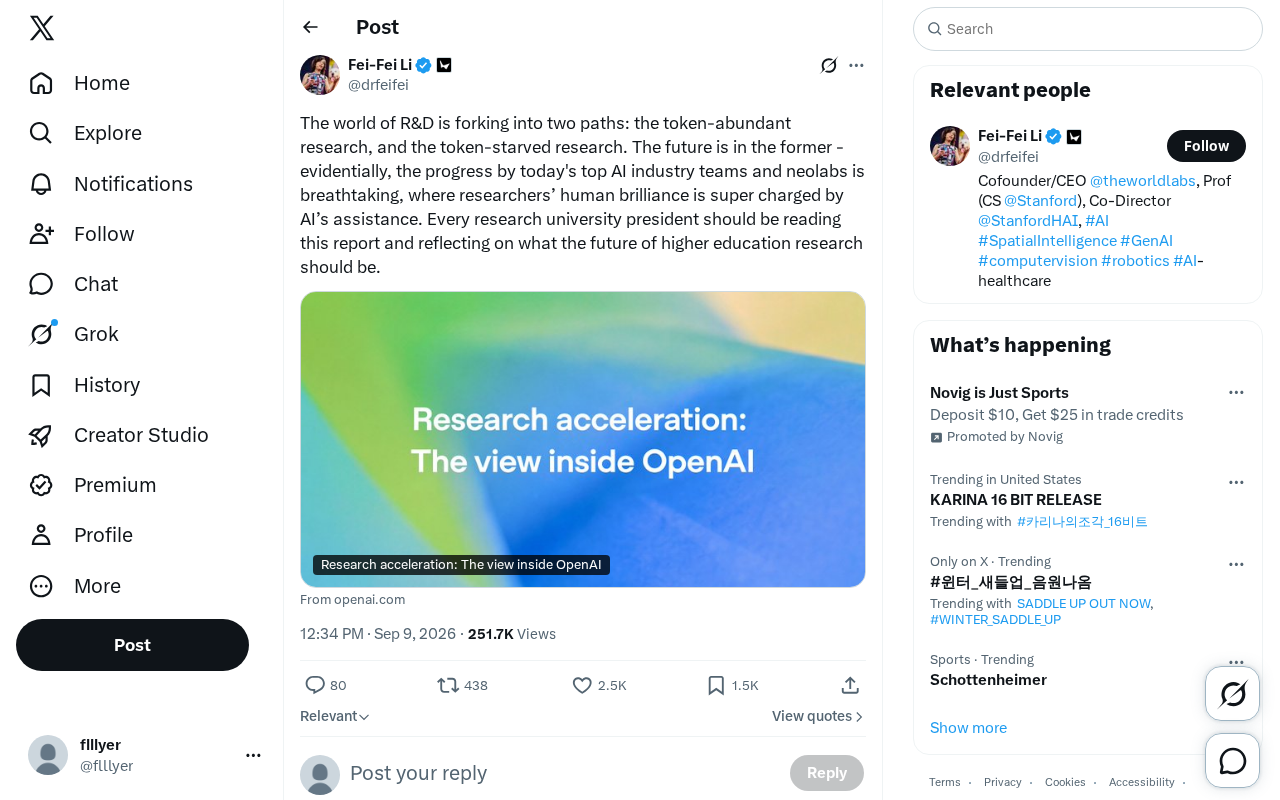
R&D Is Forking: The Coming Battle Between Token-Abundant and Token-Starved Research
R&D is splitting into token-abundant and token-starved research. Top AI labs are pulling ahead—here's what it means for universities and the future of science.
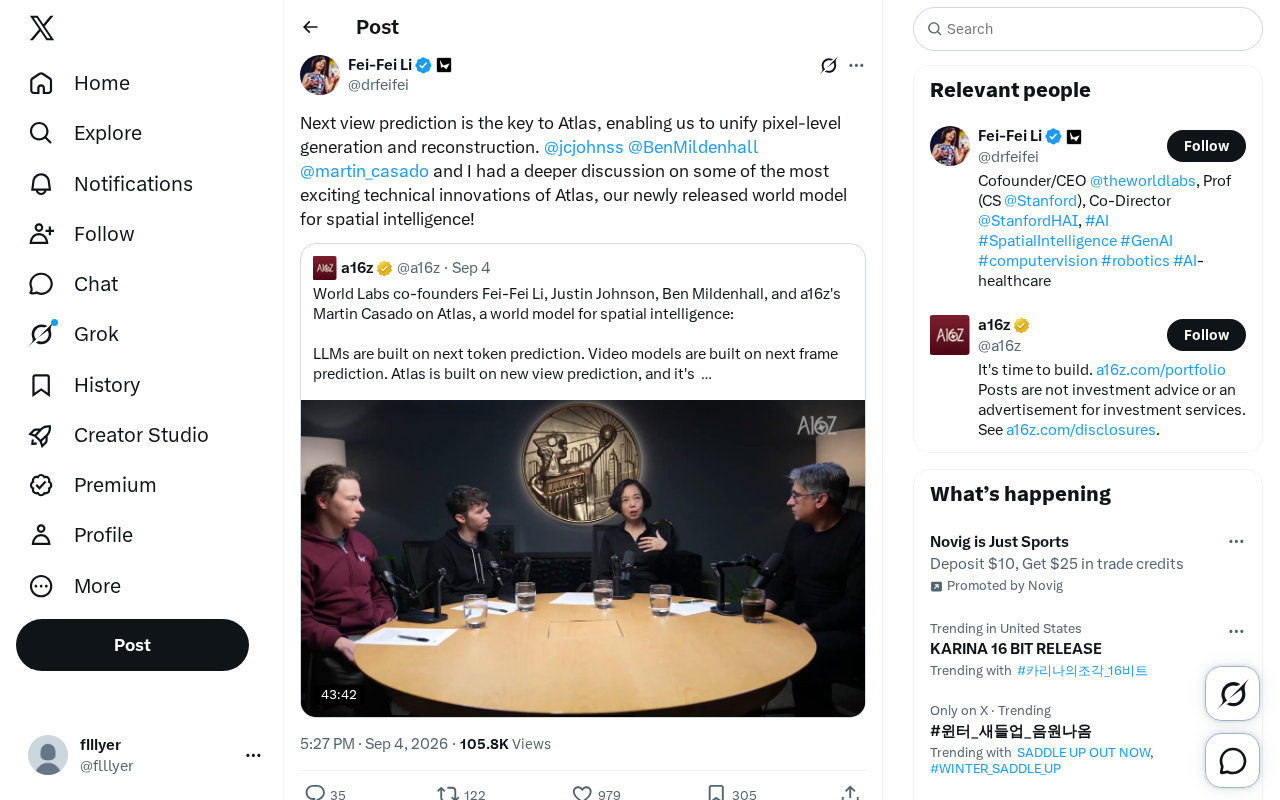
Atlas World Model Explained: How Next View Prediction Unifies Generation and Reconstruction
The Atlas world model uses Next View Prediction as its core to unify pixel-level generation and reconstruction, offering a new approach to spatial intelligence.
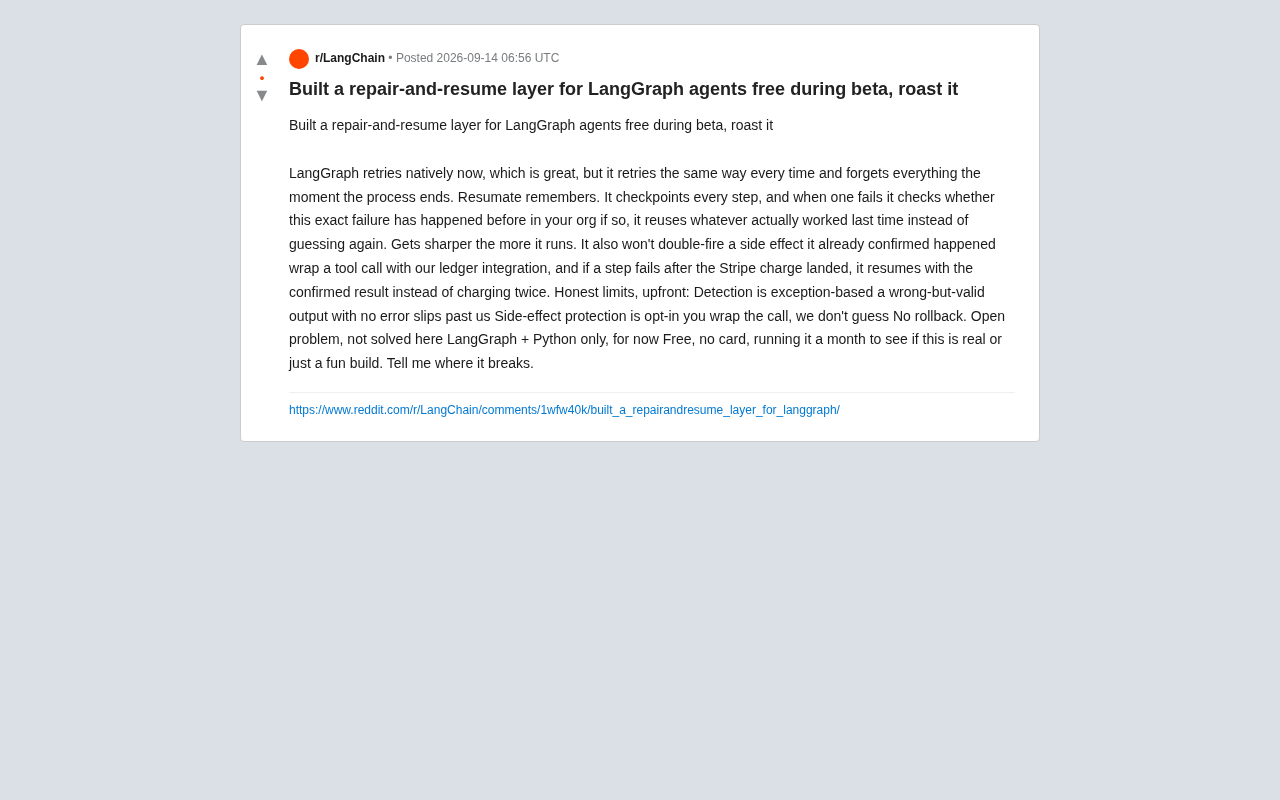
Resumate: A Deep Dive into the Repair-and-Resume Layer for LangGraph Agents
Resumate adds memory-aware checkpointing and idempotent side-effect protection to LangGraph agents, preventing issues like duplicate Stripe charges on retry.