SK Hynix Reportedly in Talks with Intel to Build Memory Chip Facility in the US
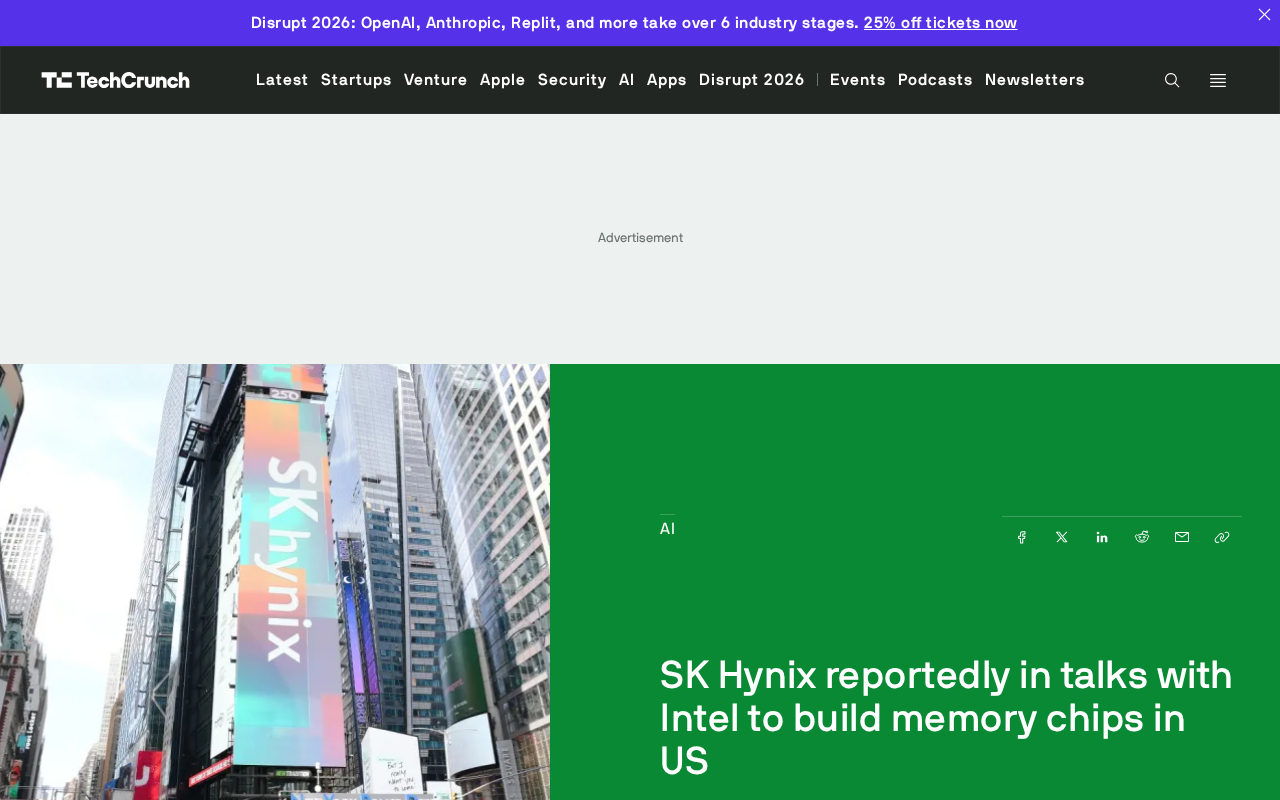
SK Hynix and Intel are reportedly discussing a US memory chip joint venture, but no plans are confirmed.
Reports suggest SK Hynix is in early talks with Intel about jointly manufacturing memory chips in the United States, though SK Hynix has stated no plans have been finalized. If realized, the deal would sit at the crossroads of two key industry trends: US semiconductor supply chain localization and surging HBM demand driven by AI. SK Hynix dominates the HBM market while Intel is actively expanding its foundry business. Key details on investment, location, and technology remain unconfirmed — official announcements should be awaited before drawing firm conclusions.
The Rumor: SK Hynix and Intel Discussing US Chip Manufacturing
According to foreign media reports, South Korean memory chip giant SK Hynix is in discussions with Intel about jointly producing memory chips in the United States. However, SK Hynix told TechCrunch that no final decision has been made on any plans or arrangements.
This means the information remains at an early rumor stage. Whether the two companies will actually reach a partnership — and what form it might take — is still undecided. Readers should approach unconfirmed reports like this with a healthy dose of skepticism.
Industry Context Behind the Potential Partnership
If the rumors prove true, this would be a noteworthy development in the memory chip sector. SK Hynix is one of the world's leading DRAM and NAND flash suppliers, and holds a particularly strong position in the HBM (High Bandwidth Memory) market — chips that are critical components for today's AI servers and GPUs.
Intel, meanwhile, has been pushing its Intel Foundry business in an effort to reassert its role in semiconductor manufacturing and align itself with US policy goals around domestic chip production. A joint US facility between the two companies would echo the trend toward supply chain localization, and could strengthen memory production capacity at a time when demand for AI computing is surging.
What is HBM? High Bandwidth Memory (HBM) is a next-generation memory architecture that vertically stacks multiple layers of DRAM dies using Through-Silicon Via (TSV) technology. Compared to conventional GDDR memory, HBM can deliver several times — or even more than ten times — the bandwidth, while significantly reducing power consumption. In large-scale model training and inference, GPUs need to continuously read vast numbers of parameters at high speed, making HBM's ultra-high bandwidth virtually essential for high-end AI chips. NVIDIA's H100/H200 and AMD's MI300X all integrate HBM. SK Hynix is currently the dominant HBM supplier and is closely tied to customers like NVIDIA — its capacity expansion moves directly affect the pace of AI compute supply. Intel Foundry, positioned to provide wafer manufacturing services for external customers, could benefit from bringing SK Hynix on board for US-based collaboration, creating synergies in advanced packaging and memory manufacturing, while potentially leveraging government subsidies under the CHIPS and Science Act to offset construction costs.
Reasons to Be Cautious
The amount of publicly available information is very limited, and the official stance is clear: "no plans have been finalized." As a result, key details — including investment scale, facility location, technology roadmap, and production targets — cannot be confirmed.
Cross-border semiconductor collaborations of this nature typically involve enormous capital expenditure, complex technical coordination, and protracted policy and subsidy negotiations. The road from rumor to reality tends to be long, and there's no shortage of ways these deals can fall apart along the way. Until both companies issue formal statements, this is better treated as an industry observation to watch rather than an established fact.
Summary
The rumored SK Hynix–Intel collaboration to manufacture memory chips in the US sits at the intersection of two major industry storylines: the push to localize semiconductor supply chains, and surging memory demand driven by AI. But with SK Hynix explicitly stating that nothing has been finalized, further developments will depend on official disclosures. It's worth keeping an eye on formal announcements from both companies for accurate information as the story unfolds.
Related articles
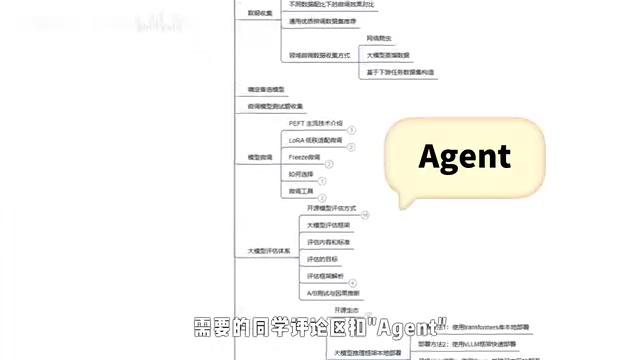
AI Agent Learning Roadmap: A Four-Stage Guide for Complete Beginners
A four-stage AI Agent learning roadmap for beginners: from core concepts and model deployment to RAG, LangChain, LoRA, and interview-ready projects.
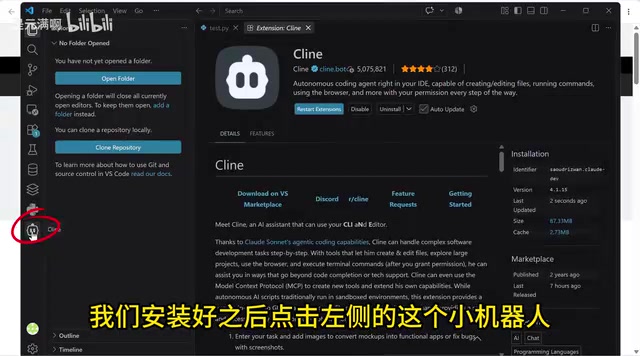
Free Access to Mystery Model & DeepSeek V4 via Cline: Complete Setup Tutorial
Learn how to use DeepSeek V4 and the mystery "Niumai" model for free on Cline — covering IDE extension and CLI installation, account setup, and model selection.
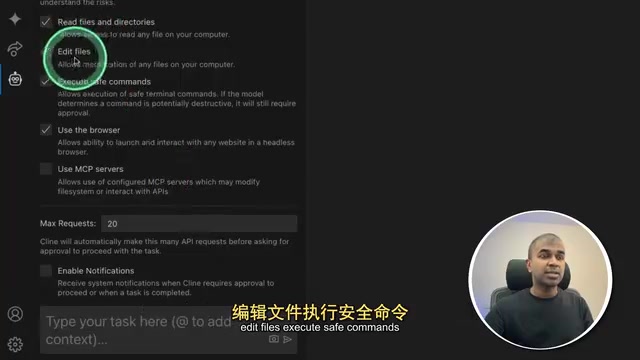
Cline + VS Code in Practice: Generate a To-Do App from a Single Prompt
Cline is an autonomous coding agent inside VS Code. This hands-on guide shows how to generate a to-do app from one prompt and compares Claude, Ollama, and Groq integrations.