Sunmi's Digital Life: How the K-pop Icon Uses Notion as Her Productivity Tool

K-pop veteran Sunmi's use of Notion highlights how productivity tools are going mainstream across industries.
Sunmi, who made K-pop history with Wonder Girls by landing on the Billboard Hot 100, has drawn attention for openly embracing Notion as a productivity tool. Notion's modular, highly flexible approach to organizing information is drawing in creative professionals far beyond the tech sector. For artists balancing performances, recording sessions, and business commitments, a platform that handles ideas, schedules, and tasks in one place is a natural fit. Sunmi's public endorsement may also inspire fans to explore productivity software themselves. Her fondness for ASMR ear cleaning videos, also mentioned in reports, adds a relatable, everyday dimension to the picture of this stage performer.
A K-pop Superstar Meets Productivity Software
Sunmi is an undeniable force in K-pop. She debuted in 2007 as a member of Wonder Girls, one of the first K-pop groups to genuinely break into the Western market. The English version of their single Nobody made history in October, becoming the first K-pop song to chart on the Billboard Hot 100.
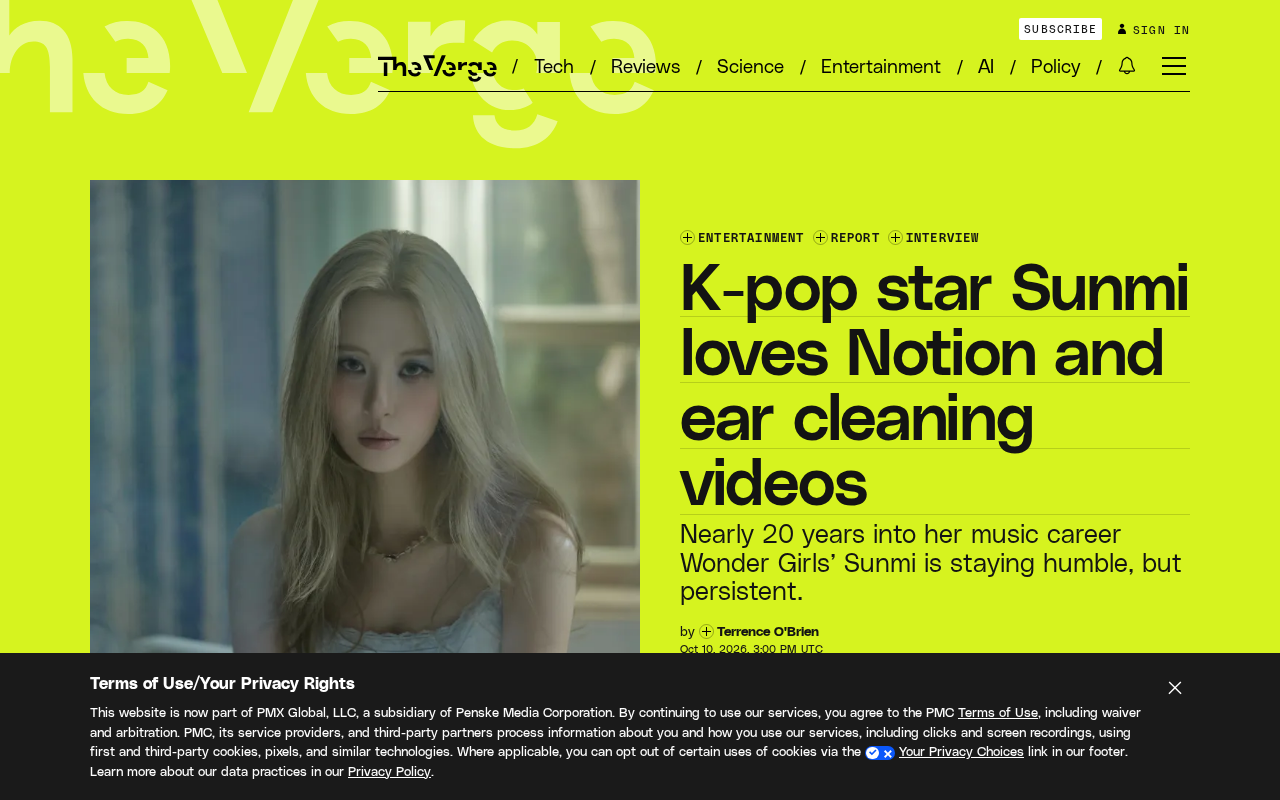
Now, a personal habit this veteran artist pursues away from the spotlight has caught people's attention — her love of Notion. When an internationally recognized pop star openly talks about using productivity software to manage her life and creative work, it speaks volumes about how these tools are making their way into the daily routines of professionals across every field.
Wonder Girls hold a historically significant place in K-pop's push into Western markets. In 2009, they became the first K-pop group to have a biographical film air on Disney Channel, and that same year they joined the Jonas Brothers' North American tour as opening guests — something virtually unheard of for K-pop artists at the time. Nobody charting on the Billboard Hot 100 wasn't just a commercial milestone; it was an early breakthrough moment for K-pop as a global cultural phenomenon. Sunmi briefly left the group in 2010 to attend university, returned as a solo artist in 2013, and through tracks like 24 Hours established her own artistic identity — evolving from group member to an independent artist with a distinctive creative voice.
Why Even Celebrities Are Using Notion
Notion combines note-taking, task management, databases, and project collaboration in a single platform, and it has rapidly gained popularity among creative professionals in recent years. For an artist like Sunmi — who has to juggle performance schedules, creative ideas, business partnerships, and personal life simultaneously — a platform that can flexibly organize information holds obvious appeal.
Artists tend to work at a fragmented, high-intensity pace, with tours, recording sessions, and promotional activities constantly overlapping. Notion's modular design lets users build a personalized information system that suits their own workflow, whether that means logging lyric ideas, organizing itineraries, or tracking to-do lists — all within the same space. That flexibility is precisely what sets it apart from traditional to-do list apps.
Notion officially launched in 2016, positioning itself as an "all-in-one workspace" that consolidates documents, databases, kanban boards, and calendars into a unified environment. Unlike traditional note-taking tools such as Evernote, Notion is built around the concept of "blocks" — every element on a page, whether text, image, table, or checklist item, is an independent block that can be freely dragged and nested. This design allows users to build highly personalized information architectures from scratch without relying on fixed templates. Notion's user base exploded during the COVID-19 pandemic in 2020, when the surge in remote work triggered widespread demand for personal knowledge management. The product entered mainstream awareness, and its valuation reached $10.3 billion in 2021.
The Mainstream-ification of Productivity Tools
Sunmi's case is far from unique. From Silicon Valley engineers to freelancers to entertainment industry artists, the user profile for tools like Notion continues to expand. Its popularity reflects a broader phenomenon: digital personal organization has shifted from a niche need among specialists into a universal skill that cuts across industries and professions.
It's also worth noting that when artists publicly share their tool preferences, it tends to have a demonstration effect on their fanbase. When a celebrity talks about Notion, it may inspire a wave of younger users to explore and experiment with productivity software — an influence that conventional marketing simply can't replicate.
The Human Side of the Story
Beyond Notion, reports also mention Sunmi's fondness for ear cleaning ASMR videos. Details like this, seemingly unrelated to technology, actually paint a more complete and authentic portrait of a person — even a stage performer who radiates brilliance under the spotlight has private ways of unwinding that are no different from anyone else's.
This contrast is also a reminder that digital tools ultimately exist to serve real human beings. No matter how powerful the software, its value lies in helping users better manage their lives, unlock their creativity, and carve out breathing room for themselves.
ASMR (Autonomous Sensory Meridian Response) is a phenomenon in which specific auditory or visual stimuli trigger a tingling sensation in the scalp and a feeling of deep relaxation. It emerged as a content category on YouTube around 2010. Ear cleaning videos are one of the genre's classic formats, with their intricate sound design reliably triggering a relaxation response. ASMR content has a massive audience in East Asian markets — particularly South Korea and Japan — which also aligns with the established professional ear-cleaning culture found in South Korea. Many professionals in high-pressure industries use this type of content as a daily stress-relief tool, so Sunmi's preference for it is hardly surprising given the demanding nature of the entertainment world she operates in.
Takeaway
Given the limited information in the original source material, the specifics of exactly how Sunmi uses Notion haven't been fully explored. But this story at least reveals an interesting angle: productivity tools are entering the public consciousness in unexpected ways, and even a K-pop superstar is among their users. For readers who follow productivity software and digital lifestyles, this makes for a vivid illustration of tools becoming truly mainstream.
Related articles

M&M's Spent Millions Replacing Artificial Blue Dye — Why Is It So Hard?
Mars spent millions trying to replace artificial blue dye in M&M's with spirulina, but thick material clogs pipes and residue risks mold, forcing a full production-line rebuild. Here's the engineering behind the reformulation.
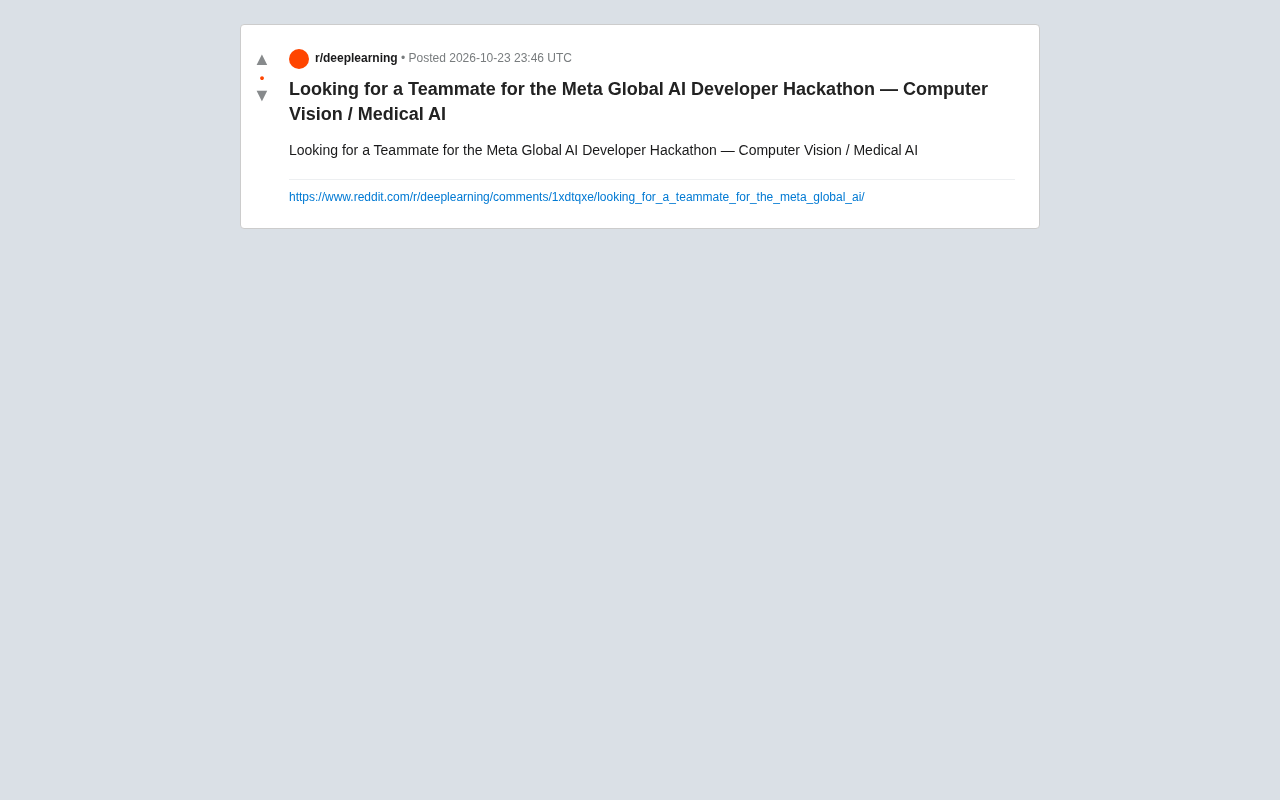
Teammate Wanted for Meta Global AI Developer Hackathon: Computer Vision & Medical AI
A Reddit developer seeks teammates for the Meta Global AI Developer Hackathon, focusing on computer vision and medical AI. This article analyzes the track logic, skills-complementarity needs, and topic selection strategy behind this teaming signal.
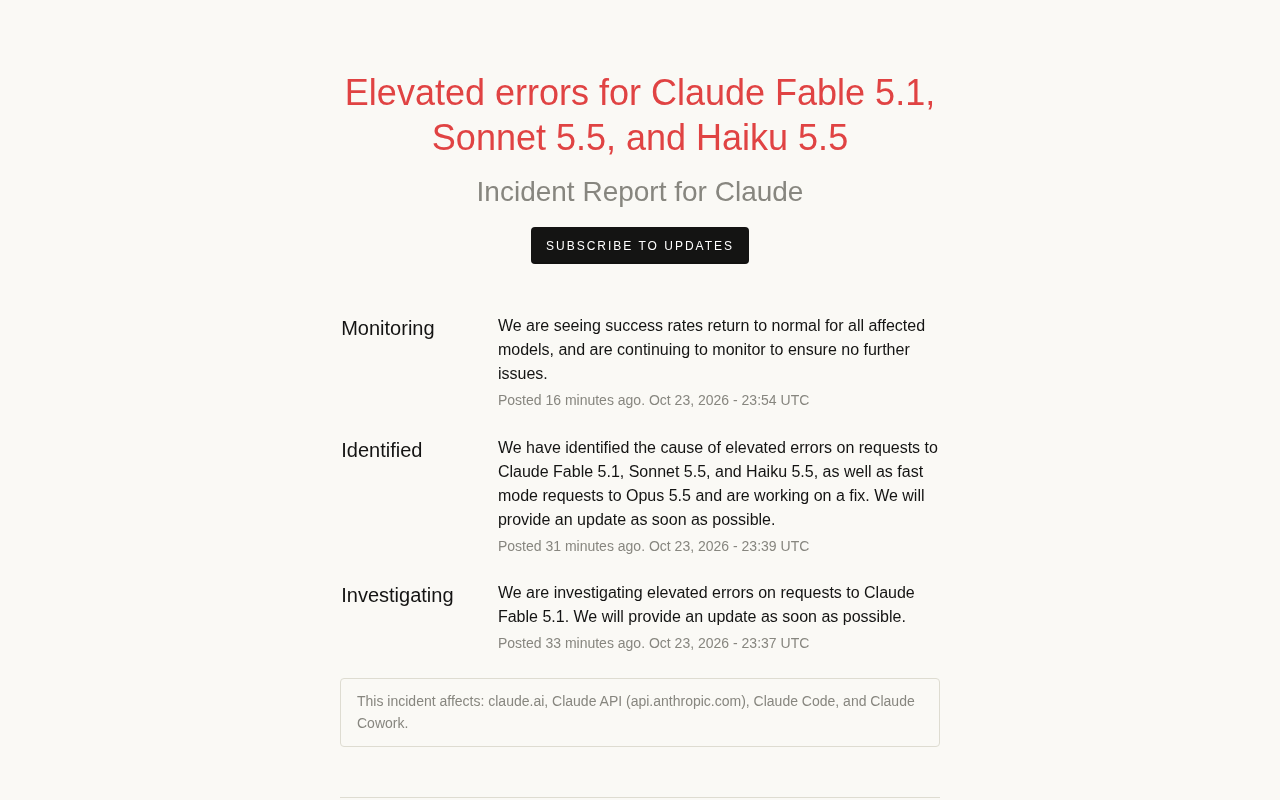
Multiple Claude Models Hit by Errors: A Postmortem of Fable 5.1, Sonnet 5.5, and Haiku 5.5
Claude Fable 5.1, Sonnet 5.5, Haiku 5.5, and Opus 5.5 fast mode saw elevated errors; Anthropic identified and resolved the issue in 17 minutes. This postmortem covers the timeline, the technical reasons for the multi-model cascading failure, and practical lessons for retry and degradation strategies.