TechCrunch Disrupt 2026 Exhibitor Countdown: A Breakdown of Startup Exposure Opportunities
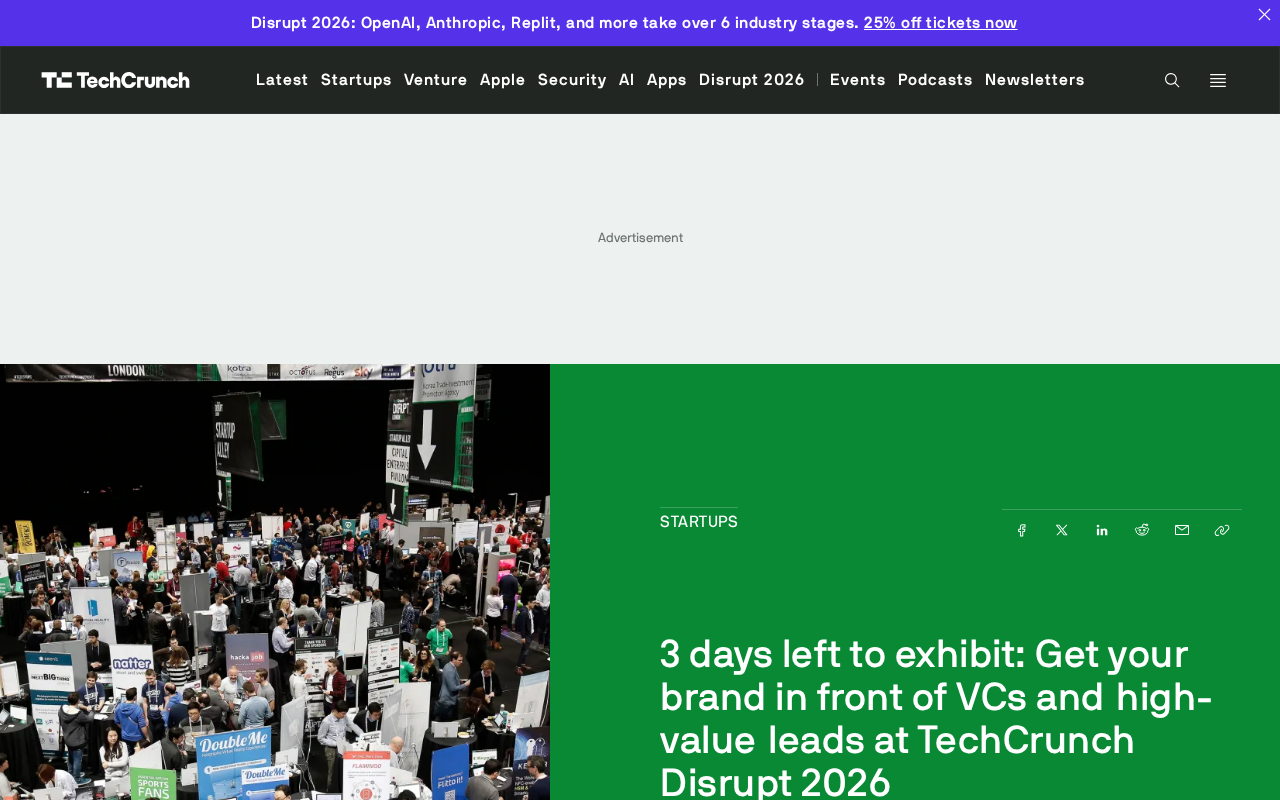
TechCrunch Disrupt 2026 booth deadline is Sept 18 — startups must quickly weigh the ROI of exhibiting.
TechCrunch Disrupt 2026 takes place October 13–15, with booth reservations closing on September 18. The article examines why in-person tech conferences remain irreplaceable even in a remote-first world, highlighting the event's ability to concentrate over 10,000 founders, investors, and operators in one space. It offers a practical decision framework covering time pressure and ROI, and advises exhibitors to define their primary goal — fundraising, customer acquisition, or brand visibility — before crafting their booth strategy and on-site pitch approach.
TechCrunch Disrupt 2026 Exhibitor Window Is Closing Fast
TechCrunch Disrupt, the flagship event in the tech venture ecosystem, is once again giving startups a stage to stand in front of investors and industry leaders. According to the official announcement, the deadline to reserve an exhibit booth is September 18 — just days before the event opens. This year's Disrupt runs October 13–15 and is expected to draw more than 10,000 founders, investors, operators, and tech leaders.
For startups seeking high-value visibility, this timeline means the decision window is closing fast. Booth space at major industry events is typically in short supply — especially at venues where direct access to venture capital firms is on the table.
Why a Physical Booth Still Matters
Even as remote collaboration and online pitch events become increasingly common, in-person tech conferences retain a value that's hard to replicate. The core appeal of events like Disrupt is that they concentrate the critical players of the startup ecosystem — founders, investors, operators — in the same physical space at the same time.
Reaching the Right Audience with Precision
Organizers emphasize that exhibitors get their brand in front of over ten thousand attendees, many of them capital-deploying investors and high-conversion business leads. Compared to broad-net digital marketing, conference-floor interactions are inherently more targeted: the people who show up to Disrupt come with a clear purpose — to find projects, partnerships, or investment opportunities.
Since its founding in 2011, TechCrunch Disrupt has been the early-stage debut for notable companies including Dropbox, Airbnb, and Fitbit, cementing its status as a bellwether for Silicon Valley's venture community. Its attendee profile is highly specialized: official data indicates that VCs and angel investors have historically made up more than 30% of participants, with partners from top-tier firms like Sequoia Capital, a16z, and Kleiner Perkins regularly in attendance. That means one productive conversation on the show floor can potentially compress months of cold outreach into a single interaction. For early-stage teams that haven't yet built out their investor networks, this "density advantage" is the core differentiator that online events simply cannot replicate.
The Trust-Building Power of In-Person Interaction
Face-to-face exchanges help build trust quickly — one of the scarcest resources for early-stage startups navigating fundraising and customer acquisition. A physical booth isn't just a product demo station; it's a vehicle for the team to demonstrate professionalism and convey brand identity.
Practical Considerations for the Participation Decision
For startup teams currently weighing whether to exhibit, a few pragmatic factors are worth thinking through.
The Time Pressure Is Real
With the booth reservation deadline on September 18, preparation time is extremely limited. Beyond the reservation itself, booth design, promotional materials, team scheduling, and on-site demo content all require advance planning. The time crunch means teams serious about participating need to move quickly.
Evaluating the Return on Investment
Exhibiting requires meaningful financial and human capital, so companies should assess the expected return against their current stage. Startups in active fundraising mode, those seeking early customers, or those looking for strategic partners tend to extract the highest marginal value from events like this.
The cost of exhibiting at a tech conference typically breaks down into four components: booth fees, travel and accommodation, booth construction, and printed or digital materials. For an event at Disrupt's scale, an early-stage startup's all-in budget can range from several thousand to tens of thousands of dollars — a significant strain for pre-seed teams. The industry commonly uses "Cost Per Qualified Lead" as the key metric for measuring conference ROI — calculated by dividing total spend by the number of high-intent contacts made on the floor. To improve that ratio, many teams pre-schedule meetings with key targets via LinkedIn or email before the event, turning the booth into a venue for "confirmation conversations" rather than a passive waiting game for walk-by visitors — dramatically increasing the density of meaningful interactions.
Action Recommendations for Founders
If you decide to exhibit, use the limited time available to first lock in your primary objective: is the focus fundraising, customer acquisition, or brand awareness? The answer determines how your booth should be set up and how your team should be pitching on the floor. Researching which investor firms and potential partners are expected to attend — and building a targeted outreach plan around that list — can significantly improve your on-site efficiency.
For teams that aren't able to participate as exhibitors, Disrupt is still worth watching. The industry signals and trend indicators that surface at the event serve as a useful window into the broader mood of the venture market.
Takeaway
The TechCrunch Disrupt 2026 exhibitor countdown is a reminder that in-person tech events remain one of the most effective channels for startups to connect with investors and high-value leads. Before the September 18 deadline, startups looking to put their brand on display need to quickly weigh the costs and benefits and make a call. Ultimately, the value of an event like this comes down to whether a company can convert the high-density relationship-building on the show floor into real business outcomes.
Related articles
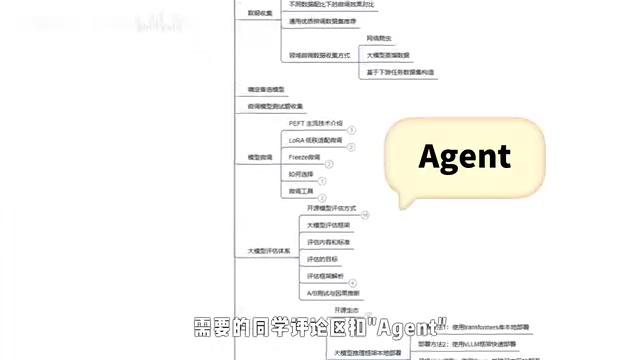
AI Agent Learning Roadmap: A Four-Stage Guide for Complete Beginners
A four-stage AI Agent learning roadmap for beginners: from core concepts and model deployment to RAG, LangChain, LoRA, and interview-ready projects.
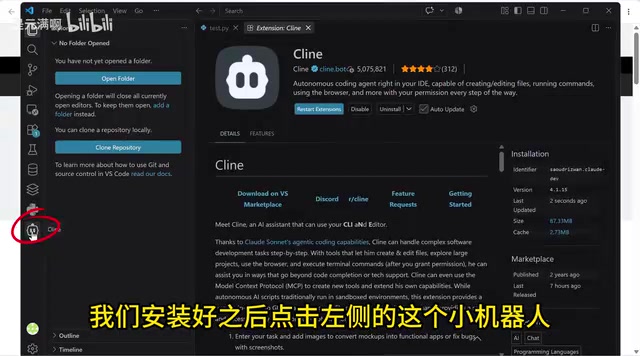
Free Access to Mystery Model & DeepSeek V4 via Cline: Complete Setup Tutorial
Learn how to use DeepSeek V4 and the mystery "Niumai" model for free on Cline — covering IDE extension and CLI installation, account setup, and model selection.
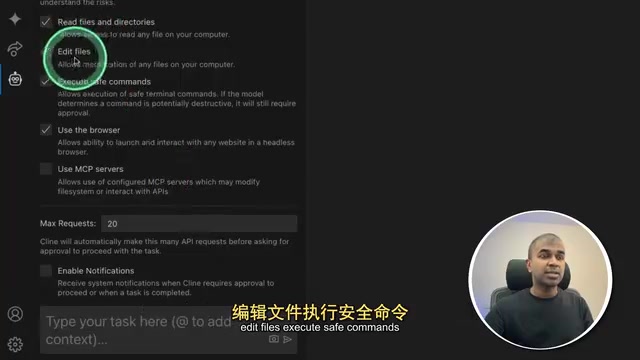
Cline + VS Code in Practice: Generate a To-Do App from a Single Prompt
Cline is an autonomous coding agent inside VS Code. This hands-on guide shows how to generate a to-do app from one prompt and compares Claude, Ollama, and Groq integrations.