Tesla Cybercab Mass Production: How a Car Without a Steering Wheel Is Rewriting the Business Logic of Transportation
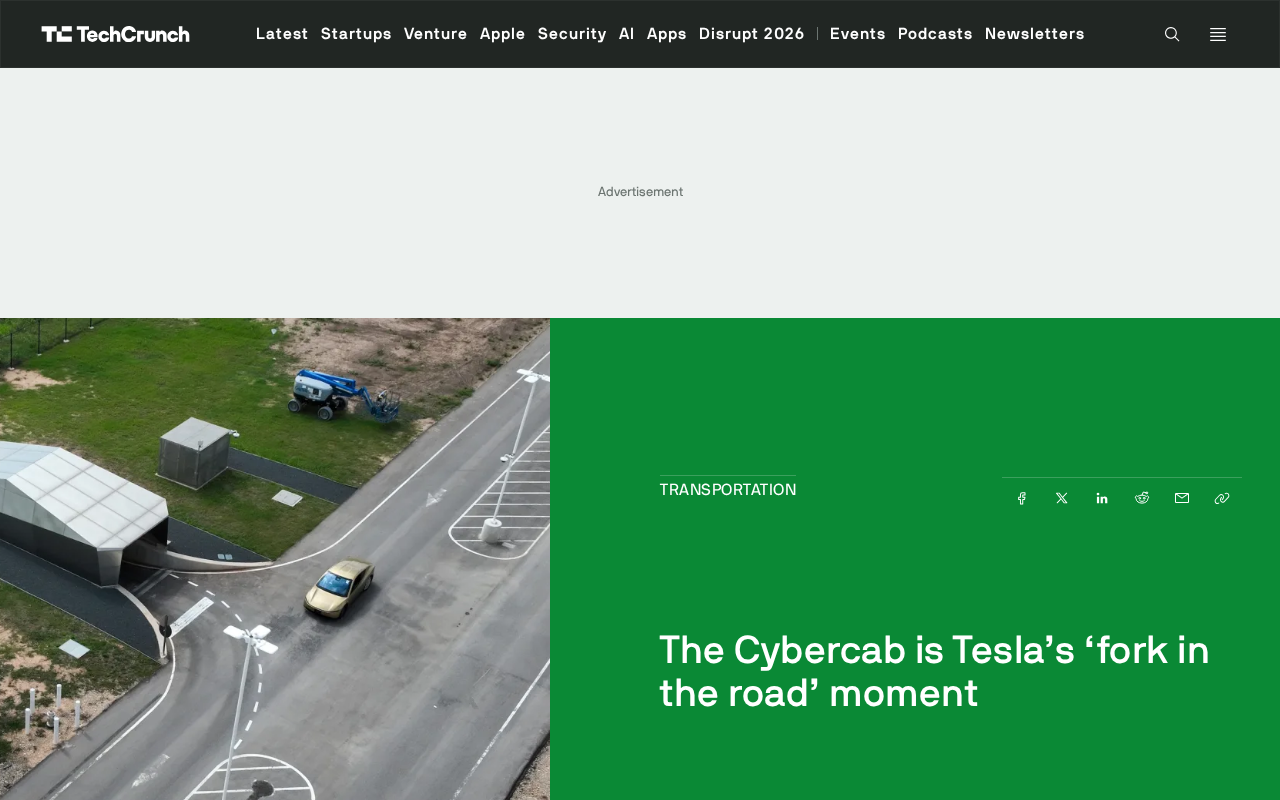
Tesla's steering-wheel-free Cybercab signals a bold pivot from selling cars to operating a robotaxi platform.
Tesla's Cybercab is a two-seat autonomous vehicle with no steering wheel or pedals, marking the company's ambitious shift from car manufacturer to mobility service platform. Built exclusively for its FSD system, the Cybercab targets the urban short-trip market with a robotaxi model designed for 24/7 operation. However, major hurdles remain in autonomous driving reliability and global regulatory approval, making this launch a defining "fork in the road" moment for Tesla's future.
What Does a Car Without a Steering Wheel Really Mean
Tesla is about to officially launch the Cybercab — a gold-colored, two-seat vehicle with no steering wheel and no pedals. This is no ordinary product launch. Industry observers have described it as Tesla's "fork in the road" moment. The very existence of this vehicle represents a fundamental overhaul of the business logic Tesla has followed for the past two decades.
In the past, Tesla sold "better electric cars" — longer range, faster acceleration, smarter software — but at the end of the day, they were still cars that needed a human behind the wheel. The Cybercab eliminates the possibility of human driving at the physical level: without a steering wheel, the vehicle can only operate through its Full Self-Driving (FSD) system. This is the first time Tesla has made "humans can't drive it" a hard prerequisite of the product, rather than an optional feature.
From Selling Cars to Selling Mobility Services: A Fundamental Shift in Tesla's Business Model
The Economic Logic of the Robotaxi Model
The most far-reaching significance of the Cybercab is that it marks Tesla's attempt to transform from a "car manufacturer" into a "mobility service operator." The traditional car-selling business is a one-time transaction: the automaker sells the car, and the profit is essentially realized. The Robotaxi model, by contrast, generates continuous operational revenue — each Cybercab could theoretically operate 24/7 in a city, generating a steady stream of ride-fee revenue for Tesla.
If this transition succeeds, Tesla's valuation logic will change completely. It will no longer be benchmarked against traditional automakers but will instead resemble a tech platform company. This is the core reason Musk has repeatedly emphasized the value of FSD over the years: the real gold mine isn't in vehicle sales — it's in the scaled operation of an autonomous driving network.
The Mobility Scenario Behind the Two-Seat Design
Why two seats instead of a larger vehicle? This design choice reveals Tesla's precise judgment about urban short-distance travel scenarios. The vast majority of urban trips involve just one or two passengers. A two-seat layout covers most use cases while maximizing cost savings in manufacturing and minimizing road space. This is a vehicle purpose-built for the "shared mobility economy," not a family car.
The Core Challenges Facing Cybercab: Technology and Regulation
Can Autonomous Driving Technology Deliver on Its Promise
The entire logic of the Cybercab rests on a single premise: that Tesla's Full Self-Driving technology is mature enough and safe enough to operate on public roads without human supervision. However, as of now, FSD remains a driver-assistance system that requires a human to be ready to take over at any time. Between "assisted driving" and "fully autonomous driving" lies a massive gap in technical reliability and the ability to handle countless edge-case scenarios.
In a car without a steering wheel, if the system fails, passengers are completely helpless. This means Tesla must have extraordinary confidence in its autonomous driving capabilities to dare launch a product with "no fallback."
The Uncertainty of Global Regulation
Even if the technology is ready, regulation remains the biggest wildcard. Current laws in most countries and regions still require vehicles to be equipped with a steering wheel, pedals, and other manual control devices. Whether a vehicle that structurally cannot be driven by a human can receive road approval and operate commercially at scale depends on the stance of regulatory bodies in each jurisdiction — a process that is often lengthy and fraught with uncertainty.
Why Cybercab Is Tesla's "Fork in the Road"
The "fork in the road" metaphor is apt. If the Cybercab and the Robotaxi network succeed, Tesla will leap from being an excellent EV company to becoming a dominant platform in the mobility space, unlocking a new market worth trillions. But if technology or regulation stalls, Tesla could be saddled with heavy R&D costs and the fallout of a failed strategic bet.
This gold two-seater carries far more than just a product iteration — it represents a high-stakes gamble by Tesla on its own future identity. The path it has chosen will, to a large extent, determine the company's trajectory over the next decade.
Conclusion: When the Steering Wheel Is Removed, the Definition of a Car Is Rewritten
The Cybercab is the physical embodiment of Tesla's autonomous driving vision and the ultimate expression of Musk's "software-defined vehicle" philosophy. Regardless of whether it ultimately succeeds or fails, it represents one of the most ambitious explorations in automotive history. The moment the steering wheel is removed, our very definition of what a "car" is may be rewritten along with it. The real test begins the day the Cybercab hits real streets and faces the complexity of the real world.
Related articles
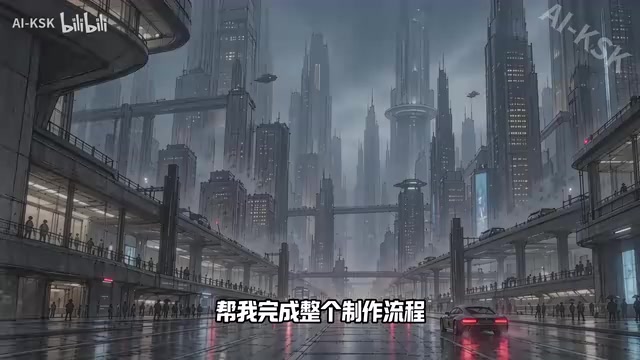
Let the Agent Be the Director: A Vision for a Fully Local AI Production Workstation
A Bilibili creator envisions building a local AI director workstation with NVIDIA RTX Spark, letting an Agent orchestrate script, storyboard, video generation, voiceover, auto-editing, and review for full AI production.

Zen Browser: The Perfect Replacement for Arc?
Zen Browser, an open-source alternative to Arc, inherits vertical tabs and sidebar workspaces while enhancing privacy and customization. This article analyzes its design philosophy, feature comparison, and community ecosystem, exploring why it's a new choice for Arc users.
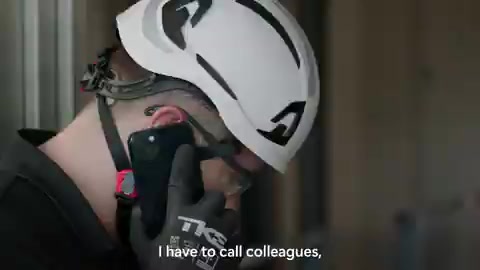
Behind a Million Elevator Maintenance Jobs: How TK Elevator Uses AI to Unlock Decades of Knowledge
TK Elevator shares in Cologne how technology gives maintenance technicians fast access to decades of shared knowledge, reducing search time and improving elevator and escalator maintenance efficiency. This article analyzes its knowledge reuse logic and implications for AI in field service.