TikTok Permanently Bans Ad Account for Musk Documentary — Why Does the Four-Hour Film Keep Facing Platform Resistance?

TikTok permanently banned the ad account for a four-hour Musk documentary, revealing the discretionary logic that ad review is stricter than content review.
TikTok permanently banned the ad account for a four-hour documentary about Elon Musk, which had already faced restrictions on multiple social platforms. The ban targets the ad account, not the film's content, reflecting that ad review standards are stricter than ordinary content review, especially for controversial figures or sensitive topics. The four-hour format also clashes with TikTok's short-video ecosystem. Multiple platforms' successive restrictions highlight their broad, opaque discretionary power as distribution gatekeepers, offering lessons for creators on diversification and compliance.
Event Recap: A Documentary and Its Protracted Tug-of-War with Social Platforms
According to an RSS source, TikTok has permanently banned the advertising account for a four-hour documentary about Elon Musk. This is not the film's first encounter with platform pushback — it had previously been restricted on multiple social media platforms. The filmmakers attempted to expand its reach through paid promotion, but TikTok's ban means that path has been completely cut off.
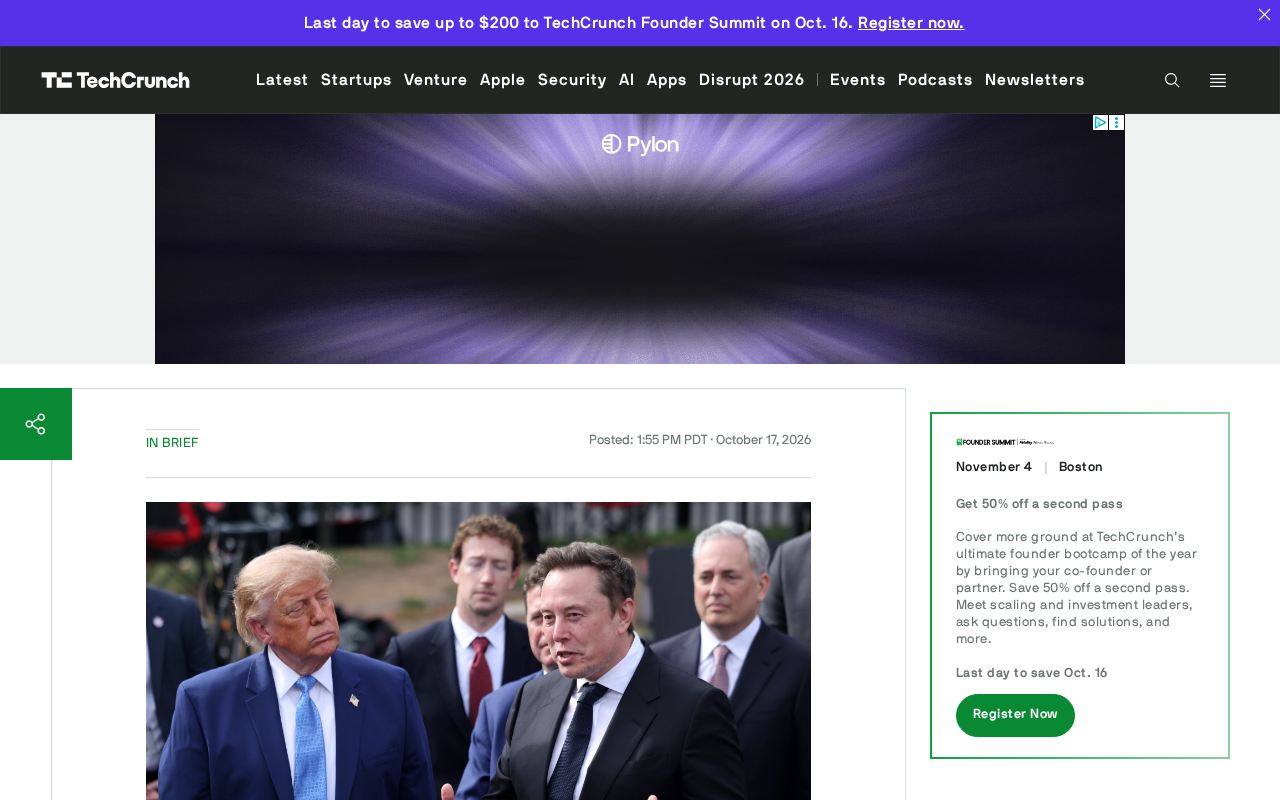
Based on the information disclosed so far, the ban targets the advertising account rather than the film's content itself. This raises a key question: is the platform enforcing content policy, or restricting the commercial dissemination of a particular viewpoint? Since TikTok has not disclosed specific reasons for the ban, observers can only look for clues in the platform's consistent advertising review logic.
Why Is the Platform Not Keen on This Documentary?
Ad Review: A Stricter Invisible Threshold Than Content Review
Social platforms' advertising review standards are typically stricter than ordinary content review. Ad placements must comply with the platform's commercial content policies, and ads involving politics, controversial figures, or sensitive topics often face heightened scrutiny. A long documentary focused on a highly controversial figure like Musk can easily run afoul of platform advertising restrictions on "controversial content."
Interestingly, banning an ad account does not mean prohibiting discussion of the film on the platform. Users may still share related content through organic traffic, but the filmmakers lose the ability to reach a larger audience through paid promotion. This approach of "discussable but not promotable" is becoming a common strategy for platforms to balance speech and commercial risk.
Mechanism Differences Between Platform Ad Review and Content Review
Social platforms typically place content review and ad review in two separate systems. Content review is based on community guidelines and primarily determines whether a post violates rules; ad review is additionally constrained by commercial content policies, requiring advertisers to prove qualifications, avoid misleading claims, and restrict sensitive categories. Ad review often employs a "whitelist" logic: controversial topics not explicitly permitted are rejected by default, and automated systems intervene before human review, resulting in highly generalized reasons for bans. Ad account bans are also often accompanied by a review of historical placement records — once risk control is triggered, the cost of recovery is extremely high. This mechanism design puts advertisers facing controversial subjects at a much higher compliance threshold than ordinary users.
Four-Hour Feature: A Mismatch Between Content Format and Platform Ecosystem
The documentary runs four hours, creating a natural mismatch with TikTok's short-video-centric ecosystem. Even if the ad had passed review, the conversion efficiency of long-form content on a short-video platform would be questionable. The platform may have commercial motives for refusing to provide ad space for a product that doesn't fit its content format, though this motive would not appear in official statements.
Ad Products on Short-Video Platforms and Compatibility with Long-Form Content
TikTok's advertising products are designed around short-video feeds, with main formats including splash ads, in-feed auction ads, and brand challenges, with creative durations typically limited to seconds or tens of seconds. A long-form documentary seeking placement would need to be edited into numerous short creatives and direct users to view off-platform, which both reduces conversion efficiency and increases the platform's concerns about external link risks. Additionally, short-video platform recommendation algorithms favor completion rates and engagement rates — even if long-form content gains exposure, it struggles to win in algorithmic distribution. Therefore, the platform's refusal to provide ad space for long-form content may stem from both commercial efficiency and ecosystem consistency considerations.
The Signal Significance of Multi-Platform Resistance
This documentary has not only clashed with TikTok. The original report noted that it "continues to encounter resistance from social media platforms," suggesting other platforms had previously taken restrictive measures. Multiple platforms successively setting limits on the same content may reflect two scenarios: either the film's content genuinely crosses the red lines of shared platform content policies, or platforms are becoming conservative when facing controversial political/figure content, preferring to tighten rather than bear public opinion risk.
Regardless of the reason, this case reveals a reality of contemporary content distribution: platforms are not just channels but gatekeepers with broad discretionary power. Even after completing content production, filmmakers may find themselves systematically weakened at the distribution stage.
Platform Discretion and the "Chilling Effect" of Content Governance
Social platforms' restrictions on controversial content often lack public, appealable detailed standards, creating de facto discretionary power. When multiple platforms successively set limits on the same content, even for different reasons, a compounding effect occurs: filmmakers are systematically deprived of paid reach, and other creators, observing the risk, may proactively avoid similar subjects. This "chilling effect" is not the result of explicit platform censorship but an indirect consequence of opaque discretionary power. Academia and regulators have in recent years continuously discussed platforms' transparency obligations in content governance, requiring platforms to disclose category statistics on ad rejections and appeal mechanisms, but progress has been limited. This case precisely demonstrates how discretionary power can affect the content ecosystem without issuing formal statements.
Implications for Content Creators and Advertisers
For documentary filmmakers and independent creators who rely on social platform promotion, this incident offers several practical lessons:
- Don't bet distribution on a single platform: An ad account ban means paid promotion channels instantly drop to zero — diversified distribution is a necessary strategy.
- Controversial subjects require anticipating review risks: For documentaries involving political figures or social controversies, research each platform's advertising policies before placement and prepare alternative promotion plans.
- Organic traffic and paid traffic follow two sets of rules: Content being shareable doesn't mean it can be advertised — the review logic of both needs to be understood separately.
- Keep records of appeals and communications: Platform ban decisions often lack detailed explanations; filmmakers should proactively seek appeal channels and preserve evidence.
The Tension Between Platform Discretion and the Content Ecosystem
TikTok's decision to permanently ban the documentary's ad account is essentially an exercise of platform discretionary power. Platforms have the right to decide which ads can be placed, but this power lacks transparency and external oversight. When what's being banned is a documentary about the world's richest person, the public has reason to ask: is this a commercial decision or content censorship?
In the short term, the filmmakers may need to turn to other distribution channels or rely on organic spread. In the long term, this case will join the case library of platform content governance controversies, becoming another footnote in discussions about "the boundaries of platform power." For observers concerned with content freedom and platform responsibility, the distribution predicament of this four-hour documentary is more thought-provoking than the film itself.
One-line Summary
TikTok permanently banned the ad account for a four-hour Musk documentary, revealing the discretionary logic that platform ad review is stricter than content review.
Paragraph Summary
TikTok has permanently banned the advertising account for a four-hour documentary about Elon Musk, which had previously faced restrictions on multiple social platforms. The ban targets the ad account rather than the film's content itself, reflecting that platform ad review standards are typically stricter than ordinary content review, with ads involving controversial figures or sensitive topics facing higher thresholds. Meanwhile, the four-hour feature naturally mismatches TikTok's short-video ecosystem, and the platform may refuse ad space for commercial efficiency reasons. Multiple platforms successively setting limits highlights platforms' broad discretionary power as distribution gatekeepers, which lacks transparency. For creators, this incident suggests the need for diversified distribution, anticipating ad review risks for controversial subjects, and distinguishing the different rules of organic versus paid traffic.
Related articles

Cursor AI Programming in Practice: Build a Student Management System from Scratch in 30 Minutes
A Bilibili creator demonstrates Cursor AI programming: generating a student management system in 30 minutes with natural language. Details on Agent mode, Claude selection, prompt techniques, and thresholds.

Top 20 AI Coding Tools Ranking: From Rock-Solid to Lackluster, a Scored Matrix
Bilibili creator releases top 20 AI coding tools ranking, tiered T0–T4 from rock-solid to lackluster, with Claude Code and Codex tied at T0. This article details the scoring dimensions (capability, reliability, robustness, durability, cost, domestic availability) and tool performances to help developers choose the right AI coding assistant.

Vibe Coding Systematic Tutorial: Master AI-Assisted Programming from Zero
A three-month Vibe Coding tutorial from a Bilibili creator covering Codex, ClaudeCode, and Cursor, from core logic to commercial project practice for beginners.