TiVo Charging for Ad-Skipping? DVR User Rights and the Digital Ownership Debate Explained
TiVo's plan to charge for ad-skipping raises critical questions about digital ownership and consumer rights.
TiVo's controversial decision to charge DVR users for skipping ads in their own recorded content has ignited debate about digital ownership, consumer rights, and the tech industry's aggressive subscription-ification trend. This article examines the business logic behind monetizing existing hardware features, the legal gray zones of digital ownership, advertising economics, and what this means for the broader tech industry.
A Controversial Business Decision
Recently, a business decision by DVR (Digital Video Recorder) manufacturer TiVo sparked widespread discussion across tech communities like Hacker News: TiVo plans to charge users for the ability to skip ads in content they recorded themselves. This decision touches on several sensitive topics — consumer rights, digital ownership, and the subscription-ification of hardware. While the discussion hasn't reached explosive levels, it reflects a concerning trend in the evolving business models of tech products that deserves attention.
DVR Technology Background: A DVR (Digital Video Recorder) is a device that converts television signals into digital format and stores them on a hard drive. Unlike traditional VHS tapes, DVRs allow users to record while watching (time-shifting), fast-forward, rewind, pause live TV, and schedule recordings. Founded in 1997, TiVo was one of the pioneers of DVR technology, and its products became hugely popular in the early 2000s thanks to their user-friendly interface and smart recommendation features. The core value of a DVR lies in returning viewing control to users, letting them watch TV content on their own schedule rather than being constrained by broadcast timetables. This 'time-shifting' capability fundamentally changed traditional TV viewing patterns.
For long-time DVR users, skipping ads has always been a taken-for-granted, fundamental feature. Users purchased the hardware device, recorded the TV shows they wanted to watch, and naturally expected full control over the recorded content — including fast-forwarding through or skipping ads they didn't want to see. Now, TiVo is putting this feature behind a paywall, essentially adding another layer of charges on top of content users already own.
The Blurry Boundaries of Digital Ownership
Do You Really "Own" What You Record?
The core controversy here is this: when users record a television signal using a device they purchased, who actually controls that recorded content? Intuitively, users are recording TV shows they've paid for through subscriptions, storing them on their own devices — they should have full authority over them.
However, TiVo's move reveals the other side of modern smart device business logic — hardware manufacturers use software-level control to re-"assetize" features that should belong to users. This mirrors recent trends in the automotive industry charging subscription fees to unlock seat heating, and software companies converting one-time purchases to subscription models. Physical ownership of a device and the right to use its features are being artificially separated.
The Legal Gray Zone of Digital Ownership: In the digital age, the concept of 'ownership' has become increasingly blurry. When you buy a DVR device and record TV shows, legally you own the physical device and the 'time-shifting right' to view programs (established by the 1984 Sony Betamax case in the U.S.), but you don't own the copyright to the content itself. To complicate matters further, modern smart devices depend heavily on manufacturer cloud services, software updates, and server support for their functionality. Manufacturers retain the right to modify, restrict, or even shut down certain features through End User License Agreements (EULA) and Terms of Service (ToS). This creates a paradox: you 'own' a device, but the right to use its core features remains in the manufacturer's hands. The EU's Digital Content Directive and the 'Right to Repair' movement in the U.S. are both attempting to rebalance this relationship, but in legal practice, manufacturers still hold enormous interpretive power. TiVo charging for ad-skipping exploits precisely this legal gray zone — technically they can do it, but whether they should is another question entirely.
From Free Feature to Paid Subscription
The real-world dilemma facing DVR manufacturers like TiVo is that the traditional DVR market has shrunk dramatically as streaming services have proliferated. Platforms like Netflix and Disney+ have already changed viewing habits, and demand for traditional TV recording has dropped significantly. Against this backdrop, manufacturers are trying to extract more revenue from their existing user base, and charging for ad-skipping is a product of this strategy.
Market Contraction Under Streaming's Impact: Since the mid-2010s, the rise of streaming platforms like Netflix, Hulu, and Disney+ has completely reshaped the video consumption landscape. The on-demand viewing, ad-free (or minimal ad) experience, cross-device syncing, and original content offered by streaming services essentially provide a superior user experience compared to DVRs. According to market research data, U.S. household DVR usage rates have declined from a peak of approximately 50% in 2014 to less than 30% in 2023, and continue to fall. The precipitous drop in traditional cable TV subscribers (commonly known as 'cord-cutting') has further eroded DVR's potential market. TiVo's revenue fell from approximately $400 million in 2014 to under $200 million in recent years, and the company was even acquired and restructured in 2020. In this context, extracting more value from the existing user base has become a survival strategy for TiVo.
The problem is that this "draining the pond to catch the fish" approach to monetization will likely accelerate user attrition. When a core feature that was once free suddenly becomes a paid item, users feel not just a financial burden, but a sense of betrayal.
The Tug-of-War Between Ad Economics and User Experience
The Natural Tension Between Advertisers and Users
Behind the ad-skipping charges lies another layer of advertising economics. TV advertisers pay to place ads with the fundamental expectation that viewers will watch them in full. When DVRs make it easy for users to skip ads, they effectively undermine the value of ad placements. So from the advertising ecosystem's perspective, TiVo's ad-skipping fees may also represent an attempt to find a new equilibrium with advertiser interests.
The Predicament of TV Advertising Economics: The traditional TV advertising business model was built on 'forced exposure': advertisers paid TV networks based on program ratings (estimated through sampling surveys by firms like Nielsen), assuming viewers would watch ads in their entirety. This model was fundamentally challenged by the advent of DVRs. Research shows that DVR users skip ads at rates of 60-80%, meaning actual ad reach is far lower than nominal ratings. To address this, the TV industry developed C3/C7 metrics (viewership including ad viewing within 3/7 days of broadcast) as new billing standards. Advertisers also began demanding more precise effectiveness measurement, driving the development of product placement, sponsored content, and other new formats. TiVo's charges for ad-skipping may in part be a response to pressure from the advertising ecosystem, attempting to find a new balance between user experience and ad value — though this balance tips heavily toward commercial interests rather than user rights.
However, passing advertisers' interests along to users who have already paid for both devices and content is clearly an imbalanced distribution of costs. Users have already contributed value by subscribing to TV services and purchasing DVR hardware. Now they're being asked to pay extra for the basic freedom of "not watching ads."
SkipMode Technology Weaponized Against Users
You may not have noticed, but skipping ads incurs virtually zero additional technical cost — it's simply a fast-forward operation. TiVo even used its SkipMode feature — which automatically identifies ads and skips them with one button press — as a core selling point to attract hardware buyers. Now charging for this already-mature technical feature is essentially monetizing users' dependency on existing functionality, a practice that raises serious ethical questions.
SkipMode Technology Explained: SkipMode was an automatic ad detection and skipping technology that TiVo launched in 2016. The technology uses audio fingerprinting, video content analysis, and machine learning algorithms to automatically detect ad segment boundaries in recorded content. When users watch a recorded show, a 'Skip' button appears on screen, allowing them to jump past the entire ad break and straight to the program content with a single press. This technology relies on TiVo's cloud servers pre-processing and analyzing popular shows, then pushing ad timestamp data down to user devices. From a technical cost perspective, this mainly involves one-time R&D investment and ongoing cloud service maintenance costs, with extremely low marginal costs. When TiVo originally launched this feature, it was positioned as a selling point for premium subscriptions, though it also led to legal disputes with broadcast TV networks.
What the Subscription Trend Means for the Tech Industry
"Subscribe to Everything" Shouldn't Cross User Boundaries
The TiVo case is a microcosm of the tech industry's broader "subscribe to everything" trend. In recent years, from smart home devices to automobiles, more and more manufacturers have attempted to transform hardware products into vehicles for ongoing subscription revenue. Within reasonable bounds, this model can indeed generate stable income — but once it crosses users' psychological red lines, especially when charging for previously free features, it triggers fierce backlash.
The Industry Trend of Software-Locking Hardware Features: A notable trend has emerged in the tech industry in recent years: locking and tiering hardware product features through software layers, then using subscription models to unlock them. Typical examples include Tesla charging software unlock fees for acceleration performance and rear seat heating in hardware that's already installed; BMW's 2022 attempt to charge monthly fees for seat heating (later abandoned due to strong opposition); and Apple and Adobe converting one-time purchase products to subscription models (e.g., Adobe Creative Cloud, Microsoft 365). The business logic behind this model is transforming one-time hardware sales revenue into ongoing Recurring Revenue, improving company valuation and cash flow stability. But when this model is applied to features that already exist for free, or to what users consider basic rights, it inevitably sparks ethical controversy over 'paying to unlock what you already have.'
User Trust Is the Real Long-Term Asset
For any tech company, user trust is a long-term asset that is extremely difficult to rebuild once lost. If TiVo insists on pushing this charging policy, it may generate some revenue in the short term, but in the long run, it will likely further erode user loyalty to the brand and accelerate its marginalization in the streaming era.
Truly sustainable business models should be built on creating incremental value for users, not on forcing monetization by locking down existing features. When a company starts charging users for basic features that should be free, it often signals that the company has fallen into an innovation slump.
Conclusion
TiVo's decision to charge for ad-skipping may seem like a minor business adjustment for a niche DVR product, but it actually touches on profound questions about ownership, user rights, and business ethics in the digital age. When users have purchased a device, subscribed to a service, and recorded content, yet still can't freely control the basic act of "whether to watch ads," we must re-examine: in an era where software defines everything, what do consumers truly own?
This may be the most thought-provoking question that the TiVo incident leaves for the entire tech industry.
Related articles
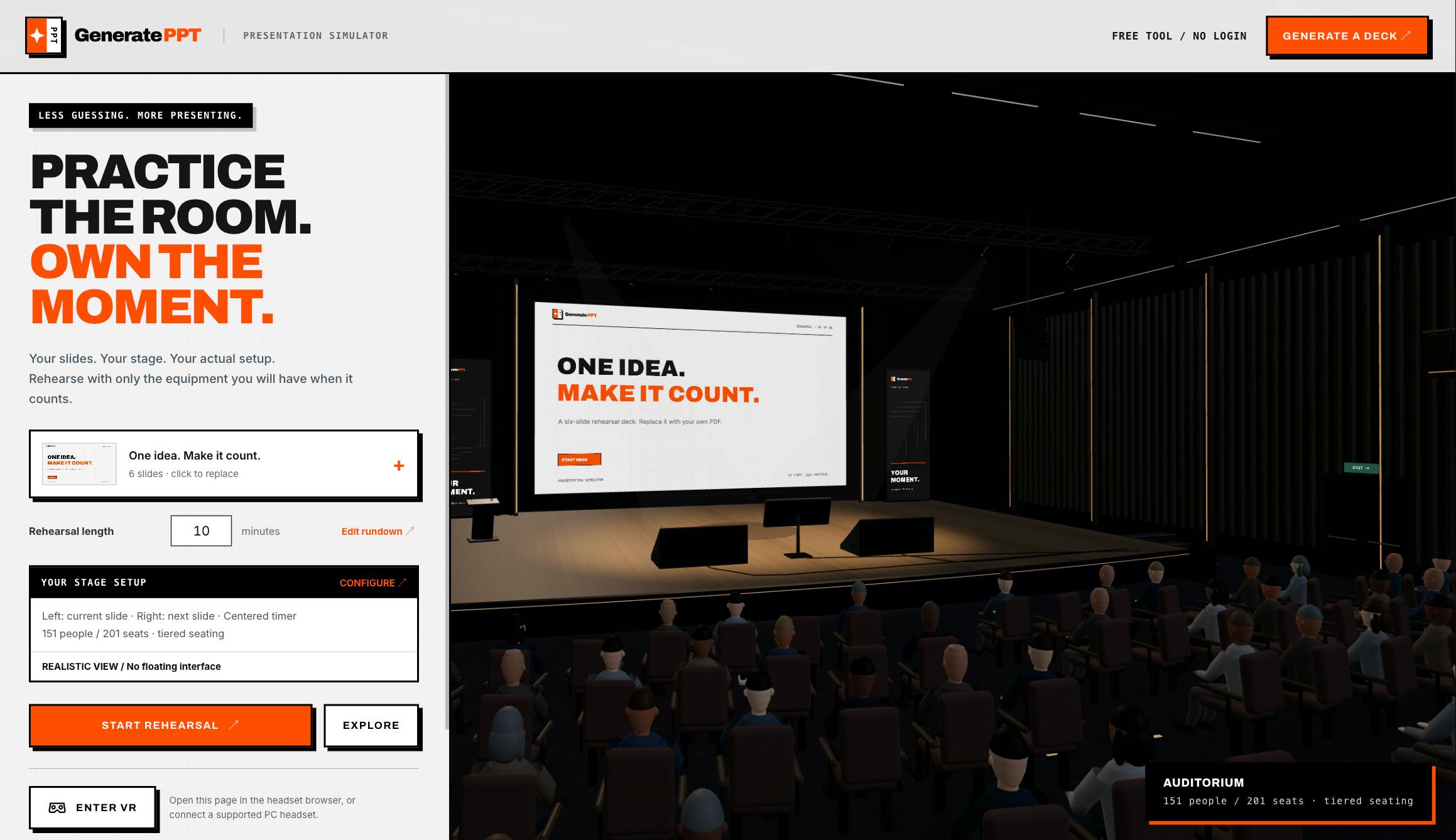
VR Public Speaking Simulator: Practice Your Presentation Skills Right in Your Browser
Public Speaking VR Simulator is a WebXR-based speech practice tool supporting both browsers and VR headsets. Upload slides and rehearse on configurable virtual stages to effectively reduce speaking anxiety.

MCPHub: The AI-Native Launchpad That Uses One MCP to Discover All MCP Servers
MCPHub is an AI-native MCP server discovery tool indexing ~4,000 servers with one-click Cursor, Claude, and VS Code integration for search, config, and stacks.
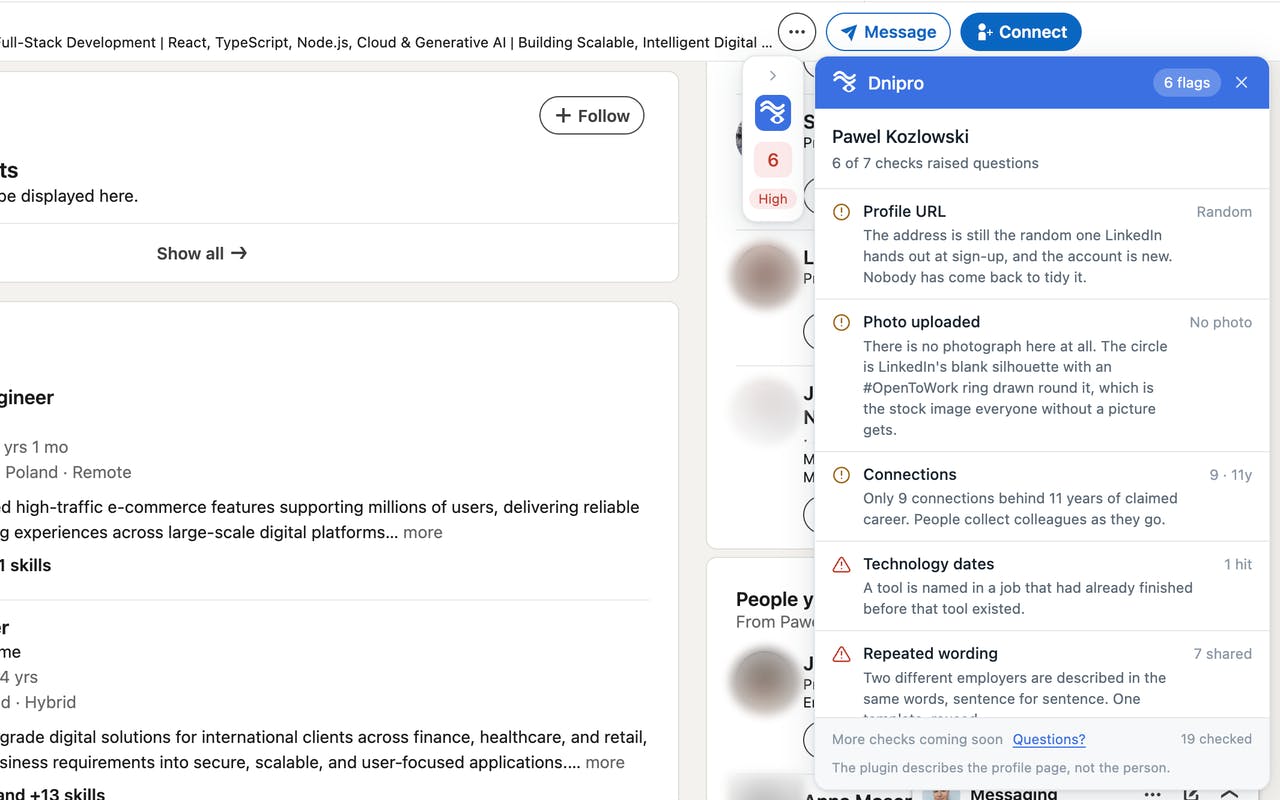
Dnipro: A Chrome Extension That Detects Fake LinkedIn Accounts with One Click
Dnipro is a free, open-source Chrome extension that quickly identifies fake LinkedIn accounts using seven detection mechanisms. Ideal for HR screening and business verification.