Tmall Double 11's Million-Brand Battle: AI and Flagship Stores Emerge as Key Words
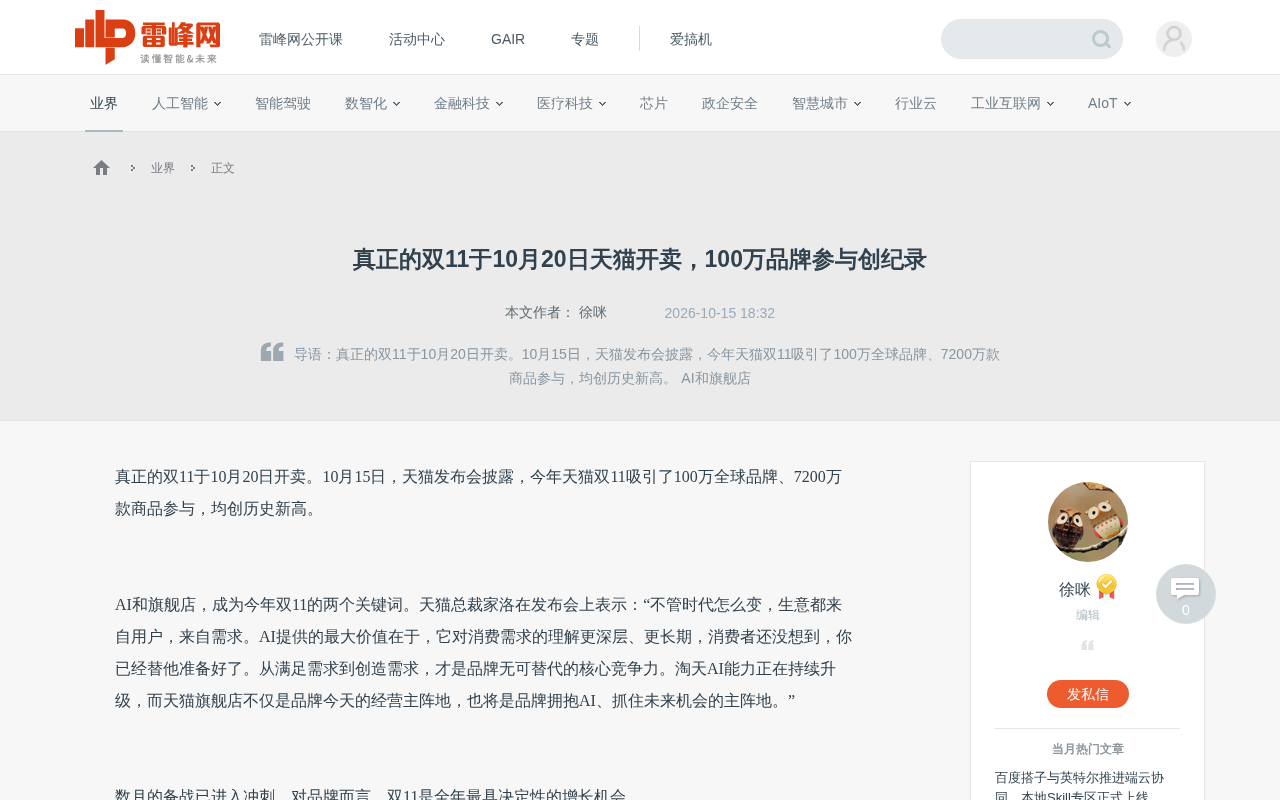
Tmall Double 11 sets records with 1 million brands and 72 million products, with AI and flagship stores as the two key words.
On October 15, the Tmall press conference announced that Double 11 will officially go on sale on October 20, setting a historic record with 1 million global brands and 72 million products. The article points out that AI and flagship stores have been clearly positioned as the two key words of this year's Double 11, marking a shift in e-commerce mega-sales from traffic-driven to technology-driven. Tmall President Jia Luo said AI's greatest value is evolving from meeting demand to creating demand, while flagship stores serve the dual role of trading venue and AI testing ground. Apple's iPhone Duo foldable chose Tmall Double 11 for its debut and added more than 20 authorized stores; newly entered ALO achieved nearly RMB 200 million in sales in its first week; and large model vendors such as Zhipu and MiniMax also clustered onto the platform. On the channel side, Haier connected flagship stores with offline stores; on the supply chain side, more than 100 million imported products have been stocked.
Tmall Double 11 Kicks Off: A New AI Battlefield with 1 Million Brands and 72 Million Products
On October 15, the Tmall press conference announced that the real Double 11 will officially go on sale on October 20. This year's Tmall Double 11 has set a historic record with a scale of 1 million global brands and 72 million products. You may not have noticed, but AI and flagship stores have been explicitly named as the two key words for this year's Double 11, marking a deep transformation of e-commerce mega-sales from traffic-driven to technology-driven.
According to the press conference, in the month before the sale began, the number of merchants launching new products on Taobao and Tmall increased by 64% year over year, and 60,000 new merchants participated in Double 11 for the first time. Behind these figures is a fundamental reconstruction of how the platform understands consumer demand.
AI: Evolution from Meeting Demand to Creating Demand
Tmall President Jia Luo said at the press conference: "No matter how the times change, business comes from users, from demand. The greatest value AI provides is that it understands consumer demand more deeply and over a longer horizon. Before consumers have even thought of it, you have already prepared it for them. From meeting demand to creating demand—that is the irreplaceable core competitiveness of a brand."
This judgment reveals a core shift in the logic of AI application on e-commerce platforms. In the past, recommendation algorithms mainly solved the efficiency problem of "people finding goods"; now, AI is beginning to try to predict and even shape consumer demand. The continuous upgrading of Taotian's AI capabilities is positioned as the main battlefield for brand operations—which highlights the dual role of Tmall flagship stores: they are both the current trading venue and a testing ground for brands to embrace AI and capture future opportunities.
Jia Luo emphasized: "AI understands consumers better, and also understands merchants better, and can bring us distinctive value." This statement elevates the value of AI from the tool level to the strategic level, suggesting that the platform is trying to reconstruct the way brands and consumers connect through AI.
Flagship Stores: The Core Battleground for New Brands Entering China and the Debut Economy
The status of flagship stores as the main battlefield for brand operations has been strengthened in this year's Double 11. Apple expanded its cooperation with Tmall last month, adding more than 20 authorized stores. The iPhone Duo foldable phone chose to make its debut during Tmall Double 11, and the iPhone 18 Pro series has also been confirmed to participate in platform discounts. This Double 11, brands brought a total of 50,000 super products, as well as 2,000 Tmall-exclusive flagship store "surprise gift box" items.
On the new brand front, ALO, the yoga apparel brand that has just entered China, has confirmed its participation in its first major promotion in China. In August this year, ALO opened an exclusive store on Tmall. In the first week after opening, sales reached nearly RMB 200 million, producing 2 ten-million-level and 24 million-level hit products. The ALO case shows that Tmall flagship stores have become the preferred springboard for international brands entering the Chinese market.
It is worth noting that major model manufacturers such as Zhipu and MiniMax have also clustered onto Tmall. Behind the joke before Double 11 that "you can stock up on tokens now" is the signal that large model services are entering mainstream e-commerce channels as a new type of product category.
Debut economy refers to the economic effect formed when a brand launches a new product to the market for the first time. Its core lies in the scarcity and topicality brought by "first time." In the e-commerce context, the debut economy usually manifests as new products being sold exclusively or preferentially on a specific platform, thereby concentrating traffic, generating buzz, and testing market response. For international brands, choosing to debut during a high-traffic node such as Tmall Double 11 can not only leverage the platform's promotional momentum to reduce customer acquisition costs, but also quickly judge the acceptance of the Chinese market through debut data, providing a basis for subsequent distribution and marketing strategies. The choice of the iPhone Duo foldable phone to debut during Tmall Double 11 is a typical embodiment of this logic: the platform needs exclusive hit products to consolidate its position as the main battlefield, while the brand needs a starting point that combines sales and exposure, creating a resonance of interests between both sides.
ALO Yoga (short for Air, Land, Ocean) is a high-end yoga and active lifestyle brand from Los Angeles, USA, known for its "studio-to-street" dressing philosophy. Both its pricing and positioning are higher than traditional sports brands, and it is often regarded as a direct competitor to lululemon. Its path choice for entering the Chinese market is representative: rather than building its own independent e-commerce site, it first tested the waters by opening an exclusive Tmall flagship store. The result of nearly RMB 200 million in sales in the first week after opening, with 2 ten-million-level and 24 million-level hit products, shows that high-end vertical brands still have considerable room for consumption upgrading in China, and also verifies Tmall's channel value as a "springboard into China."
Omnichannel Integration and Supply Chain Preparation
On the channel side, Haier has connected its official flagship store with offline stores on Tmall, coordinating 33 regions nationwide in advance. Fifteen major series and more than 170 new products from the flagship store have simultaneously entered Tmall Youpin stores, implementing the same goods, same prices, and same rights. Consumers can experience products at nearby stores while also enjoying Tmall discounts. This online-offline integration model extends the flagship store's reach from online to physical scenarios.
On the supply chain side, more than 100 million imported products from over 80 countries and regions around the world have entered more than 100 warehouses of Tmall Global located in domestic bonded zones and overseas. This stocking scale shows the platform's continued bet on imported consumer demand.
Large model tokens are the basic unit of measurement for large language models processing text. Models are billed by token count, so tokens in the AI industry are equivalent to "usage" and "cost." The fact that manufacturers such as Zhipu and MiniMax have entered Tmall and adopted the joking phrase "you can stock up on tokens now" essentially packages API call quotas as pre-sellable, stockpilable goods. This phenomenon has two layers of significance: first, AI computing power and services are expanding from B2B subscriptions for developers to standardized goods for ordinary consumers, entering mainstream e-commerce shelves; second, stocking up on tokens means users expect future usage to continue growing, and also means manufacturers are willing to lock in cash flow and users in advance through prepayment. For large model manufacturers, Double 11 provides not only sales, but also a brand awareness education aimed at the general public, pushing what was originally a niche developer tool to a broader consumer audience.
Brand Showdown: The Most Decisive Growth Opportunity of the Year
Months of preparation have entered the sprint stage. For brands, Double 11 remains the most decisive growth opportunity of the year. The scale of 1 million participating brands means the intensity of competition is escalating simultaneously, and AI capabilities and flagship store operation levels will become the key variables for brands to break through.
From meeting demand to creating demand, Jia Luo's remarks may have pointed to the deeper theme of this year's Double 11: when AI begins to "prepare" for consumers demands they have not yet realized, a brand's core competitiveness will no longer be just the product itself, but the speed of anticipating and responding to consumer trends. This e-commerce battle involving a million people is becoming the largest-scale test of AI technology landing in consumer scenarios.
Related articles
The LLM Price War: Why Did OpenAI and Anthropic Cut Prices by 80%?
OpenAI and Anthropic cut LLM prices by up to 80% in months. This article analyzes the competition, technology costs, business model shifts, and industry impact behind the price war.
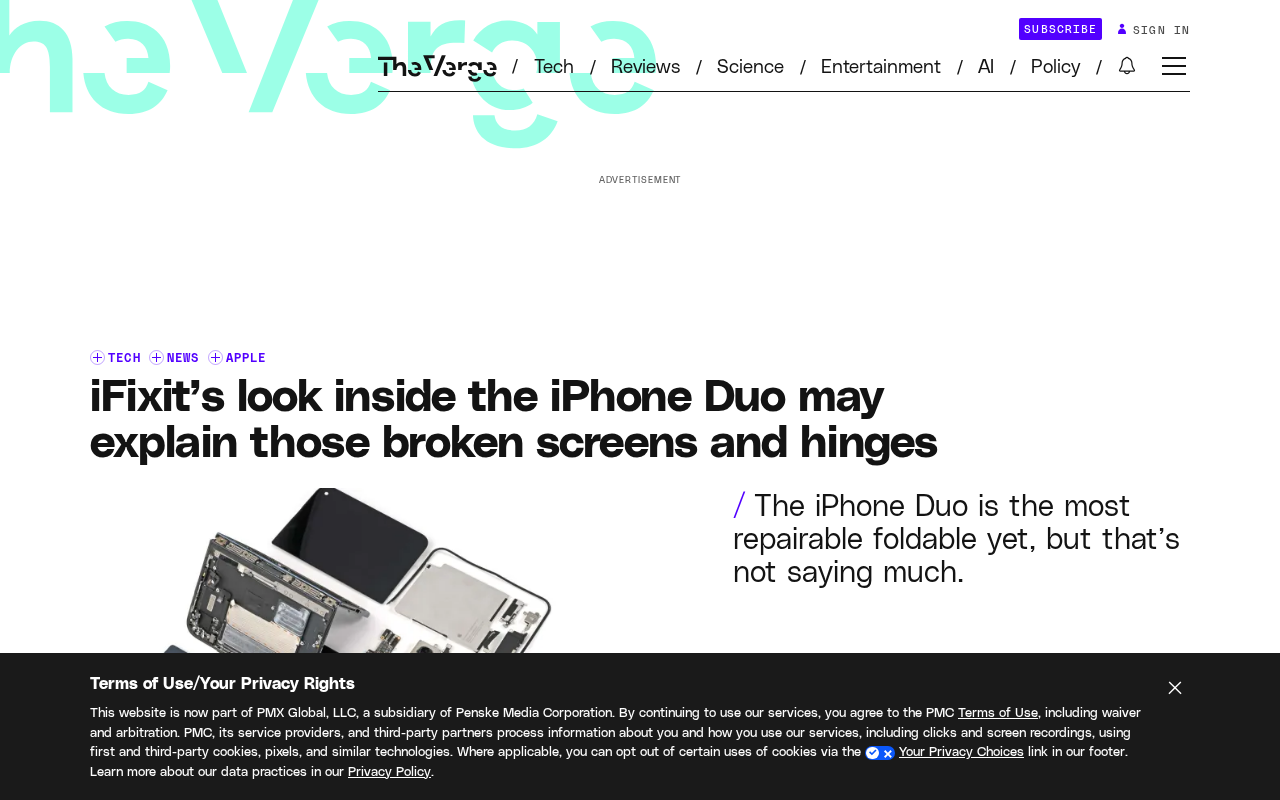
iFixit Teardown of iPhone Duo: Uncovering Foldable Screen Crease and Hinge Flaws
iFixit tears down the iPhone Duo, revealing crease-hiding technology and hinge design, giving a 5/10 repairability score, and analyzing screen and hinge damage causes and impacts on users.
Long Computers, Short AI Infrastructure: One Investor's Contrarian Logic
An investor on Hacker News argues for being long computers but short the AI infrastructure boom. We unpack why technological certainty and capex returns are two different things.