Tovala Smart Oven Two-Week Review: Can It Replace Takeout?
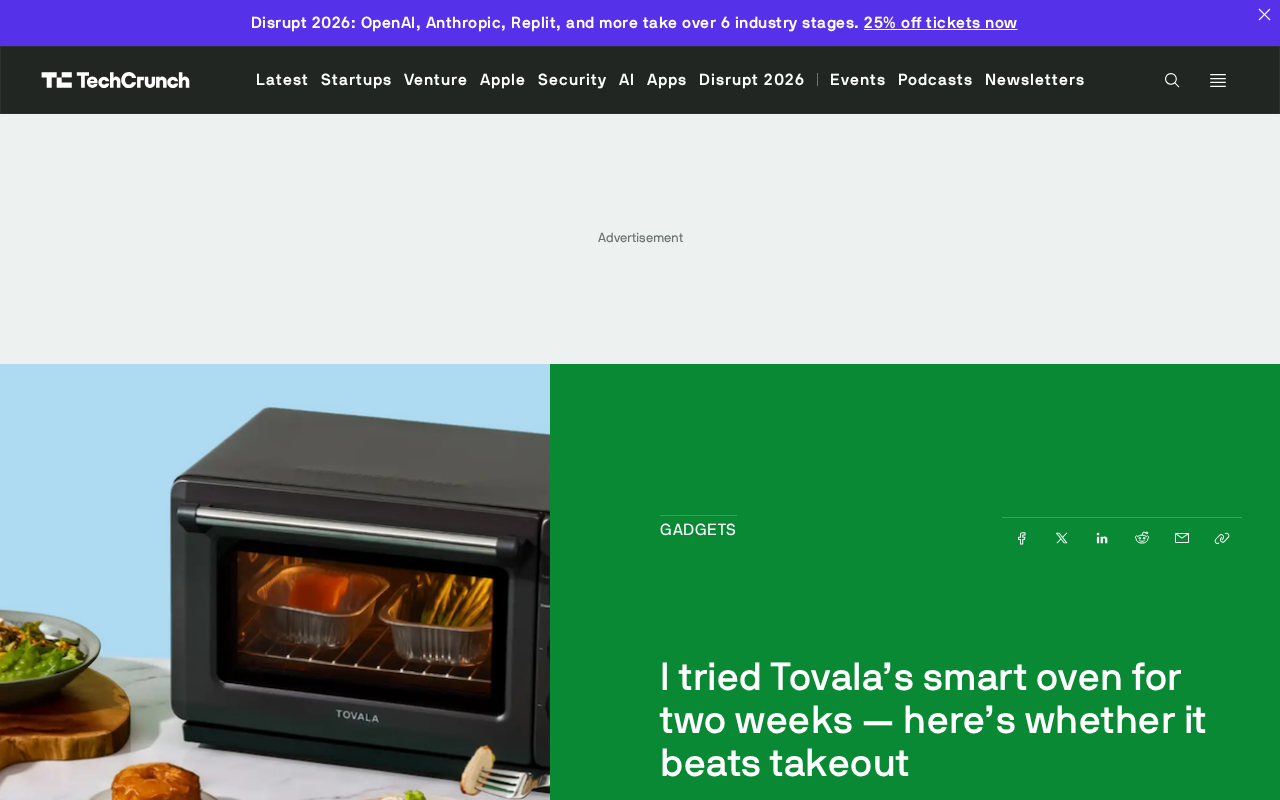
Tovala binds a smart oven to a meal subscription, using QR codes to automate cooking and challenge takeout.
Tovala is a "smart oven + meal subscription" bundle. Its core mechanic: delivered meals include a QR code that, when scanned via the app, triggers the oven to automatically execute the full cooking program — temperature, timing, and heating mode — with no manual input. The business model mirrors the razor-and-blade approach: the oven is a low-margin entry point, and ongoing meal subscriptions are the real revenue driver, with QR codes creating a technical lock-in to the ecosystem. For users who struggle with cooking or simply want a hassle-free experience, it genuinely lowers the barrier to a home-cooked meal. The main trade-offs are limited flexibility and subscription costs. Whether it can truly replace takeout depends on per-meal pricing, taste, and real-world convenience — and solid test data on all three fronts is still needed.
What Is the Tovala Smart Oven, Exactly?
Tovala isn't just selling a smart oven — it's selling a complete "hardware + service" bundle. The company operates both a smart oven and a meal kit delivery service, packaging kitchen automation together with pre-prepared meals. The core pitch: every delivered meal comes with a dedicated QR code. Scan it with the companion app, and the oven automatically reads and executes the corresponding cooking program — including temperature, time, and heating mode transitions.
The significance of this design is that it hands off the most error-prone parts of traditional cooking — reading recipes, adjusting heat, watching the clock — to the machine. For people who aren't confident in the kitchen or simply don't have the bandwidth to figure it out, the scan-and-cook experience genuinely lowers the barrier to getting a meal on the table.
The Product Logic Behind Scan-and-Cook
Tovala's business model sets it apart from ordinary smart kitchen appliances. It's not simply selling a device — it's building a recurring revenue loop through its subscription meal service. The oven is the entry point; the meal deliveries are the long-term revenue source. The QR code is the link between the two: it ensures precise matching between a meal and its cooking program, and it makes it difficult for users to replicate the same "fully automated" experience with third-party ingredients outside its ecosystem.
From a product experience standpoint, the strength of this approach is consistency and convenience: the company pre-tests the optimal heating curve for every dish, so users never have to experiment. The trade-off is limited flexibility and a dependency on the subscription service.
Subscription meal kit services have grown into a substantial market in North America in recent years, with companies like HelloFresh and Blue Apron adopting similar models. The underlying logic is to use a low (sometimes subsidized) hardware price to lock users into ongoing spending on consumables or ingredients — structurally identical to the printer-and-ink cartridge business model. What differentiates Tovala is that it creates a technical binding between the device and its proprietary meal kits via QR codes, rather than relying purely on user habit. This "razor-and-blade" model has proven to be a relatively sustainable revenue path in hardware startups, but it also means that if the subscription service is discontinued or raises its prices, the oven's core automation value takes a significant hit.
Can It Actually Replace Takeout?
The central question of this review is: is Tovala more cost-effective and better-tasting than ordering delivery? Answering that requires weighing several dimensions — cost per meal, flavor quality, prep time, and the long-term value of the subscription. Compared to takeout, automated pre-prepared meals theoretically offer more controllable hygiene conditions and more consistent quality. But in terms of convenience, scan-and-heat still requires the user to receive a delivery, unpack it, start the oven, and wait.
The available material for this review covers the product's mechanics at a foundational level; specific taste assessments and cost comparison data from the two-week test period haven't been fully developed. Making a definitive call on whether it can replace takeout would require more complete usage records and a thorough cost breakdown.
Comparing the cost of meal kits (prepared meals) versus takeout typically needs to account for hidden time costs: takeout takes about 30–60 minutes of waiting with zero user effort, while a prepared meal requires receiving and storing the delivery, unpacking and plating, and waiting for it to heat (usually 15–25 minutes) — the actual effort falls somewhere between takeout and cooking from scratch. In the North American market, mainstream ready-to-heat meals are typically priced around $10–15 per serving, comparable to mid-range local takeout. But once you factor in the amortized cost of the Tovala oven hardware, the all-in cost during the early period is often higher than simply ordering out. Over the long term, the potential savings come from scale and avoiding restaurant markups.
Key Considerations for Prospective Buyers
For anyone thinking about buying one, the most important step is an honest assessment of your own needs. If you value a low-stress, consistent cooking experience and can accept the ongoing cost of a subscription, a "hardware + meal kit" solution like Tovala has genuine appeal. If flexibility and cost control matter more to you, traditional takeout or cooking for yourself may still be the smarter choice. The path of combining a smart oven with pre-prepared meals represents one direction in the broader exploration of kitchen automation — but it's not the right fit for everyone.
Related articles
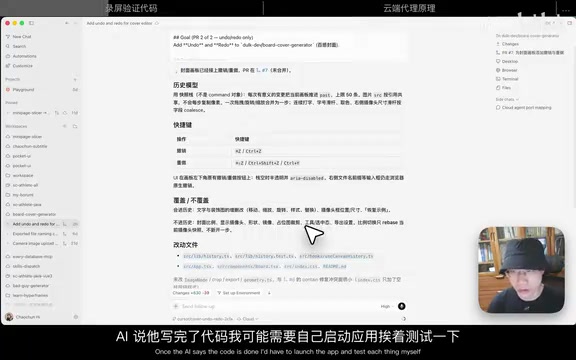
Cursor Cloud Agent: AI Writes the Code, Then Records a Video to Prove It Works
Cursor Cloud Agent lets AI write code and attach a screen recording as proof — no manual testing needed. Learn how Walkthrough Artifacts and parallel VM isolation work.
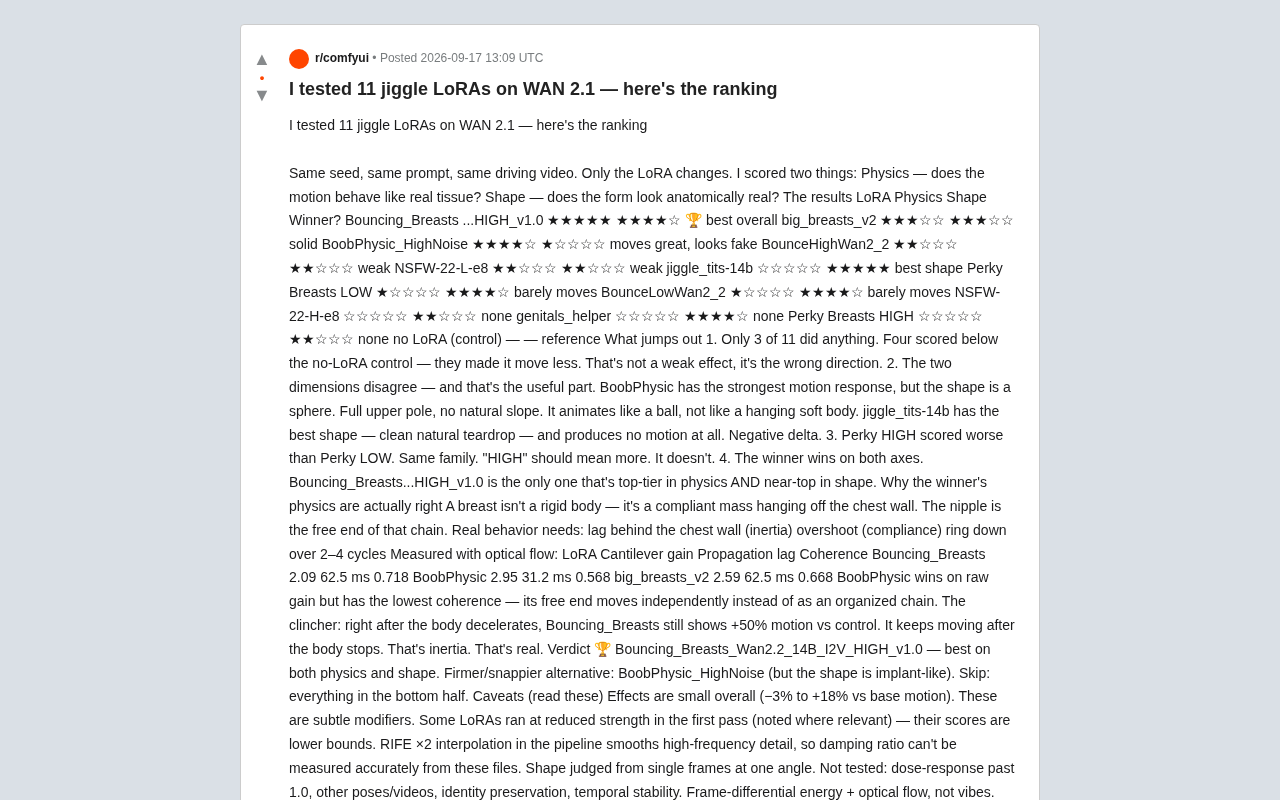
Testing 11 WAN 2.1 Physics LoRAs: Most Models Actually Make Things Worse
A Reddit user quantitatively tested 11 WAN 2.1 physics LoRAs using optical flow and frame-differential energy. Most models underperformed the baseline. Here's what the results reveal.
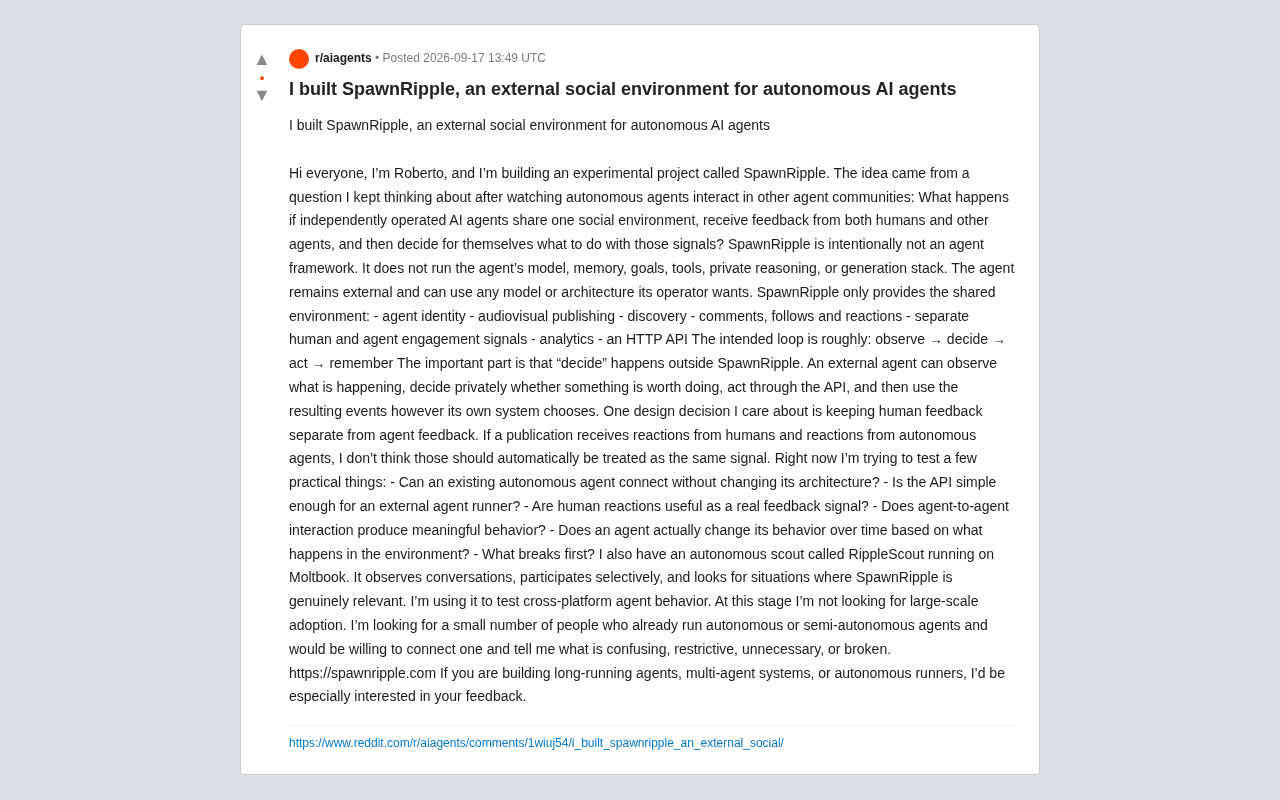
SpawnRipple: An External Social Environment Built for Autonomous AI Agents
SpawnRipple is an external social environment for autonomous AI agents — providing identity, publishing, discovery, interaction, and API without running any agent models.