Two U.S. Cities Move to Ban Foie Gras: The Animal Cruelty Debate Resurfaces

Washington, D.C. and Denver may ban foie gras, reigniting the ethical debate between gastronomy and animal welfare.
Foie gras, made by force-feeding ducks until their livers expand six to ten times their natural size, faces bans in Washington, D.C. and Denver after several cities and California. Supporters call it humane; opponents cite esophageal damage and breathing difficulties. Investigations into the largest U.S. producer allegedly documented bleeding, injured ducks in cramped enclosures. Yet bans may have limited overall impact, as foie gras is a niche luxury and chicken and turkey farming may be more inhumane.
What Is Foie Gras and Why Does It Spark Controversy?
Foie gras, literally "fatty liver" in French, refers specifically to duck liver that has been enlarged to six to ten times its natural size through force-feeding with metal tubes during the final weeks of a duck's life. This process gives foie gras its signature buttery texture, but it has also ignited fierce animal welfare debates.
Washington, D.C. and Denver, Colorado may soon join the ranks of jurisdictions banning the sale of foie gras. Several U.S. cities and the state of California have already implemented similar bans. According to polling data, these two cities are poised to become the next to take action.
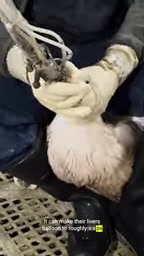
Gavage (force-feeding) is the core procedure in foie gras production. Producers insert a long metal tube through the duck or goose's beak into the esophagus two to three times daily, pumping large quantities of high-calorie grain paste—typically corn—directly into the crop or stomach. This process continues throughout the final two to three weeks of the animal's life, with the explicit goal of artificially inducing hepatic steatosis. The volume of food administered far exceeds what the animal would consume voluntarily, and this is precisely where the animal welfare controversy lies. Major producing countries like France regard it as a traditional agricultural craft, while critics argue it is essentially a systematic force-feeding practice.
Core Points of Disagreement Between Supporters and Opponents
Foie gras producers and high-end chefs insist that force-feeding is not inhumane. They argue that ducks' unique physiology allows them to swallow fish whole and to consume large amounts of food before seasonal migration.
But veterinarians and animal welfare experts counter that this does not mean force-feeding is painless. On foie gras farms, birds are forced to consume far more food than they would naturally eat in the wild, and studies have found that force-feeding can cause esophageal damage and irritation. Forced overfeeding also makes ducks overweight, making it difficult for them to move or even breathe.

Fatty liver and hepatic steatosis are key to understanding the physiology of foie gras. The essence of foie gras is not ordinary fat accumulation, but a pathological state resembling fatty liver disease induced in ducks or geese through overfeeding. Before natural migration, waterfowl do briefly accumulate liver fat to fuel long-distance flights. But industrial production takes this seasonal, temporary physiological process to an extreme, causing the liver to expand to six to ten times its natural size in a short period. Veterinarians note that this rapid expansion compresses surrounding organs, impairs breathing and circulation, and may be accompanied by inflammation and cellular damage.
What Investigations Have Revealed About Farm Conditions
An investigation into Hudson Valley Farms, the largest foie gras producer in the United States, allegedly documented ducks bleeding, suffering injuries, and being confined in cramped, barren enclosures. These allegations have further intensified public skepticism toward the foie gras industry.

Can Bans Truly Reduce Animal Suffering?
A key question remains: can banning foie gras significantly reduce farm animal suffering? The answer may be no. Foie gras is a luxury product, served at only a tiny fraction of American restaurants. Some argue that chicken and turkey production is even more inhumane than foie gras.
But animal rights advocates contend that force-feeding is uniquely cruel and that banning foie gras is politically feasible. Multiple U.S. cities and California have already prohibited its sale, and polling suggests Washington, D.C. and Denver may follow suit.
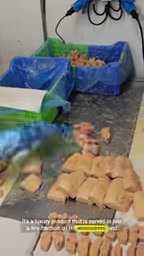
The feasibility trade-off in animal welfare policy is another dimension of this debate. The foie gras industry is small and concentrated in high-end dining, making the economic and political costs of a ban relatively low. By contrast, the chicken and turkey industries are massive, with complex supply chains involving millions of jobs and low-cost protein supply, making regulation far more difficult and political resistance much higher. Animal rights advocates have therefore chosen foie gras as a strategic entry point, hoping to use a highly symbolic, easily mobilizable issue to push for broader farming reform. But this strategy also faces criticism: if only the most visible luxury product is banned while the suffering of larger-scale industrial farming is ignored, the overall improvement in animal welfare may be limited.
Deeper Reflections
The foie gras ban debate reflects a broader animal welfare dilemma: should we focus only on the most extreme forms of cruelty, or should we re-examine the entire industrial farming system? Regardless of the final decisions in Washington, D.C. and Denver, this debate forces us to consider the ethical boundary between culinary enjoyment and animal suffering.
One-line Summary
Washington, D.C. and Denver may ban foie gras sales, reflecting the ethical clash between gastronomy and animal welfare.
Paragraph Summary
Foie gras is a traditional French delicacy made by force-feeding ducks until their livers expand to six to ten times their natural size, and it faces bans in multiple U.S. cities over animal welfare concerns. Washington, D.C. and Denver may become the next cities to ban sales, following several cities and California. Supporters claim ducks' unique physiology makes force-feeding humane; opponents point to esophageal damage and breathing difficulties. An investigation into the largest producer, Hudson Valley Farms, allegedly documented ducks bleeding, injured, and confined in cramped enclosures. However, bans may have limited overall impact on reducing farm animal suffering, since foie gras is a luxury served at only a small fraction of restaurants, and chicken and turkey production may be even more inhumane. Animal rights advocates argue force-feeding is uniquely cruel and bans are politically feasible, with polling suggesting Washington, D.C. and Denver may follow. This debate forces reflection on the ethical boundary between culinary pleasure and animal suffering.
Related articles

Build an AI Super Employee System at Zero Cost: A Full Breakdown of Automated Agent Workflows
A deep breakdown of the AI super employee system demoed on Bilibili: agent orchestration, digital human voiceovers, map and enterprise lead generation, 24/7 customer service, and legal modules. We analyze the business logic and compliance risks behind zero-cost signup to help entrepreneurs judge the real ROI of this AI digital employee system.

The Essential Difference Between Chatbots and AI Agents: Crossing from Conversation to Execution
What's the difference between a chatbot and an AI agent? Based on the MCP series on the Learn Tech channel, this article uses examples like booking flights and summarizing notes to explain: a chatbot only gives answers, while an agent actually completes tasks through a think-act-observe loop. It breaks down the four core components—model, tools, memory, and goal—as well as MCP's role as a bridge, and discusses agents' applicable boundaries and permission risks.

Free GitHub Repo: 342 Hours of AI Courses, from Math to MCP Servers
A free GitHub repo offers 342 hours of AI courses: 523 lessons across 20 phases, from math fundamentals to agent building and MCP servers. Nearly 100,000 learners have started.