U.S. Counter-Terrorism List Makes Privacy Service Domain Vanish Instantly: The Centralization Risk of Domain Governance
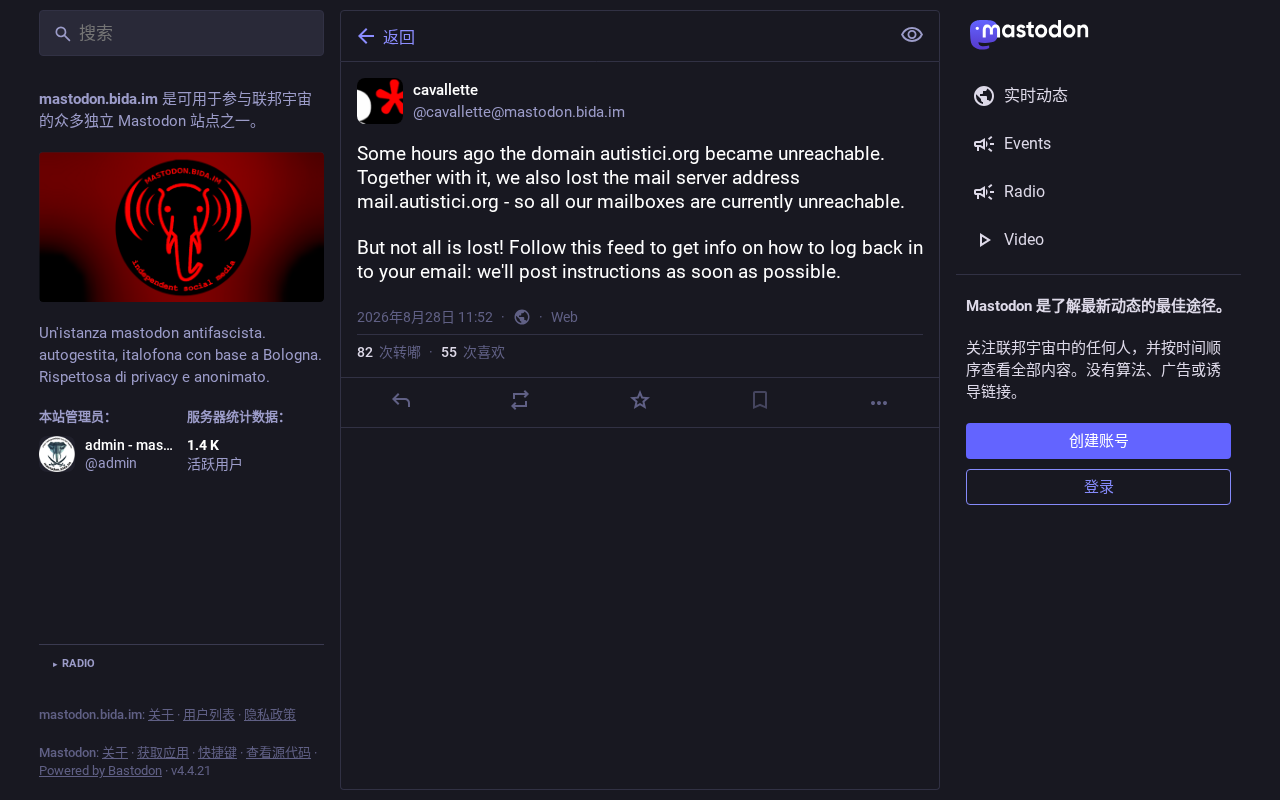
A U.S. terrorism designation instantly disabled an Italian privacy service's .org domain, exposing DNS centralization risks.
Italian privacy collective Autistici/Inventati had its .org domain suddenly severed after a U.S. counter-terrorism designation. This incident highlights how the centralized governance of DNS and top-level domains under U.S. jurisdiction creates single points of failure that can be exploited for censorship, even against organizations with no U.S. presence. The case reignites debates over dual-use technology regulation and the urgent need for decentralized naming alternatives.
Privacy Service Domain Suddenly Becomes Inaccessible: What Happened
Recently, the well-known Italian digital privacy and free communication service provider Autistici/Inventati (abbreviated as A/I) experienced a severe operational disruption — its primary .org domain suddenly became inaccessible. According to discussions on Hacker News, the direct trigger for this incident was a terrorism designation from the United States.
For activists, journalists, and ordinary users who have long relied on A/I's anonymous email, encrypted communication, and privacy hosting services, the impact was immediate. When a domain is cut off at the DNS level, the outside world can no longer access it through its familiar address — regardless of whether the data and services on the underlying servers remain intact.
DNS (Domain Name System), as a critical component of internet infrastructure, is responsible for translating human-readable domain names into machine-recognizable IP addresses. This system uses a hierarchical tree structure, consisting of root name servers, top-level domain servers, and authoritative name servers. When a domain is cut off at the DNS level, resolution requests cannot receive correct responses, and users' browsers cannot locate the actual position of the target server — even if the server itself is still running normally with data fully intact. This type of disruption is characterized by its wide impact and low implementation cost, making it a commonly used method for internet censorship and control.
What Is Autistici/Inventati?
Autistici/Inventati is a long-established nonprofit technology collective dedicated to providing tracking-free, surveillance-free, privacy-focused basic internet services for civil society, activists, and everyday internet users. It has long been one of the important infrastructure pillars of the European digital rights movement, standing in stark contrast to mainstream commercial cloud service providers — it operates without profit motives and has no ties to advertising or data monetization.
The encrypted communication services provided by A/I are typically based on end-to-end encryption (E2EE) technology — messages are encrypted on the sender's device, and only the recipient can decrypt them; the service provider itself cannot read the content. This differs from transport-layer encryption (such as HTTPS), which only protects data during transmission while the service provider can still access plaintext. End-to-end encryption technically blocks surveillance capabilities of all third parties, including the service provider and law enforcement agencies, which is why it frequently conflicts with "lawful access" requirements in regulatory discussions across various countries.
The Power Structure and Jurisdictional Issues Behind Domain Governance
What truly deserves attention about this incident is not merely the disruption of a specific service, but rather the centralization risk of the internet domain name system that it reveals.
Why .org Domains Fall Under U.S. Jurisdiction
.org is one of the world's most prominent top-level domains, and its registration management has long been under the influence of U.S.-related institutions and legal frameworks. Top-level domains (TLDs) are divided into generic top-level domains (gTLDs, such as .com, .org) and country code top-level domains (ccTLDs, such as .cn, .uk). The .org domain is managed by the Public Interest Registry (PIR), which, although an independent nonprofit organization, is overseen by the Internet Corporation for Assigned Names and Numbers (ICANN). ICANN is a nonprofit entity headquartered in California, USA, and has been bound by contracts with the U.S. Department of Commerce.
This management structure means that even if an organization's operating entity, servers, and user base are all located outside the United States, as long as it uses a top-level domain under U.S. jurisdiction, it could theoretically be directly affected by U.S. administrative or judicial decisions. The U.S. government can exercise jurisdiction over gTLDs such as .org through legal frameworks (such as OFAC sanctions, National Security Letters, etc.), requiring registries or registrars to freeze, transfer, or delete specific domains.
When an entity is placed on a so-called "terrorism designation" or sanctions list, domain registrars or registries may be required to suspend, seize, or delete the associated domains. The U.S. Treasury Department's Office of Foreign Assets Control (OFAC) is responsible for administering and enforcing such economic sanctions programs. When an organization is placed on the Specially Designated Nationals (SDN) List, U.S. companies are prohibited from conducting transactions with it, including providing domain services. Violations of sanctions can result in severe fines or even criminal charges. The entire process often does not require judicial proceedings in the affected party's home country, and frequently lacks transparent appeal channels — sanctions decisions are typically based on national security considerations with limited procedural transparency.
DNS as a Single Point of Failure in Practice
A/I's experience once again confirms a proposition repeatedly discussed in the tech community: DNS is one of today's internet's most vulnerable nodes for censorship and control.
In system design, a Single Point of Failure (SPOF) refers to a weak link in a system where the failure of one component causes the entire system to stop functioning. DNS, as the gateway to internet access, inherently possesses SPOF characteristics — a domain resolution failure means the service is completely unreachable, regardless of how many redundant servers exist on the backend. Compared to technical measures like blocking server IPs or filtering traffic, pulling the plug directly at the domain level is often the lowest-cost and fastest-acting approach.
For regulators, this is an efficient enforcement tool; but for service providers who rely on the open internet, it constitutes a single point of failure that is difficult to circumvent. Common strategies for improving system resilience include: using multiple domains across different jurisdictions as backups, deploying decentralized naming systems, and providing alternative access methods such as direct IP access or Tor onion services. However, all these solutions face practical barriers such as high user cognitive costs and difficulty remembering addresses.
Counter-Terrorism Designations and Privacy Tools: Deeper Concerns Raised by the Incident
The Ambiguity of Designation Criteria and the Dual-Use Problem
Directly associating a technology collective that provides privacy communication services with "terrorism" is inherently controversial. Privacy tools have a typical dual-use characteristic — they can be used by ordinary users, journalists, and dissidents to protect their own safety, but could also theoretically be exploited by malicious actors.
Dual-use refers to the characteristic of a technology that can be used for both legitimate and harmful purposes. This concept is particularly prominent in the cybersecurity field: encryption technology protects ordinary users' privacy but can also cover criminal activities; anonymous networks help dissidents circumvent censorship but can also become platforms for dark web transactions. The international community has long debated the regulation of dual-use technologies — excessive regulation may stifle innovation and harm legitimate users' rights, while a hands-off approach may introduce security risks. International export control mechanisms such as the Wassenaar Arrangement attempt to find a balance between the two, but in practice often trigger pushback from the tech community.
If basic communication tools are subjected to blanket crackdowns solely on the grounds that they "could potentially be abused," then virtually all encryption and anonymity technologies would face similar risks. This is why such designations often provoke strong backlash within the digital rights community.
Rethinking Decentralized Infrastructure
This incident provides a real-world warning for the entire tech community:
-
Domain dependence is fragile: Any service that ties its core access gateway to a single top-level domain faces the risk of being cut off with a single administrative action.
-
The necessity of backup plans: Some censorship-resistant organizations have already begun exploring multi-domain redundancy, alternative top-level domains (such as country-code domains not under U.S. jurisdiction), and even solutions based on decentralized naming systems (such as ENS, Handshake).
In response to the centralization risk of traditional DNS, the tech community has proposed various decentralized alternatives. ENS (Ethereum Name Service) is based on the Ethereum blockchain, recording domain ownership on an immutable distributed ledger; Handshake creates a decentralized root domain system, managing top-level domains through blockchain consensus mechanisms. The advantage of these systems is that they have no single point of control and are highly censorship-resistant. However, they also face serious challenges: they require specialized resolvers or browser plugins, leading to low user adoption; domains are purchased and managed with cryptocurrency, raising the barrier to entry; and performance and scalability have not yet reached the level of traditional DNS. Currently, these technologies are mainly used within the cryptocurrency and Web3 communities.
- Infrastructure sovereignty: Non-U.S. organizations are increasingly realizing that placing critical digital infrastructure under foreign judicial jurisdiction may bring unpredictable operational and political risks.
Conclusion: What a Domain Disruption Reveals About Internet Freedom
Although this incident did not generate particularly high engagement on Hacker News, the issues it reflects carry universal significance. When a privacy service that has existed for many years "disappears" at the domain level due to a single administrative designation, what we see is not just one organization's predicament, but rather the hidden dangers embedded in the centralization of the entire internet naming and access system.
For practitioners concerned with digital freedom, privacy protection, and the resilience of network infrastructure, A/I's experience is a case worth following closely. It reminds us that when discussing internet freedom, governance structures and jurisdictional issues beyond technology are equally critical variables that cannot be ignored. This "long-arm jurisdiction" effect enables U.S. sanctions to impact global internet infrastructure — even if the sanctioned entity has no direct business dealings with the United States, it can be cut off simply for using a U.S.-jurisdictional top-level domain or service.
Note: This article is compiled based on public discussions on Hacker News. The specific legal details and subsequent developments of the incident still await further disclosure from official sources and the parties involved.
Key Takeaways
- DNS Centralization Risk: The domain name system, as a single point of failure for internet access, can be used as an efficient tool for censorship and control
- Jurisdictional Dilemma: gTLDs like .org fall under the U.S. legal framework, exposing global organizations to the impact of U.S. administrative decisions
- Dual-Use Dilemma: The balancing challenge between legitimate uses and potential abuse of privacy and encryption tools
- Decentralization Exploration: Technologies like ENS and Handshake attempt to address DNS centralization, but still face adoption barriers
- Infrastructure Sovereignty: The risks of placing critical digital infrastructure under foreign jurisdiction are becoming increasingly apparent
Related articles
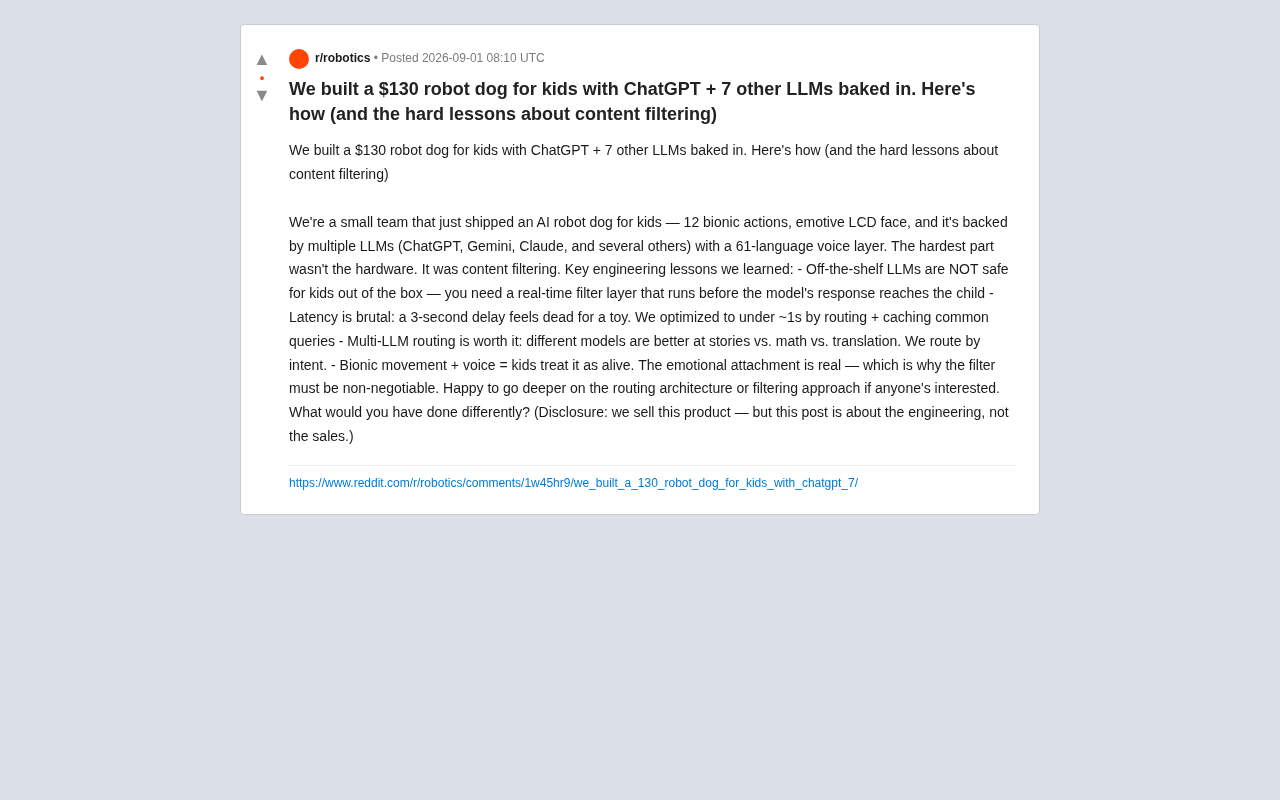
Building an AI Robot Dog for Kids: Multi-Model Routing, Content Filtering, and Latency Optimization
A $130 AI robot dog for kids integrates 8 LLMs with 61-language voice interaction. The team shares key engineering lessons on content safety filtering, multi-LLM intent routing, and sub-1-second latency optimization.
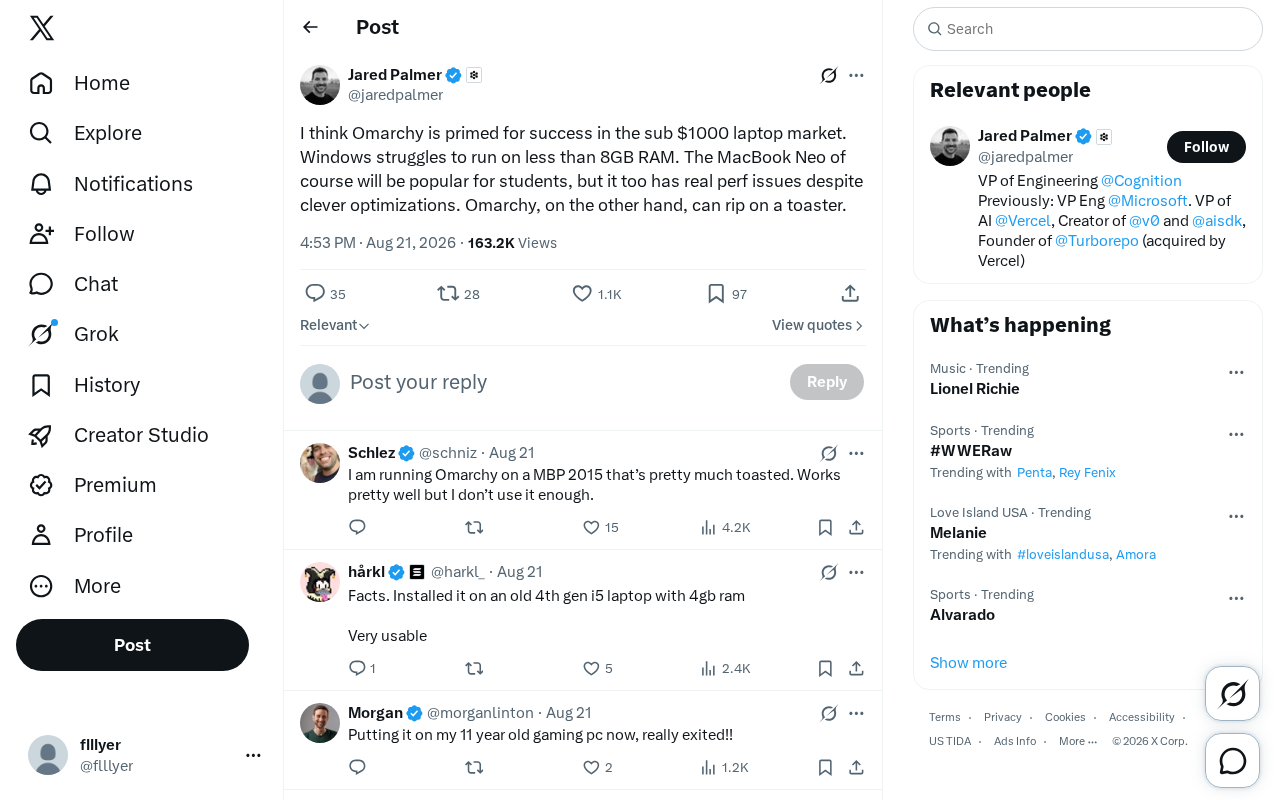
Can Omarchy Dominate the Sub-$1000 Laptop Market? An In-Depth Analysis
Omarchy, based on Arch Linux, shows unique advantages in the sub-$1000 laptop market. This analysis compares Windows and MacBook performance bottlenecks on low-spec hardware and examines why Omarchy enables cheap laptops to run smoothly, plus the ecosystem challenges and market prospects it faces.
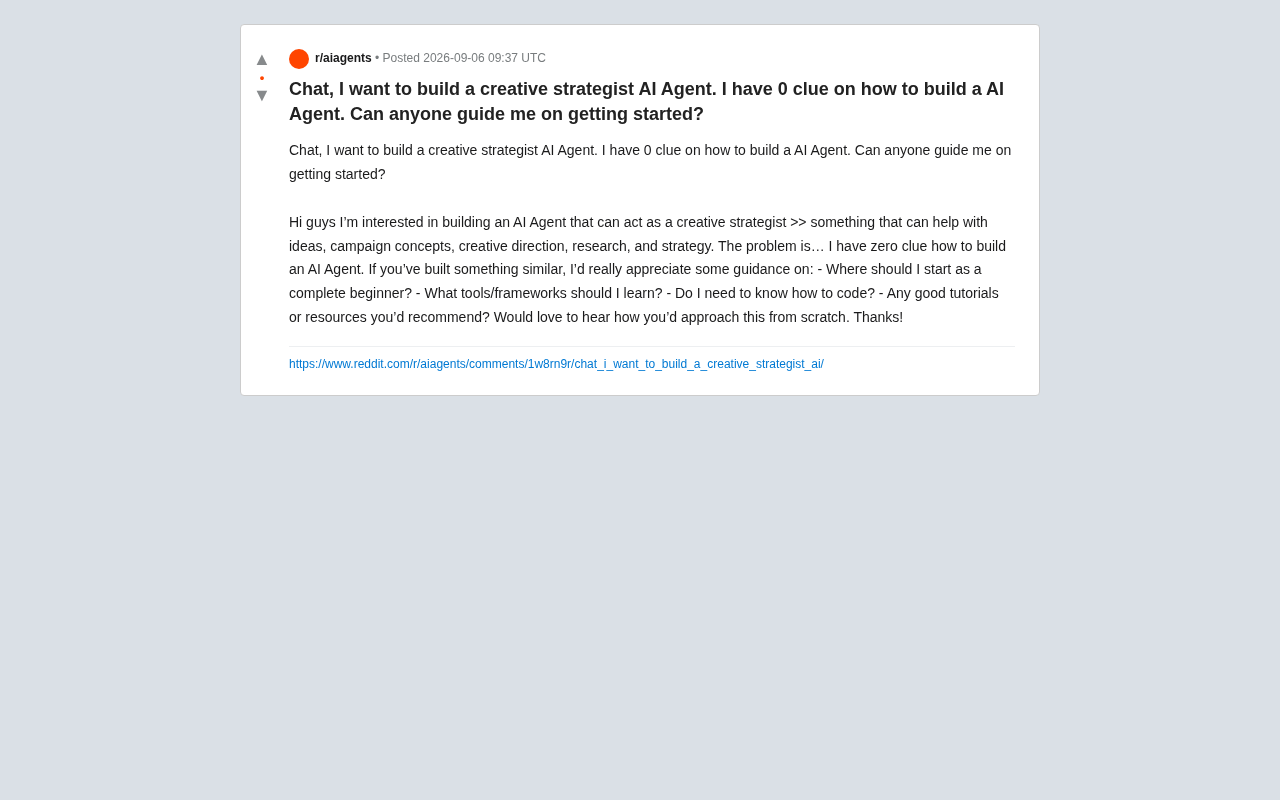
AI Agent Beginner's Guide: Building a Creative Strategy Intelligent Assistant from Scratch
A complete guide to building a creative strategy AI Agent from scratch. No coding required — use tools like Dify and Coze to quickly build an intelligent assistant.