UCDataset: Accelerating GPU Training on Unity Catalog Tables
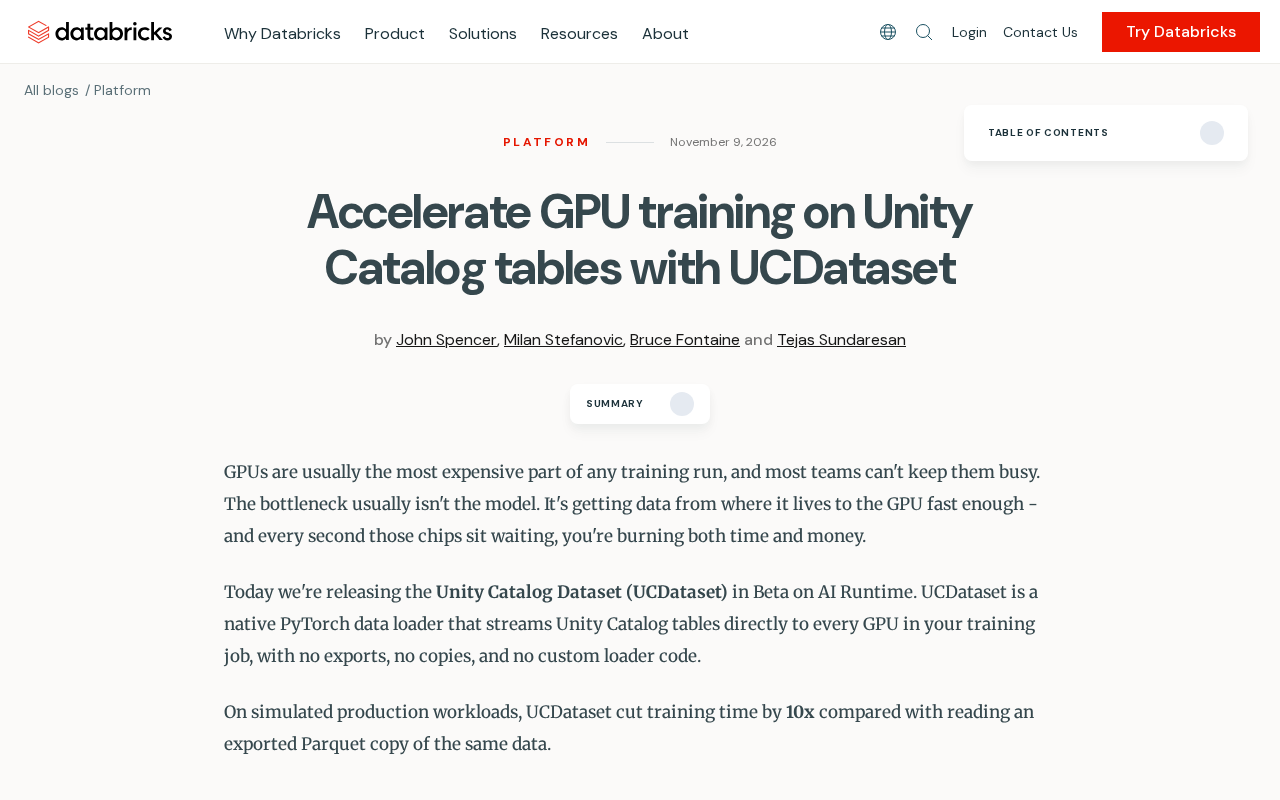
UCDataset lets training read Unity Catalog tables directly, cutting export overhead and boosting GPU utilization.
UCDataset is a data access solution for GPU training that addresses the problem of data supply failing to keep up with expensive GPU compute. Traditional approaches require exporting Unity Catalog tables to Parquet or other intermediate formats before training frameworks can read them, introducing storage costs, data staleness, and fragmented governance. UCDataset allows training code to build dataset objects directly from Unity Catalog tables, eliminating intermediate export and format conversion steps and bringing the data loading path closer to the training framework's native mechanisms, thereby shortening per-batch preparation time. Meanwhile, access control, lineage information, and governance policies remain effective throughout training. The solution is best suited for training scenarios where data is centralized in Unity Catalog and freshness-sensitive, and it is recommended to pilot it first on jobs with high GPU cost share and frequent iteration.
Why GPU Training Needs a Better Data Access Solution
GPUs are the most expensive resource in the training pipeline, yet many teams fail to achieve good GPU utilization—the bottleneck is often not compute power but the data supply chain. As the original source points out, GPUs are typically the costliest part of any training run, and most teams cannot keep these expensive resources fully utilized. UCDataset is a solution proposed to address this pain point, with the goal of accelerating GPU training directly on Unity Catalog tables.
As a unified governance layer for data and AI assets, Unity Catalog hosts a large amount of enterprise-grade training data. If training frameworks cannot efficiently read these tables, teams are forced to choose between "data governance" and "training performance": either export data into intermediate formats, sacrificing governance and freshness; or accept data loading as a training bottleneck. The value of UCDataset lies in reuniting these two goals.
Unity Catalog is Databricks' unified governance layer for data and AI assets, designed to centrally manage tables, views, models, functions, and other assets while providing fine-grained access control, audit logs, and data lineage tracking. Built on the Lakehouse architecture, it supports data access through SQL, Python, Scala, and other interfaces. For enterprises, the value of Unity Catalog lies in extracting data governance from scattered file systems or standalone databases into a unified metadata catalog. When training data is registered as tables in Unity Catalog, teams can reuse existing permission policies and lineage information without having to copy data separately for each training job. This also explains why training directly on Unity Catalog tables has inherent governance advantages.
The Core Problems UCDataset Solves
Eliminating the Overhead of Data Movement
In traditional approaches, teams typically export Unity Catalog tables to Parquet or other file formats first, then hand them off to training frameworks. This intermediate step not only increases storage costs but also introduces risks of data staleness and inconsistency. UCDataset allows training code to build dataset objects directly against Unity Catalog tables, eliminating a full round of data copying and format conversion.
Parquet is a columnar storage format often used as an intermediate format for training data due to its high compression ratio and column pruning capabilities. In traditional workflows, teams export Unity Catalog tables to Parquet files, which are then read by training frameworks (such as PyTorch DataLoader). The costs of this approach include: the export process consumes compute and storage resources, there may be latency between exported files and source tables, and additional mechanisms are needed to ensure consistency. Although columnar formats are well-suited for analytical queries, training scenarios often require row-by-row or batch-order reads, so the format conversion itself may introduce overhead. Understanding this helps recognize that what UCDataset seeks to eliminate is precisely the extra materialization step of "table-to-file."
Keeping Data Loading in Step with GPU Throughput
GPU training performance depends on whether the data pipeline can continuously feed the compute units. When data read speed falls behind GPU consumption speed, expensive accelerators sit idle waiting. UCDataset's design direction is to bring the table data read path closer to the training framework's native data loading mechanisms, thereby shortening the preparation time for each batch.
GPU utilization typically refers to the proportion of total training time that the GPU actually spends executing computation. When data loading speed is insufficient, the GPU sits idle waiting, utilization drops, yet hourly-billed accelerator resources continue to incur costs. Training frameworks generally hide data loading latency through multi-process prefetching, pinned memory, and asynchronous transfers, but these optimizations depend on the data source providing stable throughput. If the data read path requires multiple format conversions or network hops, prefetch buffers can easily be exhausted, causing the GPU to idle. Therefore, shortening the data read path and connecting table data directly to the training framework's native loading mechanisms is a common approach to improving GPU utilization.
Impact on Training Workflows
After adopting UCDataset, changes to the training workflow manifest at several levels. The data preparation phase converges from a multi-step process of "export—validate—load" to directly referencing tables; governance policies, access control, and lineage information remain effective throughout the training phase rather than being cut off at the moment of export. For experimental training that requires frequent iteration, this shortened chain means a faster feedback loop.
From an engineering perspective, reducing intermediate formats also lowers maintenance burden: there is no longer a need to maintain a synchronized exported version for each training job, nor to worry about export job failures causing training data inconsistency.
Use Cases and Implementation Recommendations
UCDataset is best suited for teams whose data is already centralized in Unity Catalog and whose training jobs are sensitive to data freshness. If the current data pipeline is still primarily based on file exports, teams can prioritize training jobs with frequent iteration and high GPU cost share as pilots during migration to quickly validate the benefits.
Note that the specific supported training frameworks, API forms, and performance data are not elaborated in the original source; before actual adoption, consult the official documentation to confirm compatibility with your existing technology stack.
FAQ
Does UCDataset replace existing data export workflows? For scenarios involving training directly on Unity Catalog tables, it can eliminate the intermediate export step; however, the specific scope of applicability should be confirmed against official documentation.
How much does it improve GPU utilization? The original source does not provide specific performance metrics; the effect depends on data scale, table structure, and how the training framework reads data.
Does it affect data governance? Reading tables directly allows permissions and lineage to extend into the training phase, which is one of the main advantages over export-based approaches.
Related articles
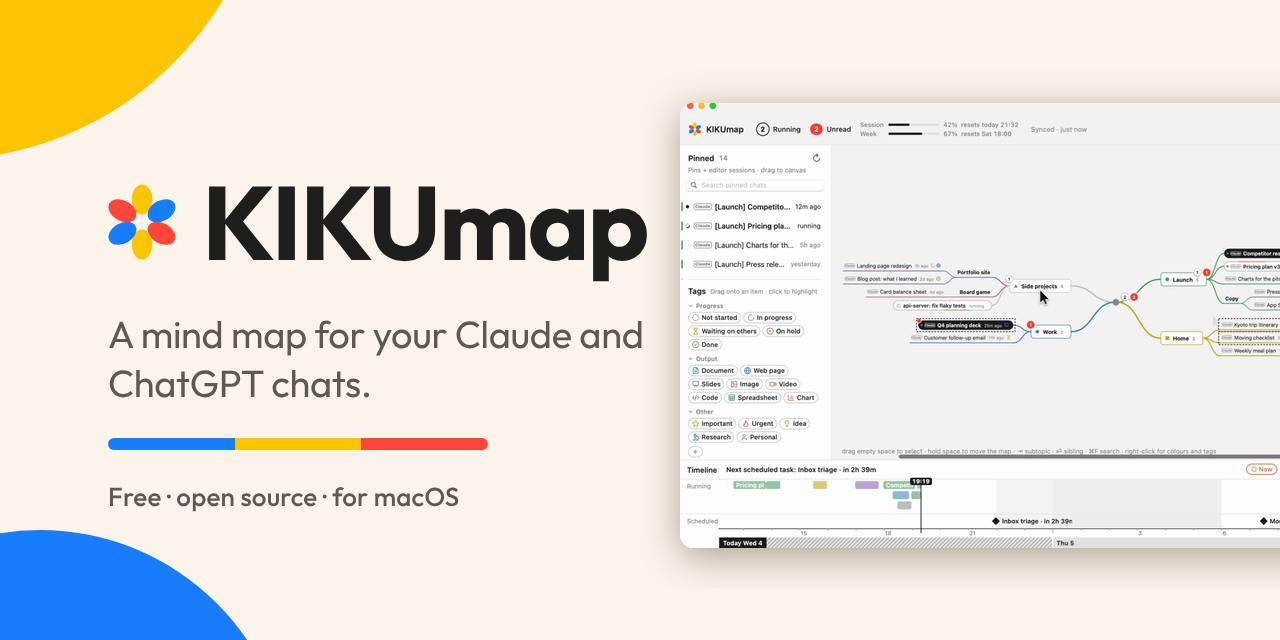
KIKUmap: Manage Your Claude and ChatGPT Conversations with Mind Maps
KIKUmap is a macOS menu bar app that visualizes Claude and ChatGPT conversations as mind maps with real-time status. Free and open source.

Hugging Face Executive Warns: Cyberattacks Are Eroding the Openness of Open-Source AI
Hugging Face executive Irene Solaiman warns that rising cyberattacks on open AI platforms may force stricter security limits, threatening the openness of the open-source community and affecting the developer ecosystem.
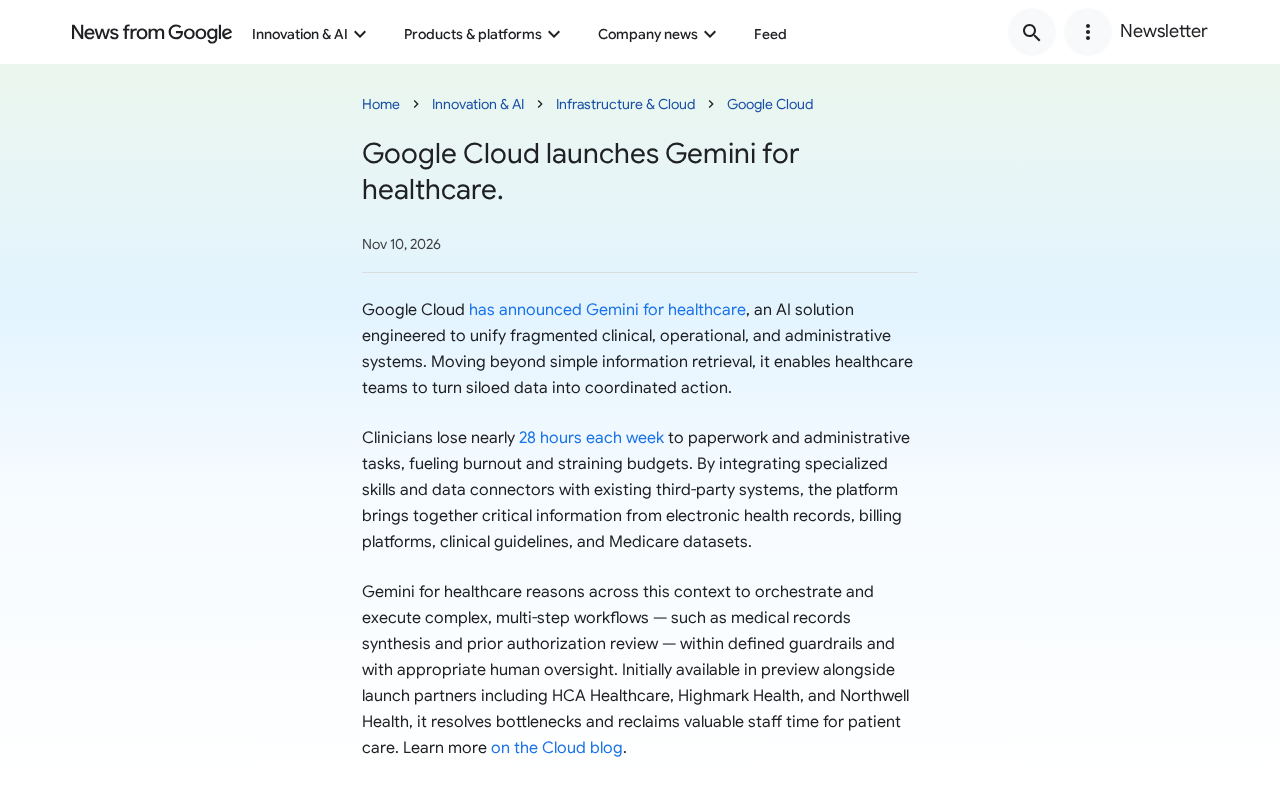
Google Cloud Launches Healthcare Version of Gemini: Integrating Clinical Data and Automating Workflows
Google Cloud releases healthcare version of Gemini, focusing on unified clinical data and automated workflows to reduce administrative burnout. Analysis of positioning, challenges, and the healthcare AI landscape.