Use Claude Code CLI for Free: One-Click Windows Installation Tutorial

A video demos a third-party one-click free install of Claude Code CLI—actually an API relay with privacy and security risks.
This article reviews a Hindi YouTube Shorts video: the presenter deploys Claude Code CLI on Windows with one click via a third-party installer, claims it is "basically free," and shows handing tasks to your own agent. The article argues this free solution likely relies on a third-party API relay offering a limited token quota and may support switching between models. Since the installer's origin, authorization status, and service provider are opaque, users' code and conversations pass through third-party servers, creating data-privacy and malicious-executable risks. The author advises preferring Anthropic's official trial credits, education or open-source discounts, or testing unknown tools in isolated environments—never on machines with sensitive code.
Title
Use Claude Code CLI for Free: One-Click Windows Installation Tutorial
Meta Description
A YouTube Short demonstrates how to install Claude Code CLI for free on Windows with one click. This article breaks down the steps, guesses at the free-access mechanism, examines the privacy and security risks of third-party relay services, and offers safer alternatives.
Article Content
Claude Code, Anthropic's command-line coding assistant, has long drawn developer attention for its powerful code understanding and generation capabilities. But its official subscription cost is a barrier for many individual developers. Recently, a YouTube Shorts video demonstrated how to run Claude Code CLI "for free" on Windows via a third-party tool, complete with one-click installation. Based on that video and its screenshots, this article lays out the operating logic and potential risks.
Core Workflow Shown in the Video
According to the video's creator (narrating in Hindi), he faced the same dilemma of "no money to subscribe to Claude" and found an alternative. The video shows deploying the Claude Code command-line tool on Windows quickly through an installer.

In the screenshot, the presenter opens an installation interface and confirms that "it's basically free." This wording suggests the solution is not an official free tier but relies on some third-party wrapper or proxy mechanism.
Claude Code is Anthropic's agentic coding tool—essentially an agent that runs in the terminal, able to read and write project files, execute shell commands, run tests, and complete fairly complex coding tasks through multi-turn tool calls. Unlike an ordinary chatbot that only returns text, it actively plans steps and interacts with the local development environment, which places high demands on model capability, context length, and tool-calling protocols. Official use typically requires binding an Anthropic account and consuming API credits or a subscription plan—costly for individual developers, which is exactly why various third-party wrappers have emerged.
One-Click Installation and Basic Operations
The video then shows basic usage after installation. Users can launch Claude Code in the terminal for routine tasks such as code Q&A and file operations.

The presenter notes that you can use it with normal copy-paste or hand tasks to your own "agent" to execute. This indicates the tool supports a degree of automated invocation, suiting developers who want to integrate Claude Code into their workflows.

However, the video does not detail where the installer comes from, whether it is authorized by Anthropic, or who provides the service behind the free quota. These gaps are key blind spots in assessing the solution's reliability.
Guessing at the Mechanism Behind "Free"
The video mentions terms like "white provider" and "subscribe." Reading the context, the solution likely relies on a third-party API relay service that offers a certain free token quota. The presenter also mentions "OpenAI's API" and similar phrases, hinting the tool may support switching between multiple models rather than being limited to Claude.

Be wary: such third-party relay services typically carry data privacy risks—your code and conversations pass through third-party servers. Free quotas are also often limited, and service stability is not guaranteed. The video's creator also reminds viewers to "not forget to follow," a clear sign of short-video traffic farming.
The so-called "API relay service" is a third-party proxy layer: externally it exposes an official-compatible endpoint and key, while internally it holds the real upstream API key, forwarding user requests to vendors like Anthropic and OpenAI, billing by usage or granting a limited free quota. Such services are common in shared-account, group-buy, and "mirror site" scenarios. The cost is that request content passes fully through the middleman server, and the upstream account may be banned for violating terms of service. Because Claude Code supports specifying an API base URL via environment variables, pointing the official CLI at a relay address can bypass the official subscription—this is the technical premise that makes the video's "one-click install" possible.
Risk Warnings and Sensible Advice
For developers who want a low-cost taste of Claude Code, safer paths include using Anthropic's official free trial credits, watching for official education or open-source discounts, or using other free open-source coding assistants as compliant alternatives. Third-party one-click installers are convenient but pose security risks when their executables are of unknown origin. Test them in an isolated environment, and never run them directly on a machine containing sensitive code.
In security practice, evaluating an executable of unknown origin should follow the principle of least privilege: first run it in a virtual machine, Windows Sandbox, or container, using a separate low-privilege account, and observe its network connections and file writes. For configurations involving account keys, avoid using primary-account or production credentials, and if necessary restrict its outbound addresses via firewall. If you do need to try Claude Code, a more transparent approach is to configure an official API key yourself or use an auditable open-source CLI alternative, thereby evaluating "convenience" and "trust boundaries" separately.
Conclusion
The "free Claude Code CLI one-click install" solution shown in the video essentially relies on a third-party relay service: low barrier to entry but lacking transparency. Developers should weigh convenience against security and prefer official or auditable channels.
One-line Summary
A video demonstrates a third-party one-click install of free Claude Code CLI, which is actually an API relay with hidden privacy and security risks.
Paragraph Summary
This article reviews a Hindi YouTube Shorts video: the presenter deploys Claude Code CLI on Windows with one click via a third-party installer, claims it is "basically free," and shows handing tasks to your own agent. The article argues this free solution likely relies on a third-party API relay offering a limited token quota and may support switching between models. Since the installer's origin, authorization status, and service provider are all opaque, users' code and conversations pass through third-party servers, creating data-privacy and malicious-executable risks. The author advises developers to prefer Anthropic's official trial credits, education or open-source discounts, or to test unknown tools in isolated environments—never running them directly on machines with sensitive code.
Related articles
Getting Gemini 4 and Claude Sonnet 5.5 for Free? A Hands-On Free.pi Tutorial
A hands-on Free.pi tutorial: install the CLI, log in with GitHub for 15,000 daily credits, and call Gemini 4 Argon and Claude Sonnet 5.5 for free—plus the limits to watch.
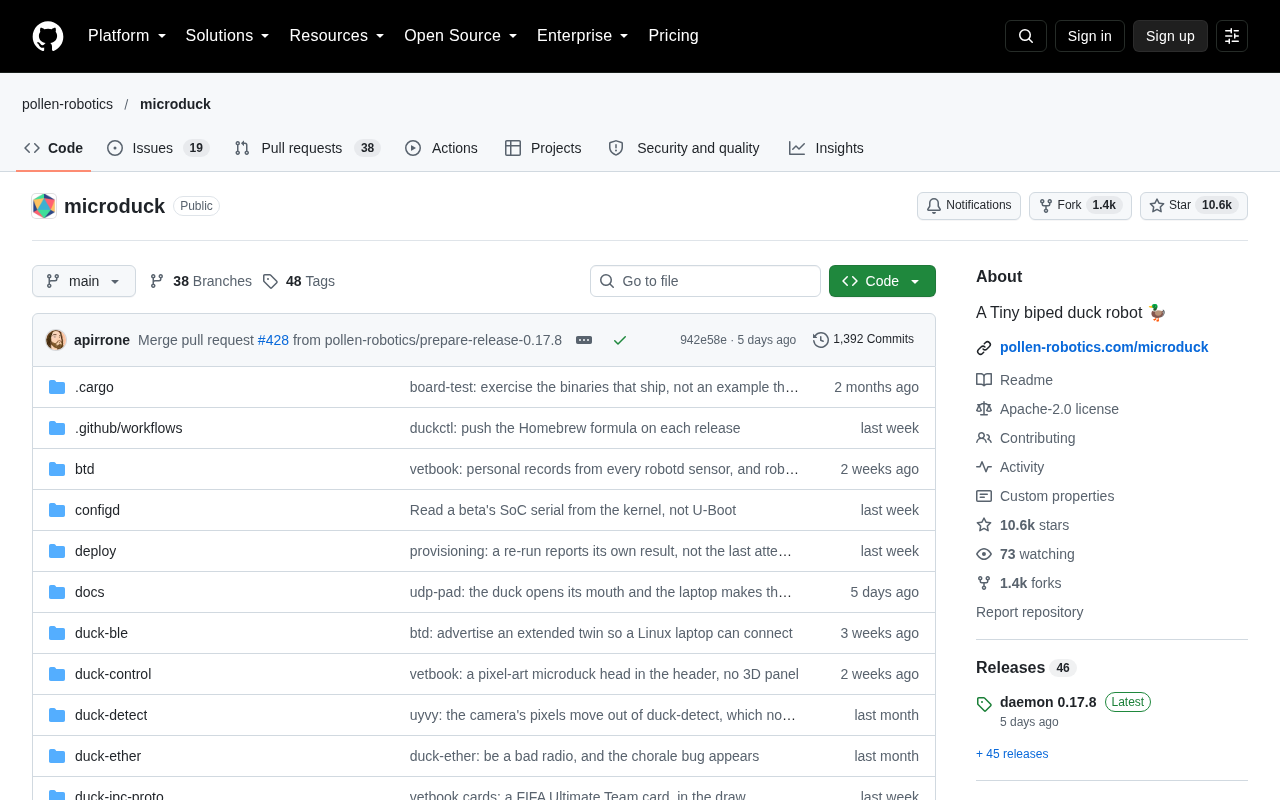
Microduck: A Bipedal Robot Duck Built with Rust, Gaining 421 Stars on GitHub in One Day
Pollen Robotics' open-source project microduck: a tiny bipedal robot duck written in Rust, gaining 421 stars on GitHub in a single day and over 10,000 total stars. This article analyzes its tech stack, bipedal walking control principles, and value for robotics learners.
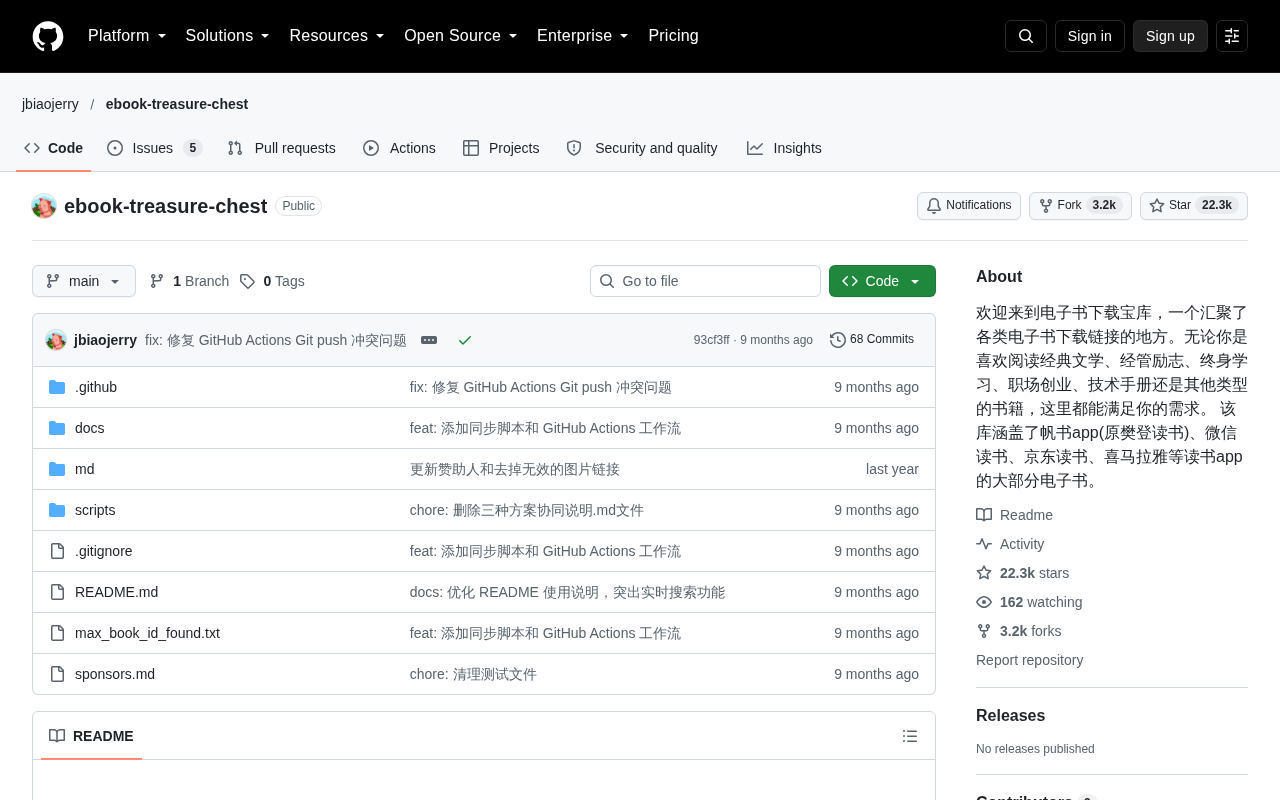
A 22k-Star Ebook Treasury: How One GitHub Repo Aggregates Resources from Four Major Reading Apps
GitHub project ebook-treasure-chest has 22k stars, aggregating ebook download links from FanShu, WeChat Read, JD Read, Himalaya. This article analyzes its value, link invalidation risks, and copyright boundaries, and explores the sustainability of resource-aggregation open-source projects.