Vercel AI SDK Releases policy-opa 1.0.101 Patch Update
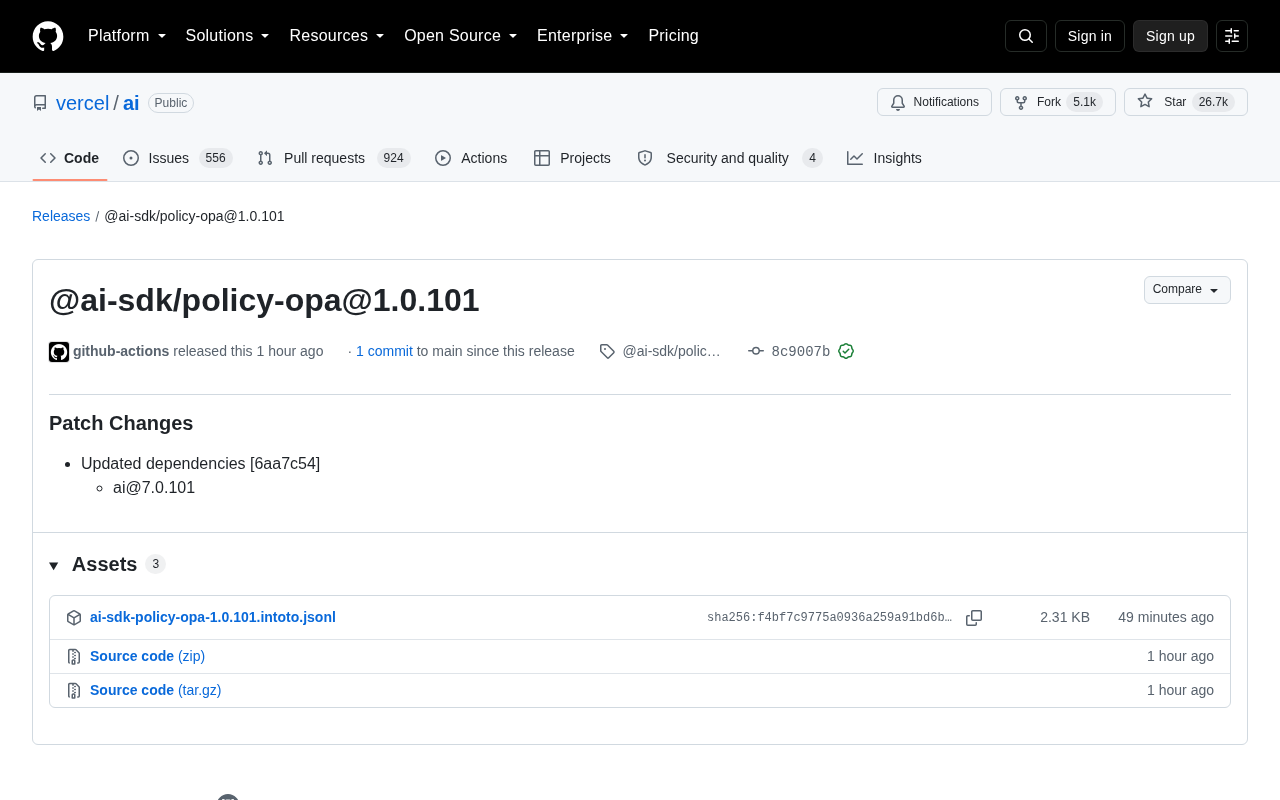
Vercel AI SDK releases policy-opa patch v1.0.101, syncing core dependency to ai@7.0.101 with no feature changes.
Vercel's open-source `ai` project (27k+ GitHub stars) has released `@ai-sdk/policy-opa@1.0.101`, a routine dependency-sync patch that upgrades the core dependency to `ai@7.0.101` with no standalone features or API changes. The package integrates Open Policy Agent (OPA) into Vercel AI SDK, enabling declarative policy rules to govern tool invocations and data access for AI agents. Verified by GitHub signature, the update is safe to apply after testing. The release reflects Vercel's ongoing investment in AI governance infrastructure.
Version Overview
Vercel's open-source project ai (with over 27,000 GitHub stars and approximately 5.1k forks) recently published @ai-sdk/policy-opa@1.0.101 via GitHub Actions. This is a patch-level update, with the primary change being a dependency sync to ai@7.0.101.
The release carries a verified GitHub signature (GPG key ID: B5690EEEBB952194) from an official commit on the main branch, ensuring its authenticity.
What This Package Does
@ai-sdk/policy-opa is a policy-related sub-package within the Vercel AI SDK ecosystem, designed to integrate with OPA (Open Policy Agent). OPA is a general-purpose policy engine commonly used to manage permissions, access control, and compliance policies at the application layer. Pairing it with the AI SDK means developers can govern AI application behavior through declarative policy rules when invoking large language models, tools, or data sources — for example, restricting which tools can be called or which data can be accessed.
For teams building production-grade AI applications, policy components like this are a critical layer for ensuring the safety and compliance of AI agents.
What Changed
The 1.0.101 release is a classic dependency-sync patch:
- Patch Changes: Updated dependencies, syncing the core library to
ai@7.0.101. - No standalone feature changes: The release notes show no new features or API changes specific to
policy-opaitself — this is purely a version bump following the main library.
This release pattern is very common in monorepo-based open-source projects. Vercel AI SDK uses changesets for version management, so when the core ai library updates, related sub-packages automatically receive a corresponding patch bump to maintain dependency consistency.
What This Means for Developers
If you're already using Vercel AI SDK with the policy-opa component in your project, patch updates like this are generally safe to apply: they maintain API compatibility while ensuring smooth interoperability with the latest ai core library.
Upgrade recommendations:
- Use
npm,pnpm, oryarnto update@ai-sdk/policy-opato1.0.101, and confirm that theaicore library is on version7.0.101. - Since this is a patch release, breaking changes are not expected — but it's still good practice to validate that your policy rules execute as expected in a test environment before deploying.
Summary
@ai-sdk/policy-opa@1.0.101 is a routine dependency-sync patch with limited standalone changes. That said, it reflects Vercel AI SDK's continued investment in AI application governance and policy control. As AI agents make their way into enterprise environments, "invisible" infrastructure like policy engines and access control is becoming an indispensable part of production AI engineering.
Related articles
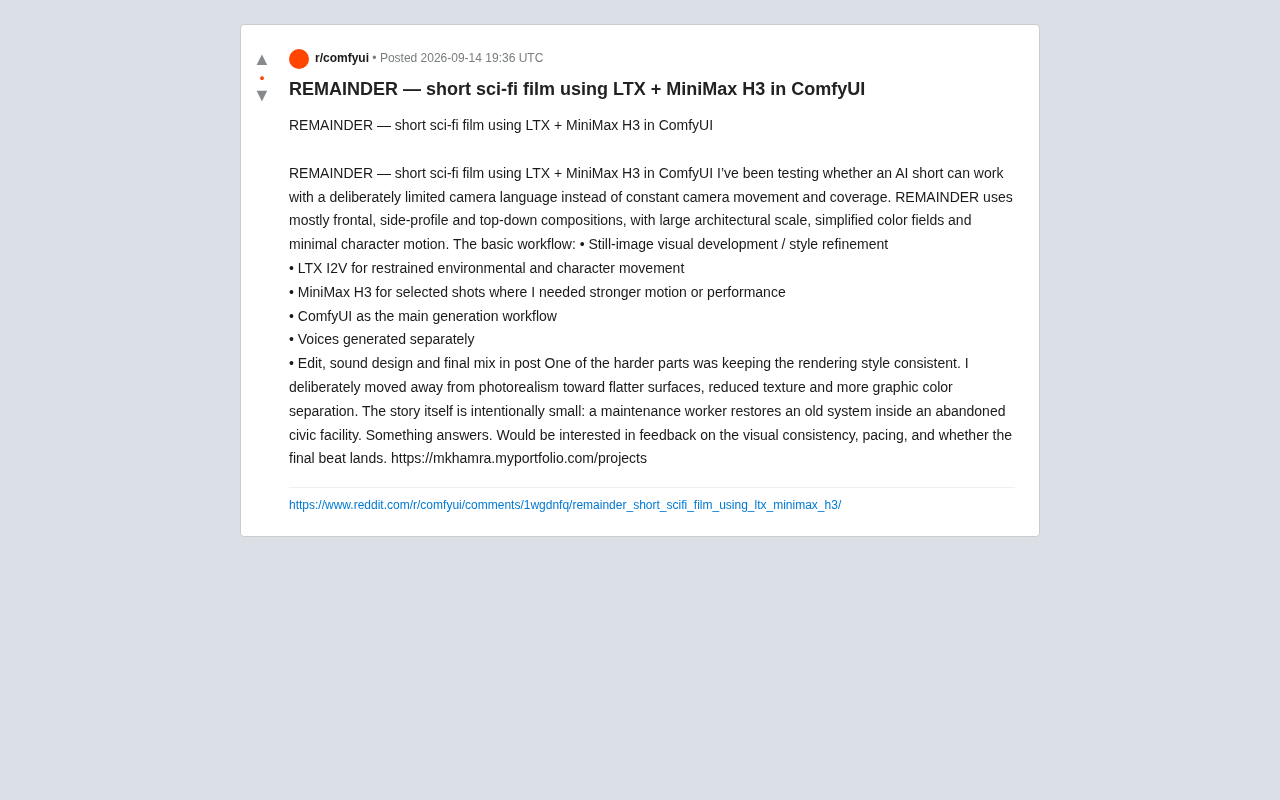
Building an AI Sci-Fi Short with LTX + MiniMax H3: Restrained Cinematography in ComfyUI
Sci-fi short REMAINDER uses LTX, MiniMax H3, and ComfyUI with restrained cinematography and flat aesthetics to solve visual consistency in AI filmmaking.
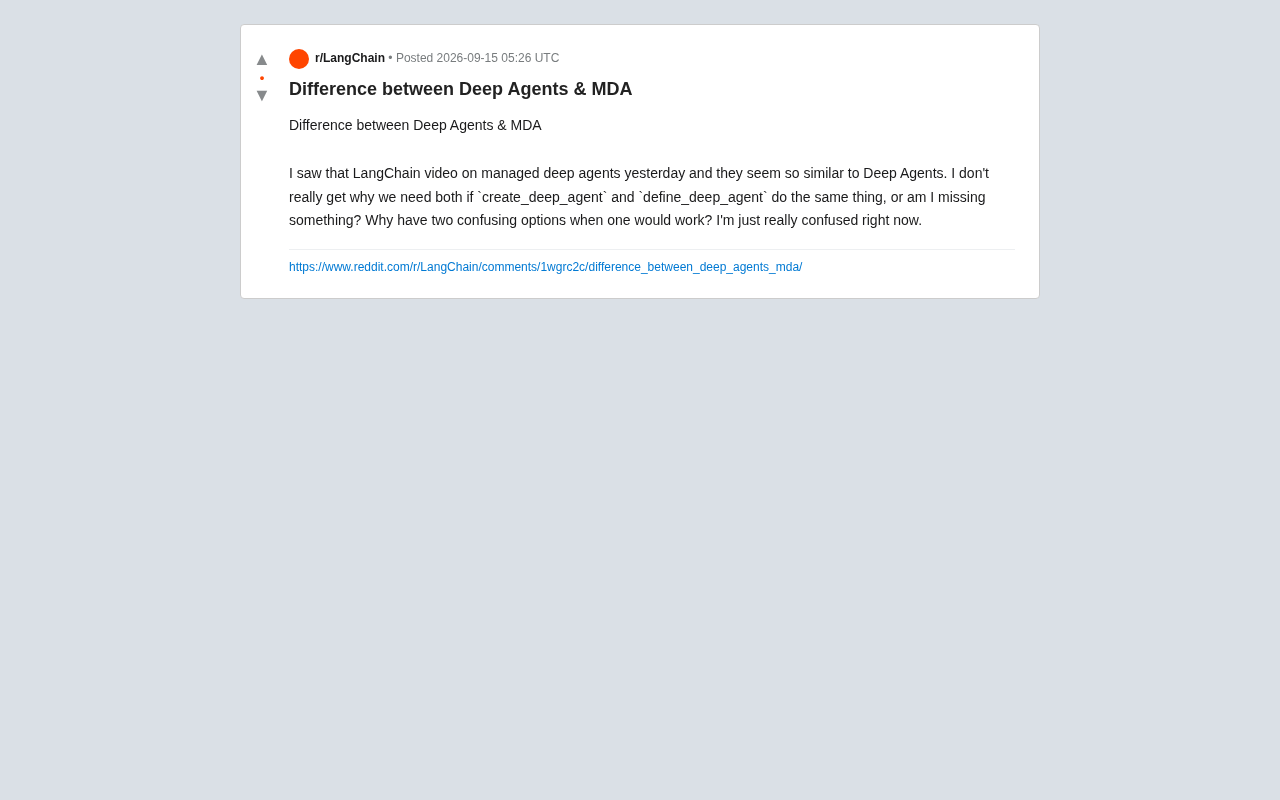
LangChain Deep Agents vs. MDA: Clearing Up the Confusion for Developers
What's the difference between LangChain's Deep Agents and MDA (Managed Deep Agents)? We break down create_deep_agent vs. define_deep_agent and help developers choose.
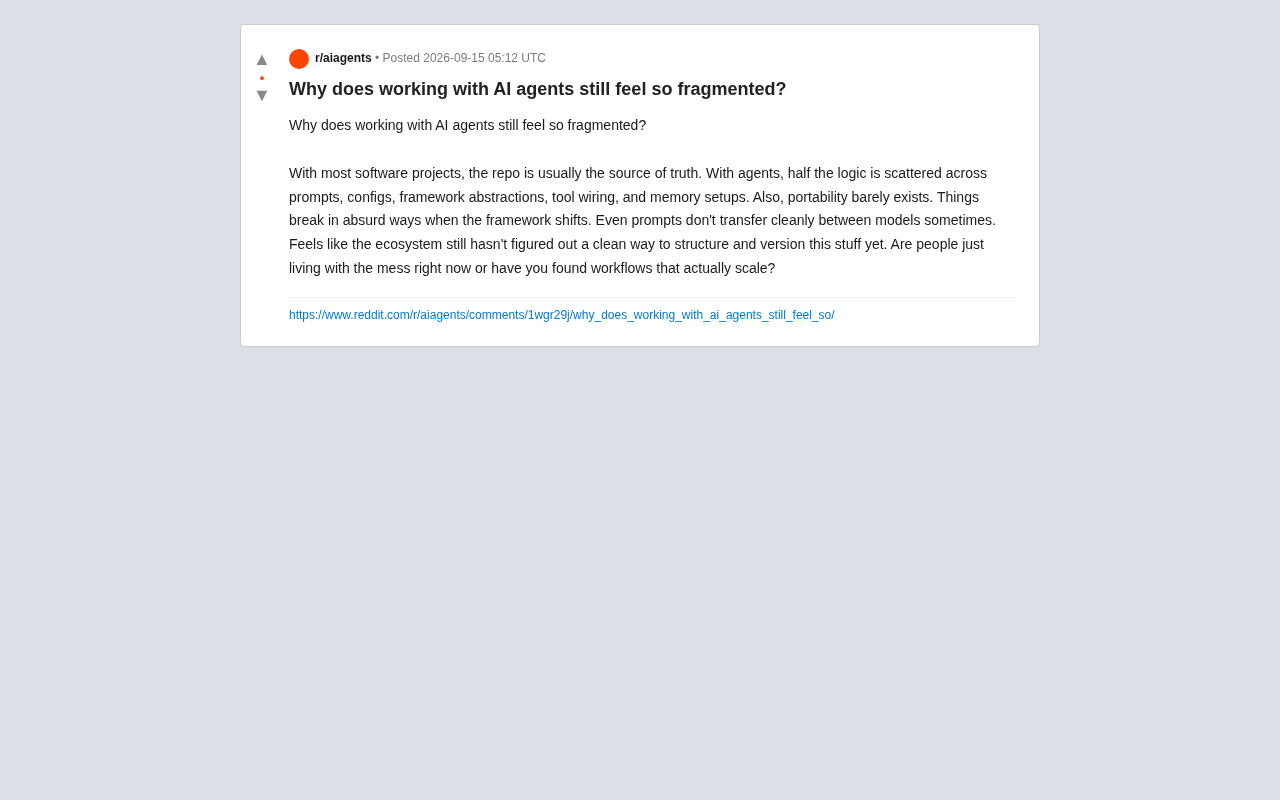
Why Is AI Agent Development So Fragmented? The Real Causes and How to Work Around Them
Why does AI Agent development feel so fragmented? Logic scattered across prompts, configs, and frameworks makes portability nearly impossible. Here's why — and how to cope.