Vercel Doubles Down on Japan: Kazunari Hanao Appointed Country Manager
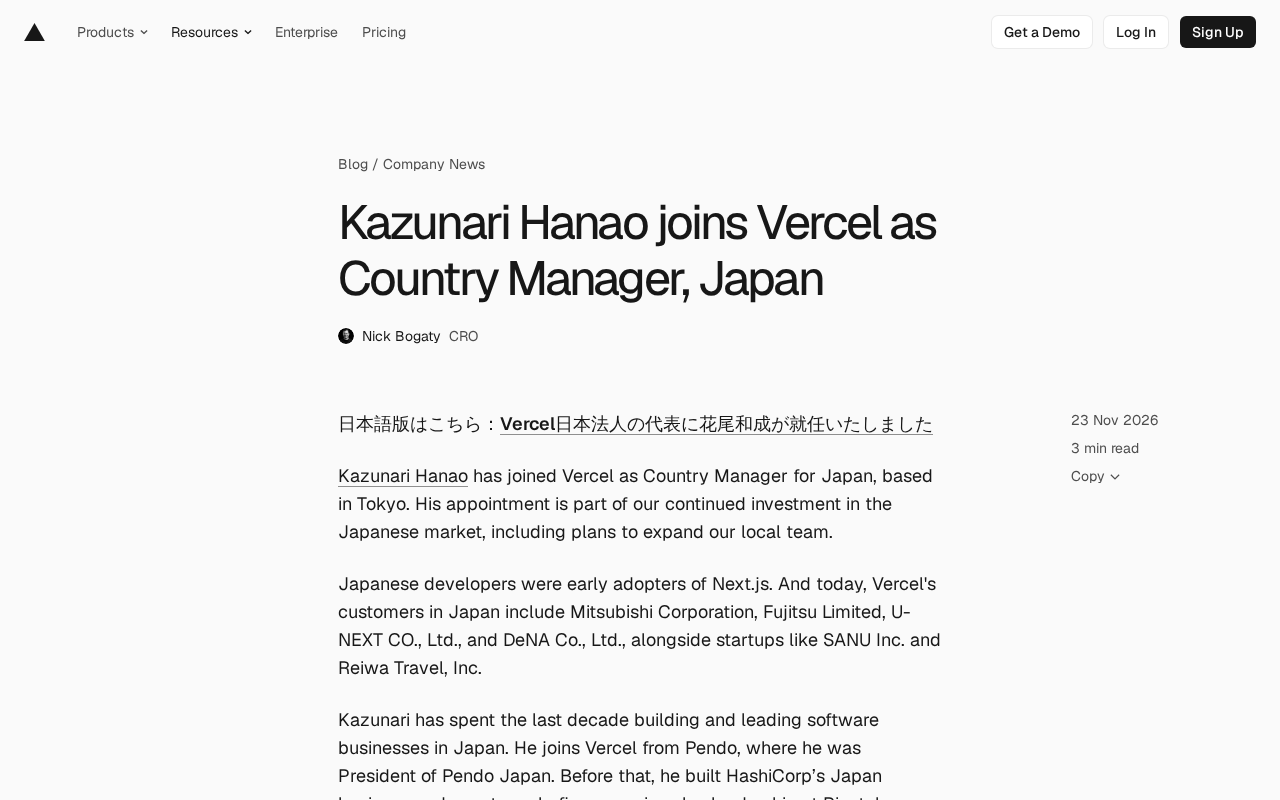
Vercel names Kazunari Hanao as Japan Country Manager, accelerating its enterprise push in the market.
Vercel announced Kazunari Hanao as Japan Country Manager, based in Tokyo, as part of its continued investment in the Japanese market and local team expansion. Japanese developers were early adopters of Next.js, and Vercel has already built a customer base including large enterprises like Mitsubishi Corporation, Fujitsu, U-NEXT, and DeNA, as well as several startups. Hanao previously served as President of Pendo Japan, built HashiCorp's Japan business from scratch, and spent nearly five years in sales leadership at Pivotal Tokyo, a résumé that aligns closely with Vercel's enterprise developer-tool customers. He believes complex enterprise IT environments are slowing AI adoption in Japan, and that Vercel's opportunity lies in helping companies move from experimentation to production. Vercel also plans to hold its Ship conference in Tokyo for the first time in 2027 and expand its sales, solutions engineering, and partner teams.
Vercel is making Japan its next strategic stronghold. The company, known for Next.js and its frontend cloud platform, has announced that Kazunari Hanao has joined as Japan Country Manager, based in Tokyo. The appointment is part of Vercel's ongoing investment in the Japanese market, which also includes plans to expand its local team.
The Japanese Developer Community and Vercel's Roots
Japanese developers were early adopters of Next.js, giving Vercel a natural community foundation in the country. Today Vercel's customer roster in Japan spans both large enterprises and startups: Mitsubishi Corporation, Fujitsu, U-NEXT, and DeNA, along with emerging companies like SANU and Reiwa Travel, all use its platform.
This customer mix shows that Vercel in Japan is not only serving internet-native companies but has already entered the tech stacks of traditional large enterprises. For a platform whose core selling point is developer experience, gaining a foothold in the enterprise market often means the product has withstood scrutiny on stability, compliance, and support.
Next.js is an open-source React framework led by Vercel, supporting server-side rendering (SSR), static site generation (SSG), and incremental static regeneration (ISR), and providing file-system-based routing and API routes. It encapsulates common frontend engineering concerns like building, routing, and data fetching into convention-based solutions, significantly lowering the cost of building and deploying React applications. The Vercel platform, in turn, provides hosting, edge networking, preview deployments, and observability around Next.js, forming a bundled "framework + platform" experience. Precisely because Next.js was adopted early among Japanese developers, Vercel has been able to naturally convert open-source ecosystem traction into commercial customers—an important source of its local community foundation.
Who Is Kazunari Hanao: From Pendo and HashiCorp to Pivotal
Kazunari Hanao has spent the past decade building and leading software businesses in Japan. Before joining Vercel, he served as President of Pendo Japan; even earlier, he built HashiCorp's Japan business from the ground up and spent nearly five years in sales leadership roles at Pivotal in Tokyo.
His résumé follows a clear thread: he has repeatedly done the same thing—bringing products from global infrastructure software companies into the Japanese enterprise market and building local organizations from scratch. Both HashiCorp and Pivotal operate in developer tools and infrastructure, which overlaps heavily with Vercel's target customers and explains why Vercel chose him to lead this market.
The HashiCorp, Pivotal, and Vercel mentioned in this article all belong to the developer tools and cloud infrastructure space. HashiCorp is known for infrastructure automation and security products such as Terraform, Vault, and Consul, with customers mostly large enterprises managing complex multi-cloud environments; Pivotal was known for its Cloud Foundry platform and agile/DevOps consulting services, and its products and business were later acquired and integrated by VMware. What these companies share is that they sell to enterprise technology decision-makers and require deep local pre-sales, solution architecture, and partner ecosystems. Hanao's experience building Japan businesses from scratch at both types of companies maps precisely onto Vercel's current stage in Japan—moving from community reputation toward an enterprise-grade commercial organization.
Why Now: The AI Adoption Struggle for Japanese Enterprises
In an official interview, Hanao offered his assessment: Japan stands at a turning point in how software is developed. The country has innovative companies and excellent developers, but complex enterprise IT environments are slowing the adoption of cutting-edge AI, preventing companies from truly capturing AI's value.
He defines Vercel's opportunity as helping companies move from experimentation to production, enabling AI applications to run securely, reliably, and efficiently at scale. Cost, governance, and security are no longer technical topics but business priorities—nearly every CXO he has recently met is grappling with them.
This observation aligns with Vercel's product direction. As AI applications move from demo to production, deployment, observability, security boundaries, and cost control all become bottlenecks at once—precisely where a platform vendor can step in.
As AI applications move from experimentation to production, they typically face several engineering bottlenecks: model invocation and inference costs scale with traffic, requiring caching, rate limiting, and budget controls; deployment demands low latency and high availability, often requiring edge nodes and elastic scaling; security and governance involve data masking, access control, prompt injection protection, and audit logs; and observability requires continuous monitoring of request chains, model output quality, and error rates. When these capabilities are scattered across traditional infrastructure, integration costs are high—but platform vendors can package deployment, edge networking, security boundaries, and usage analytics together, lowering the barrier for enterprises to turn AI prototypes into production systems. This is also Vercel's entry point in the Japanese market.
Three Reasons He Joined
When asked why he chose Vercel, Hanao cited three points: first, he has long been drawn to technologies that simplify complexity, and Vercel is a natural continuation of that path with even greater potential; second, AI is reshaping the entire software development lifecycle, and Vercel has the opportunity to become the foundational platform for the next generation of applications; third, the vision, the developer-first culture, and the room to build a business in Japan from scratch.
He also mentioned early conversations with Vercel CEO Guillermo Rauch. The future the two discussed: countless digital services in Japan running on Vercel, with users experiencing its value every day even if they don't realize it. He calls this vision "Vercel Everywhere."
An interesting detail: Guillermo Rauch spoke at Nodefest in Japan back in 2011—Vercel's connection to the Japanese developer community goes back further than many people think.
What's Next: Ship Comes to Tokyo and Team Expansion
Vercel plans to bring its flagship Ship conference to Tokyo for the first time in 2027. Japanese companies will then be able to hear directly from the Vercel team and local customers, with more details to be announced on vercel.com/ship in the new year.
At the same time, Vercel is expanding its sales, solutions engineering, and partner teams in Tokyo. A larger local team will serve Japanese customers and deepen partnerships with Classmethod, AWS Japan, and Sitecore Japan. Relevant positions will be posted on its careers page over time.
For developers in the Japanese market, this means Vercel's local support capabilities will be substantially strengthened; for competitors, it is a clear signal—the company does not intend to maintain its presence in Japan on community reputation alone, but to build a full local commercial organization.
The Classmethod, AWS Japan, and Sitecore Japan mentioned in this article represent different types of local partners. Classmethod is a well-known Japanese cloud integration and developer services company that has long provided technical support and training around AWS, which can help Vercel reach a large number of enterprise development teams; AWS Japan, as a public cloud provider, typically engages in joint solutions, marketplace channels, and migration support; and Sitecore Japan focuses on digital experience and content management platforms, with customers mostly large enterprises that have complex content and marketing needs. For Vercel, deepening cooperation with such partners means leveraging existing channels and local trust relationships to enter enterprise procurement processes, rather than relying entirely on a self-built sales team to expand account by account.
Frequently Asked Questions
Where did Kazunari Hanao work previously? Before joining Vercel, he served as President of Pendo Japan; earlier, he built HashiCorp's Japan business and spent nearly five years in sales leadership at Pivotal's Tokyo office.
Which customers does Vercel have in Japan? They include Mitsubishi Corporation, Fujitsu, U-NEXT, and DeNA, as well as startups such as SANU and Reiwa Travel.
What new plans does Vercel have in Japan? It will hold its Ship conference in Tokyo for the first time in 2027, while expanding its local sales, solutions engineering, and partner teams and deepening cooperation with Classmethod, AWS Japan, and Sitecore Japan.
Related articles

Zero-Code Replication of a $10,000 3D Website with Claude Code: A Six-Tool Breakdown
Bilibili creator Yomi used Claude Code plus five free tools to build a 3D product landing page quoted at $10,000 overseas—zero code. Breakdown of the six-tool division of labor, image-to-3D workflow, and the core collaboration method: "give AI a reference, not 'make it look better.'"
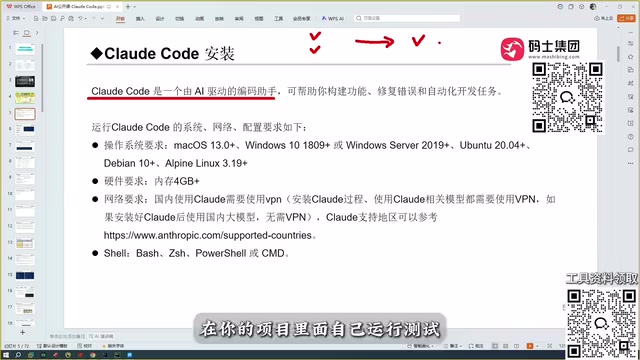
Claude Code in Practice: Install, Connect Models, Calculate Tokens, and Ship a Full-Stack Project with a Single Document
Based on a Bilibili public course demo, this covers Claude Code installation, model connection, token cost calculation, and the practical path of shipping a full-stack project with a single document, plus comparisons with Copilot, Cursor, Trae, and other coding assistants.
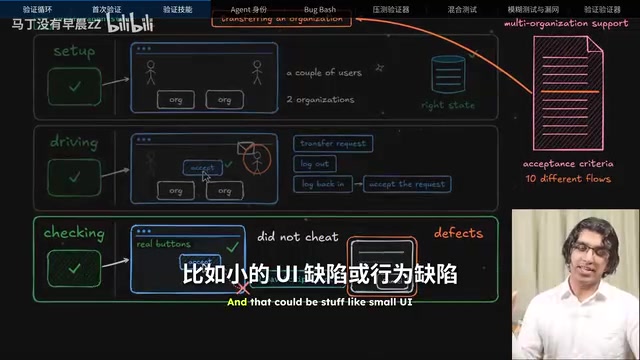
Who Accepts AI-Written Code? A 25-Minute Deep Dive into Verification Loops and the New Code Review Paradigm
After AI writes lots of code, how should Code Review verify it? This article breaks down the Claude Code team's verification loop framework: surface-level end-to-end verification, setup/drive/check three-stage skills, hybrid end-to-end testing and reliability checklists, and how to tighten the loop when issues slip through.