#Vercel
36 related articles
Vercel Raises Container Image Layer Limit to 2 GB, No More Splitting Large Toolchains
Vercel Container Registry raises the single compressed image layer limit from 500 MB to 2 GB, while total image size remains 15 GB. This article explains the impact on large toolchains, dependency sets, and Vercel Sandbox coding-agent evaluation environments, with CLI push commands.
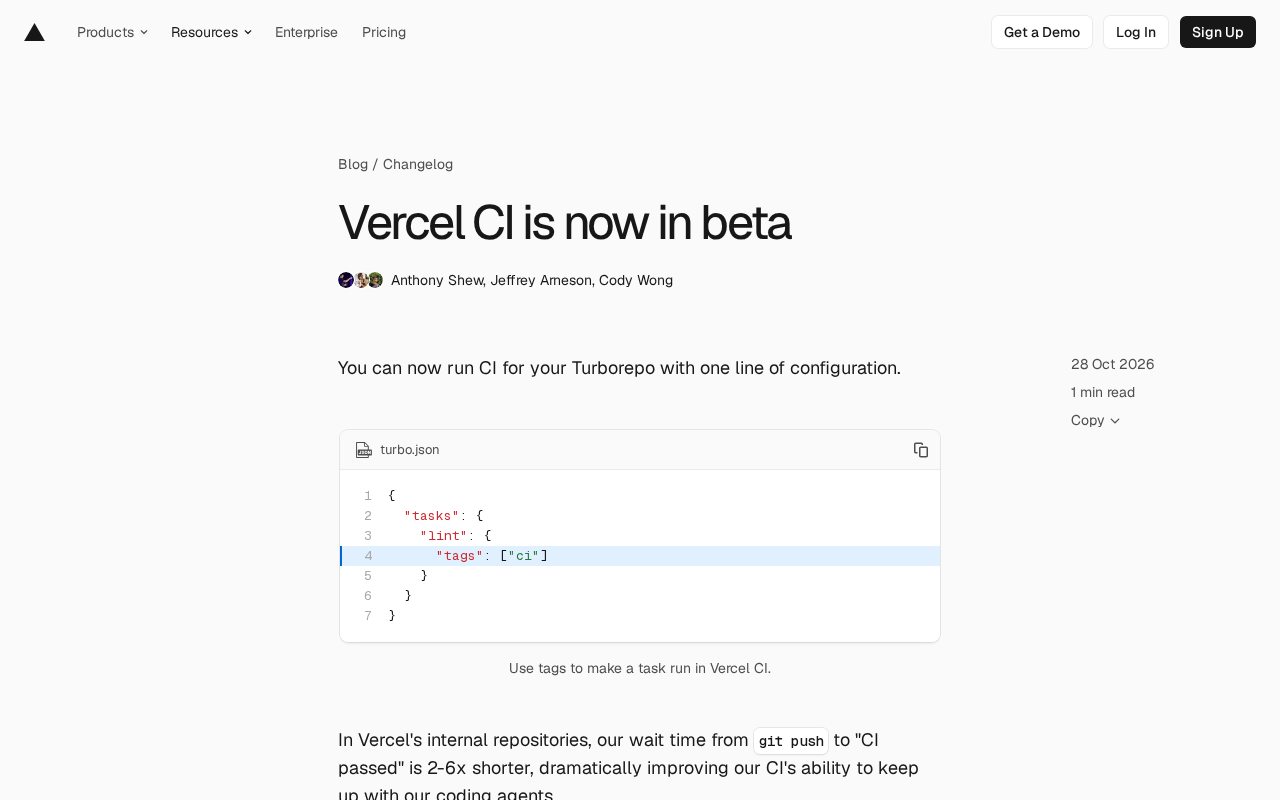
Vercel CI Beta Released: Run Turborepo with a Single Line of Config
Vercel CI enters beta: Turborepo users can run CI by tagging tasks with ci in turbo.json. Vercel claims 2-6x faster push-to-CI-passed times.
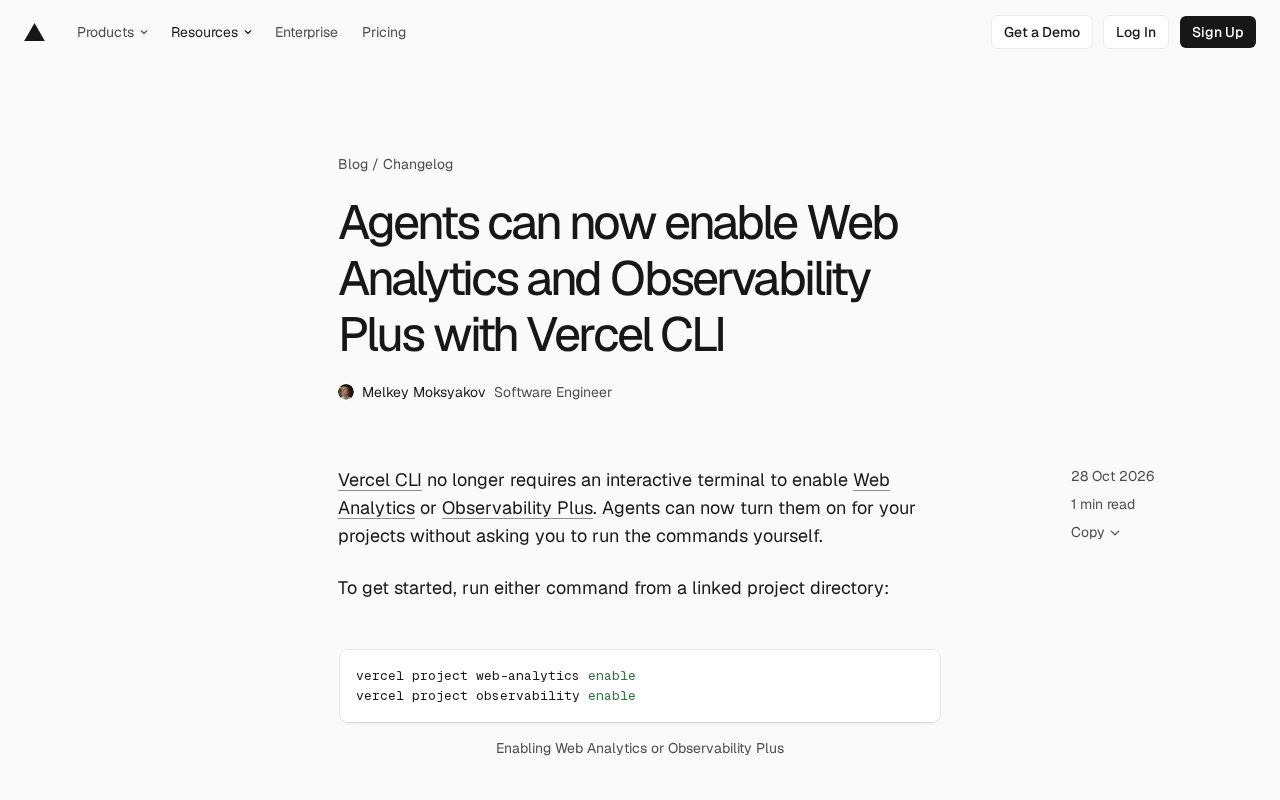
Vercel CLI Update: AI Agents Can Now Enable Web Analytics and Observability Plus Autonomously
Vercel CLI 64.2.0 lets AI agents enable Web Analytics and Observability Plus without an interactive terminal. Learn the new commands, subscription requirements, and what it means for agent automation.
Vercel Observability Adds AI Traffic Insights: See How AI Crawlers Access Your Site
Vercel Observability adds AI traffic insights to query verified AI bot requests, most-crawled pages, assistant retrievals, Markdown requests, and errors, with CLI grouping by bot.
Vercel Observability Adds Custom Monitors with AI Cost Alerts
Vercel Observability launches Custom Monitors, enabling alerts based on query results for AI Gateway costs, Core Web Vitals, and API failure rates, with anomaly detection and fixed thresholds, billed by data scanned.
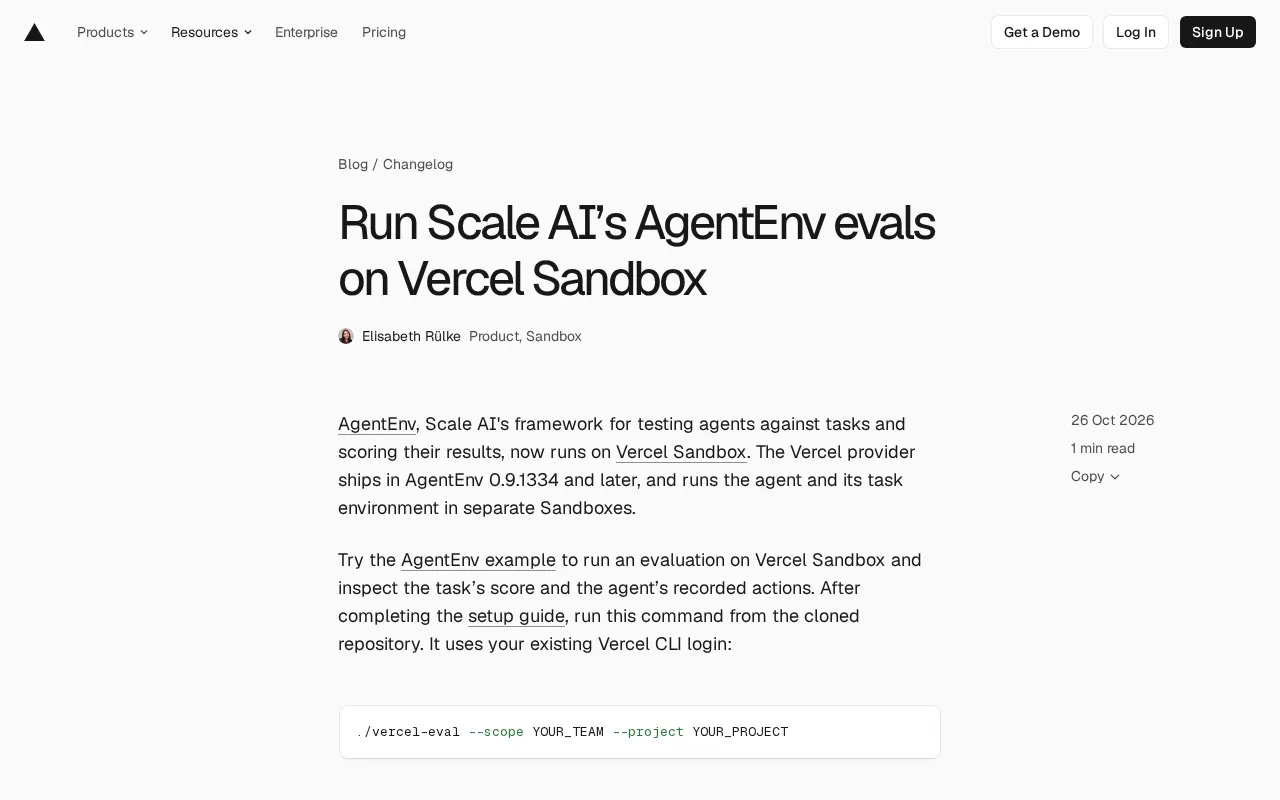
Scale AI AgentEnv Evaluation Framework Now Available on Vercel Sandbox
Scale AI's AgentEnv evaluation framework now supports Vercel Sandbox, enabling isolated agent task runs and scoring. Learn how it works, the commands, and its impact.
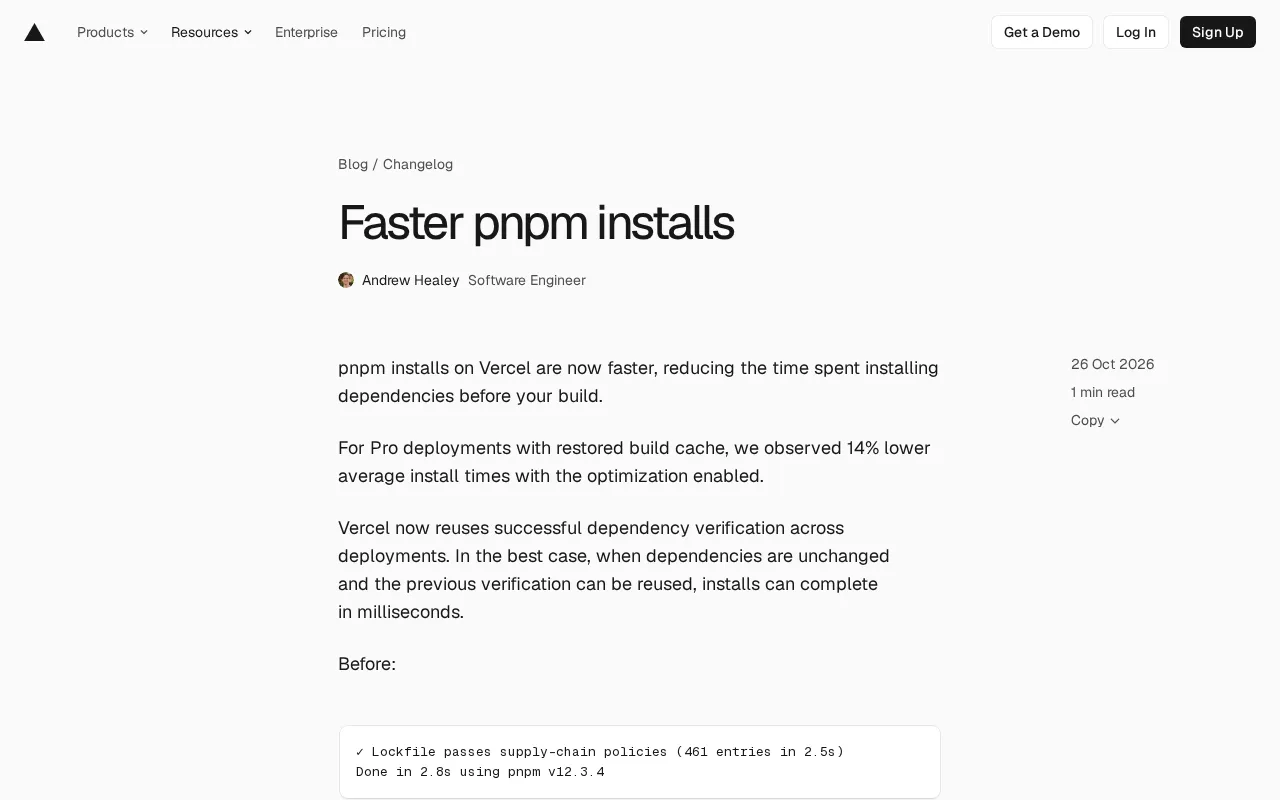
Vercel Optimizes pnpm Installs: Millisecond Completion When Dependencies Are Unchanged
Vercel optimizes pnpm installs by reusing dependency verification results across deployments, cutting install time from seconds to milliseconds when dependencies are unchanged; Pro deployments with cache restore see a 14% average reduction, with no configuration needed on any plan.
Vercel Adds Build Cache Size Display to Deployments, Making Performance Optimization More Transparent
Vercel's deployment summary now shows build cache size, revealing cache savings and proximity to build machine limits. CLI and API support help developers optimize build performance and cost.

Vercel Connect Provides Managed Scoped API Keys for Stripe
Vercel Connect adds a Managed API Key mode that creates scoped Stripe API keys per AI Agent or task, hosted by Vercel with rotation that needs no redeploy, while MCP and bring-your-own-key modes remain.
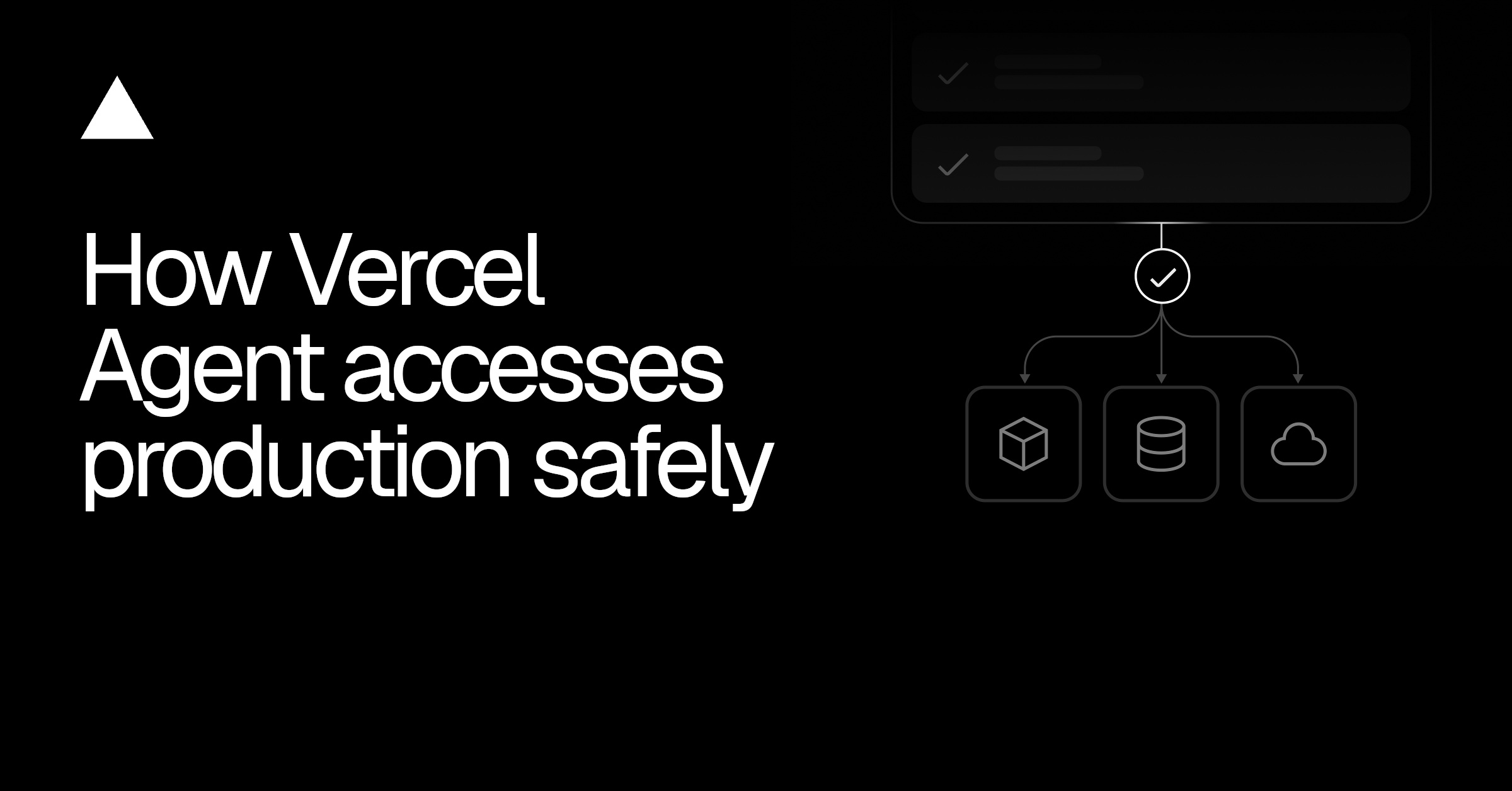
How Vercel Agent Safely Accesses Production: A Plan-Driven Permission Model
How does Vercel Agent safely access production? A breakdown of its plan-driven permission model: scopes, OAuth tokens, and runtime checks.

Vercel Declares War on Long-Lived Static Credentials: How OIDC Is Reshaping Machine Identity Authentication
Vercel pushes OIDC to replace long-lived static credentials; a survey shows only 8.4% of SaaS vendors support secure authentication. Learn how OIDC works, Vercel's three-pronged strategy, and the 2026-2027 vendor deprecation timeline.

Vercel Pro Adds 8 New TLDs to Free Domain Offering, Bringing Total to 16
Vercel Pro adds .co, .studio, .company, and 5 more TLDs to its free domain offer, bringing the total to 16. Learn the new suffixes, claim rules, and renewal details.
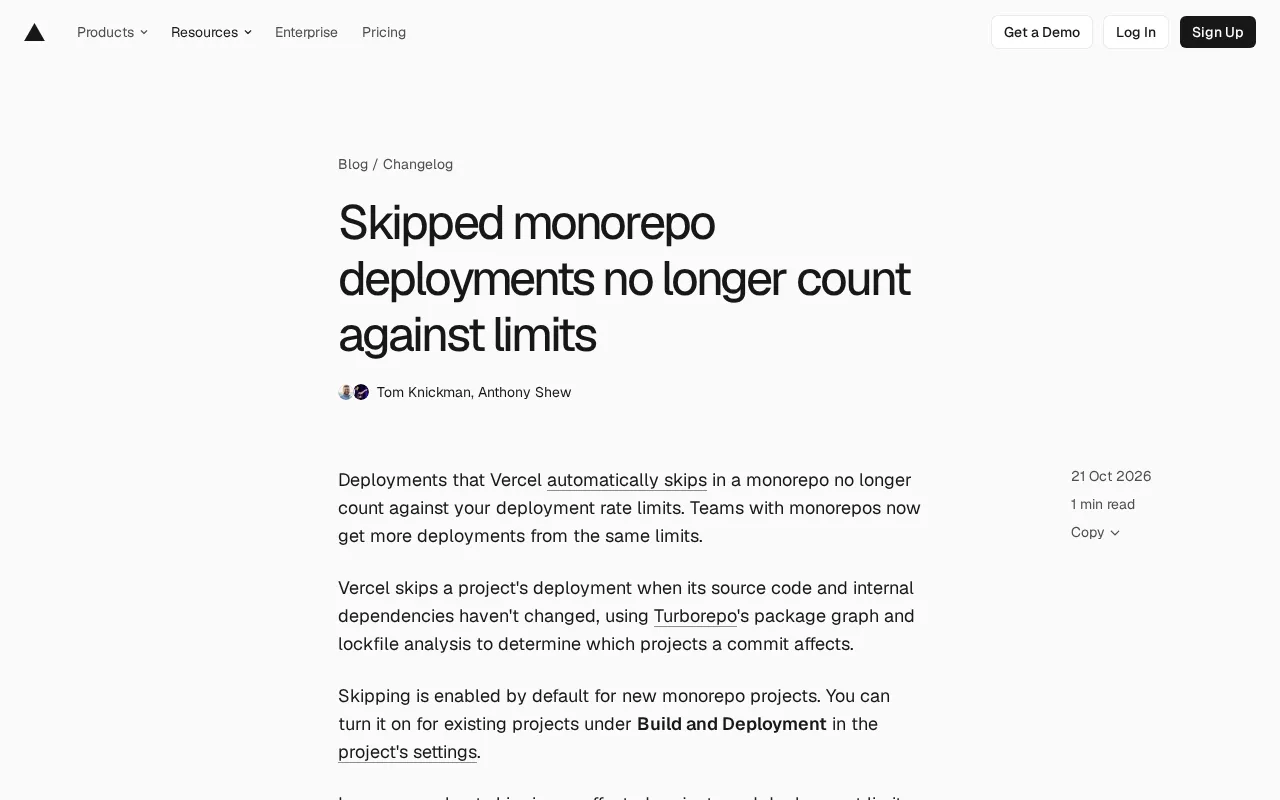
Vercel Skipped Monorepo Deployments No Longer Count Toward Limits, Giving Teams More Deployment Quota
Vercel updates Monorepo deployment strategy: automatically skipped deployments no longer count toward deployment rate limits, using Turborepo dependency graph to precisely identify affected projects, enabled by default for new projects, giving teams more deployment quota.

Vercel Drives Officially Launches: The Era of Stateful AI Agent Hosting Begins
Vercel Drives is now generally available, letting developers run stateful AI Agents on Vercel. This analysis covers how it solves session persistence, long-task continuity, and tool-calling context passing, plus its impact on AI app development and the Agent hosting competitive landscape.
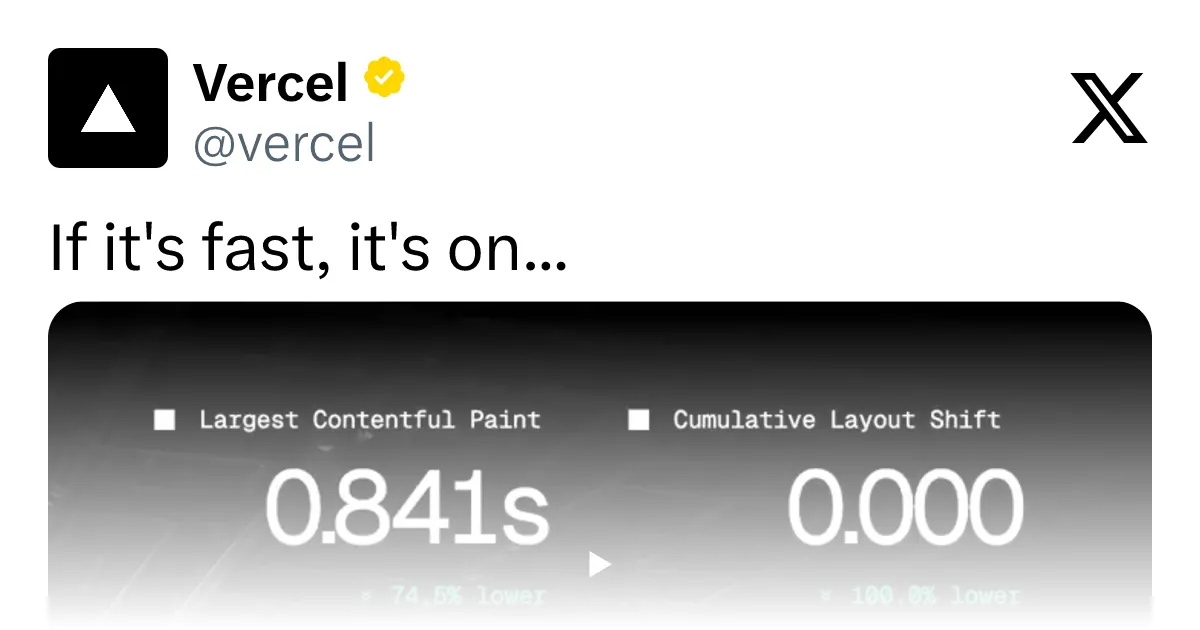
How Did Vercel Make the Mercedes F1 Team Website Faster?
Vercel announces further optimization of the Mercedes-AMG F1 team website. This article analyzes why F1 team sites demand speed, explores how Vercel's edge network, ISR, and image optimization deliver "faster" loading, and discusses what the performance race in sports digitalization means for developers.

Vercel Functions WebSocket Now Generally Available: 15 Million Daily Active Connections
Vercel Functions WebSocket support is now generally available. It handled 300 million connections during beta and sustains 15 million daily. Supports AI chat, streaming, and real-time multiplayer apps, with Active CPU pricing where idle connections aren't billed.
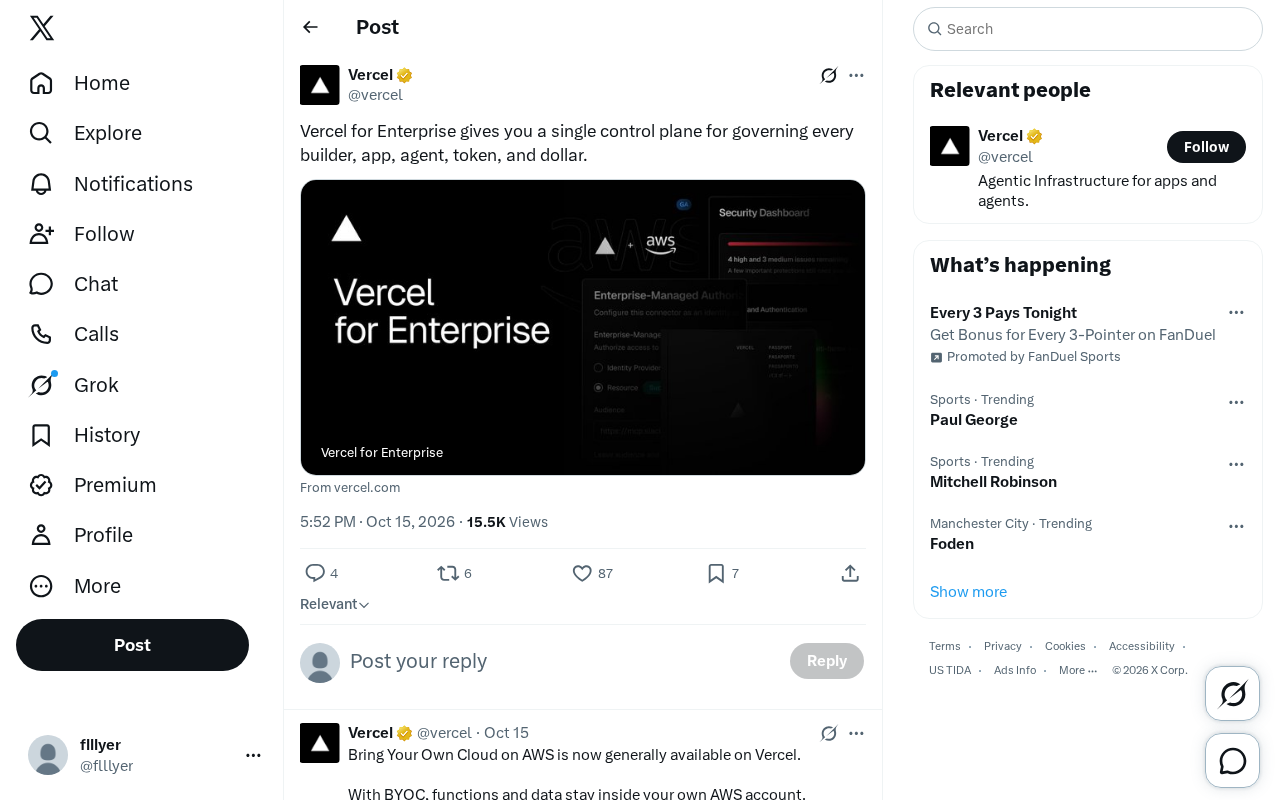
Vercel for Enterprise Launches: A Unified Control Plane to Govern Developers, Apps, and AI Agents
Vercel launches Vercel for Enterprise, a unified control plane governing builders, apps, AI agents, tokens, and spending. This article analyzes its positioning, five governance objects, and impact on enterprise users.

Vercel CEO: 60% of Deployments Now Done by AI Agents — Is SaaS Dead?
Vercel CEO Guillermo Rauch interview: coding agent deployments surge from 3% to 60%, open-source models take 80% of tokens, SaaS goes headless, agent security is the biggest risk.

Vercel Shop Launches: Making AI Agents First-Class Shoppers
Vercel and Shopify launch Vercel Shop, an open-source storefront template making AI agents first-class shoppers. Built on Next.js and Hydrogen SDK with UCP and MCP support.

Vercel's New Backend Push: Python GA, Containers, and Daemons
Vercel announced Python backend GA, container runtime for any language, and Vercel Daemons public beta for resident background workers. This article analyzes the technical details, use cases, and practical impact on full-stack developers.