vLLM Releases proto-v0.2.0: Internal Protocol Module Update
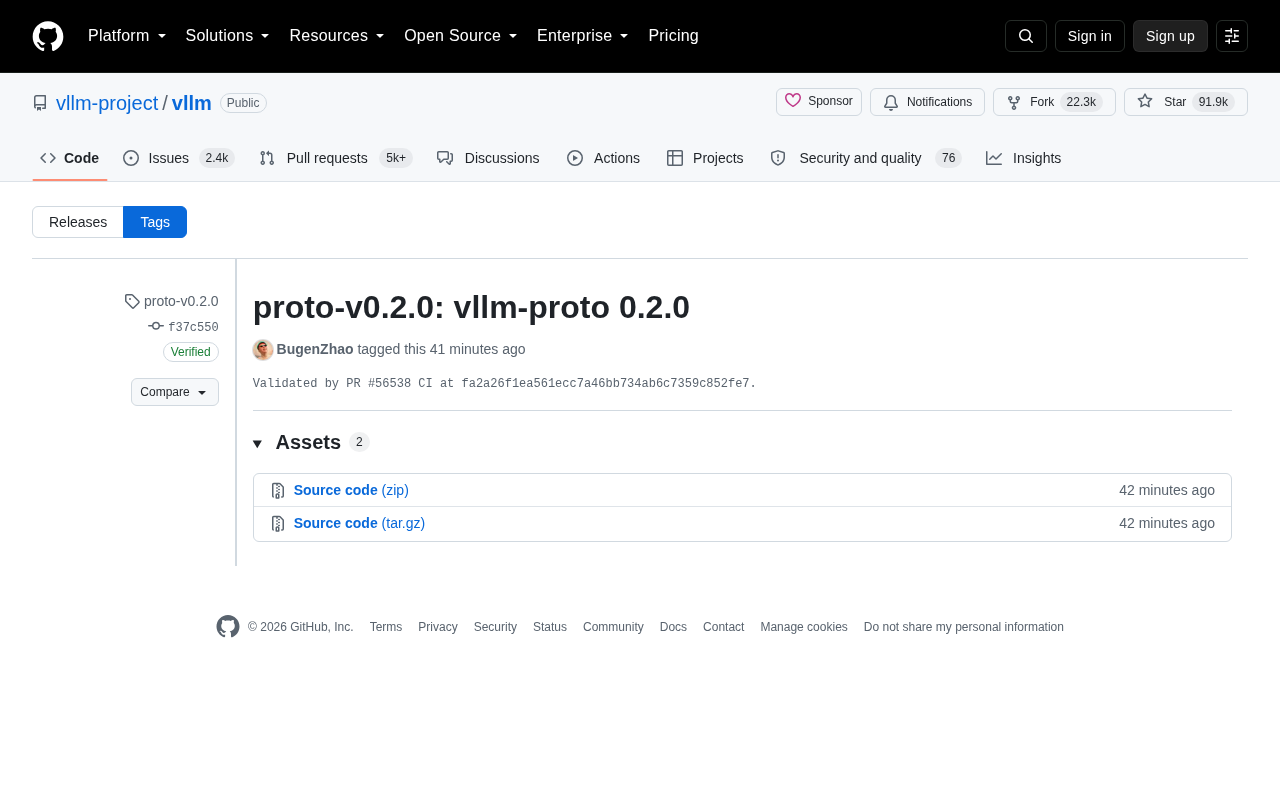
vLLM releases vllm-proto 0.2.0, a signed and CI-validated update to its internal protocol module.
vLLM has tagged `proto-v0.2.0` on GitHub, marking version 0.2.0 of its internal protocol module vllm-proto. The release was signed with a verified signature by maintainer Bugen Zhao and passed CI review via PR #56538. The vllm-proto module defines communication protocols and data structures between components in distributed inference scenarios; independent versioning helps downstream teams carefully manage protocol-layer compatibility risks. No detailed changelog was included — substantive changes require reviewing the corresponding PR and commit diff. This is a routine engineering milestone reflecting vLLM's continued maturity in modularization and release security, not a major framework feature update.
vLLM proto-v0.2.0 Released
vLLM has published a new tag proto-v0.2.0 on GitHub, corresponding to vllm-proto version 0.2.0. The tag was signed by maintainer Bugen Zhao with a verified signature, carries commit hash f37c550, and passed CI validation via PR #56538 (commit fa2a26f).
As one of the most active large language model inference frameworks available today, vLLM has accumulated over 91,000 stars and 22,000 forks on GitHub. The proto- prefix in this release tag points to the project's internal protocol-related module — an independent versioned component at the framework's lower layers.
What the Release Record Confirms
The publicly available release information is fairly limited. The key confirmed facts are:
- Version: vllm-proto 0.2.0, tag name
proto-v0.2.0. - Signature verification: The tag was signed by the committer using a verified signature (SSH Key Fingerprint is queryable), consistent with vLLM's security standards for releases.
- Validation path: Verified through CI tests in PR #56538, ensuring changes are automatically checked before merging into the main branch.
- Release assets: The release includes 2 attached assets (build artifacts).
Why Component-Level Versioning in vLLM Matters
Large open-source projects often split different submodules into independent version lines, and prefixed tags like proto-v0.2.0 are a direct expression of this engineering practice. Compared to a monolithic release of the entire framework, independently versioned components give maintainers finer-grained control over the evolution of the protocol layer, serialization formats, or inter-process communication interfaces.
For teams building on top of vLLM, keeping an eye on these component-level tags has real practical value: changes to the protocol module can affect compatibility in distributed inference, KV cache transfer, or inter-service communication. Releases backed by explicit CI validation and cryptographic signatures also reduce the risk of introducing unreviewed code into production environments.
Version Traceability and Security Practices
This release is notable for its use of "verified signature" and "vigilant mode." Vigilant mode flags all unsigned or unverifiable commits in a repository, improving supply chain security traceability. For an infrastructure project as widely deployed in inference services as vLLM, these safeguards are an important part of maintaining community trust.
Vigilant Mode is a commit signature verification feature provided by GitHub. When enabled, GitHub annotates every commit and tag in the repository with a signature status: Verified, Unverified, or unsigned. This is critical for supply chain security — if an attacker manages to inject a malicious commit into the build pipeline without a verifiable signature, ordinary users may have no way to detect it. Both SSH keys and GPG keys can be used to sign commits; GitHub binds public keys to accounts, linking code changes to real contributor identities. For an infrastructure project like vLLM that is directly deployed in inference services by a large number of enterprises, this mechanism effectively reduces the risk of "poisoned" releases and makes it possible to audit the provenance of code in any given version.
The vllm-proto module's core role is to define the data structures and interface contracts used for inter-process communication within vLLM, typically described using serialization formats such as Protocol Buffers (protobuf). In distributed inference scenarios, components like the scheduler, executor, and KV Cache manager collaborate across processes and even across nodes, relying on stable protocol formats to exchange messages. If the proto module undergoes a backward-incompatible field change or interface adjustment, clusters mixing different component versions may encounter parse errors or silent data corruption. Maintaining a separate version line for the proto module allows downstream teams to independently assess protocol-layer compatibility risks before upgrading the main framework — a common best practice in large-scale distributed systems engineering.
Limitations and Recommendations for Follow-Up
It's worth noting that the original release notes do not include a detailed changelog, so it is not possible to confirm from publicly available materials exactly what was added, fixed, or changed in 0.2.0 compared to 0.1.x. Readers interested in the substantive changes are encouraged to review the contents of PR #56538 and the corresponding commit diff directly.
For developers who want to stay current with the vLLM ecosystem, the following areas are worth watching:
- The cadence of future
proto-series tag updates on the official repository's Releases page; - Issues and PR discussions related to this component, to understand its role within the overall architecture;
- Changes in how the main framework version declares its dependency on the internal protocol module at release time.
Overall, proto-v0.2.0 is a routine milestone in vLLM's ongoing engineering maturation. It does not represent a major feature update at the framework level, but it does reflect the project's growing sophistication in modularization, version traceability, and release security.
Related articles
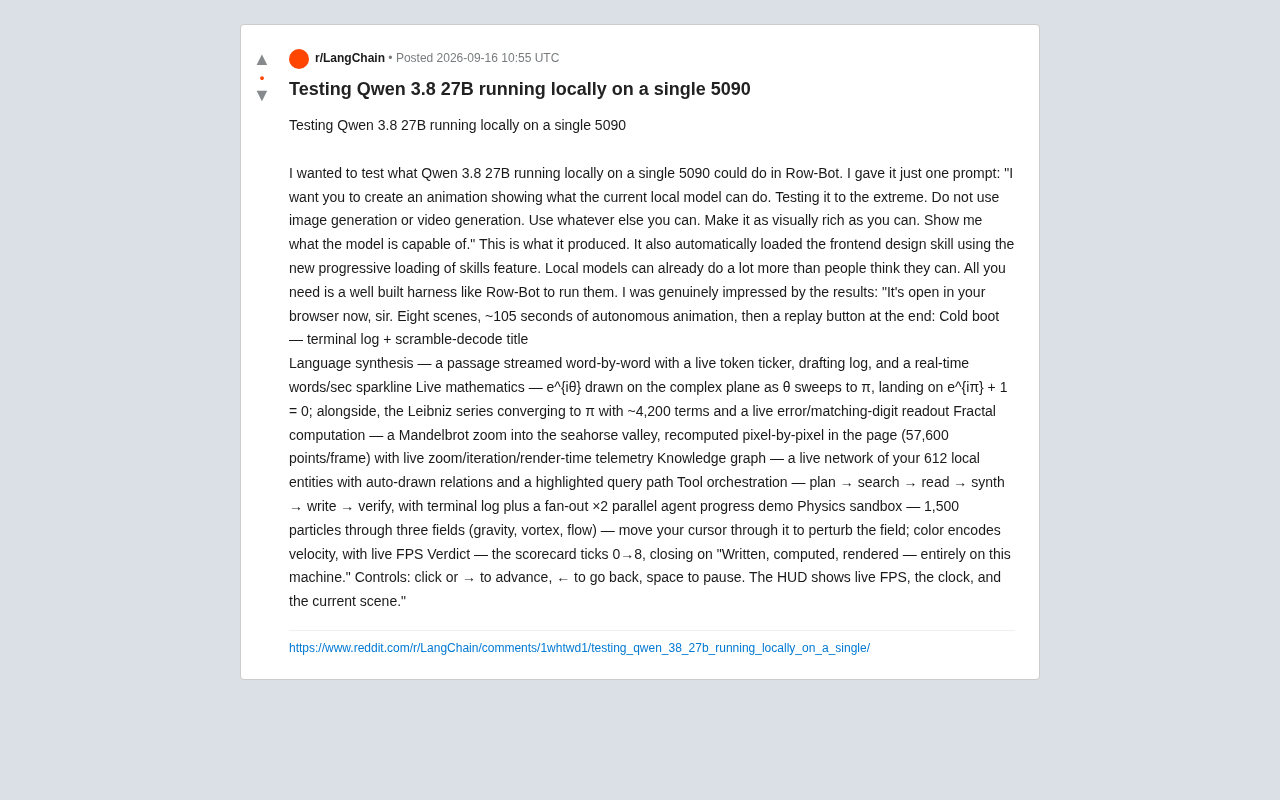
Running Qwen3 27B Locally on a Single RTX 5090: What Can It Actually Do?
A developer runs Qwen3 27B locally on a single RTX 5090 via the Row-Bot Agent framework, generating an 8-scene, 105-second interactive animation from one prompt — including real-time math, fractals, and physics.
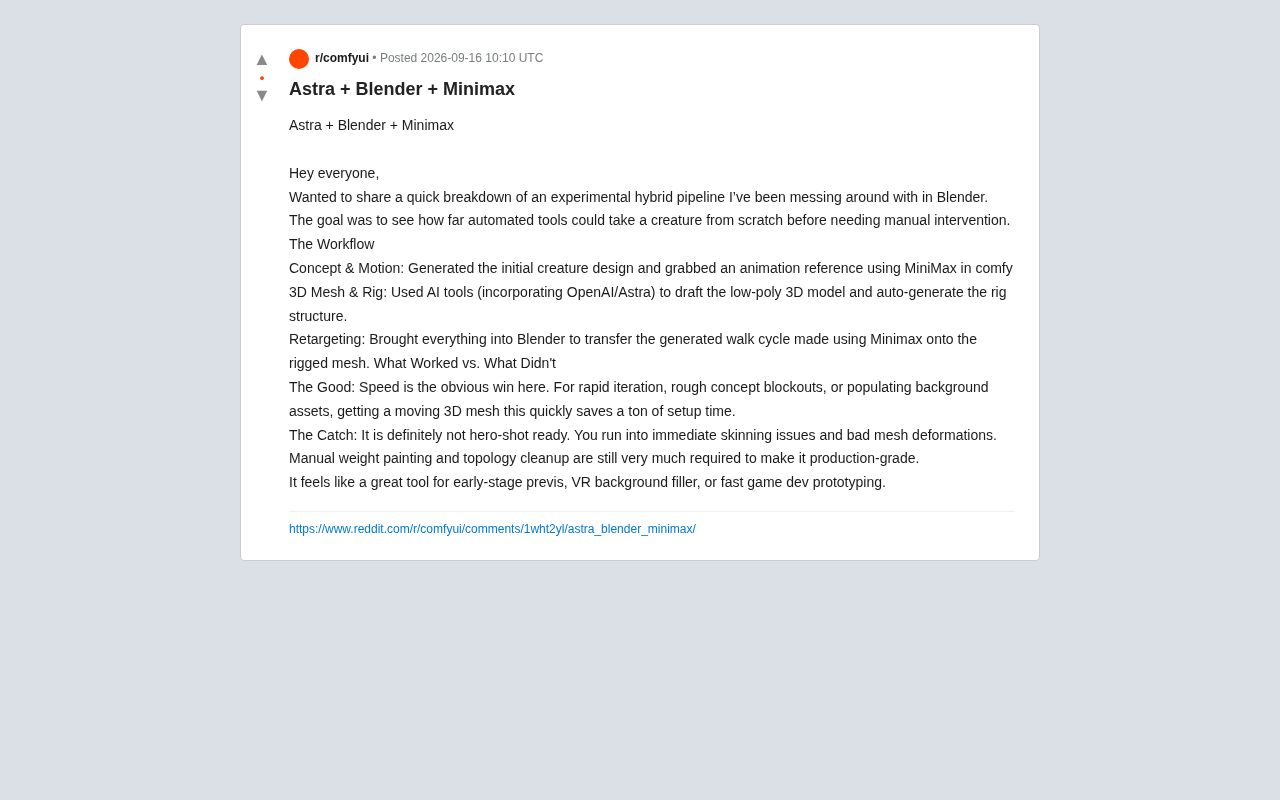
AI Hybrid Workflow in Practice: Auto-Generating 3D Creatures with Astra + Blender + MiniMax
A Reddit creator tests an Astra+Blender+MiniMax hybrid AI workflow for 3D creature animation — from concept to rigging to retargeting. Here's what works and what doesn't.

Apple Reference Image: A New Paradigm for Verifiable Photography
Apple's Reference Image proposal uses on-device cryptographic signing to establish verifiable baselines for real photos, tackling AI-generated image authenticity at the hardware level.