WhaleRead: A Local-First AI Translation E-Book Reader That Puts Privacy First
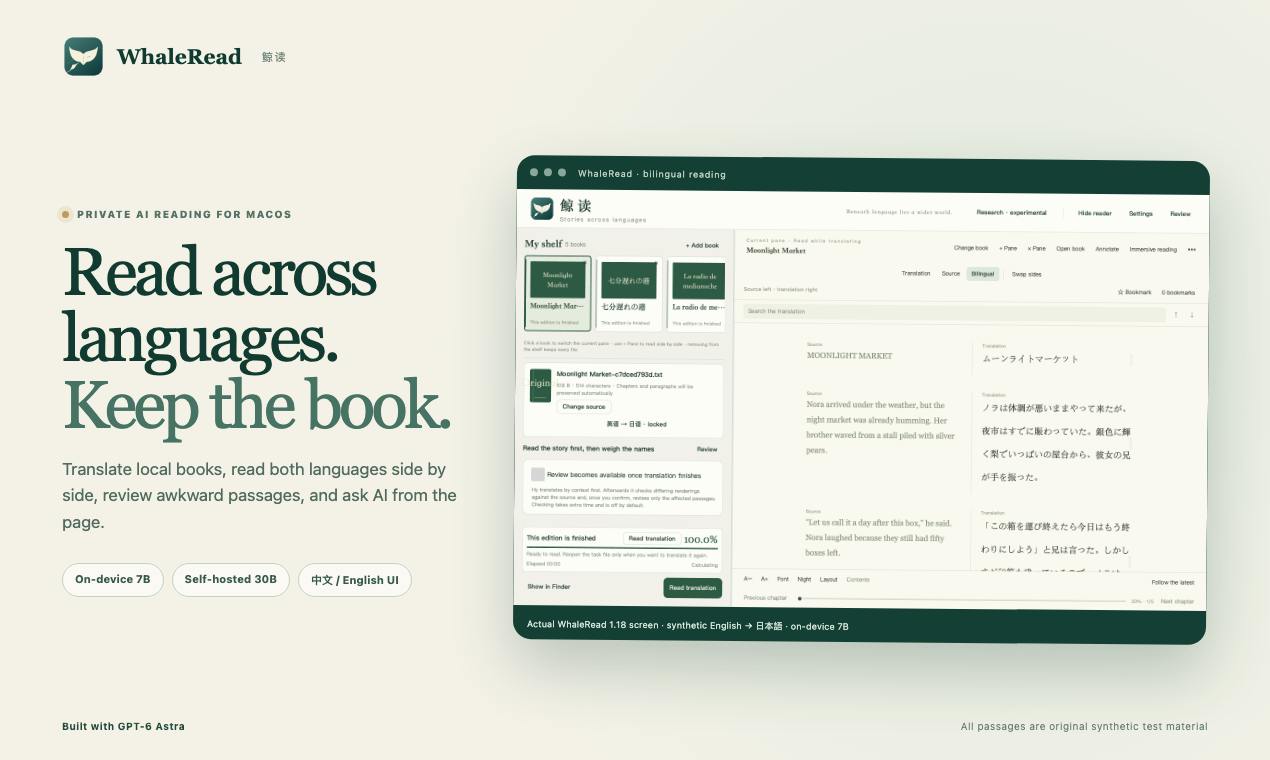
WhaleRead is a local-first macOS e-book reader that translates using on-device or self-hosted AI models, keeping your data off third-party servers.
WhaleRead is a macOS reader built around a "local-first" philosophy, supporting AI translation for TXT, Markdown, and EPUB formats while keeping all data processing on the user's device or in a private environment. It offers two technical paths: running a 7B model locally for everyday use, or connecting to a self-hosted 30B model for higher translation quality. It also features bilingual reading, human-confirmed review, and Ask AI — expanding it from a translation tool into an interactive reading assistant. Currently macOS-only and in early stages, it faces challenges around local model quality and the technical bar for 30B self-hosting, but offers a compelling option for privacy-conscious users who prioritize data sovereignty.
A Reader That Keeps Translation on Your Device
In an era when AI translation tools are everywhere, most rely on cloud APIs — meaning your books, notes, and reading habits all pass through third-party servers. WhaleRead takes a different approach: it's a macOS reader built around a "local-first" philosophy, keeping translation, review, and AI Q&A on your own device as much as possible.
It debuted on Product Hunt with 73 upvotes and a #14 ranking, listed under categories like Languages, Artificial Intelligence, Books, and OpenAI Day. The product's positioning is clear: support translation across three common text formats — TXT, Markdown, and EPUB — while keeping your entire library firmly under your own control.
Core Capabilities: Two Paths — Local Models and Self-Hosted
WhaleRead's most notable design decision is how it handles the translation engine. It offers two technical approaches: running a 7B-scale model locally on the device, or connecting to a user-hosted 30B private model.
These two options serve different use cases. The 7B model is compact enough to run locally on a typical Mac, handling everyday lightweight translation needs. The self-hosted 30B option is aimed at power users who demand higher translation quality and have the infrastructure to run a private inference service. In both cases, the core principle is the same: data never leaves your local environment or private setup, eliminating the privacy concerns that commonly come with cloud-based translation.
For users handling sensitive documents, unpublished manuscripts, or personal notes, this "data sovereignty" property is a hard requirement — not a bonus feature.
The "B" in "7B" and "30B" stands for Billion, referring to the number of model parameters. Parameter count is the primary metric for measuring a language model's scale — a 7B model has roughly 7 billion parameters, while a 30B model has around 30 billion. Generally, more parameters means better language comprehension and output quality, but it also multiplies the memory and compute requirements. On an Apple Silicon Mac, for instance, running a quantized 7B model typically requires 8GB or more of unified memory, while a 30B model may need 32GB or even more, with noticeably slower inference speeds. This is why WhaleRead maps the two options to "everyday lightweight users" versus "power users with a private inference setup" — it's not a difference in features, but a reflection of hardware realities. The rise of open-source models like Llama and Mistral in recent years has made running 7B models on consumer devices a practical option, which is the technical foundation that allows "local AI apps" to move from concept to product.
Bilingual Reading and Human-Confirmed Review
Beyond translation itself, WhaleRead preserves a bilingual reading experience — displaying the original text alongside the translation. This is especially useful for language learners and readers who need to verify the original meaning. No matter how capable machine translation gets, readers often need to glance back at the source to check tone and nuance.
The app goes further by introducing a "human-confirmed review" workflow. After the AI generates a translation, users can step in to confirm or correct it, rather than passively accepting an uneditable result. This "AI generation + human oversight" collaborative model aligns well with the growing consensus that AI output should be verifiable and not blindly trusted.
The companion Ask AI feature lets readers ask questions about the text at any time, expanding the reader from a pure translation tool into an interactive reading assistant.
Positioning in the Local-First Trend
WhaleRead's emergence reflects a trend that's gaining momentum: as small-parameter models (7B and smaller) run more smoothly on consumer hardware, "local AI apps" are transitioning from concept to practical reality. Rather than chasing the best possible translation quality, WhaleRead builds its differentiation around "good-enough local capability + complete data control."
That said, the local approach does come with trade-offs worth acknowledging. A 7B model's translation quality typically can't match top-tier cloud models. The 30B self-hosted option demands hardware and technical expertise that most everyday users may not have. Additionally, the product currently supports only macOS, the maker profile shows "New User," and there's only one comment — all signs that it's in early stages, with real-world reputation and long-term development capacity yet to be proven.
For readers who prioritize privacy and data sovereignty, language learners, and developers accustomed to processing documents locally, WhaleRead offers a compelling idea worth trying out. Whether it can keep refining the experience and quality will determine how far it goes.
"Local-first" is a software design philosophy that has gained traction in recent years, first systematically articulated by the Ink & Switch research team in 2019. Its core premise is that user data should be stored and processed on the local device first, with the cloud serving only as an optional sync or backup channel — not a mandatory data transit point. The idea emerged partly as a reaction to the risks of SaaS data custody: when a cloud service shuts down or changes its privacy policy, users often lose control over their own data. For AI applications specifically, local-first also addresses an additional concern: preventing user input — whether private documents or business secrets — from being used for model training or accessed by third parties. WhaleRead extends this philosophy to the translation context, giving its appeal to privacy-conscious users a clear theoretical foundation rather than just a marketing talking point.
Related articles
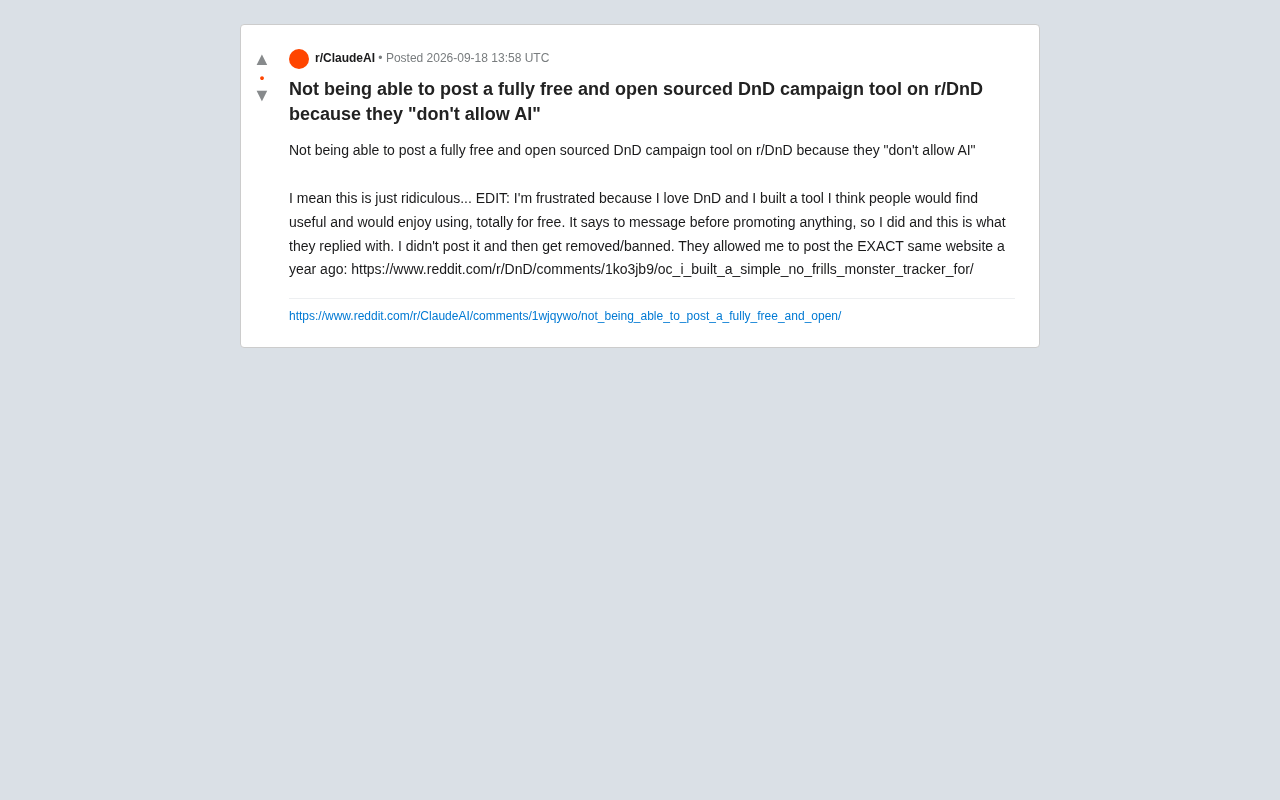
Free Open-Source Tool Rejected: The Community Controversy Sparked by r/DnD's AI Ban
A free open-source DnD campaign tool was rejected by r/DnD's AI ban — yet the same tool was approved a year ago. The case highlights the blurry line between AI tools and AI-generated content.
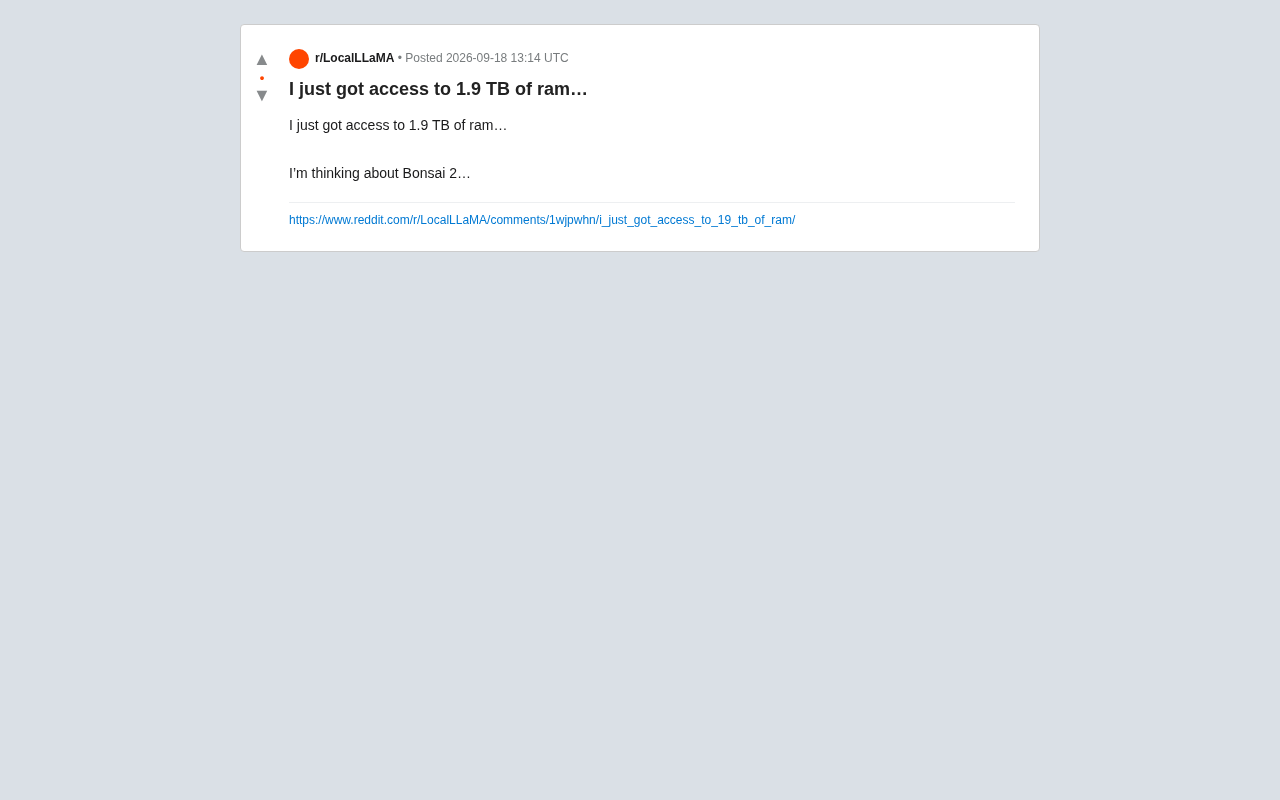
What LLMs Can You Run with 1.9TB of RAM? Exploring the Ceiling of Local AI Deployment
A Reddit user with 1.9TB of RAM sparked debate about local LLM deployment. We break down what massive RAM enables, where CPU inference falls short, and the real bottlenecks.
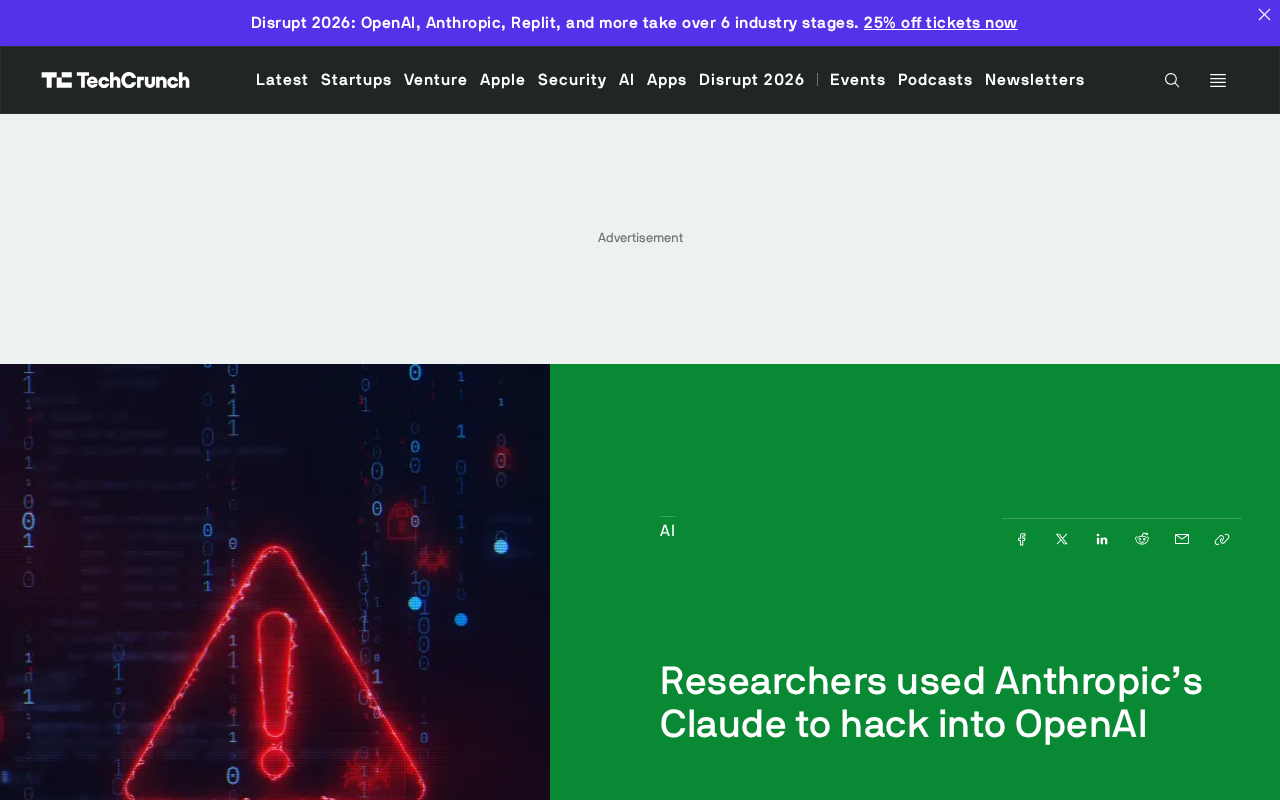
Researchers Use Claude to Hack OpenAI Systems: A New Wake-Up Call for AI Security
Security researchers used Anthropic's Claude to breach OpenAI systems, taking over employee accounts and accessing internal repos. What this means for AI security.