What a Single HN Comment Reveals About the Real Value of Developer Communities
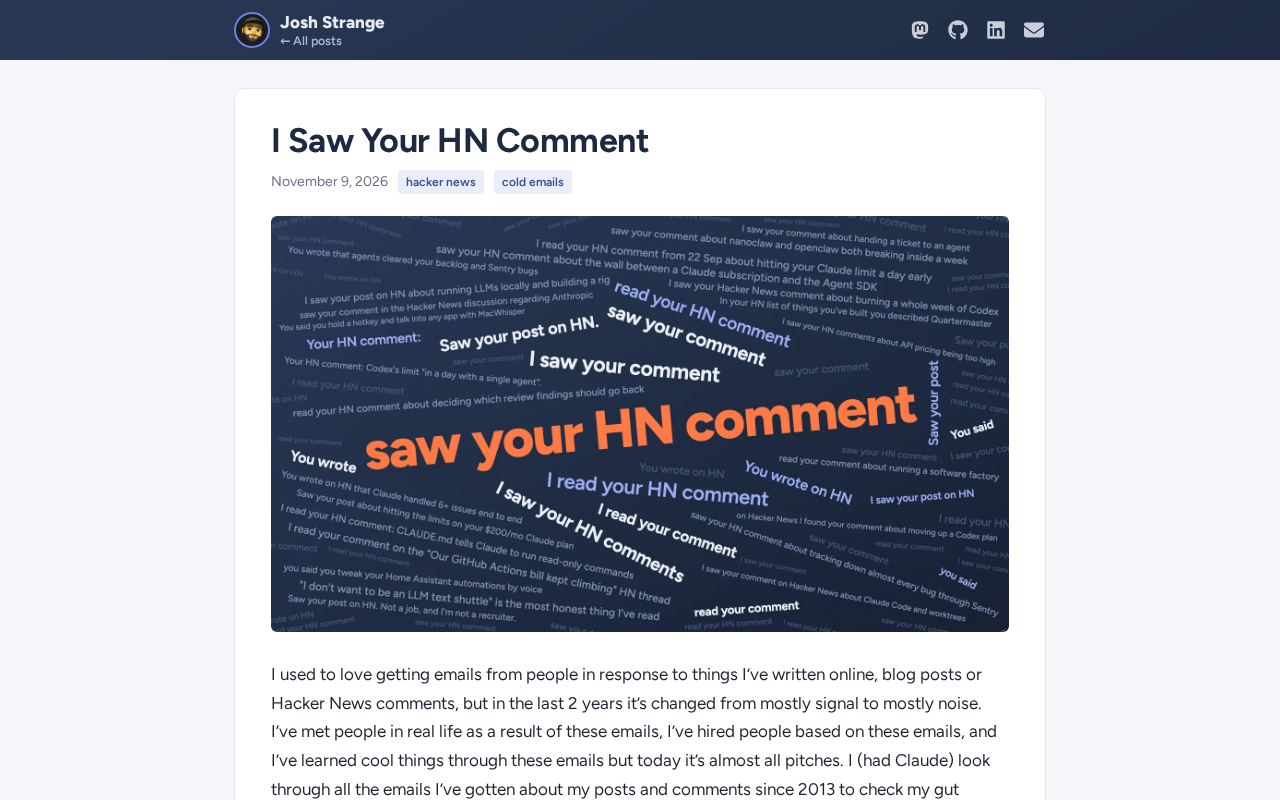
The value of technical communities hides in comment sections: weak ties, being seen, and informal knowledge bases.
Starting from a Hacker News post with 213 points and 138 comments, the article explores the underrated value of technical community comment sections. The author notes that HN's comment section naturally forms numerous weak ties, with trust between commenters and authors built on specific technical judgments—more solid than social media mutual follows. When comments are responded to by the author themselves, commenters experience a strong sense of 'being seen,' creating a positive cycle of high-quality discussion. The article also warns that HN's voting and ranking mechanism favors early comments and controversial statements; high votes don't equal high value, and truly insightful content is often folded. Comment sections also accumulate fragmented practical experience beyond official documentation, forming an informal knowledge base. For creators, actively responding to comments builds a recognizable professional image, while marketing content is quickly identified in comment sections.
A Single Comment Sparks Reflection
On Hacker News, a seemingly ordinary comment thread racked up 213 points and 138 replies. The starting point of this article is intriguing—the author, Josh Strange, titled his post "I Saw Your HN Comment," recounting how a stranger "saw" him in the HN comment section. The very fact that this experience was worth writing down reveals a counterintuitive truth: in an era where algorithmic recommendation dominates content distribution, a high-quality comment section remains the scarcest asset in developer communities.
HN's discussion area has long been regarded as the information hub of the tech world, but its real function goes far beyond "hub." The value of technical communities often hides in conversations that don't directly point to answers. A comment can correct a technical judgment, or help an obscure project find its first batch of real users.
The "Weak Ties" Effect in Comment Sections
The most underrated feature of HN's comment section is that it naturally forms a large number of weak ties. There's usually no direct social relationship between the poster and commenters, but the comment content itself constitutes a trust based on professional judgment. This trust is more solid than mutual follows on social media because it's built on specific technical discussion.
Josh Strange's experience shows that when a comment is seen and responded to by the author themselves, the commenter develops a strong sense of participation. This feedback loop is exactly why HN stays vibrant: high-quality discussion attracts high-quality readers, who in turn contribute even higher-quality comments. A scale of 138 comments is upper-middle range on HN, indicating the topic struck a shared experience among a considerable number of people.
Why "Being Seen" Matters So Much
Developers mostly face asynchronous collaboration and documentation reading in their daily work, with relatively little direct human feedback. When someone leaves an opinion in a public comment section and receives a response from the author days later, this "being seen" experience significantly boosts their sense of belonging to the community. It turns one-off information browsing into two-way exchange, and transforms the community from a content consumption venue into a relationship-building venue.
The concept of "weak ties" originates from sociologist Mark Granovetter's classic 1973 paper "The Strength of Weak Ties." He found that key opportunities like finding a job often come from acquaintances with whom one isn't in frequent contact and has distant relationships, rather than close friends—because strong-tie circles have highly overlapping information, while weak ties can bridge different social circles and bring new information. HN's comment section is a typical field of weak ties: posters and commenters don't know each other, yet connect through shared technical interests. This connection requires no long-term maintenance but can transmit valuable information across circles—this is the sociological foundation that enables technical communities to amplify individual influence.
Information Filtering Mechanisms in Technical Communities
HN's ranking mechanism relies on voting, which gives quality discussion a chance to surface but also brings obvious biases: earlier comments more easily accumulate votes, and emotional or controversial statements more easily attract attention. Josh Strange's post earned 200+ points partly because the title itself carries narrative tension rather than being pure technical substance.
This reminds us that high votes in comment sections don't necessarily equal high value. For technical readers, a more useful approach is to focus on specific experiences, counterexamples, and supplementary information that appear in the discussion, rather than just reading the first few comments. 138 comments means a large amount of information is folded behind the "more" button—truly insightful content often requires actively digging through.
Comment Sections as Informal Knowledge Bases
Many technical questions' answers aren't in official documentation but in supplementary notes in some comment. HN's comment section has accumulated a large amount of this fragmented knowledge: the actual maintenance status of some library, pitfalls of some approach in production environments, practical experience from some team. This content isn't systematically organized, but it's extremely valuable to those encountering the same problems.
HN's ranking algorithm doesn't just count total votes but combines votes with time decay, using a gravity formula like "score / (age + 2)^1.8" to quickly separate new and old posts. This means the earlier a comment is posted, the more easily it accumulates momentum within the time window; later high-quality comments, even with better content, often struggle to catch up due to the time penalty. Additionally, HN has vote manipulation detection and allows users to flag low-quality content. Understanding this mechanism helps readers judge: votes reflect "being seen by enough people at the right time" rather than pure discussion quality, so actively browsing folded comments is the correct approach to obtaining in-depth information.
"Informal knowledge" in the knowledge management field typically refers to tacit knowledge that isn't formally documented and is scattered across conversations and experiences, as opposed to explicit knowledge like official documentation. The value of technical community comment sections lies in preserving much practical knowledge that's hard to codify (such as the maintenance activity of some dependency, environment compatibility issues of specific versions, team pitfall records) in conversational form. This knowledge differs from Q&A sites like Stack Overflow: the latter pursue unique correct answers, while comment sections carry collisions of viewpoints and contextual differences, better suited to presenting the complex reality of "it depends." Its limitation is poor searchability and easy burial by algorithms, so experienced developers treat comment sections as supplementary sources for cross-validation.
Implications for Content Creators
From a creator's perspective, Josh Strange's approach provides a referenceable sample: actively paying attention to comments related to your content and responding to valuable feedback. This isn't just a matter of politeness—it's about building a discussion venue around your work. When authors are willing to spend time replying to comments, commenters are more willing to write serious comments next time, and this positive cycle gradually accumulates into part of a personal brand.
Conversely, if authors treat the community merely as a traffic funnel, discussion enthusiasm in the comment section will quickly fade. HN users are quite sensitive to marketing content, and the line between genuine technical exchange and promotion is often quickly identified in comment sections.
The Costs and Returns of Community Participation
Seriously participating in HN discussions requires time investment, and returns aren't always immediately visible. But in the long run, consistently producing informative comments builds a recognizable professional image within the tech circle. This image isn't as intuitive as follower counts, but it genuinely matters in scenarios like hiring, collaboration, and project promotion.
Conclusion
"I Saw Your HN Comment" resonated because it touched the core of technical communities: people come here not just to find answers but also to seek recognition from their peers. The comment section isn't an appendage to the main content—it's the most vital part of the community itself. For developers, the value of carefully writing a comment may far exceed a casual share.
Related articles
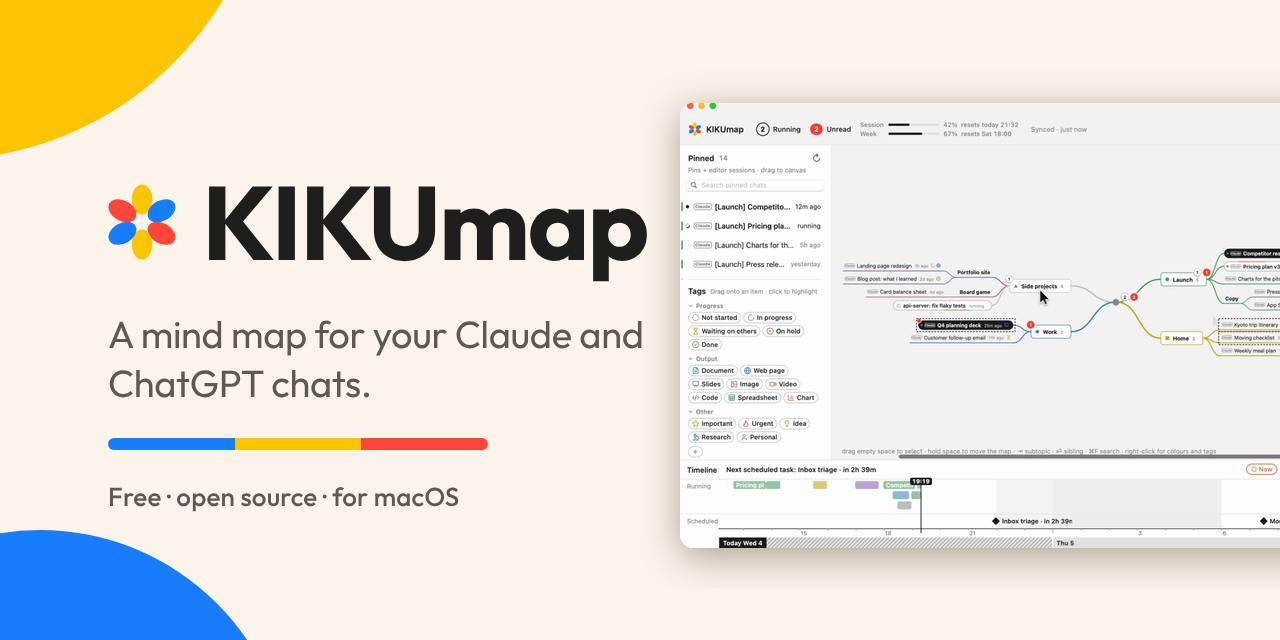
KIKUmap: Manage Your Claude and ChatGPT Conversations with Mind Maps
KIKUmap is a macOS menu bar app that visualizes Claude and ChatGPT conversations as mind maps with real-time status. Free and open source.

Hugging Face Executive Warns: Cyberattacks Are Eroding the Openness of Open-Source AI
Hugging Face executive Irene Solaiman warns that rising cyberattacks on open AI platforms may force stricter security limits, threatening the openness of the open-source community and affecting the developer ecosystem.
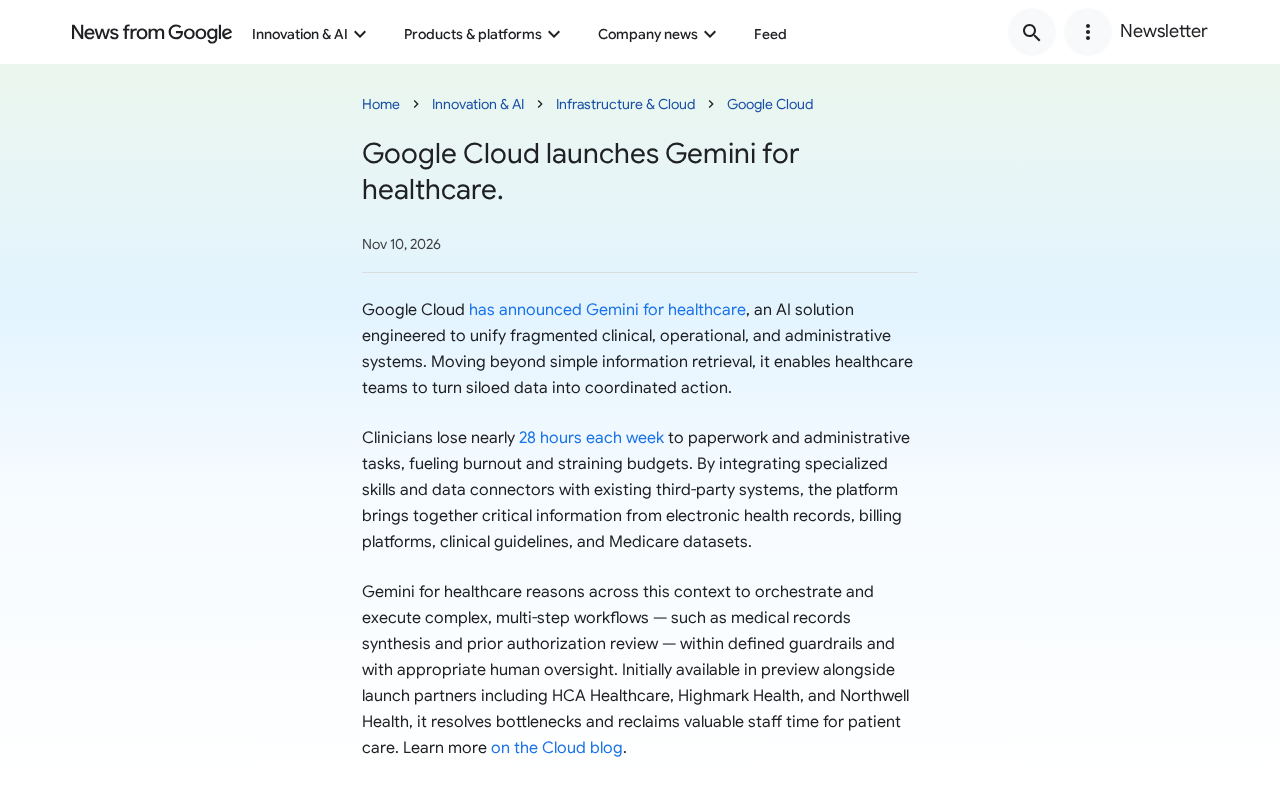
Google Cloud Launches Healthcare Version of Gemini: Integrating Clinical Data and Automating Workflows
Google Cloud releases healthcare version of Gemini, focusing on unified clinical data and automated workflows to reduce administrative burnout. Analysis of positioning, challenges, and the healthcare AI landscape.