What Are Frontier Labs Buying? The Data Lessons From Handshake AI's Nearly $1B Annual Revenue
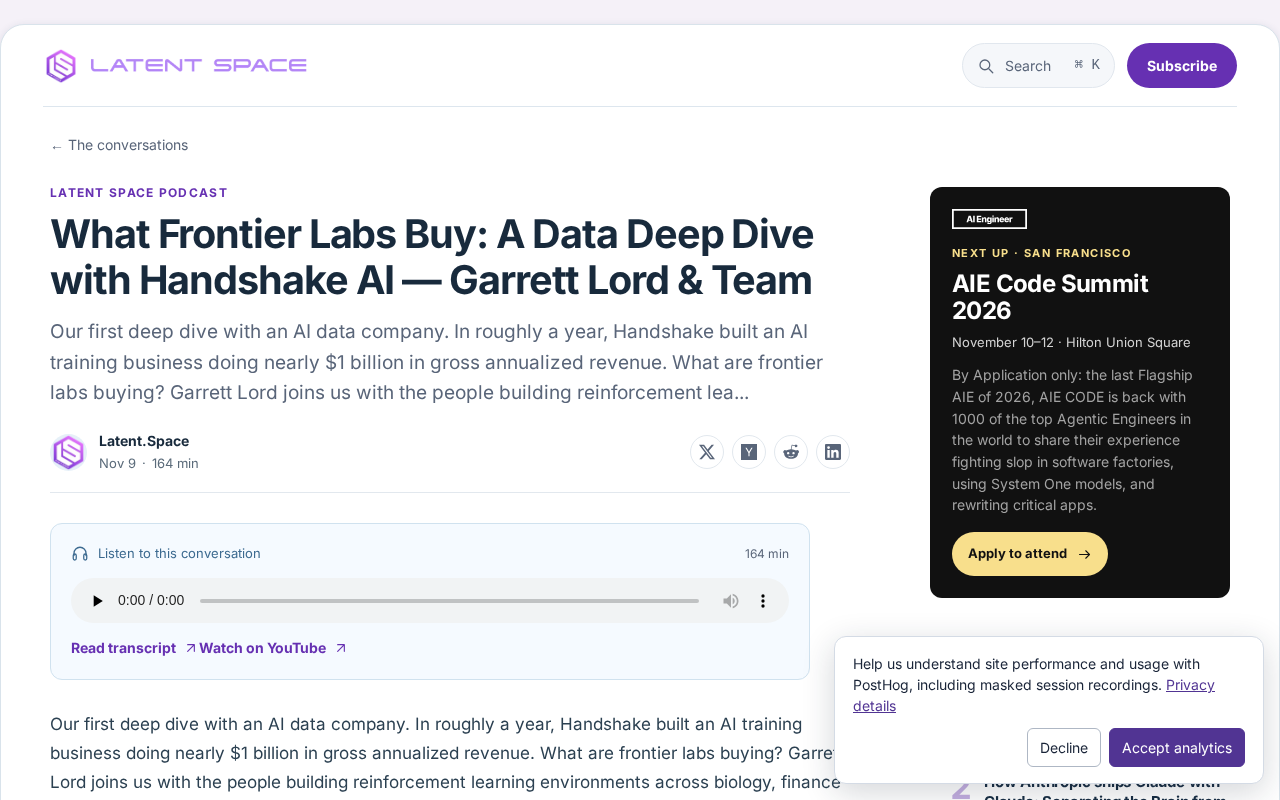
Handshake built a nearly $1B AI data business in a year, reflecting labs' shift toward reinforcement learning data.
Based on a podcast interview with Handshake AI founder Garrett Lord, the article notes that Handshake grew its AI training data business to a gross annualized revenue run rate of nearly $1 billion in about one year, showing that supplying training data to frontier labs is an independent sector with large-scale revenue. The article argues that labs' procurement focus is shifting from traditional human labeling to reinforcement learning-oriented data construction—task definition, result evaluation, and high-quality feedback signals—which have higher professional barriers. The interview's value lies in revealing information asymmetry between buyers and sellers, offering a glimpse of what labs are willing to pay for. The author cautions that run rate does not equal recognized revenue or profit margin, and the interview does not disclose customer structure or contract details, so it should be viewed as a signal of sector heat rather than a precise measure of market size.
An Overlooked Signal: The AI Data Business Is Far Bigger Than Imagined
According to a podcast interview with Handshake AI founder Garrett Lord and his team, Handshake grew its AI training business to a gross annualized revenue run rate of nearly $1 billion in roughly one year. Viewed within the broader AI industry chain, this figure stands out sharply—it shows that "supplying training data to frontier labs" is no longer a scattered outsourcing business, but an independent sector with the capacity for large-scale revenue.
The more intriguing question raised by the interview is: what exactly are frontier labs buying? If they were only buying labeled Q&A pairs, this business would struggle to support such volume. In the conversation, Garrett Lord and his team steered the discussion toward reinforcement learning-related data construction, which suggests the structure of demand is shifting.
What Does "Gross Annualized Revenue Run Rate" Actually Mean
Annualized run rate is a common disclosure method in SaaS and subscription businesses: take the most recent month's or quarter's revenue, multiply by 12 or 4, and extrapolate to a full-year scale. It reflects "how big it would be if run for a year at the current pace," not the full-year revenue actually received. Gross revenue typically does not deduct direct costs such as payments to data annotators and outsourcing teams, so it is far removed from net revenue or profit. A gross run rate of nearly $1 billion may correspond to entirely different profit structures and contract stability. When comparing figures disclosed by different companies, readers should first confirm whether it is a run rate or recognized revenue, and whether it is a gross or net measure—otherwise it is easy to overestimate the actual size of the sector.
From Labeling to Reinforcement Learning: The Center of Demand Is Shifting
Traditional data labeling takes the form of "a human gives the answer" and the model learns to imitate. Under the reinforcement learning paradigm, labs need a different kind of asset: signals that can define tasks, evaluate results, and provide high-quality feedback. This type of data demands far more expertise and process design, and it more readily forms barriers to entry.
The interview mentions that the Handshake team is building reinforcement learning-related data capabilities, a direction consistent with the industry's overall trend. As the dividends of pre-training corpora are gradually exhausted, labs' competitive focus shifts to post-training and reasoning capabilities. Whoever can provide task environments and evaluation standards close to real professional scenarios holds the bargaining power. This also explains why a company that started in campus recruiting could enter the AI data supply chain and reach scale in a short time.
The Basic Mechanisms of Reinforcement Learning (RL) and RLHF
Reinforcement learning is a training paradigm in which a model interacts with an environment and adjusts its behavior based on feedback signals. In the context of large models, the most common implementation is RLHF (reinforcement learning from human feedback): the model generates multiple responses to the same prompt, human or AI evaluators rank or score the responses, and this preference signal is used to train a reward model, which then—through policy optimization (such as PPO or DPO)—biases the model toward producing higher-scoring responses. Unlike supervised fine-tuning, which "gives standard answers for the model to imitate," reinforcement learning provides "judgments of good versus bad" rather than "correct answers," so the data format shifts from Q&A pairs to task environments, scoring criteria, and preference comparisons. This also explains why the article's "signals that can define tasks, evaluate results, and provide high-quality feedback" are harder to produce than labeled data—they require the supplier to have domain expertise and the ability to design reproducible evaluations.
The Divide Between Pre-training, Post-training, and Reasoning Capabilities
Large model training is roughly divided into several stages: pre-training is self-supervised learning on massive internet text, giving the model general language and knowledge capabilities—this stage feeds on the dividend of corpus scale; post-training includes supervised fine-tuning, RLHF, rejection sampling, and more, used to align with human preferences and improve performance on specific tasks; reasoning-stage capabilities (such as chain-of-thought and long-horizon planning) increasingly depend on the verifiable tasks and process feedback introduced during post-training. As high-quality public corpora approach exhaustion and the marginal returns of pre-training decline, labs are shifting resources to post-training, and demand rises for data that is "verifiable, close to professional scenarios, and able to provide process feedback." This is precisely the technical backdrop for the shift in demand structure described in the article.
Information Asymmetry on Both Sides of Supply and Demand
An easily overlooked detail is that the value of this kind of in-depth interview lies not in disclosing specific contract amounts, but in revealing the information gap between buyers and sellers. Frontier labs know exactly what they want, but outsiders rarely know what they are willing to pay for. The Handshake case offers a rare slice of the buyer's perspective: demand is concentrated on high-quality, verifiable data oriented toward reinforcement learning.
For teams building AI applications in China, this layer of information has practical reference value. If your product involves data production or evaluation, understanding "what labs buy" matters more than simply piling on human labeling. The moat of the data business often lies not in scale, but in the expertise of task design and the reliability of feedback signals.
Where Caution Is Warranted
It should be noted that the gross annualized revenue run rate of nearly $1 billion is a run-rate measure—it does not equal confirmed full-year revenue, nor does it represent a profit margin level. The interview itself unfolds as a conversation and does not disclose key details such as customer structure or contract terms. So treating these figures as a signal of sector heat is reasonable, but inferring the specific market size of a certain type of data product from them lacks sufficient evidence.
Likewise, the specific forms, delivery standards, and pricing logic of reinforcement learning data are not elaborated in the interview to a reusable operational level. For teams wanting to enter this field, these are precisely the parts that need to be verified independently.
Three Takeaways for Practitioners
First, the value of data services is shifting from "quantity" to "quality and structure," and the party that can design tasks and evaluation systems has the advantage. Second, cross-industry players may find an entry point faster than pure labeling companies—Handshake's professional talent network built from recruiting scenarios is a case in point. Third, pay attention to the difference between run-rate measures and actual revenue, and avoid being misled by a single number.
This interview is more of a research entry point than a complete answer. What is worth tracking going forward: whether frontier labs' procurement standards for reinforcement learning data will become standardized, and whether this type of demand can consolidate into stable long-term contracts.
One-line Summary
Handshake built a nearly $1 billion AI data business in one year, reflecting labs' shift in procurement focus toward reinforcement learning data.
Paragraph Summary
Based on a podcast interview with Handshake AI founder Garrett Lord, the article notes that Handshake grew its AI training data business to a gross annualized revenue run rate of nearly $1 billion in about one year, showing that supplying training data to frontier labs is already an independent sector with large-scale revenue capacity. The article argues that labs' procurement focus is shifting from traditional human labeling to reinforcement learning-oriented data construction—namely task definition, result evaluation, and high-quality feedback signals—assets with higher professional barriers. The value of the interview lies in revealing the information asymmetry between buyers and sellers, giving outsiders a glimpse of what labs are willing to pay for. The author also cautions that run rate does not equal recognized revenue or profit margin, and the interview does not disclose customer structure or contract details, so it should be treated as a signal of sector heat rather than a precise measure of market size.
Related articles
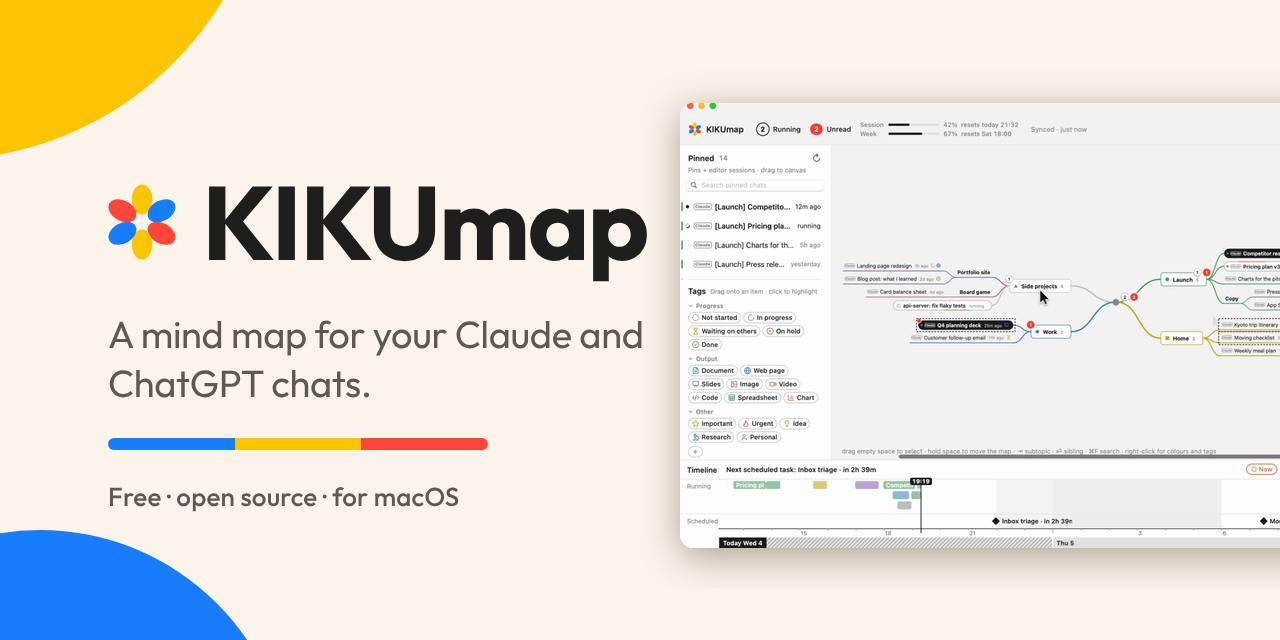
KIKUmap: Manage Your Claude and ChatGPT Conversations with Mind Maps
KIKUmap is a macOS menu bar app that visualizes Claude and ChatGPT conversations as mind maps with real-time status. Free and open source.

Hugging Face Executive Warns: Cyberattacks Are Eroding the Openness of Open-Source AI
Hugging Face executive Irene Solaiman warns that rising cyberattacks on open AI platforms may force stricter security limits, threatening the openness of the open-source community and affecting the developer ecosystem.
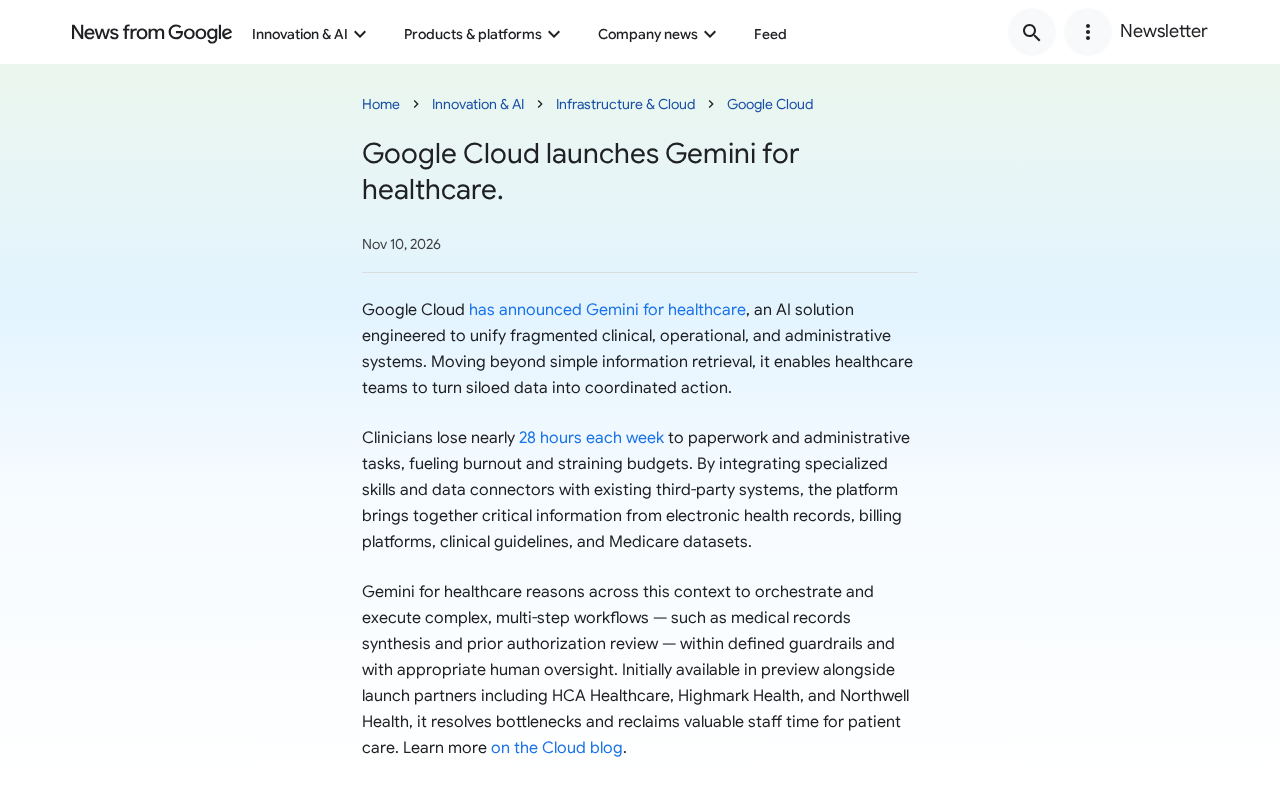
Google Cloud Launches Healthcare Version of Gemini: Integrating Clinical Data and Automating Workflows
Google Cloud releases healthcare version of Gemini, focusing on unified clinical data and automated workflows to reduce administrative burnout. Analysis of positioning, challenges, and the healthcare AI landscape.