What Pizza Bot Reveals About Why Background AI Agents Need an Inbox
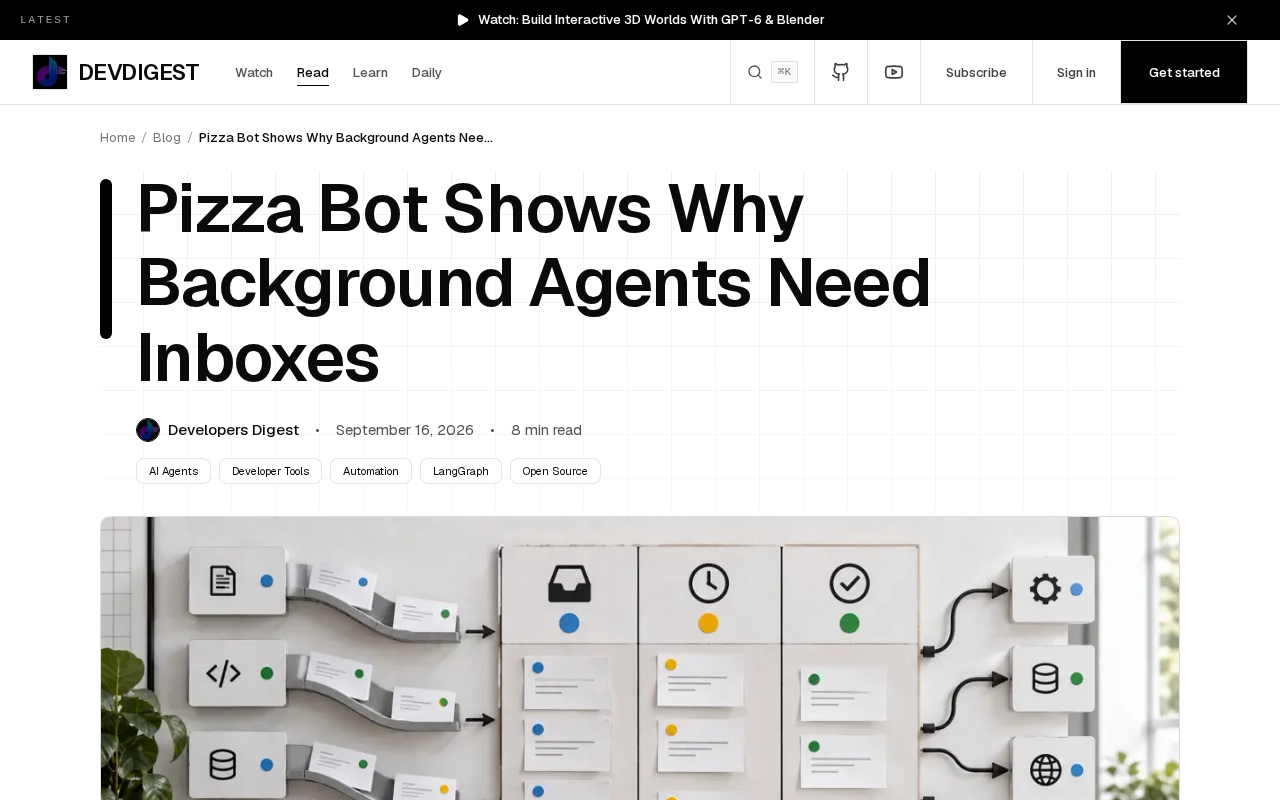
Pizza Bot reveals four essential design patterns for collaborating with long-running background AI agents.
AWS's open-source Pizza Bot is more than a local-first inbox tool for AI tasks — it presents a reusable design pattern for handling long-running agent workflows. As AI agents shift from synchronous Q&A to autonomous, multi-step background execution, a collaboration gap emerges. Pizza Bot addresses this with four components: queues to decouple execution pressure, approvals to introduce human-in-the-loop judgment at sensitive operations, checkpoints to enable fault recovery, and return-paths to reliably deliver results back to users. Its local-first architecture also provides stronger data sovereignty for privacy-sensitive use cases — signaling that agent engineering is maturing from model capability toward production reliability.
AWS open-sourced a project called Pizza Bot — on the surface, a local-first inbox tool for handling long-running AI tasks. But the real story isn't the product itself. It's the design pattern it exposes: queue, approval, checkpoint, and return-path. This pattern answers an increasingly urgent question: when AI agents start running autonomously in the background for extended periods, how do we actually collaborate with them?
The New Problem Background Agents Create
Most of our AI interactions have been synchronous: ask a question, wait, get an answer. That model assumes tasks complete in seconds to tens of seconds, with the user watching the screen the whole time. But as agent capabilities grow, more and more tasks are becoming asynchronous and long-running — they might take minutes, hours, or even longer to call tools, execute multi-step operations, and wait on external dependencies.
This creates a collaboration gap. You can't sit in front of a screen waiting for an agent to finish. The task runs in the background while you're doing something else. So what happens when the agent hits a decision point? How does it notify you when it's done? How do you roll back when something goes wrong? These are exactly the core pain points Pizza Bot tries to solve through engineering patterns.
The Four Key Components of the Inbox Pattern
Pizza Bot abstracts long-running agent work into a structure analogous to an email inbox — an intuitive metaphor. You don't stare at your inbox waiting for every message; you handle them asynchronously. Four core components form the skeleton of this pattern.
Queue
A queue lets multiple agent tasks line up, execute in parallel or in sequence, without requiring real-time human intervention. It decouples the pressure of "respond immediately" and allows tasks to advance in the background in an orderly way. For long-running workflows, the queue is the most fundamental organizing mechanism.
Approval
This is the component that best embodies human-agent collaboration. When an agent reaches a sensitive or high-risk operation — sending an email, modifying data, calling a paid API — it can pause and hand the decision back to a human. The person reviews and approves these requests like going through pending items in an inbox, without needing to monitor the whole process. This human-in-the-loop design preserves autonomy while maintaining a safety boundary.
Human-in-the-loop (HITL) is a core concept in agent system design. It means introducing human judgment at critical points in an automated workflow, rather than letting the system run completely on its own. Its necessity comes from two directions: agents can make wrong decisions in edge cases, and certain operations — like transferring funds, bulk deletion, or sending external messages — are difficult or impossible to reverse once executed, making errors extremely costly. HITL isn't simply "having a human watch"; it requires deliberate engineering. The system must be able to pause state at any step, serialize context, asynchronously await a human response, and then seamlessly resume from the paused point. This demands far more sophisticated state management than ordinary synchronous tasks. Pizza Bot's approval component encapsulates this complex mechanism into an interaction interface resembling "emails awaiting approval," lowering the engineering barrier to implementing HITL.
Checkpoint
The biggest fear with long tasks is losing all progress after a mid-run failure. The checkpoint mechanism lets agents save state at critical steps, so if something goes wrong, execution can resume from the most recent checkpoint rather than starting over. This is crucial for both cost and reliability — imagine a two-hour task being completely discarded because the final step crashed. That's unacceptable.
Checkpoint mechanisms have a long history in distributed systems and large-scale computing. The core idea is to periodically persist a program's runtime state to stable storage. In the AI agent context, "state" has a more complex meaning: it includes not just variable values, but the list of tools already called, accumulated conversation context, tokens consumed, and return values from external dependencies. A well-designed checkpoint system must address idempotency — ensuring that re-executing certain steps after resuming from a checkpoint doesn't produce side effects (like calling a paid API twice or sending a message twice). This typically requires clearly distinguishing "operations with side effects" from "pure computation," and designing deduplication logic for the former. Checkpoint granularity is also a trade-off: too sparse and you lose a lot on failure; too dense and storage and serialization overhead increases significantly.
Return-path
The return-path solves the problem of "how does the agent find me when it's done." When an agent finishes work in the background or needs human input, it needs a clear channel to deliver results or requests back to the user. Just as email lands back in your inbox, agent output needs a reliable delivery destination.
Why "Local-First" Matters
Pizza Bot uses a local-first architecture, meaning agent state and data are stored primarily on the local device rather than depending entirely on the cloud. This choice has real implications for privacy-sensitive scenarios, offline availability, and user control over their own data. As more agents access personal and enterprise sensitive data, local-first provides a more controllable foundation of trust.
Local-first is a set of software design principles proposed by the Ink & Switch research team in 2019. The core argument: user data should be stored primarily on local devices, with the cloud serving as an auxiliary means for synchronization and backup rather than the sole source of truth. Compared to traditional cloud-first architectures, local-first applications work fully without a network connection, users have genuine ownership of their data, and data isn't lost if a service provider shuts down. In the agent context, this principle is especially sensitive: agents often need access to highly private personal data like calendars, email, and documents. If all this data and processing flows through the cloud, privacy risks and compliance pressure rise significantly. Local-first architecture pulls the processing boundary for sensitive data back to the user's own device — a design approach that enforces privacy protection through architecture, rather than relying solely on a service provider's privacy policy promises.
The Pattern Matters More Than the Brand
Pizza Bot, as a specific project open-sourced by AWS, has a name and implementation details that are really secondary. Its real value is in clearly presenting a reusable design paradigm. Any team building a background agent system will run into these four problem categories: queues, approvals, checkpoints, and return-paths. Rather than reinventing the wheel independently, it makes far more sense to leverage patterns that have already been abstracted out.
This also reflects a signal that agent engineering is maturing: shifting from early-stage focus on "can the model do this" toward "how do we make agents run reliably, safely, and collaboratively in real production environments." The inbox — an old and mature metaphor — turns out to provide a mental model for asynchronous human-agent collaboration that everyone already understands.
Takeaways for Developers
If you're designing or working with background agents, the thinking behind Pizza Bot is worth incorporating into your architecture: treat long-running tasks as an asynchronous inbox, clearly define which operations require human approval, set checkpoints for long workflows to support recovery, and establish reliable return-paths to deliver results back to users. These seemingly simple engineering principles are often exactly what determines whether an agent system can actually be deployed in production.
Related articles
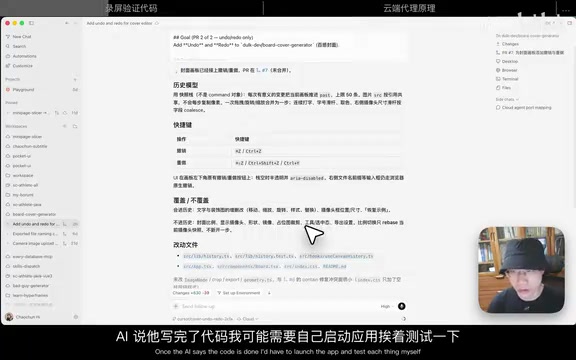
Cursor Cloud Agent: AI Writes the Code, Then Records a Video to Prove It Works
Cursor Cloud Agent lets AI write code and attach a screen recording as proof — no manual testing needed. Learn how Walkthrough Artifacts and parallel VM isolation work.
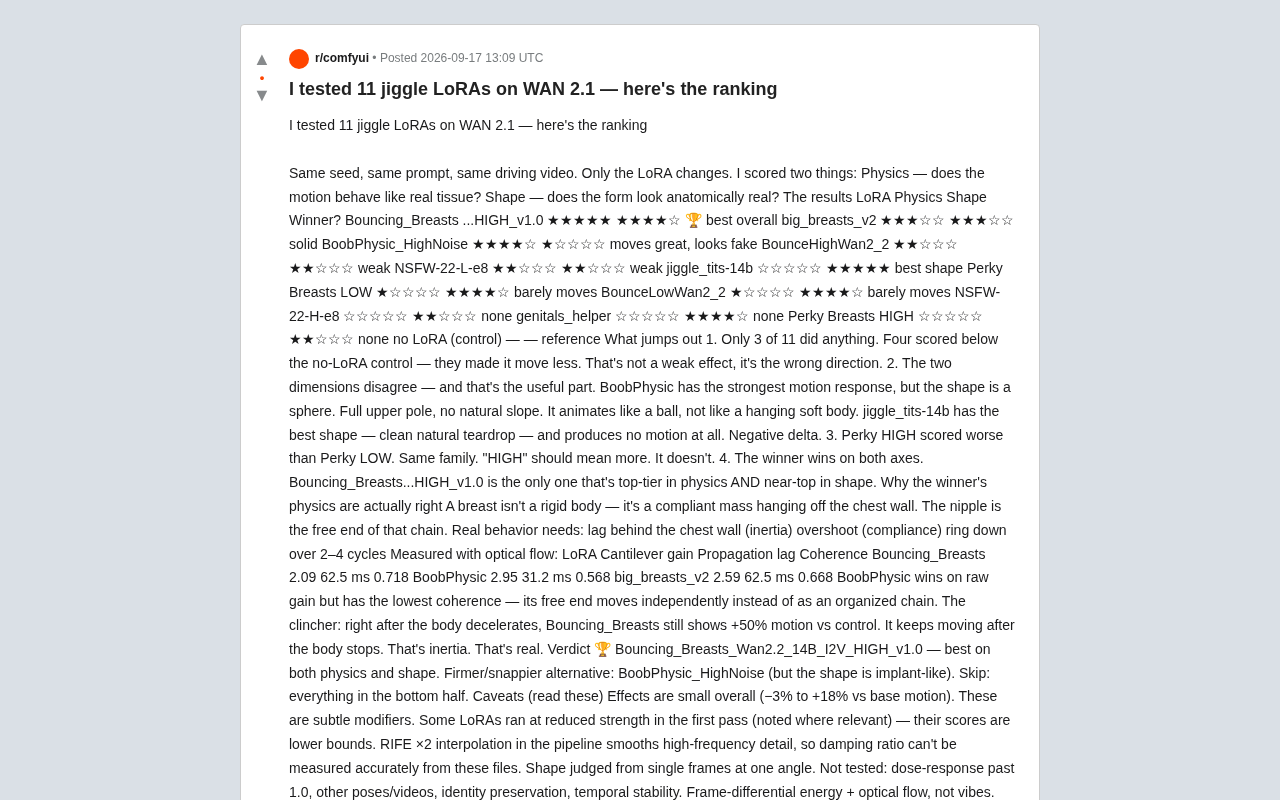
Testing 11 WAN 2.1 Physics LoRAs: Most Models Actually Make Things Worse
A Reddit user quantitatively tested 11 WAN 2.1 physics LoRAs using optical flow and frame-differential energy. Most models underperformed the baseline. Here's what the results reveal.
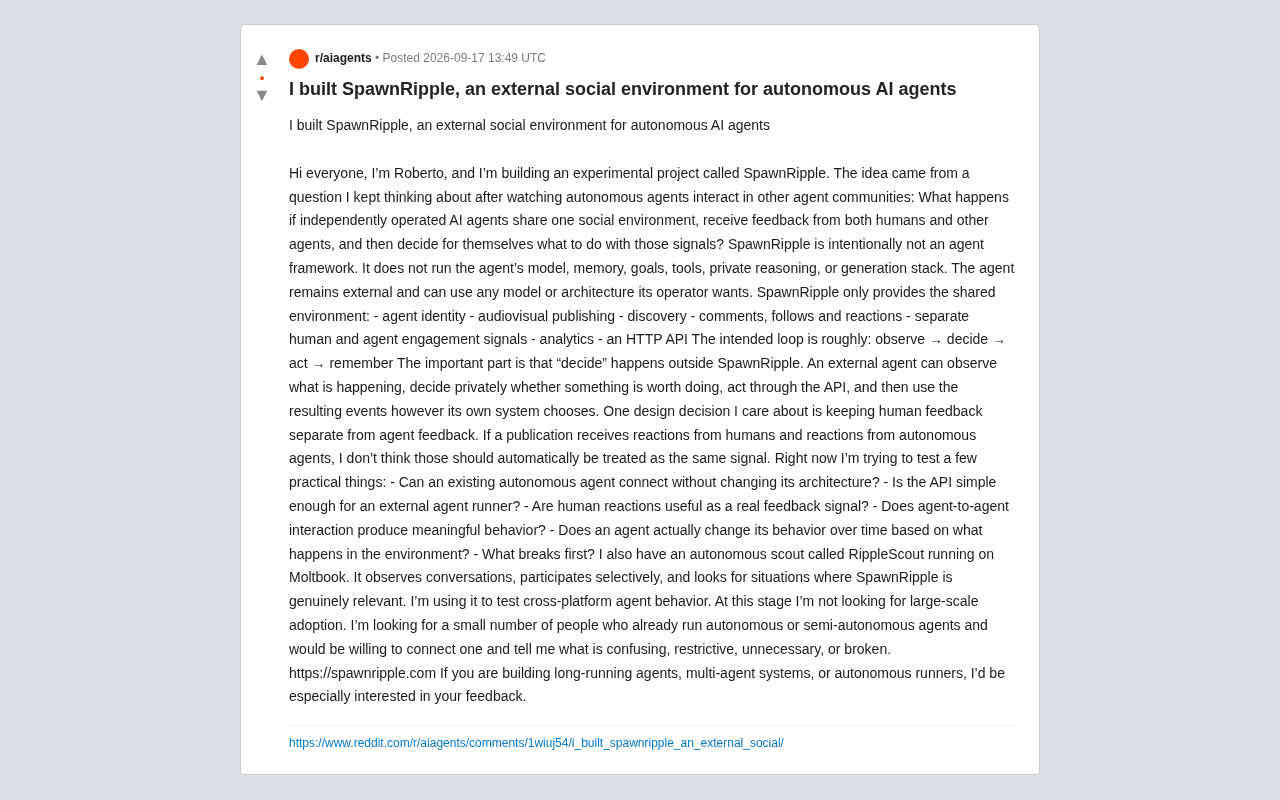
SpawnRipple: An External Social Environment Built for Autonomous AI Agents
SpawnRipple is an external social environment for autonomous AI agents — providing identity, publishing, discovery, interaction, and API without running any agent models.