WhatsApp Finally Launches Scheduled Messages: A Must-Have Feature for 3 Billion Users
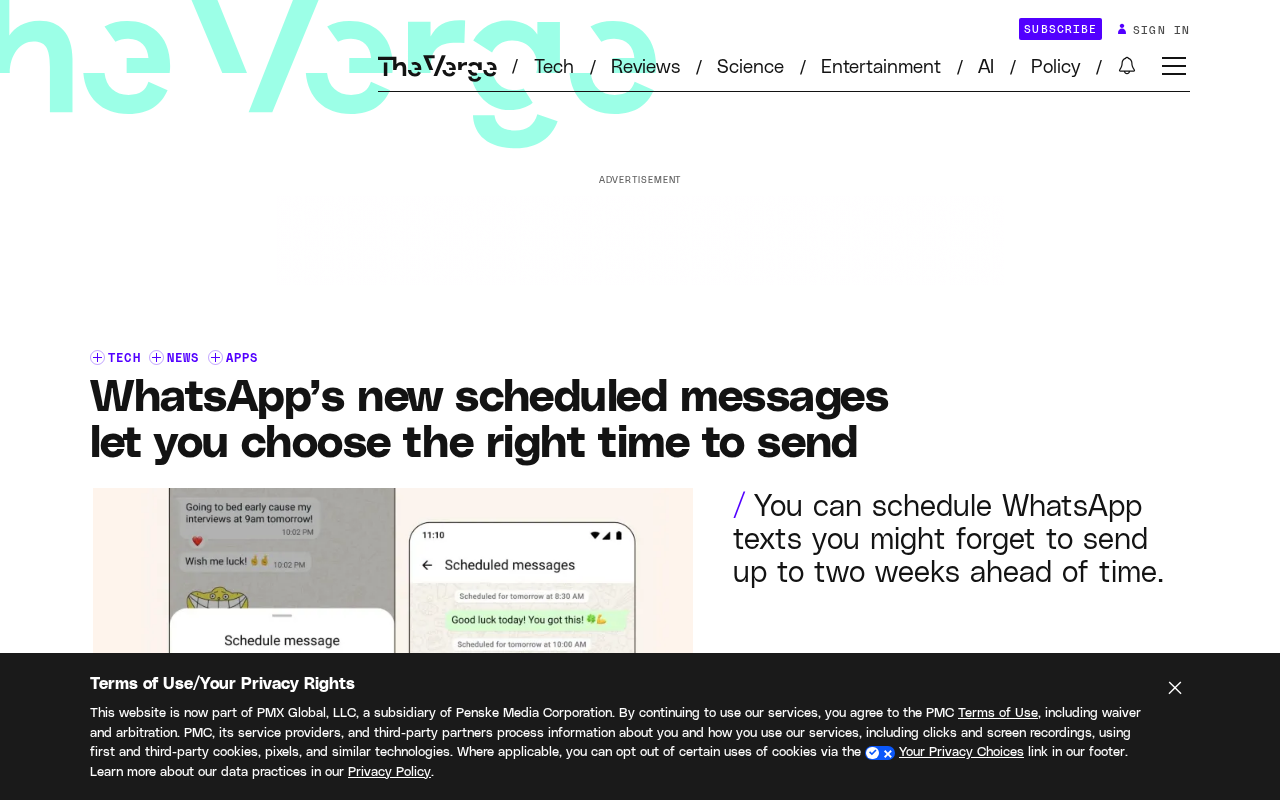
WhatsApp adds scheduled messages for 3 billion users—feature alignment, not innovation.
WhatsApp is rolling out scheduled message sending to 3 billion users, covering one-on-one chats and group conversations; Meta calls it one of the "most requested" needs. The article notes that most instant messaging platforms already have this capability, so WhatsApp's move is essentially catch-up, not innovation. Scheduled messages mainly address cross-time-zone communication, etiquette messages like birthday wishes, and group chat spam during inactive hours. In terms of product cadence, WhatsApp has long been conservative, preferring to introduce features gradually after the core experience is stable—ensuring stability at massive scale but leaving it behind competitors like Telegram in feature richness. Details such as the specific operation path and the range of times that can be set have not yet been disclosed.
WhatsApp is rolling out to its 3 billion users one of the features Meta calls "most requested": scheduled message sending. Whether in one-on-one chats or group conversations, users can now set a message to be sent at a future time. For WhatsApp, which has long lacked this basic capability, it's both catch-up and a sign that its product cadence is being forced to align with mainstream competitors.
A Long-Overdue Basic Feature
According to the original report, WhatsApp's scheduled messages feature covers both one-on-one private chats and group conversations. The report states plainly that most instant messaging platforms have long had this capability, and WhatsApp is only now catching up. That framing is telling—it's not an innovation, but a feature alignment.
For a product with monthly active users in the 3 billion range, any change affects the daily communication habits of a massive user base. Meta describes scheduled messages as one of the "most requested" needs, indicating that this gap has been raised repeatedly in community feedback. The feature itself isn't complex, but at WhatsApp's scale, its launch means hundreds of millions of users can finally write messages ahead of time without disturbing the other party.
Monthly Active Users (MAU) is a core metric for measuring the scale of a social product, referring to the number of deduplicated users who have logged in or used the product at least once within a statistical period (usually one month). It reflects real activity better than registered user counts and is a primary basis for advertisers evaluating placement value. WhatsApp's 3 billion MAU means any feature change touches the communication behavior of nearly one-third of the global population—which is exactly why the article emphasizes the massive impact "at WhatsApp's scale." Compared with Daily Active Users (DAU), MAU better reflects a product's breadth of coverage, but for instant messaging products, the DAU/MAU ratio also tends to be high, indicating intensive usage frequency.
What Problem Do Scheduled Messages Solve
The value of scheduled sending isn't just "convenience." Cross-time-zone communication is the most direct scenario: when you're unsure whether the other party's time zone is in the middle of the night, setting a time when they're more likely to be awake in advance makes it far more likely the message will be seen promptly, rather than buried in a pile of notifications during sleep hours.
Another scenario is etiquette communication. Messages with clear time anchors—birthday wishes, holiday greetings, work reminders—can be written ahead and sent on schedule, avoiding both forgetting and having to hover by the phone at a specific moment. In group chats, this feature can also reduce the disruption caused by spamming during inactive hours.
It should be noted that the original material did not disclose details such as the specific operation path, the range of times that can be set, or whether messages can be rescheduled after being recalled. These await further clarification from WhatsApp.
The difficulty of cross-time-zone communication lies in the mismatch between the moment a message is delivered and the recipient's schedule. The world is divided into 24 time zones, with adjacent zones differing by 1 hour and the farthest differing by more than 12 hours; add to that daylight saving time in some countries, and manual conversion is error-prone. Scheduled sending lets the sender preset a delivery point based on the recipient's local time, preventing messages from being pushed in the dead of night and buried. For multinational teams, this capability can also complement asynchronous collaboration habits, concentrating communication into the other party's working hours and reducing back-and-forth waiting.
Behind the Late Feature: WhatsApp's Product Cadence
Looking at scheduled messages within a longer product timeline, WhatsApp's update cadence in recent years has been rather conservative. Compared with competitors like Telegram that frequently stack new features, WhatsApp prefers to introduce features gradually after the core experience is stable. This strategy ensures stability across a massive user base, but it has also left it lagging in feature richness for a long time.
The comment that "most platforms have had this for ages" precisely highlights WhatsApp's situation: it no longer needs to prove itself through pioneering features, but rather needs to fill in the gaps in basic capabilities one by one. The addition of scheduled messages is, in a sense, narrowing the experience gap with competitors rather than establishing a new differentiated advantage.
Product differentiation refers to a product forming a perceptible distinction from competitors in features, experience, or positioning, thereby establishing a reason for users to choose it. The article points out that WhatsApp's scheduled messages are "feature alignment" rather than differentiation, because this capability is already an industry standard—adding it only eliminates a disadvantage and cannot create a new advantage. For mature products, differentiation typically comes from pioneering features, ecosystem integration, or unique interactions, rather than filling in basic capabilities. WhatsApp's strategy is closer to "defensive iteration": prioritizing stability of the core experience, then gradually narrowing the feature gap with competitors like Telegram, maintaining user retention in a low-risk way.
What It Means for Ordinary Users
The most direct change is the shift of initiative in communication. In the past, users could only choose between "send now" and "send manually later"; now there's an additional option to "send automatically at the right time." For business communication, cross-time-zone collaboration, and high-frequency group chat users, the practical value of this change will become apparent more quickly.
For Meta, this is also a cost-controlled user retention move. The feature itself doesn't involve a new business model, yet it responds to a long-standing user demand—a typical low-investment, high-perceptibility update. Whether it can change users' communication habits will depend on how convenient it is in actual use and the default interaction design.
One-line Summary
WhatsApp adds scheduled messages for 3 billion users—feature alignment, not innovation.
Paragraph Summary
WhatsApp is rolling out scheduled message sending to 3 billion users, covering one-on-one chats and group conversations; Meta calls it one of the "most requested" needs. The article notes that most instant messaging platforms already have this capability, so WhatsApp's move is essentially catch-up, not innovation. Scheduled messages mainly address cross-time-zone communication, etiquette messages like birthday wishes, and group chat spam during inactive hours. In terms of product cadence, WhatsApp has long been conservative, preferring to introduce features gradually after the core experience is stable—ensuring stability at massive scale but leaving it behind competitors like Telegram in feature richness. Details such as the specific operation path and the range of times that can be set have not yet been disclosed.
Related articles
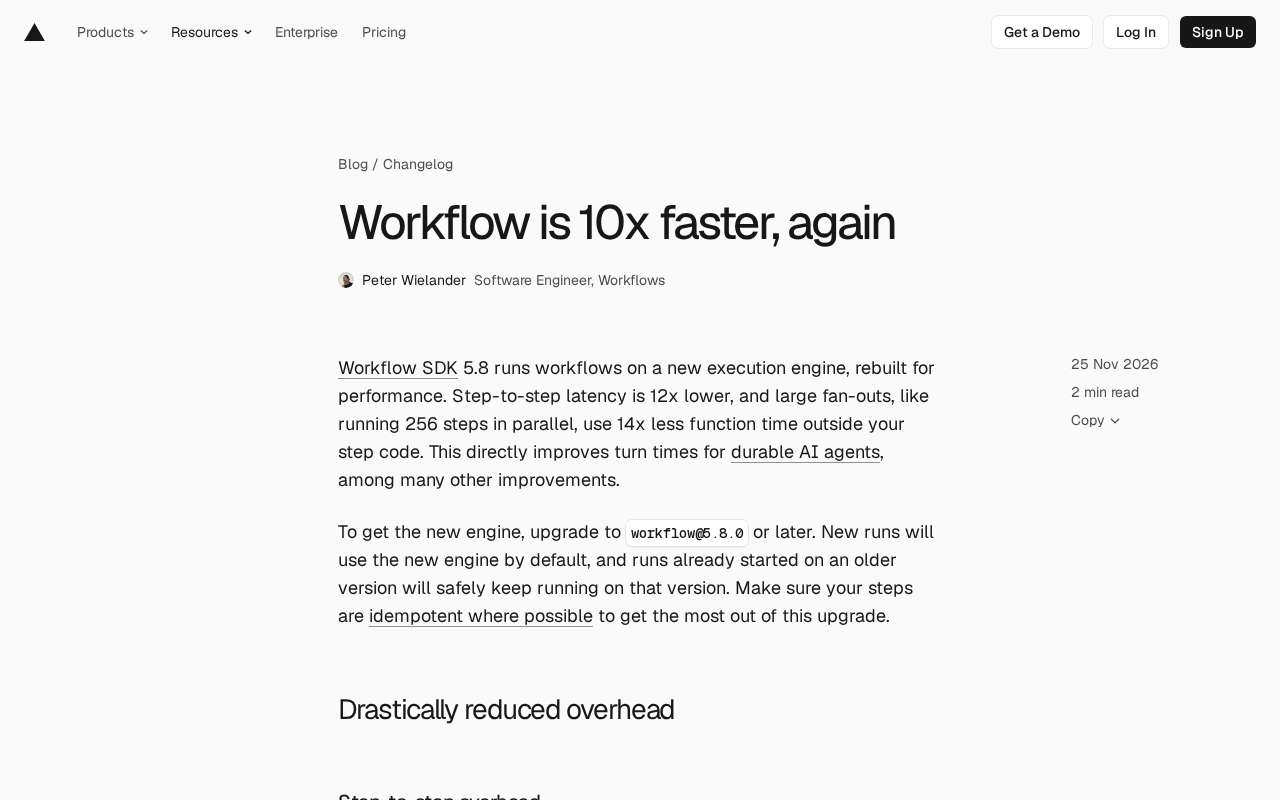
Workflow SDK 5.8 Performance Benchmark: Step Latency Reduced 12x
Workflow SDK 5.8 rebuilds its execution engine, cutting p75 inter-step latency from 85ms to 7ms and 256-way parallel fan-out overhead by 14x, improving durable AI agent turnaround.

David Fincher's New Film Accused of Being AI-Generated? The Truth Behind the Controversy
David Fincher's new film *The Further Misadventures of Cliff Booth* is accused of using AI, with a carriage shot in the trailer sparking controversy. Netflix's acquisition of Ben Affleck's AI company and Fincher's own openness to AI keep suspicions alive. This article sorts out the controversy and the views of all sides.
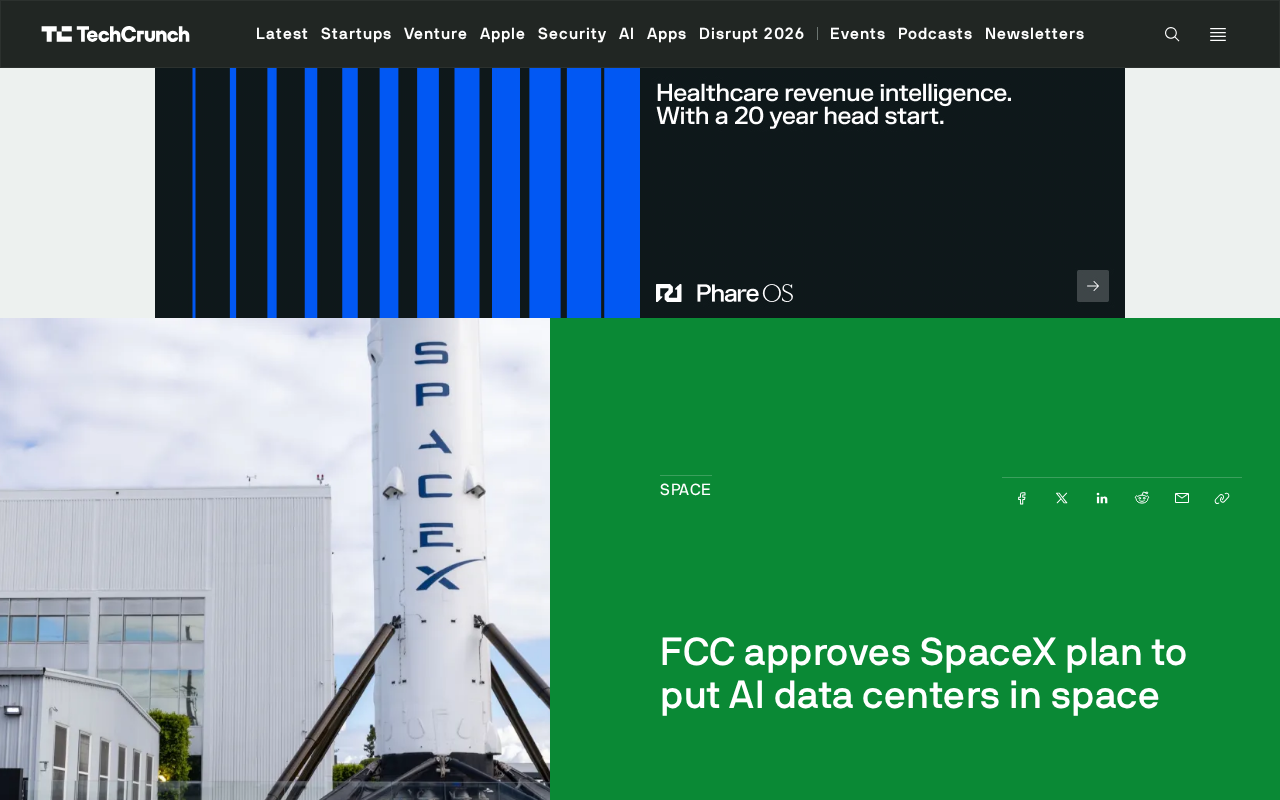
FCC Clears SpaceX's Space-Based AI Data Centers: A Debate Over Regulatory Boundaries
The FCC approved SpaceX's plan to deploy AI data centers in space but dismissed opponents' key concerns about scientific research impacts as beyond its regulatory authority. This article analyzes the regulatory boundary issues behind the decision, the deeper tensions of space-based AI infrastructure, and its implications for the industry.