Who Controls the UK's Web Addresses?

UK .uk domains are managed by the non-profit Nominet, whose governance model prompts reflection on the power and responsibility of critical Internet infrastructure.
UK .uk domains are operated by the non-profit Nominet, whose governance structure includes a member voting mechanism, though its decision-making transparency and public representation have been controversial. As Internet infrastructure, top-level domain management involves the allocation and control of online identities and requires balancing commercial interests with public interest. Nominet has historically been criticized for search advertising, domain squatting, and governance reform, reflecting structural tensions. Discussion on Hacker News has been limited, but this topic touches on the core issues of Internet governance: who should control critical infrastructure and how to ensure accountability. ccTLD governance models vary significantly across countries, and Nominet's experience is worth considering.
The question of who controls UK web addresses (such as .uk domains) is one that seems technical on the surface but actually involves governance and public interest. A discussion thread on Hacker News raised this question, and although the original information was limited, it was enough to prompt reflection on the power structures behind the domain name system.
Who Manages UK Web Addresses?
The UK's top-level domain .uk is operated by the non-profit organization Nominet. Founded in 1996, Nominet is the governing body for UK domain name registration. Its responsibilities include maintaining the domain registration database, setting registration policies, and ensuring the stable operation of the domain name system. As a non-profit entity, Nominet's governance structure includes a member voting mechanism, but its decisions have also sparked controversy over transparency and public representation.
According to the discussion on Hacker News, users' questions about "who controls UK web addresses" often point to deeper concerns: Is domain management sufficiently neutral? Is the policymaking process influenced by commercial interests? These questions are not without precedent in Nominet's history.
ccTLD (Country Code Top-Level Domain) is a two-letter top-level domain assigned to a country or region within the Internet domain name system, such as .uk for the United Kingdom and .de for Germany. The management of ccTLDs is typically determined by each country itself and may be undertaken by government agencies, non-profit organizations, or commercial companies. Unlike generic top-level domains (gTLDs) such as .com, ccTLD governance often involves national sovereignty and public interest, so management models vary significantly. As the operator of .uk, Nominet's non-profit status distinguishes it from purely commercial registrars, but it must also balance multiple interests in policymaking.
The Power and Responsibility Behind Domain Governance
The Domain Name System (DNS) is the infrastructure of the Internet, and control over top-level domains means the allocation and control of a large number of online identities. For country code top-level domains (ccTLDs) like .uk, the governing body must not only handle technical operations but also address multiple challenges in law, privacy, and commerce.
Nominet has been criticized for issues such as direct search advertising, domain squatting disputes, and membership governance reform. These controversies reflect the structural tension domain management bodies face in balancing commercial revenue with public interest. The brief question on Hacker News actually touches on a long-standing issue in Internet governance: who should control critical infrastructure, and how can accountability be ensured.
DNS (Domain Name System) is the core infrastructure of the Internet, responsible for translating human-readable domain names (such as example.uk) into machine-readable IP addresses. It uses a hierarchical, distributed architecture consisting of root servers, top-level domain servers, and authoritative name servers. Top-level domain management bodies are responsible for maintaining the registration database and policies under their domains, ensuring the stability and security of resolution. The openness and global consistency of DNS are fundamental to the normal operation of the Internet, so its governance is often regarded as part of critical Internet resource management, involving multiple considerations of technology, law, and public interest.
Public Awareness and the Gap in Discussion
The original post had very few comments, indicating that this topic has not generated widespread discussion in the tech community. However, the importance of domain management cannot be overlooked—it affects website accessibility, brand protection, and online trust. For ordinary users, the daily use of .uk domains may seem transparent, but the policy decisions behind them can affect registration costs, dispute resolution mechanisms, and even the space for free expression.
From a broader perspective, the issue of UK web address management also reflects the fragmented nature of global Internet governance. ccTLD management bodies in different countries vary significantly in their governance models—some are directly controlled by governments, while others are operated by private or non-profit organizations. Nominet's model falls somewhere in between, and its experience and lessons are worth considering for other regions.
Conclusion
"Who controls the UK's web addresses" is not a trivia question but an entry point for understanding the distribution of power in Internet governance. As the manager of .uk domains, Nominet's role, governance structure, and controversial history remind us to pay attention to the institutional arrangements that support our daily online experience yet are rarely examined. For the tech community, the scarcity of such discussions may itself be a phenomenon worth reflecting on.
One-line Summary
UK .uk domains are managed by the non-profit organization Nominet, whose governance model prompts reflection on the power and responsibility of critical Internet infrastructure.
Paragraph Summary
UK .uk domains are operated by the non-profit organization Nominet, whose governance structure includes a member voting mechanism, though its decision-making transparency and public representation have been controversial. As Internet infrastructure, the Domain Name System's top-level domain management involves the allocation and control of online identities and requires balancing commercial interests with public interest. Nominet has historically been criticized for search advertising, domain squatting, and governance reform, reflecting structural tensions. Discussion on Hacker News has been limited, but this topic touches on the core issues of Internet governance: who should control critical infrastructure and how to ensure accountability. ccTLD governance models vary significantly across countries, and Nominet's experience is worth considering.
Related articles
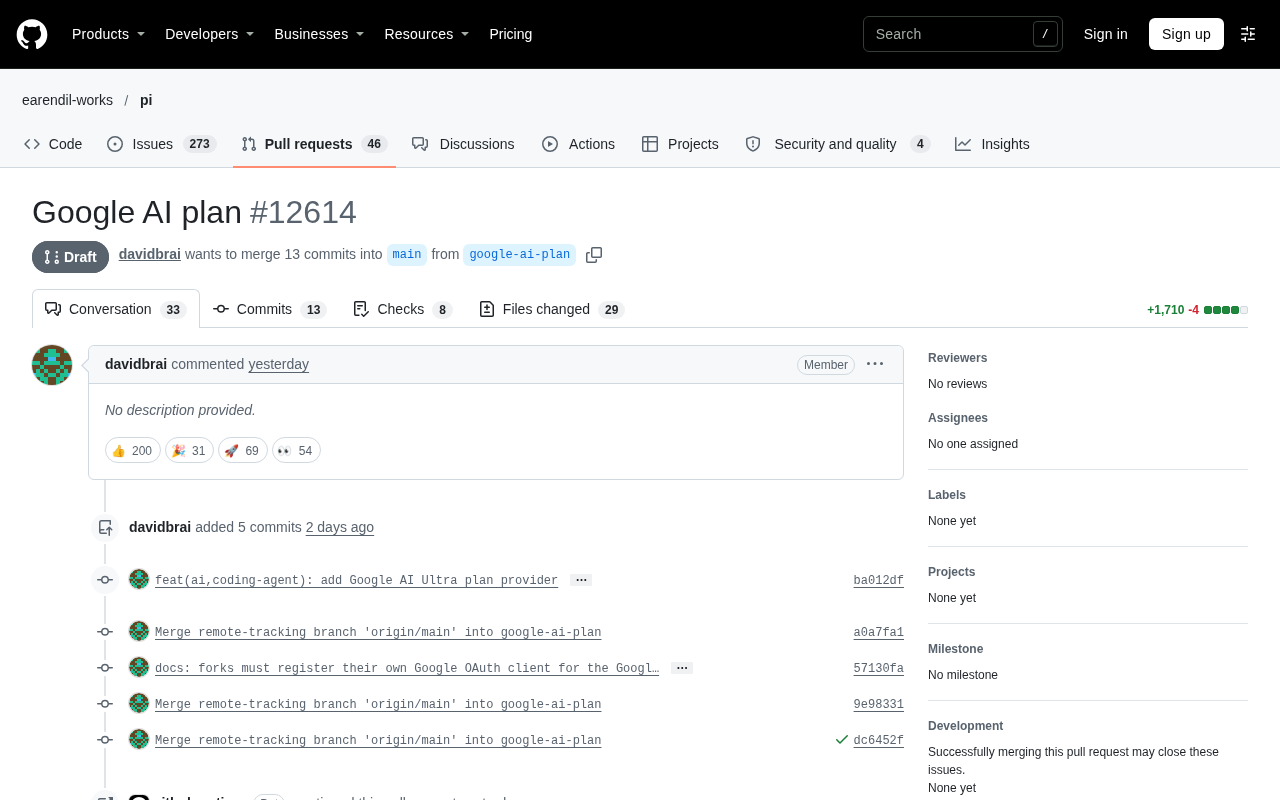
Google Officially Supports Pi Coding Agent: The AI Programming Tool Ecosystem Expands Further
Google adds official Google AI plan support for the open-source coding agent Pi, signaling accelerating integration between large model vendors and coding agent tool ecosystems. This article analyzes the impact on developer workflows, the tool ecosystem landscape, and model binding relationships.

Loom: One Machine for Weaving, Knitting and Braiding
Loom is a device that aims to seamlessly combine weaving, knitting and braiding in a single machine, drawing attention on Hacker News. This article examines its engineering challenges, significance for flexible manufacturing, and lessons for makers and hardware developers.
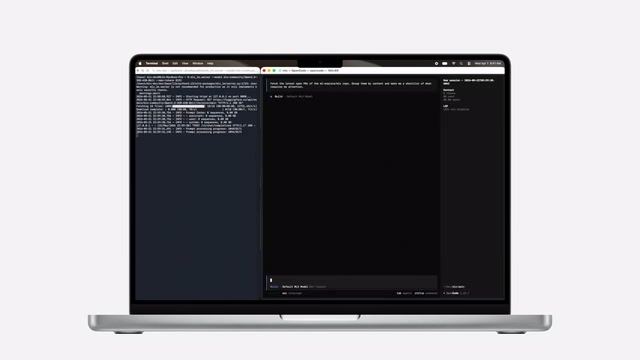
Running Local AI Agents on Mac: A Full Breakdown of the MLX Four-Layer Stack
A breakdown of Apple engineer Joanna's local Mac AI agent solution: the MLX four-layer stack, a three-step setup, and how the neural network accelerator, continuous batching, and distributed inference solve local agent performance bottlenecks.