Windows 11½: The Desktop Recreation Experiment Stirring Up the Tech Community
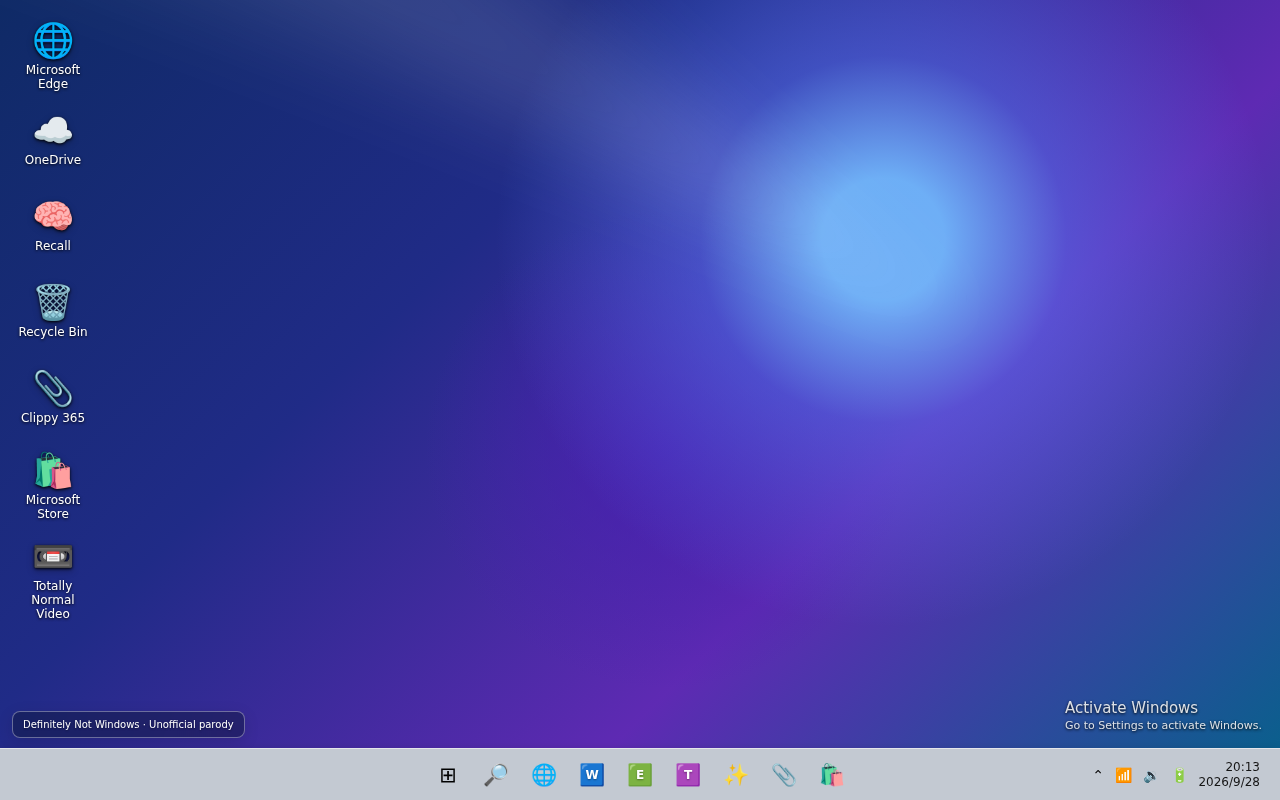
An unofficial Windows 11 UI recreation with a satirical name goes viral on Hacker News.
Windows 11½ is an unofficial desktop interface recreation hosted at definitelynotwindows.com, earning 251 upvotes and 69 comments on Hacker News. Built with web technologies (HTML/CSS/JavaScript), the project reimagines the Windows 11 desktop experience. The article examines three reasons such projects attract developers: the technical challenge of browser-based window management, the nostalgic appeal of OS interfaces, and the use of parody to critique commercial design. The "definitely not windows" naming is also analyzed as a pragmatic trademark risk strategy.
A Mysterious Project Called "Windows 11½"
A project called Windows 11½ has recently caught the attention of the Hacker News community, racking up 251 upvotes and 69 comments in a short period of time. Hosted at definitelynotwindows.com — a domain name that translates roughly to "definitely not Windows" — the project radiates community culture from its name to its URL.
The "11½" in the title sits somewhere between Windows 11 and a hypothetical next-generation release, suggesting this is an unofficial, exploratory desktop environment or interface recreation experiment. These kinds of projects are far from rare in developer communities — they typically exist to pay homage, poke fun, or validate technical concepts by reimplementing the look and feel of mainstream operating systems.

Why Projects Like This Keep Drawing Developers In
The 251-point score on Hacker News reflects the tech community's enduring fascination with "OS interface recreations." Similar open-source efforts — simulating full desktop systems with web technologies, or recreating classic operating system experiences inside a browser — have long been a favorite playground for enthusiasts.
Several motivations drive this interest. First, there's the technical challenge itself: rebuilding desktop elements like window management, taskbars, and start menus using a modern web stack (HTML/CSS/JavaScript) involves substantial interaction design and state management work — making it an excellent test of front-end engineering skills. Second, there's cultural resonance: operating system interfaces carry the weight of a generation's computing memories, giving any recreation an inherently nostalgic quality. Third, there's the element of parody and critique — using a slightly satirical name as a way of reflecting on and pushing back against mainstream commercial product design.
The challenges of building a desktop environment with web technologies go far beyond visual fidelity. Native OS window managers rely on low-level graphics compositing capabilities, while in the browser, developers must use CSS z-index, transform, and the Pointer Events API to simulate window layering, drag-and-drop, and resize behavior. Dynamic taskbar icons, animated start menu transitions, notification center state management — each of these requires coordinating complex asynchronous state within a single-threaded JavaScript environment. More ambitious projects even introduce Service Workers to simulate a file system, or use WebAssembly to run real Unix toolchains, pushing "interface recreation" into the realm of "functional simulation." This elevates such projects beyond visual exercises into comprehensive tests of front-end architectural design.
What the Naming Strategy Says About Community Expression
The domain name "definitelynotwindows" is classic community humor — the very act of saying "definitely not" only reinforces the fact that it is, absolutely, imitating Windows. This self-deprecating naming choice serves as a casual deflection from potential copyright risk, while also signaling to the community that this is a passion project, not to be taken too seriously.
From a copyright and trademark perspective, projects like this typically operate in a legal gray zone. They avoid using official logos and trademarked names, positioning themselves as "tributes" rather than counterfeits — which is exactly why developers tend to reach for project names with built-in disclaimers.
The copyright boundaries around OS interfaces are legally nuanced. Generally speaking, a UI's "look and feel" is not directly protected under U.S. copyright law — cases like Lotus v. Borland in the 1990s established that functional interface elements typically don't constitute copyright infringement. The real risk lies in trademark law: directly using the "Windows" name or Microsoft's window icon could trigger a trademark infringement claim. Choosing a name like "definitely not windows" — one that explicitly distances itself from the original — is therefore a pragmatically sound legal strategy, not just a joke. It also explains why many similar projects (such as web-based macOS-style recreations) deliberately avoid using the original brand's vocabulary.
A Note on the Limits of Available Information
It's worth acknowledging that the publicly available materials consist only of the project title, hosting URL, and community discussion links — without detailed descriptions of the technical implementation, feature scope, open-source license, or the author's background. As a result, this article is primarily an analysis of the project's positioning and community reception, rather than a feature-by-feature review.
Readers interested in exploring this project further are encouraged to visit the project homepage directly to experience the interaction firsthand, and to browse the 69 comments on Hacker News — community discussions often surface first-hand insights about implementation details, technology choices, and user experience.
Takeaway
Windows 11½ is yet another case study confirming the timeless appeal of "desktop interface recreations" in the developer community. Its satirical naming and web-based implementation drew significant attention in a short time, demonstrating that the tech community remains consistently enthusiastic about projects that are both technically challenging and genuinely fun. While detailed technical information is currently limited, this project stands as a compelling piece of developer creative expression — and one worth watching as it evolves.
Related articles

Free Unlimited Claude Code Solution: Agnes AI + CC Switch Setup Guide
No paid subscription needed — pair the free AI platform Agnes AI with the open-source tool CC Switch to provide a backend for Claude Code, enabling unlimited free calls to text, image, and video models. This guide covers the full setup, test results, and usage boundaries.

A Complete Zero-Cost Guide to Getting Started with Claude Code for Beginners in China
A beginner's guide to Claude Code for users in China: two installation methods (command line and IDE plugin), full configuration steps for replacing the official API with the free domestic LongCat model, and a hands-on demo of building a small tool with natural language, plus tips.

When the NSA Gets Involved: The AI Supply Chain Crisis Behind Open-Source CVEs and API Key Hijacking
Multiple open-source projects disclosed severe CVEs in one day, PHP flaws alarmed the FBI, and Railway and OpenCode were breached with API keys stolen. This article breaks down the vulnerability window, AI-accelerated exploitation, and the AI supply chain crisis behind the API key black market, with a developer defense checklist.