Wonder and DoorDash Strike $425M Deal to Accelerate Restaurant Empire Ambitions
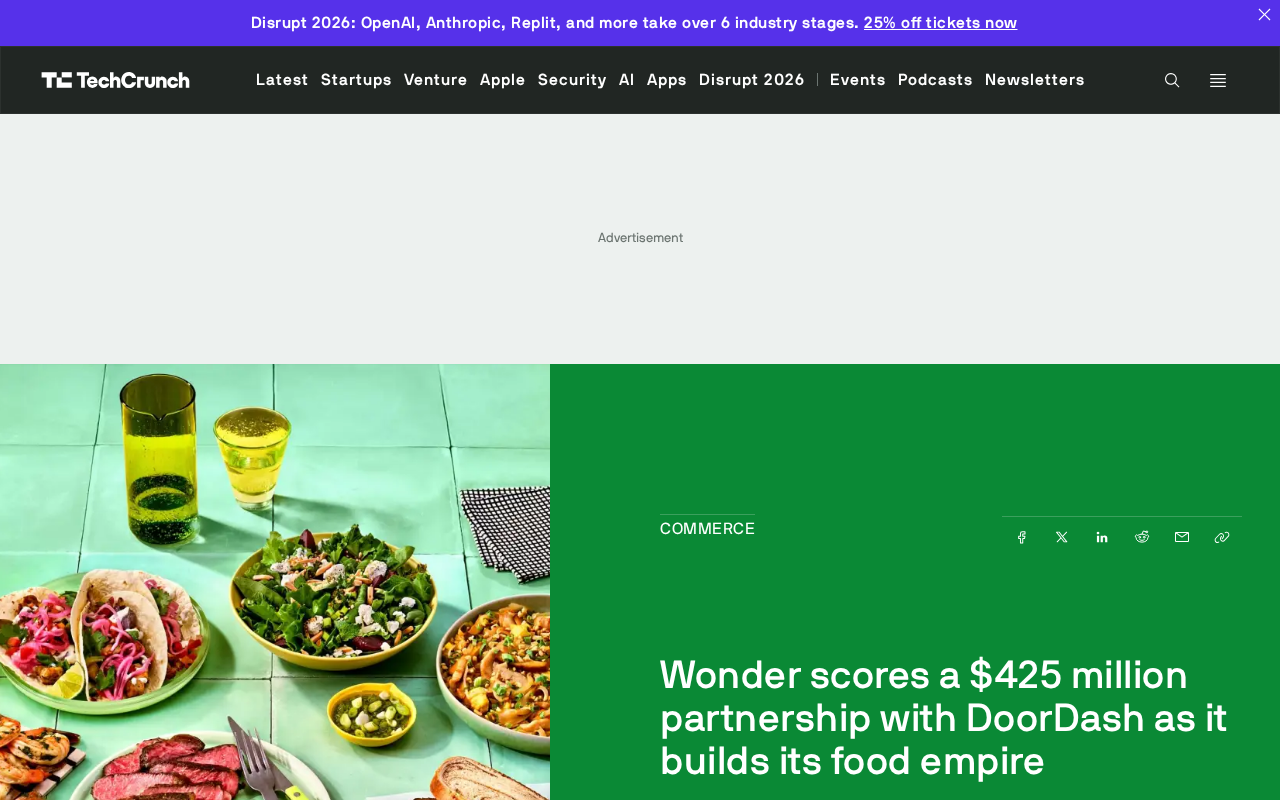
Marc Lore's Wonder partners with DoorDash for $425M, doubling down on vertical integration across the restaurant industry.
Food tech company Wonder has announced a $425 million partnership with DoorDash, marking a major step for founder Marc Lore (creator of Jet.com) in his bid to build a "restaurant empire." Wonder's core strategy is to connect the full chain from food preparation to final delivery through acquisitions and alliances. Tapping into DoorDash's massive user base and mature delivery network should accelerate its market rollout. The move reflects a broader food tech trend toward vertical integration, though the asset-heavy model still faces real challenges around multi-brand coordination, cost control, and profitability.
Marc Lore, the veteran e-commerce entrepreneur behind Wonder, has announced a $425 million partnership with food delivery giant DoorDash. The deal marks a significant step in Wonder's push to consolidate its restaurant and delivery footprint.
Wonder's Restaurant Empire Ambitions
Wonder was founded by Marc Lore, who is best known for building Jet.com and selling it to Walmart — one of the largest e-commerce acquisitions in U.S. history at the time, valued at approximately $3.3 billion in 2016. After leading Walmart's e-commerce division and spearheading multiple digital transformation initiatives, Lore brought deep expertise in large-scale supply chain integration and platform operations to his next venture. Now he has set his sights on the food industry, aiming to build a sprawling portfolio of restaurant brands and delivery capabilities through acquisitions and strategic partnerships.
According to the original report, Wonder is "slowly but steadily" assembling a sizeable portfolio of restaurant and delivery companies. This approach differs from traditional single-brand restaurant expansion — it's closer to a platform-driven model that integrates multiple layers of the value chain, with the goal of controlling everything from food preparation to final delivery.
Wonder was founded around 2018, initially entering the market with a "mobile kitchen" concept — deploying vans equipped with professional cooking equipment to neighborhoods to prepare meals on-site. The company later evolved into a hybrid model combining physical restaurants with multi-brand ghost kitchens. In 2023, Wonder also acquired the well-known delivery platform Grubhub, further strengthening its position on the logistics side and underscoring its consistent ambition to integrate across the industry value chain.
The Strategic Significance of the $425M DoorDash Deal
The $425 million partnership with DoorDash represents a pivotal milestone in Wonder's expansion. As North America's leading food delivery platform, DoorDash commands a massive user base and a mature last-mile delivery network. For Wonder — which is eager to reach consumers quickly — plugging into that infrastructure could dramatically shorten the time it takes to scale in new markets.
Strategically, deals of this nature tend to carry both capital and operational weight: they provide Wonder with the funding and resources needed for growth, while enabling both parties to complement each other in delivery capacity, order flow, and brand synergies. For DoorDash, deepening ties with a restaurant content provider like Wonder also helps diversify and enrich its platform's dining options.
The Industry Trend Toward Vertical Integration
Wonder's approach reflects a broader trend in food tech — moving from point-to-point competition toward vertical integration. Over the past few years, the boundaries between restaurant brands, delivery platforms, and kitchen infrastructure have become increasingly blurred. More and more players are trying to connect the full "prepare–deliver–consume" chain in order to improve efficiency and capture a greater share of the margin.
Lore's e-commerce background naturally inclines him toward rebuilding the dining experience through platform logic and economies of scale. By continuously acquiring and forming alliances, Wonder has the opportunity to consolidate fragmented restaurant resources into a unified operating system. That said, this asset-heavy, integration-intensive model also faces significant challenges: coordinating across multiple brands, keeping operating costs in check, and achieving profitability in a fiercely competitive delivery market are all real hurdles Wonder must clear.
Vertical integration in food tech typically means controlling ghost kitchens, brand licensing, and delivery networks simultaneously to compress intermediate costs. Ghost kitchens — also known as cloud kitchens or virtual kitchens — are delivery-only kitchen facilities with no dine-in service, capable of running multiple food brands out of a single space at relatively low rent. This model saw explosive growth during the pandemic but has struggled with low brand recognition and difficulty building consumer loyalty. Wonder is attempting to address the experience gaps of pure ghost kitchen operations by bringing established restaurant brands into its own kitchens and pairing them with proprietary delivery channels — essentially seeking a new balance between efficiency and customer experience.
What to Watch Going Forward
For industry observers, the real-world execution of the Wonder–DoorDash partnership will be a key test of the "restaurant empire" strategy. Whether the deal translates into genuine scale advantages and user growth will depend on how well both sides execute on channel integration, brand management, and delivery experience.
As more capital flows into food tech, Wonder's path offers a reference model for other players looking to consolidate the restaurant value chain. How far this food industry experiment — led by a seasoned e-commerce veteran — will ultimately go remains a question that only time can answer.
Related articles
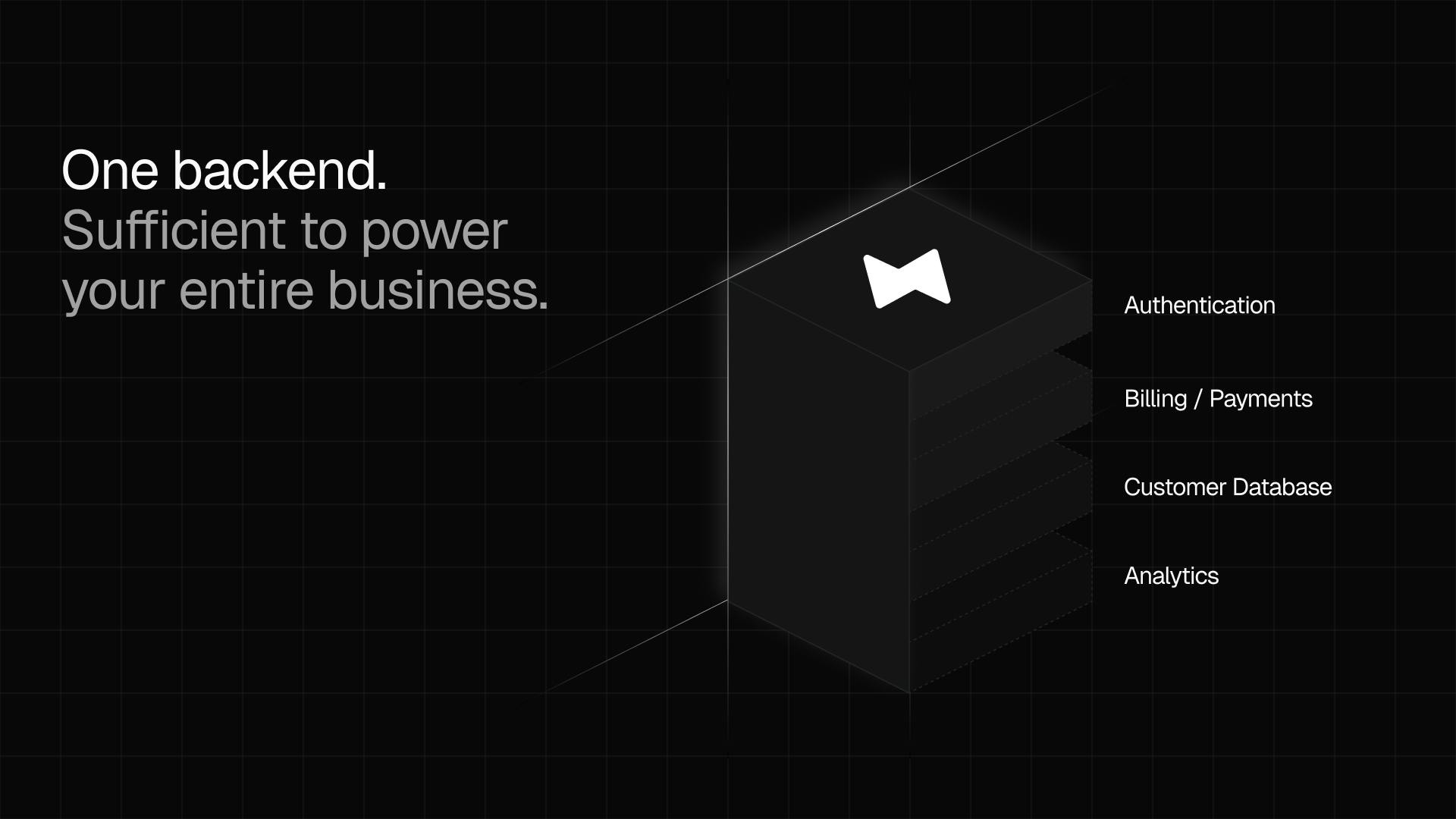
tiun.: An All-in-One Auth and Payments System Built for AI Developers
tiun. topped Product Hunt by giving AI developers auth, payments, billing, customer data, and analytics in one system — installable with a single command.

Axari: Let Your AI Twin Take Over the Mundane Work of Security Operations
Axari introduces an AI twin for SecOps teams, autonomously handling alerts, compliance checks, and repetitive tasks directly within Slack and Microsoft Teams.
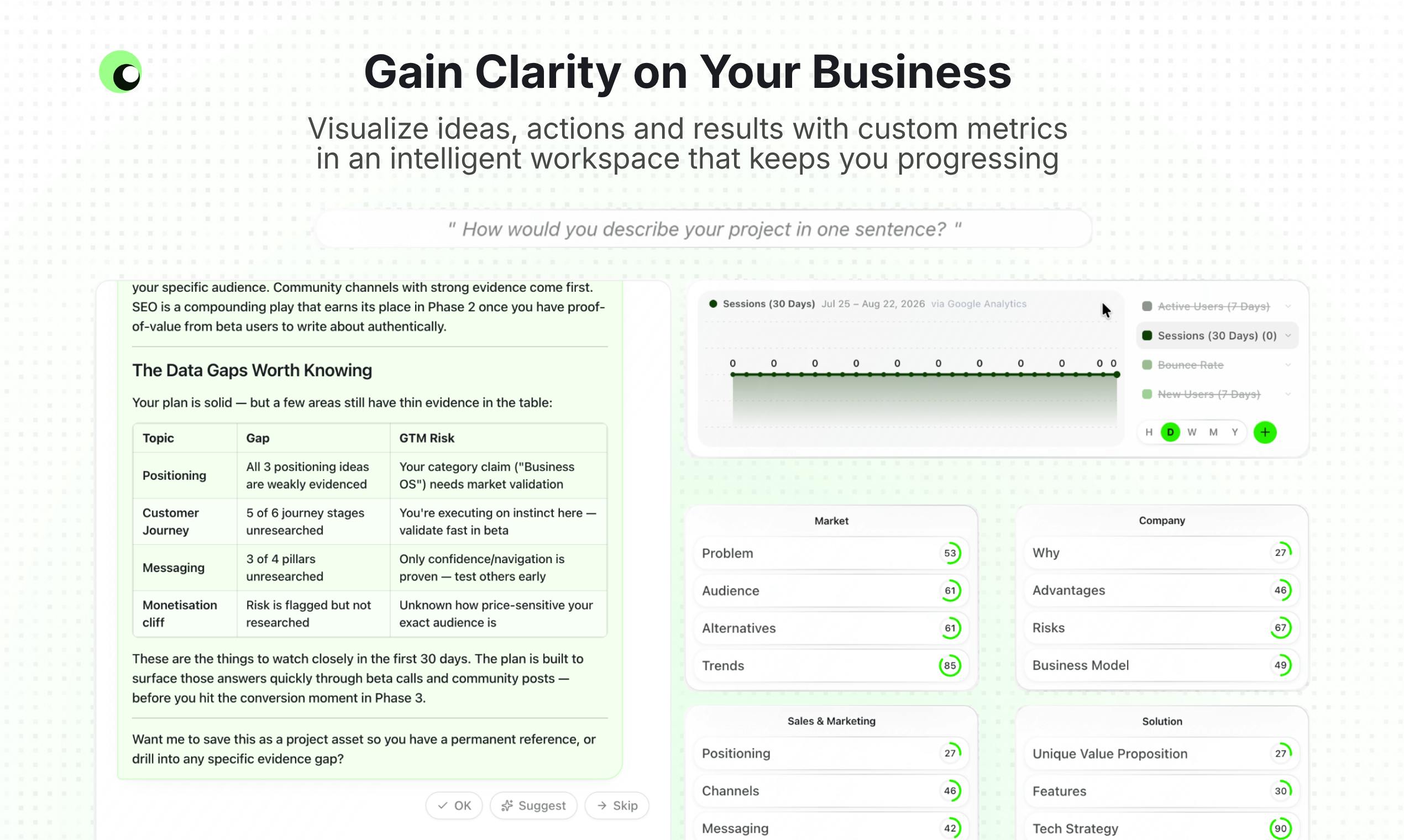
siift: Turning AI Startup Noise into Actionable Business Decisions
siift is an AI startup decision tool that turns scattered AI conversations and advice into a living business map — covering validation, GTM, and growth.