Xbox 25th Anniversary: 25 Original Games Land on PC, First Step Toward Cloud Game Preservation

Microsoft launches 25 original Xbox games on Windows PC for Xbox's 25th anniversary, requiring digital licenses.
On Xbox's 25th anniversary, Microsoft expands its paid next-gen game preservation program from July's small trial to 25 original Xbox games playable on Windows PC. Players must own or buy digital copies; physical discs won't work. The full list and technical details remain undisclosed, and the feature is Windows PC-only for now.
Microsoft is beginning to make good on its paid "next-gen game preservation" promise in time for Xbox's 25th anniversary. Starting today, players who own digital copies (or are willing to buy them) can play 25 original Xbox games on Windows PC. The program originally launched in July with a small handful of games as a trial, and has now finally expanded to 25 titles.
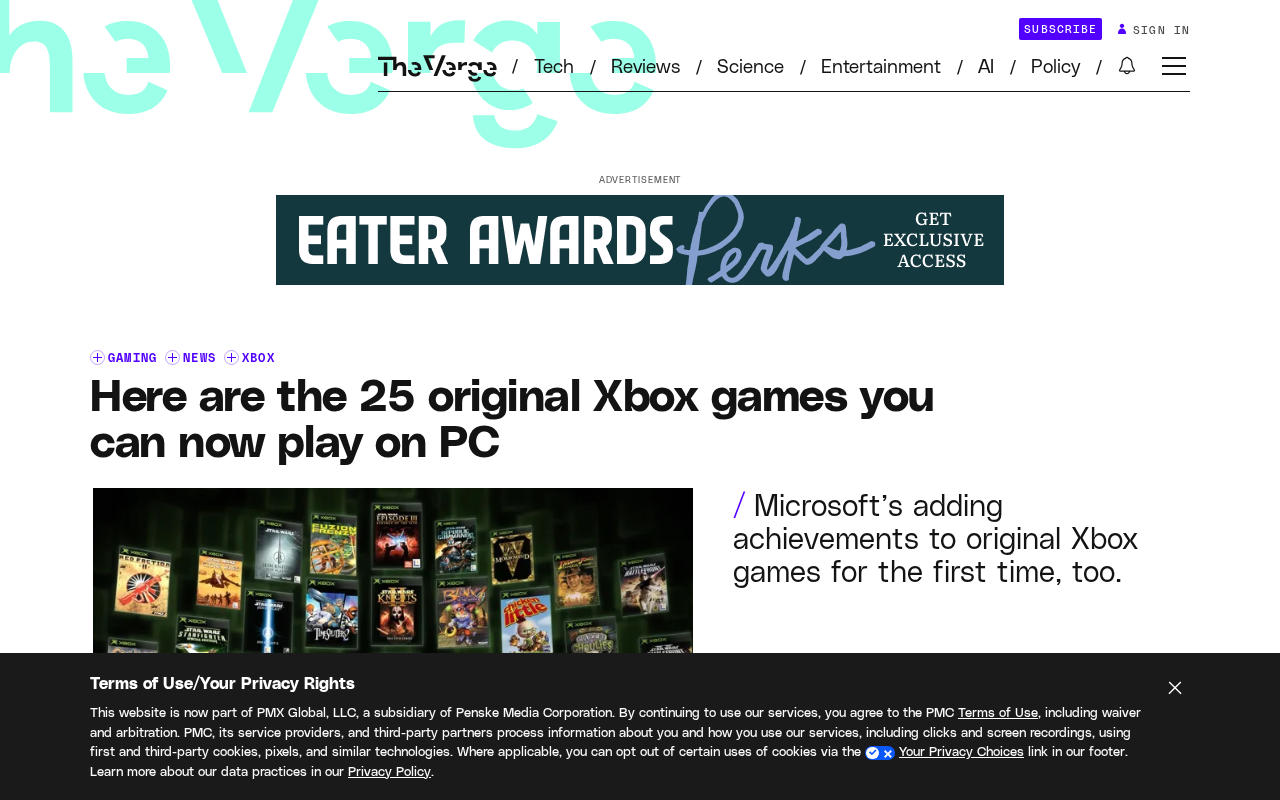
25 Classic Games Come to PC, But There's a Catch
Microsoft hasn't published the full list of 25 games, but it made one thing clear: you must own digital copies. This means physical discs can't be used directly on PC — players need to already own or purchase the corresponding digital license. For veteran players who've already collected the digital versions, this is undoubtedly good news; for newcomers hoping to relive the classics, it means paying extra.
This service is part of Microsoft's "next-gen game preservation" initiative, which debuted in July with only a few supported games and has now expanded to 25, showing Microsoft's continued investment in game preservation.
The licensing difference between digital copies and physical discs is key to understanding this service. Digital games are tied to a license under your Microsoft account, which can be verified and downloaded to run on supported devices; physical discs, by contrast, contain only the media itself, and their use typically depends on the original console's optical drive and region checks — a PC cannot directly read and verify the license information on an Xbox game disc. So even if a player holds an original disc in hand, the system can't use it to confirm legitimate ownership. Microsoft's requirement for digital copies essentially makes the account license the precondition for running the game, which both simplifies copyright verification and means physical collectors are excluded at this stage — they'd need to purchase a separate digital license to use the feature.
Cloud Game Preservation: Microsoft's Promise and the Current State
Microsoft calls this feature "paid next-gen game preservation," hinting that more classic games may run on new platforms in the future through cloud gaming or emulator technology. For now, PC players can run these original Xbox games through official channels, but the specific technical implementation details (such as whether it's emulator-based) have not been disclosed.
From an industry perspective, game preservation has always been a challenge. Many classic games are difficult to run on modern devices due to hardware obsolescence and copyright issues. While Microsoft's move requires payment, it at least provides convenience for players who legitimately own digital copies and sets a reference for other publishers.
Game Preservation in the context of the gaming industry refers to a systematic effort to keep historical game works runnable, researchable, and playable after their original hardware retires. There are three core obstacles: first, hardware obsolescence — many older consoles use custom chips and storage media that are hard to replace once damaged; second, software dependencies — early games are often deeply coupled with specific firmware and OS versions; third, copyright and licensing — redistributing elements like music, characters, and engines requires clearing rights item by item. Common industry approaches include official emulators, source code ports, cloud streaming, and museum-style static preservation. Microsoft's move to run original Xbox games on Windows PC falls under the "officially supported re-release" path; its value lies in clear legality, but it's also limited by digital licensing and can't cover physical collectors.
Emulator technology is one of the most likely underlying implementations for this kind of compatibility solution. Emulators reproduce the original console's CPU, GPU, audio, and input subsystems in software, allowing old game binaries to execute on new hardware without modification. The difficulties lie in timing accuracy, graphics API translation, and patent compliance: the original Xbox used an x86 architecture with a custom NVIDIA graphics chip, making emulation relatively manageable, though proprietary formats and system calls still need to be handled. Microsoft hasn't disclosed the specific implementation; if it uses an official emulator, it will need to address performance tuning and maintaining a game compatibility list; if it uses a port or wrapper approach, the workload is larger and coverage narrower. The choice of technical path will directly determine the speed and breadth of future library expansion.
What Players Need to Know
If you already own digital copies of these games, you can run them directly on Windows PC. If not, you'll need to buy them first. Microsoft hasn't yet published the full game list, so it's worth keeping an eye on the official store page. Additionally, the feature is currently limited to Windows PC, with no mention of Xbox Series X/S or other platforms for now.
For game preservation enthusiasts, this is a positive signal. Although 25 games are only a small fraction of the vast original Xbox library, it's at least a first step. Whether Microsoft will continue to expand the list is worth watching.
Conclusion
On Xbox's 25th anniversary, Microsoft has demonstrated its commitment to game preservation by bringing 25 original games to PC. Although digital licensing is required, this move provides a new path for legitimate access to classic games. In the future, if Microsoft can further expand the library and optimize the experience, it may truly realize the vision of "next-gen game preservation."
One-line Summary
Microsoft launches 25 original games on Windows PC for Xbox's 25th anniversary, requiring digital licenses.
Paragraph Summary
On Xbox's 25th anniversary, Microsoft has expanded its paid "next-gen game preservation" program from July's small trial to 25 original Xbox games playable on Windows PC. The catch: players must own or purchase digital copies — physical discs can't be used directly. Microsoft hasn't published the full game list or disclosed technical implementation details (such as whether it's emulator-based). The feature is currently limited to Windows PC, with no mention of other platforms. The move offers convenience for veteran players who legitimately own digital copies and is seen as a positive signal for game preservation, though 25 games are only a small fraction of the vast original Xbox library — whether it will keep expanding is worth watching.
Related articles
Gemini 4 Neon Released: Tops Coding Benchmarks, Gemini 4 World Model Opens Up
Google releases Gemini 4 Neon, topping the coding agent index with million-token context; Gemini 4 world model opens Project Genie; DeepSeek web search goes free; Microsoft unveils an on-device Windows small model; the White House discusses requiring US companies to disclose whether they use Chinese open-source models.
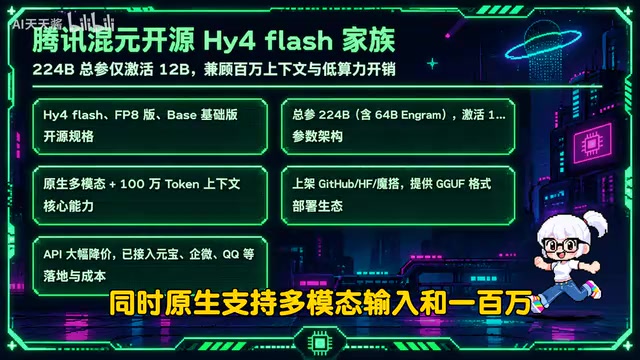
Google Gemini 4 Neon Released: Just $3 per Million Tokens as the AI Price War Escalates
Google releases Gemini 4 Neon at just $3 per million input tokens; Tencent open-sources Hy4 Flash; DeepSeek scraps search-crawling fees; Microsoft unveils new image and voice models; NVIDIA halts H200 shipments to China; Citi says no reimbursement for AI-agent fraud losses. Today's hardcore AI news in one read.
DeepSeek Quota Wall Pre-embedded in Code: The 48 Hours of Open-Source Migration Tools and Chat Restrictions
DeepSeek pre-embedded quota limits in frontend code two days early; old chats expire after 72 hours of inactivity on Nov 15, while APIs and client code go open-source the same week. This analysis examines the VRAM pressure and three-way resource contention behind rapid quota depletion, and the user dilemma of "not unwilling to pay, but unable to find where to pay."