Xbox Is Not for Sale: Microsoft's Gaming Chief Addresses Spinoff Rumors Head-On
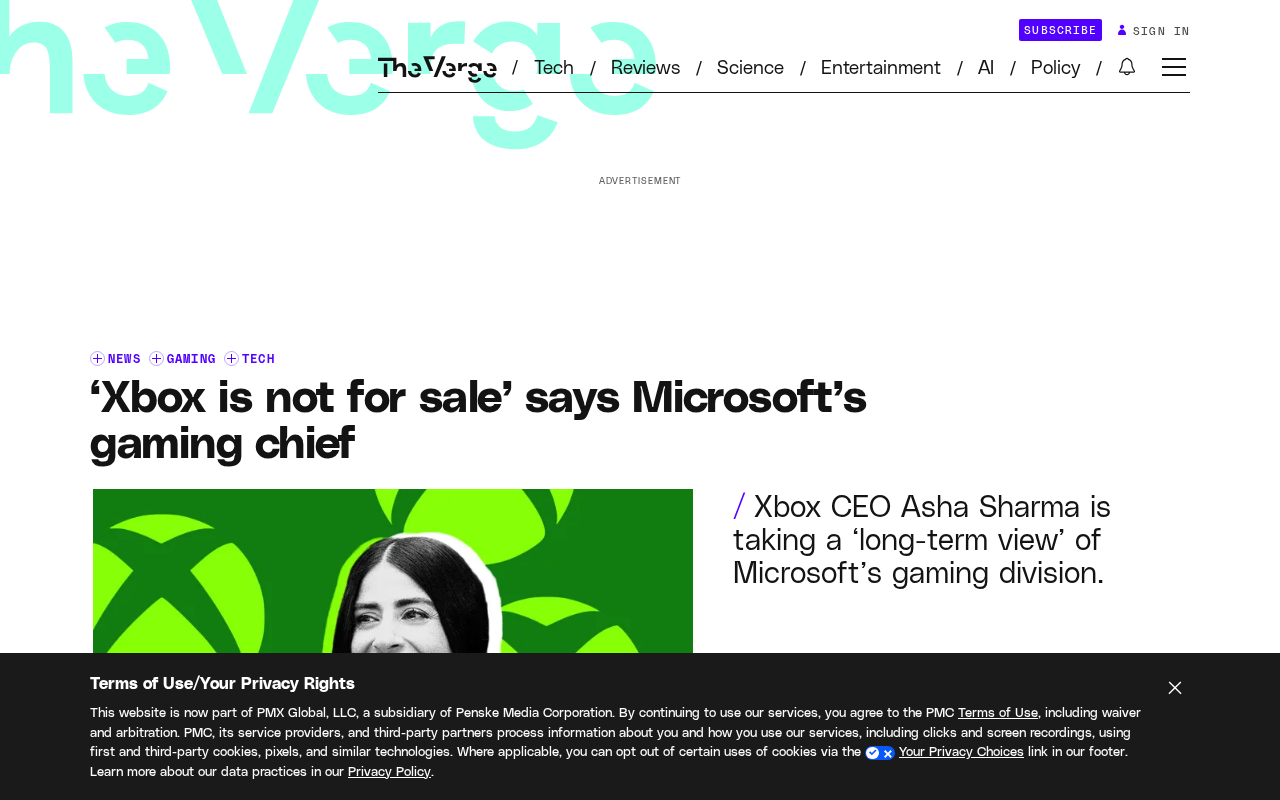
Xbox CEO Asha Sharma denies sale rumors as Microsoft backs internal reform over divestiture.
Microsoft's Xbox division was recently rocked by reports that CEO Satya Nadella and CFO Amy Hood had internally discussed spinning out Xbox. Xbox CEO Asha Sharma responded directly: "Xbox is not for sale." Sources indicate Microsoft's leadership has since shifted to supporting Sharma's internal reform plan rather than pursuing a divestiture. Analysts suggest the spinout discussions were likely routine financial scrutiny of Microsoft's massive gaming investments — including the $68.7B Activision Blizzard acquisition — rather than a true signal of retreat. The statement is designed to reassure players, partners, and internal teams that Microsoft remains committed to the Xbox ecosystem.
Microsoft's gaming division has recently been swept up in acquisition rumors. In response to mounting speculation, Xbox CEO Asha Sharma has made her position clear: Xbox is not for sale. The statement aims to put to rest a wave of reports — circulating since earlier this year — suggesting that Microsoft might break up or even divest the entire Xbox business.
Where the Rumors Started
The talk of Microsoft selling Xbox didn't come out of nowhere. According to tech outlet The Information, Microsoft CEO Satya Nadella and CFO Amy Hood held internal discussions about the possibility of fully spinning out Xbox. The moment that report surfaced, it sent shockwaves through the gaming industry — and added to the anxiety already felt by players who had grown uneasy with Microsoft's frequent strategic pivots in gaming.
Subsequent reporting, however, introduced a meaningful shift in tone. Sources indicated that Nadella and Hood had since moved to support a business reform plan put forward by Sharma, rather than pursuing an outright sale. This suggests that Microsoft's leadership may be pivoting from asking "should we divest?" to asking "how do we reshape?" the Xbox business.
A note on "spin out" vs. "sell off": In corporate strategy, a spin-out means the parent company separates a business unit into a new, independent entity — with shareholders of the parent typically receiving proportional shares in the new company. This is fundamentally different from a sale, where control is transferred entirely to a buyer. In a spin-out, the parent may retain partial ownership, and the business continues under its own brand. Conflating the two terms is partly why this story got so amplified. For Microsoft, even a true spin-out wouldn't necessarily hand Xbox to a competitor — a more likely outcome would be an independent IPO or bringing in outside investors to establish cleaner financial valuation.
Sharma's Direct Denial
As the person at the helm of Xbox, Asha Sharma's decision to publicly deny the sale rumors at this moment carries a clear message. When speculation is running hot and confidence among industry partners and players is wavering, a formal statement from senior leadership serves a concrete purpose: steadying the team, reassuring partners, and restoring user confidence.
"Xbox is not for sale" — that blunt declaration carries more weight than any carefully hedged PR language. It doesn't just push back on the media reports; it clarifies Microsoft's strategic positioning on its gaming business. Xbox remains a meaningful part of Microsoft's long-term plans — not an asset to be carved off at will.
The Strategic Calculus Behind the Rumors
What's worth examining more closely is why Microsoft's senior leadership would be discussing a spinout at all. In recent years, Microsoft has made enormous bets on gaming — from the landmark Activision Blizzard acquisition to its full-throttle push behind the Game Pass subscription model and cloud gaming. Gaming has become one of Microsoft's most prominent consumer-facing businesses.
And yet, hardware sales pressures, the profitability challenges of the subscription model, and a broader slowdown in industry growth could all prompt finance executives to scrutinize Xbox's return on investment. Viewed through that lens, any internal discussion of a spinout is more likely a routine assessment of capital allocation and strategic priorities — not a genuine signal that Microsoft wants out of gaming.
The shift from "considering a spinout" to "backing Sharma's reform plan" also reflects Microsoft's preference for internal restructuring and operational optimization as the path to unlocking Xbox's value — rather than simply selling it off.
Context on the Activision Blizzard deal: Microsoft completed its acquisition of Activision Blizzard in 2023 for approximately $68.7 billion — the largest deal in gaming history, which took nearly two years to clear regulatory scrutiny worldwide. The acquisition brought marquee franchises like Call of Duty, Diablo, and Overwatch under the Microsoft umbrella, significantly expanding the Xbox Game Pass content library while also substantially raising Microsoft's cost base and strategic stakes in gaming. Against that backdrop, internal financial discussions about optimizing returns on such a massive asset are entirely normal capital management — not necessarily a sign of strategic retreat. Game Pass currently has approximately 34 million subscribers, but whether the service can sustain profitability remains a core question analysts continue to press.
What This Means for Players and the Industry
For Xbox players, this statement is, without question, a reassurance. It signals that Microsoft intends to keep investing in its console ecosystem, game content, and services for the foreseeable future — and that players' investments in the platform, whether that's their game libraries or their subscriptions, won't be disrupted by a divestiture anytime soon.
For the broader gaming industry, Microsoft's stance also functions as a bellwether. As one of the three major forces alongside Sony and Nintendo, how Microsoft treats Xbox directly shapes the competitive dynamics of the console market. What form Sharma's "reform" plan will ultimately take remains to be seen — but what is clear is that Microsoft has chosen to stay in the game rather than walk away.
Closing Thoughts
At its core, the Xbox sale rumors reflect the ongoing scrutiny of Microsoft's direction in gaming. Sharma's unambiguous denial has, for now, brought this particular episode to a close. But how Microsoft balances hardware, subscriptions, and content — and what its Xbox "reform" plan actually looks like in practice — remain the key questions worth watching in the months ahead.
Related articles

M&M's Spent Millions Replacing Artificial Blue Dye — Why Is It So Hard?
Mars spent millions trying to replace artificial blue dye in M&M's with spirulina, but thick material clogs pipes and residue risks mold, forcing a full production-line rebuild. Here's the engineering behind the reformulation.
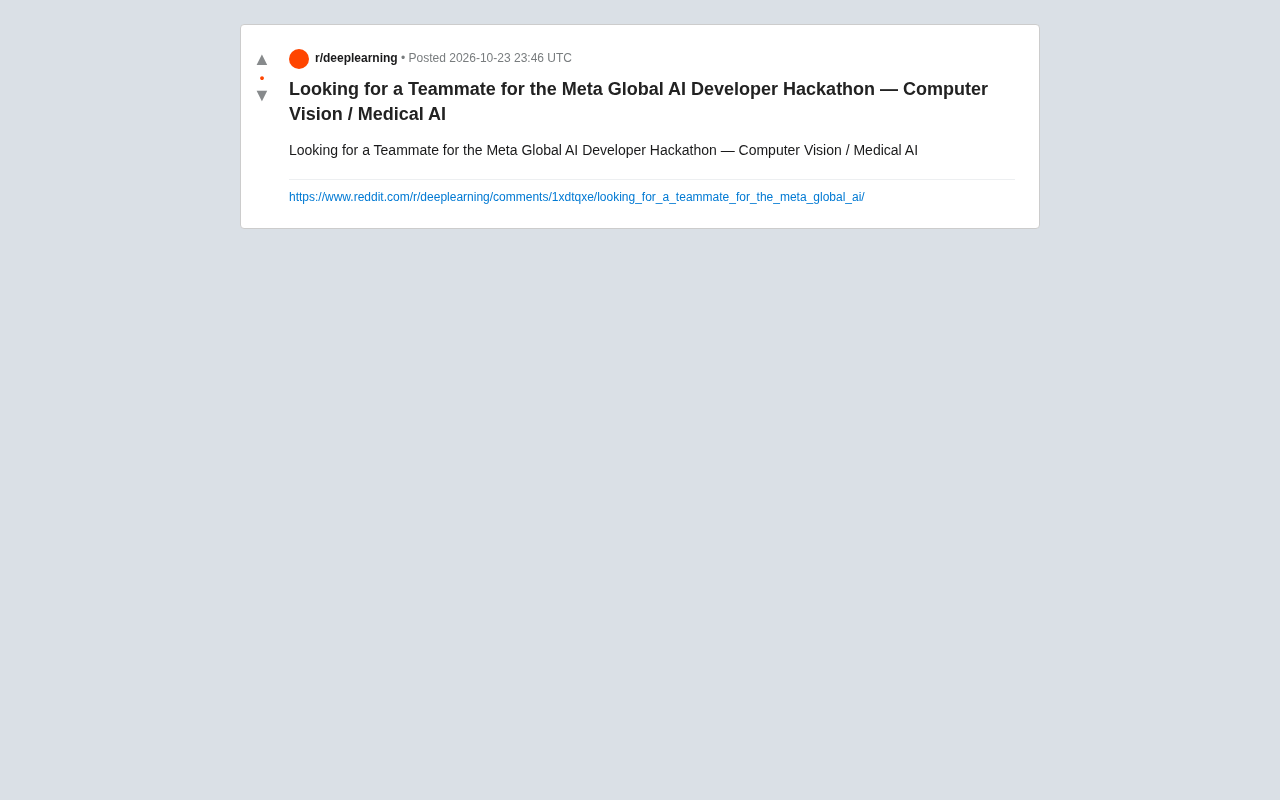
Teammate Wanted for Meta Global AI Developer Hackathon: Computer Vision & Medical AI
A Reddit developer seeks teammates for the Meta Global AI Developer Hackathon, focusing on computer vision and medical AI. This article analyzes the track logic, skills-complementarity needs, and topic selection strategy behind this teaming signal.
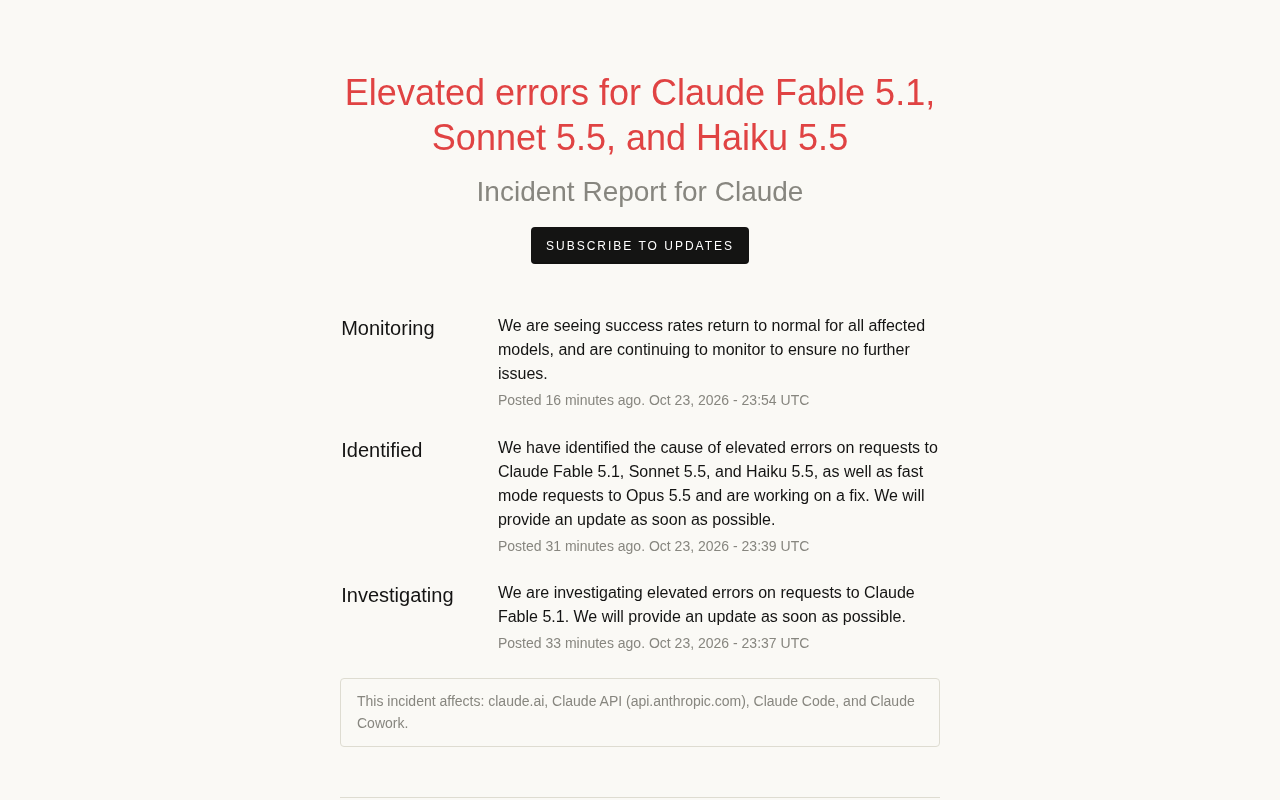
Multiple Claude Models Hit by Errors: A Postmortem of Fable 5.1, Sonnet 5.5, and Haiku 5.5
Claude Fable 5.1, Sonnet 5.5, Haiku 5.5, and Opus 5.5 fast mode saw elevated errors; Anthropic identified and resolved the issue in 17 minutes. This postmortem covers the timeline, the technical reasons for the multi-model cascading failure, and practical lessons for retry and degradation strategies.