#AI prompting
584 related articles

·3 min
Andrew Ng's Prompting Course: 4 Key Differences Between AI Beginners and Power Users
Andrew Ng's AI prompting course: 4 key differences between beginners and power users — from context input to iterative writing workflows and beating sycophancy.
Read more →
Deep Dives
Deep Dive into OpenAI's Official GPT-5…
·3 min
Deep Dive into OpenAI's Official GPT-5.6 Prompting Guide: The Shift from Manual to Automatic
A deep dive into OpenAI's official GPT-5.6 Sol prompting guide: conciseness-first, outcome-oriented design, autonomy boundaries, tool routing, and reasoning intensity tuning.
Read more →

·2 min
Does Yelling at AI Make It Smarter? Breaking Down LLM Behavior and Prompting Techniques
Why does yelling at AI sometimes seem to work? This article breaks down LLM behavior using technical principles and offers actionable prompt engineering tips.
Read more →

·2 min
Two Prompting Techniques That Make AI Coding 10x More Reliable: First Principles & Adversarial Review
AI code that looks right but breaks at runtime? Two prompting techniques fix this: First Principles forces AI back to requirements, Adversarial Review hunts for vulnerabilities — forming a complete quality loop for Cursor, Copilot, and more.
Read more →

·3 min
Andrew Ng's Prompting Course: Four Core Gaps Between AI Beginners and Power Users
Andrew Ng's AI Prompting for Everyone course reveals four key gaps between AI beginners and power users: deep thinking tasks, context, neutral prompting, and iterative workflows.
Read more →

·3 min
Andrew Ng's Advanced AI Prompting Guide: Core Methods for Going from Beginner to Expert
Based on Andrew Ng's latest AI prompting tutorial, learn the core gaps between beginners and experts: providing context, overcoming sycophancy, iterative workflows, and four key principles.
Read more →

·3 min
Andrew Ng's AI Prompting Guide: Four Key Gaps Between Beginners and Experts
Andrew Ng's AI prompting methodology reveals four core gaps between beginners and experts: deep thinking, sufficient context, neutral questioning, and iterative writing. Applicable to ChatGPT, Claude, Gemini, and all major AI tools.
Read more →

·6 min
Harness Engineering: From Context Engineering to the Third Phase of AI Programming
Explore Harness Engineering: the next evolution beyond context engineering for AI programming. Learn how to build enterprise-grade Skill systems and deliver real projects with mid-tier models.
Read more →

·3 min
Learning AI Large Language Models: A Complete Roadmap from Beginner to Practitioner
A systematic breakdown of the AI LLM learning roadmap covering prompt engineering, AI Agent development, RAG knowledge bases, model fine-tuning, and hands-on projects for beginners.
Read more →

·5 min
Learn AI Agent Development from Scratch: A 3-Step Practical Path to Get Started Quickly
How to learn AI Agent development from scratch? This article outlines a clear 3-step path: Python crash course, LLM theory & practice, and LangChain framework project implementation.
Read more →

·4 min
Fable 5 vs GPT-5.6: An In-Depth Head-to-Head Comparison of Two Top-Tier Coding Models
In-depth comparison of Fable 5 vs GPT-5.6 (Sol) for AI coding. Covering token efficiency, code quality, design, cost, and safety based on $10K+ real usage data.
Read more →

·4 min
Fable 5 vs GPT-5.6: An In-Depth Head-to-Head Comparison of Two Top-Tier Coding Models
In-depth comparison of Fable 5 vs GPT-5.6 (Sol) for AI coding. Real-world data on token efficiency, code quality, design capability, and cost from $10K+ testing.
Read more →

·2 min
Antigravity Subscription Bug: PRO Paying Users Hit with Quota Limits and Unable to Use the Service
A Google AI PRO subscriber reports Antigravity coding tool subscription issues, hitting quota limits despite paying. We analyze possible causes and offer fixes.
Read more →

·5 min
A Beginner's Guide to Prompt Engineering: From One-Off Instructions to a Systematic Methodology
A beginner's guide to prompt engineering covering the four functions of prompts, the key differences from prompt engineering, a six-step systematic workflow, and critical technical and practical limitations.
Read more →

·3 min
Three Essential Hard Skills Traditional Product Managers Need to Transition into AI PM
How can traditional product managers transition to AI PM? This article analyzes the essential differences and details three must-have skills: AI product cognition, advanced Prompt engineering, and large model technical logic.
Read more →
·3 min
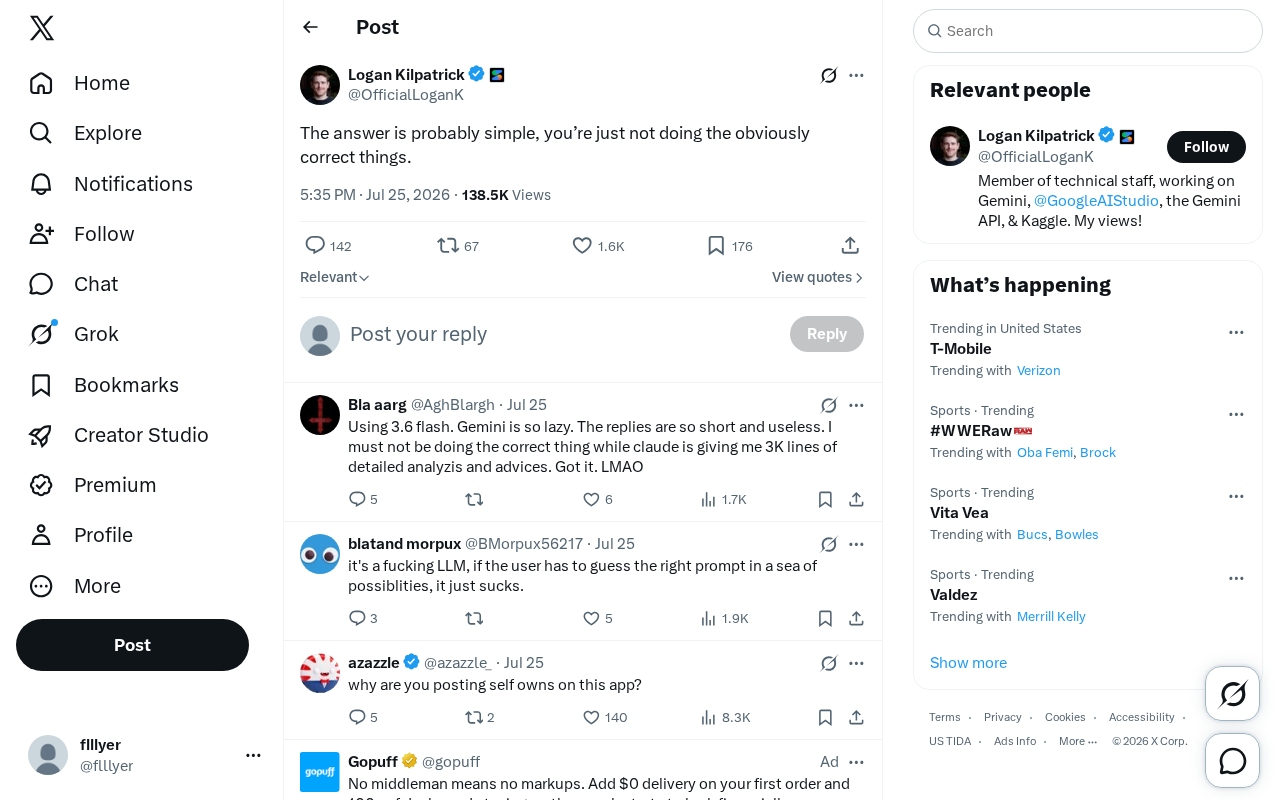
AI Not Performing Well? Start by Getting These Simple but Often Overlooked Things Right
When your AI system underperforms, the problem is often not the model or algorithm — it's basic work like data cleaning, prompt writing, and evaluation that hasn't been done right.
Read more →
·3 min
AI Not Working Well? Start by Getting These Simple but Often Overlooked Things Right
When AI systems underperform, the problem often isn't the model or algorithm — it's that basics like data cleaning, prompt writing, and evaluation aren't done right. Learn the simple fixes that matter most.
Read more →

·2 min
Will AI End Human History? The Deep Anxiety Behind Technological Optimism
A viral Reddit post asks: will AI end human history? This article analyzes the blind spots of tech accelerationism, the governance mismatch, and how to rationally navigate AI transformation.
Read more →

·3 min
From RAG to Agent Tuning: A Complete Guide to Deploying LLM Agents
A deep dive into LLM Agent frameworks covering RAG, Agent core components (tools, memory, planning), and Agent Tuning workflows with cost considerations for production deployment.
Read more →
·3 min
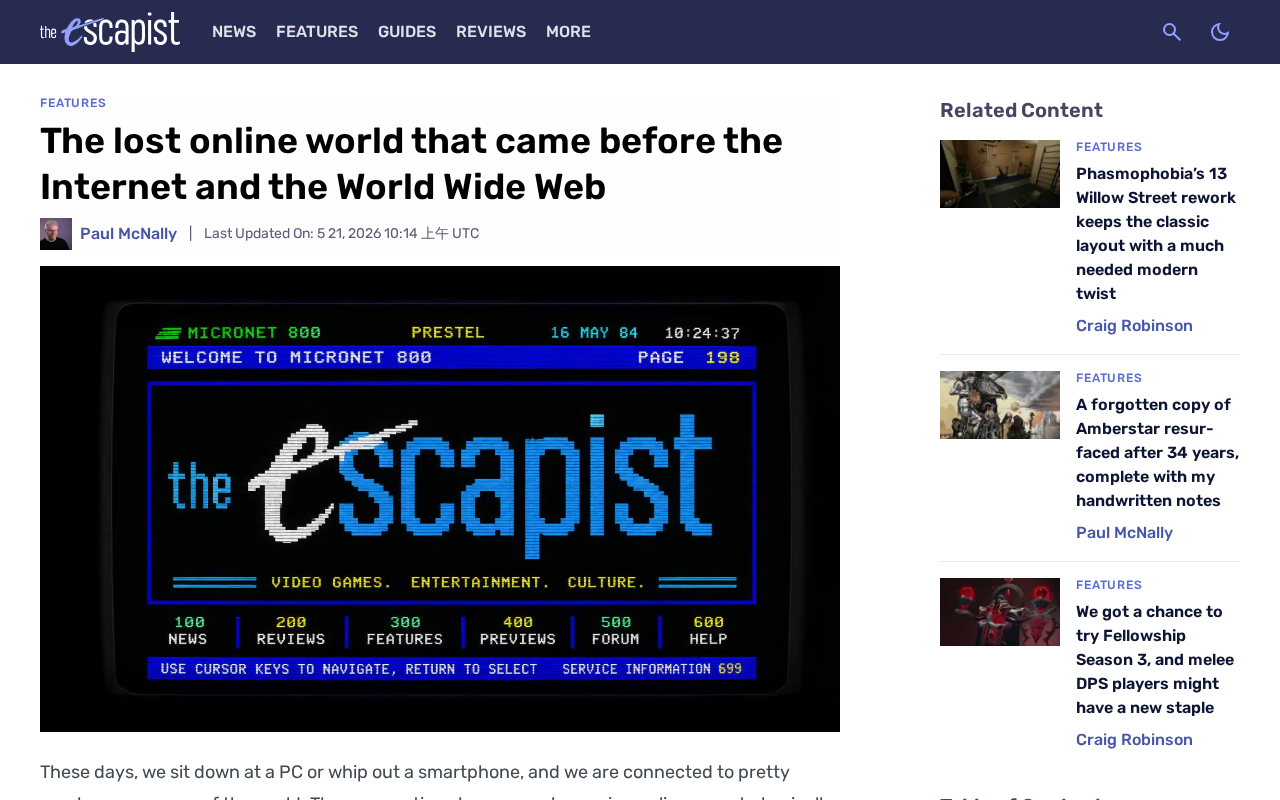
Prestel and Micronet: Britain's Lost Proto-Internet
Explore Britain's 1979 Prestel Viewdata system and its community platform Micronet 800 — an interactive online service that predated the World Wide Web by a decade, and why it lost to the open internet.
Read more →