#Cursor AI programming
1202 related articles
 Tutorials
·4 min
Building a WeChat Mini Program with Cursor: A Practical Guide to AI Programming Pitfalls and Technical Decisions
Real-world experience building a WeChat Mini Program with Cursor, covering product design, technical pitfalls, and creative LLM API usage — a practical guide for AI programming beginners.
Read more →
 Tutorials
·3 min
Getting Started with Cursor + Claude AI Programming: A Complete Guide for Beginners
Complete guide to using Cursor AI code editor with Claude model, covering intelligent code generation, Agent mode, pricing plans, and practical tips for beginners.
Read more →
 Tutorials
·3 min
Zero-Code QR Code Ordering Mini Program with Cursor: A 38-Lesson AI Programming Course
Learn how to build a complete QR code ordering WeChat Mini Program with zero code using Cursor AI, covering frontend, backend, WeChat Pay, and analytics across 38 lessons.
Read more →
 Product Reviews
·2 min
Cursor 1.2 Released: Built-in Task Decomposition Enhances AI Programming Experience
Cursor 1.2 adds built-in automatic task decomposition. AI breaks complex requirements into a To-Do List and executes step by step — no plugins needed, with native task visualization for better control.
Read more →
 Product Reviews
·2 min
Cursor 2.0-2.3 Core Evolution: AI Programming Enters the Era of Fleet Command
Deep dive into Cursor 2.0-2.3: multi-agent parallel programming, auto-evaluation, built-in browser, runtime debugging—pushing developers from coders to AI fleet commanders.
Read more →
 Tutorials
·3 min
Complete Cursor Beginner's Guide: From Installation & Setup to Efficient AI-Powered Programming
Complete Cursor beginner's guide covering installation, model selection, three conversation modes, billing rules, Rules setup, and practical AI programming tips to help you master Cursor quickly.
Read more →
 Tutorials
·2 min
Cursor AI Programming in Practice: A Complete Guide to Using Coding Agents Efficiently
A deep dive into Cursor's coding agent architecture and practical techniques, covering code search, feature development, debugging, code review, and custom configuration for efficient AI programming.
Read more →
 Tutorials
·3 min
Cursor Beginner's Guide: A Complete Strategy to 10x Your Productivity with AI Programming from Scratch
Complete guide to Cursor AI programming tool: installation, core features, and practical tips. Compares GitHub Copilot, Windsurf, Trae and more to help beginners boost development efficiency 10x.
Read more →
 Tech Frontiers
·3 min
Claude Code Sub-Agents and Cursor BugBot Launch: AI Programming Tools Get Major Upgrades
Anthropic adds custom sub-agents to Claude Code, Cursor launches code review Agent BugBot, Qwen releases 92-language translation model, and Google unveils three experimental AI products.
Read more →
 Product Reviews
·1 min
ECC: A Unified AI Programming Operating System for Claude Code, Codex, and Cursor
ECC (Enhanced Claude Code) is an open-source AI programming OS that unifies Claude Code, Codex, and Cursor through a five-layer architecture with 246 skills, 61 Agents, and selective installation.
Read more →
 Product Reviews
·2 min
Cursor Composer 2.5 Deep Dive: Cloud-Based AI Programming Makes High-End PCs a Thing of the Past
Cursor Composer 2.5 supports cloud execution of complex tasks, freeing developers from expensive hardware. Analysis of cost structures, usage bottlenecks, and investment strategies for AI programming.
Read more →

·2 min
The Truth Behind Codex 'Build a Website in 5 Minutes': AI Isn't Creating Sites—It's Helping You Copy Them
Exposing the truth behind viral Codex 5-minute website videos: creators aren't building original sites with AI—they're copying shared prompts or scraping others' work. Learn AI coding tools' real limits.
Read more →

·3 min
A Beginner's Guide to AI Agents: Two Learning Paths for Developers and Practitioners
How to learn AI Agents from scratch? This guide covers two clear paths: developers go from Python to LLMs to open-source framework source code; practitioners use Claude Code or similar tools to get results fast.
Read more →

·2 min
Why 'Clean Code' Author Uncle Bob No Longer Reviews AI-Generated Code Line by Line
Clean Code author Robert C. Martin no longer reviews AI-generated code line by line, shifting to test-driven verification. We explore the logic, debate, and implications.
Read more →

·3 min
Grok 4.5 Feels Weaker in Cursor? A Deep Dive into AI Coding Tool Integration Differences
Users report Grok 4.5 underperforms in Cursor vs. the official terminal. We analyze how system prompts, context management, parameters, and tool calling create AI coding tool integration gaps.
Read more →

·3 min
Chinese Open-Source AI Conquers Silicon Valley: The Industry Upheaval Behind a 58% Compute Share
Chinese open-source AI models surged from under 10% to 58% of U.S. AI consumption. Kimi K3, DeepSeek, and Qwen are reshaping AI cost structures as DoorDash, Airbnb, and other Silicon Valley giants adopt them at scale.
Read more →
·3 min
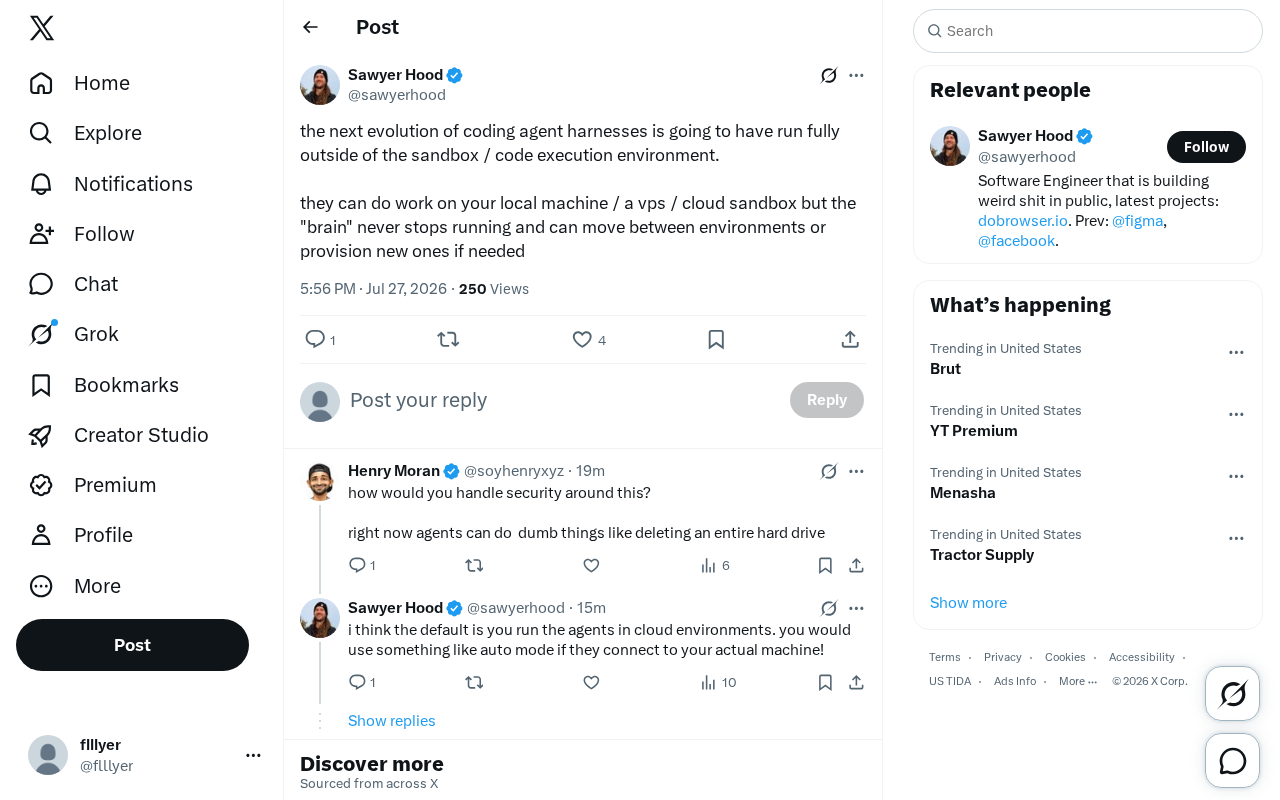
The Next Evolution of Coding Agents: Letting the Brain Break Free from the Sandbox
Exploring the key evolution in coding agent architecture: separating the reasoning core from code execution environments to decouple control and execution planes.
Read more →
·3 min
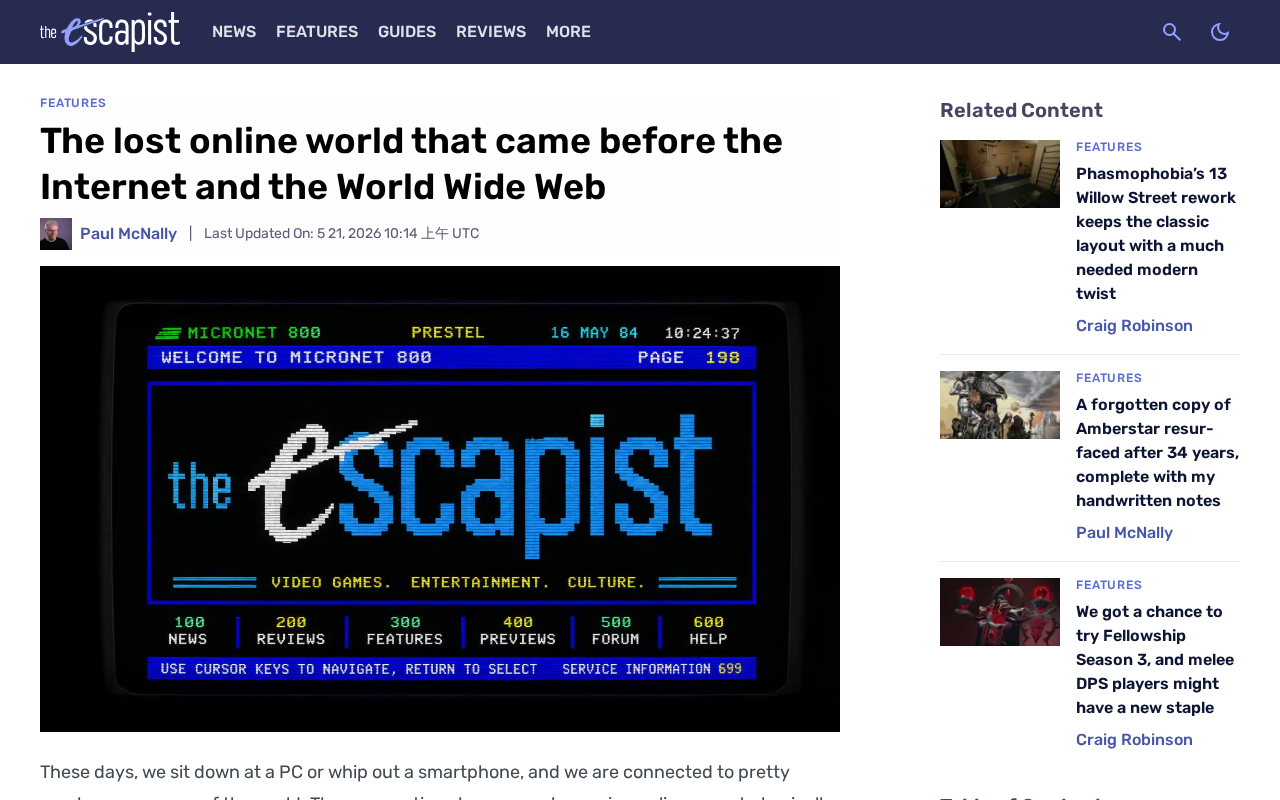
Prestel and Micronet: Britain's Lost Proto-Internet
Explore Britain's 1979 Prestel Viewdata system and its community platform Micronet 800 — an interactive online service that predated the World Wide Web by a decade, and why it lost to the open internet.
Read more →

·3 min
Codex Beginner's Guide: Hands-On Review of OpenAI's Programming Assistant with Practical Tips
A detailed guide to OpenAI Codex's core features, real-world usage, comparison with Claude Code, and DeepSeek configuration tips for developers choosing AI programming tools.
Read more →
·2 min
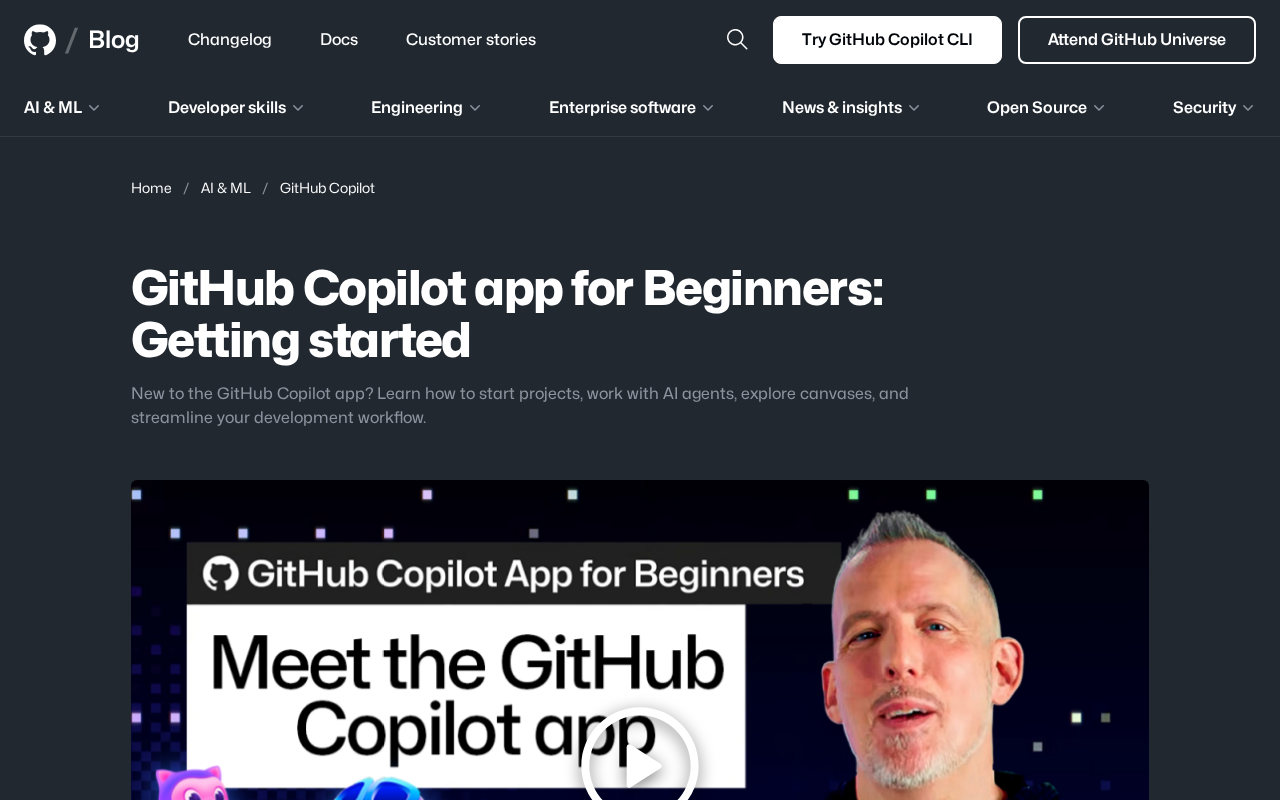
GitHub Copilot App Beginner's Guide: Mastering AI-Assisted Development from Scratch
A detailed guide to the GitHub Copilot standalone app's core features including project creation, AI agent collaboration, and canvases to help developers get started with AI-assisted development.
Read more →