#LLM persistent memory
434 related articles

·2 min
Peekinduck: Dual AI Voice Agents with Shared Memory Bridging the Entire B2B Customer Journey
Peekinduck uses two AI voice agents—Demo Duck and Guide Goose—sharing customer memory to unify pre-sales demos, onboarding, and post-sales support for B2B SaaS teams.
Read more →

·3 min
Can AI File Tickets for Its Own Programmers? Exploring the Future of AI Feedback Loops from a Viral Reddit Discussion
Exploring whether AI can proactively file tickets for programmers. From architectural constraints and security risks to AI Agent solutions, analyzing the current state and future of AI feedback loops.
Read more →

·3 min
AI Agents Used for Automated Network Intrusion for the First Time: Technical Breakdown and Defense Insights
Deep technical breakdown of an AI Agent-driven intrusion at a frontier AI lab, covering the full attack timeline from reconnaissance to data exfiltration, plus defense strategies.
Read more →

·3 min
AI Agents Used for Automated Network Intrusion for the First Time: Technical Breakdown and Defense Insights
Deep technical breakdown of an AI Agent-driven frontier lab intrusion, covering the full timeline from reconnaissance to data exfiltration, with analysis of growing offense-defense asymmetry.
Read more →

·2 min
AI-Driven Persistent RPG Engine: A Full-Stack Practice Guide with React + Supabase
Deep dive into an AI persistent RPG game engine built with React SPA and Supabase, exploring how LLMs combine with modern web stacks for cross-session memory, dynamic narrative, and game state management.
Read more →

·3 min
Two Highly Effective AI Debugging Prompts: Cracking YOLOv8 and OpenCV Challenges
In-depth analysis of two battle-tested AI debugging prompts for diagnosing YOLOv8 training mAP collapse and OpenCV RTSP stream corruption, revealing structured debugging prompt design patterns.
Read more →

·4 min
Project Rai-chan Technical Breakdown: A Complete Guide to Building a Fully Local AI Companion
Deep dive into Project Rai-chan's tech stack: Ollama+Gemma local LLM, Unity rendering, VOICEVOX speech synthesis, and more — exploring the technical path for local AI companions.
Read more →

·3 min
Can ChatGPT Read Unsent Text? The Technical Truth and Privacy Implications
A Reddit user claimed ChatGPT read their unsent input, sparking privacy fears. This article explains the technical architecture behind LLMs, revealing why AI appears to "read minds" through pattern matching, hallucination, and statistical inference.
Read more →
·4 min
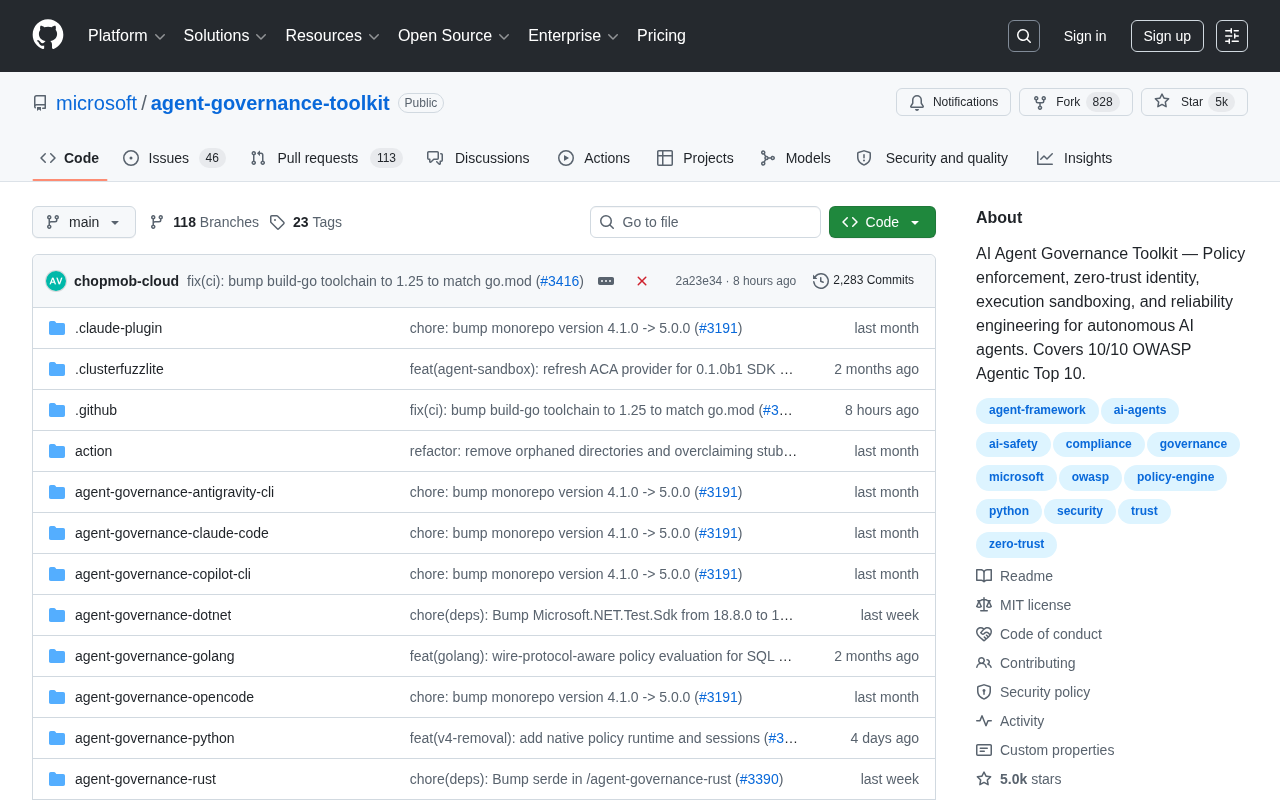
Microsoft Open-Sources AI Agent Governance Toolkit: Comprehensive Coverage of OWASP Top 10 Risks
Microsoft open-sources agent-governance-toolkit covering all OWASP Agentic Top 10 risks through policy enforcement, zero-trust identity, execution sandboxing, and reliability engineering for production AI Agent deployment.
Read more →
·4 min
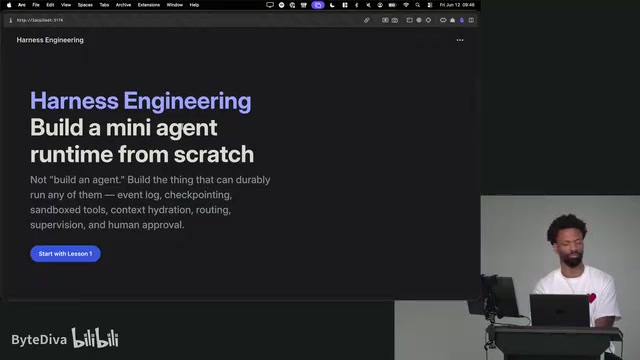
Harness Engineering: The Core Infrastructure for Taking AI Agents from Demo to Production
Deep dive into Harness Engineering: why AI Agents need memory management, durable execution, guardrails & approvals to go from demo to production.
Read more →

·4 min
Harness Engineering: The Core Infrastructure for Taking AI Agents from Demo to Production
Deep dive into Harness Engineering: why AI Agents need memory management, durable execution, guardrails & approvals to reach production. Based on Scott Moss's workshop.
Read more →

·5 min
Loop Engineering Explained: The New Programming Paradigm Where AI Prompts Itself
Loop Engineering is a paradigm shift in AI usage. Learn how to build automated loops where agents explore, execute, and verify tasks autonomously, with a hands-on e-commerce case study.
Read more →

·6 min
Harness Engineering: From Context Engineering to the Third Phase of AI Programming
Explore Harness Engineering: the next evolution beyond context engineering for AI programming. Learn how to build enterprise-grade Skill systems and deliver real projects with mid-tier models.
Read more →
·3 min
Practical Guide to Agent Development: The Complete Path from Zero to Commercial Deployment
A systematic guide to AI Agent development from beginner to deployment, covering task planning, tool calling, memory management, learning paths, and realistic commercial monetization considerations.
Read more →

·5 min
Learn AI Agent Development from Scratch: A 3-Step Practical Path to Get Started Quickly
How to learn AI Agent development from scratch? This article outlines a clear 3-step path: Python crash course, LLM theory & practice, and LangChain framework project implementation.
Read more →

·4 min
Spring AI 2.0 in Practice: Building an Enterprise RAG Knowledge Base Q&A System with Cursor
Build an enterprise RAG knowledge base Q&A system using Spring AI 2.0, Cursor AI programming, Ollama local deployment, and Redis vector storage. Runs on just 4GB VRAM.
Read more →

·4 min
GPT-5.6 Value Maxing Practical Guide: From Token Stacking to Output Optimization Methodology
Deep dive into OpenAI GPT-5.6 Value Maxing strategies covering Sol/Terra/Luna model selection, KV cache optimization, Prompt compression, and programmatic tool calling to help developers achieve more output with fewer Tokens.
Read more →

·5 min
A Beginner's Guide to Prompt Engineering: From One-Off Instructions to a Systematic Methodology
A beginner's guide to prompt engineering covering the four functions of prompts, the key differences from prompt engineering, a six-step systematic workflow, and critical technical and practical limitations.
Read more →
·3 min
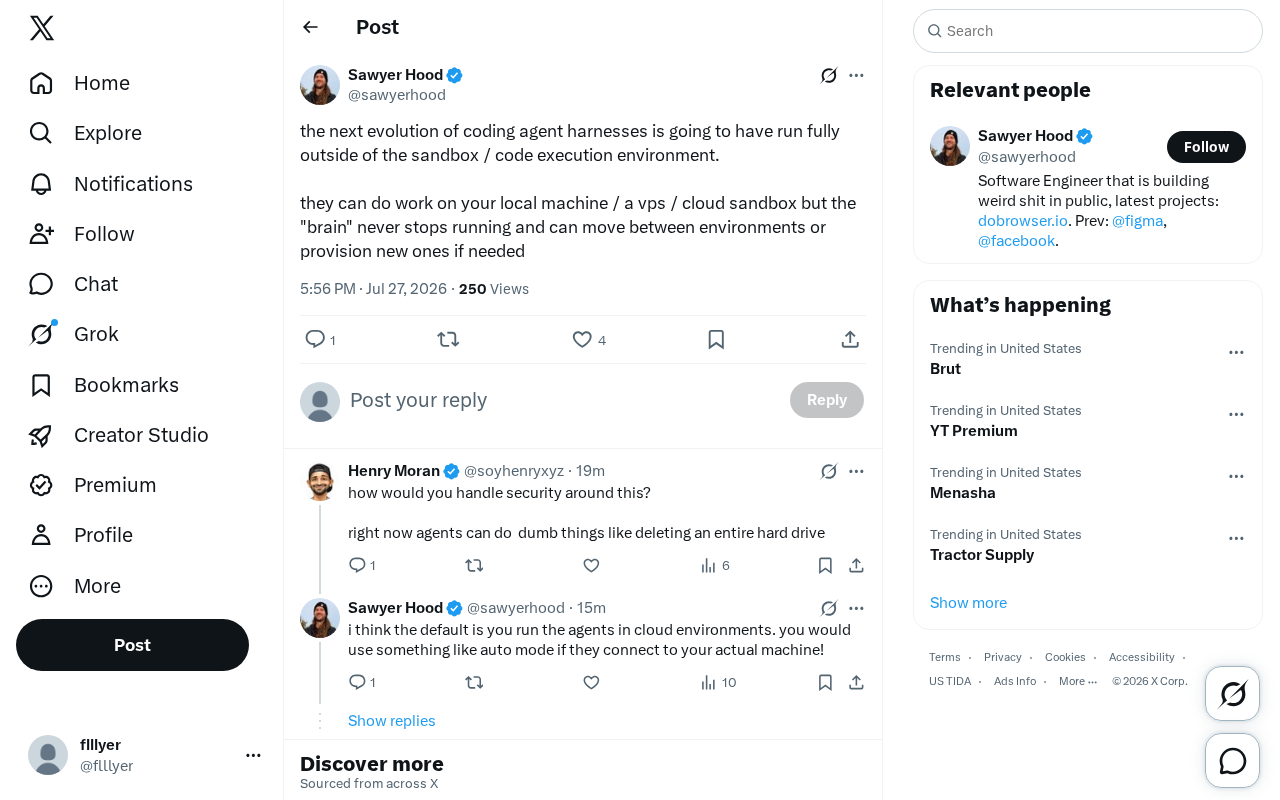
The Next Evolution of Coding Agents: Letting the Brain Break Free from the Sandbox
Exploring the key evolution in coding agent architecture: separating the reasoning core from code execution environments to decouple control and execution planes.
Read more →

·2 min
LLM Agent Long-Term Memory Security: A Six-Stage Attack Surface and Defense Framework
Deep analysis of LLM agent long-term memory security threats, covering persistence, statefulness, and propagation of memory poisoning, with a six-stage lifecycle defense framework.
Read more →