LLM Agent Long-Term Memory Security: A Six-Stage Attack Surface and Defense Framework

A comprehensive framework for understanding and defending against security threats to LLM agent long-term memory systems.
This article analyzes the unique security threats posed by LLM agent long-term memory, highlighting how persistence, statefulness, and propagation make memory poisoning far more dangerous than stateless prompt injection. It introduces a six-stage lifecycle framework (Write, Store, Retrieve, Execute, Share, Forget) for mapping attacks and defenses, proposes verifiable memory governance principles, and warns that growing agent autonomy is expanding the attack surface faster than defenses can keep pace.
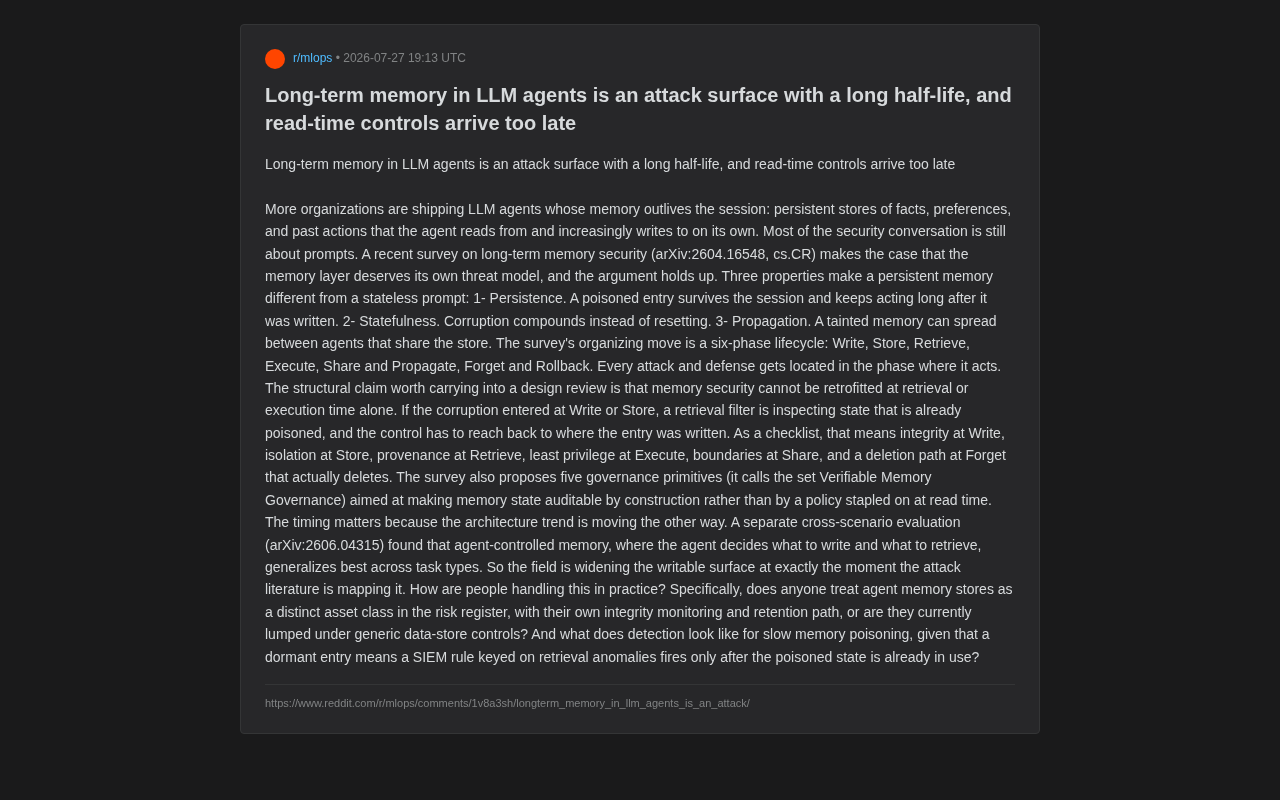
More and more organizations are deploying LLM agents with long-term memory capabilities—memories that persist beyond a single session's lifecycle, storing facts, preferences, and behavioral history, with agents increasingly reading and even writing to these memories autonomously. Yet the vast majority of security discussions still focus on the prompt layer. A recent survey on long-term memory security (arXiv:2604.16548, cs.CR) raises a critical point: the memory layer needs its own independent threat model.
Why Persistent Memory Differs from Stateless Prompts
Traditional stateless prompt injection attacks have a natural "stop-loss" point—when the session ends, the contamination disappears. But persistent memory fundamentally changes the game.
Current LLM agent long-term memory implementations primarily rely on external persistence mechanisms like vector databases (e.g., Pinecone, Weaviate, Chroma) and key-value stores. Unlike a model's context window—which is limited to a fixed number of tokens and clears when the session ends—external memory systems encode information as high-dimensional vector embeddings, store them in separate databases, and recall relevant memory fragments into prompts as needed through Retrieval-Augmented Generation (RAG). This architecture enables agents to "remember" interaction histories spanning months or even years, but it also means the memory database becomes a persistent attack target independent of the model itself.
The survey identifies three key properties that make persistent memory a unique attack surface with a "long half-life":
- Persistence: Contaminated memory entries survive beyond session termination, continuing to exert influence long after they were written. The aftereffects of an attack can extend for days, weeks, or longer.
- Statefulness: Corruption doesn't reset with sessions—instead, it accumulates and compounds. A minor contamination can evolve into systematic behavioral drift over time.
- Propagation: Contaminated memories can spread across multiple agents sharing the same storage, forming attack chains similar to "lateral movement." This concept borrows from the classic lateral movement attack pattern in cybersecurity—in traditional APT (Advanced Persistent Threat) attacks, attackers compromise a low-privilege node and then leverage internal trust relationships to progressively infiltrate other systems. In multi-agent architectures, when multiple agents share the same memory store, malicious memories injected into one agent can be retrieved and referenced by others, achieving contamination spread without directly attacking each agent, potentially forming self-reinforcing vicious cycles.
Together, these three properties mean that a single memory poisoning event causes far more damage than "one incorrect output"—it represents a latent, replicable, continuously active systemic risk.
The Six-Stage Lifecycle Framework: Precisely Locating Attack and Defense Points
The survey's core organizational framework divides memory into six lifecycle stages: Write, Store, Retrieve, Execute, Share and Propagate, and Forget and Rollback. Each attack technique and each defense measure is precisely mapped to the stage where it actually operates.
The framework's value lies in revealing a structural fact that's often overlooked: memory security cannot be retroactively patched at the retrieval or execution stages alone. If contamination enters the system at the Write or Store stage, then filters at retrieval time are inspecting an "already poisoned" state—controls must be able to trace back to where the entry was originally written, or they're effectively useless.
Understanding this requires recognizing the inherent vulnerability of RAG architecture: the retrieval process is fundamentally based on semantic similarity—the system returns memory entries closest to the current query in vector space, but semantic similarity doesn't equal source trustworthiness or content correctness. Attackers can carefully craft malicious memory entries with high semantic similarity to frequent queries, giving them priority positions in retrieval rankings—this is what's known as "Memory Poisoning." A more insidious variant is "Slow Poisoning," where multiple small, seemingly harmless writes gradually shift the memory store's semantic distribution, ultimately causing retrieval results to systematically bias toward the attacker's desired direction.
Stage-by-Stage Security Checklist
Based on this framework, the survey provides a security checklist spanning the entire lifecycle:
- Write stage: Ensure integrity
- Store stage: Implement isolation
- Retrieve stage: Verify provenance
- Execute stage: Follow least privilege
- Share stage: Establish boundaries
- Forget stage: Ensure deletion paths actually delete data
The key insight from this checklist: control points must shift left. Placing all security expectations on "filtering at read time" is fundamentally a belated, passive defense.
Verifiable Memory Governance: Making Memory State Auditable by Design
Addressing these issues, the survey further proposes five governance primitives, collectively termed "Verifiable Memory Governance." The core philosophy: make memory state auditable by design, rather than temporarily "bolting on" a policy at read time.
This approach echoes an important shift in traditional security—from "post-hoc detection" to "security by design." When memory entries carry verifiable provenance, integrity signatures, and audit trails from the moment they're written, subsequent contamination detection and accountability tracing become feasible.
At the technical implementation level, this framework has deep connections to cryptography and verifiable data structures. Integrity signatures can be implemented using hash chains or Merkle trees, ensuring that any tampering with historical memory entries causes signature verification to fail. Provenance tracking borrows from data lineage concepts, attaching metadata to each memory entry recording its creator, creation time, source context, and modification history. This "born-auditable" philosophy isn't entirely new in the database world—immutable logging and append-only data structures have long been widely used in financial and healthcare compliance—but systematically applying these to AI agent memory management remains a frontier direction urgently needing engineering implementation.
Architectural Trends Are Expanding the Attack Surface
It's worth noting that security advocacy runs directly counter to actual architectural evolution. Another cross-scenario evaluation study (arXiv:2606.04315) found that agent-controlled memory—where the agent itself decides what to write and what to retrieve—generalizes best across task types.
This trend reflects a deeper fundamental tension in AI system design: the tradeoff between autonomy and controllability. In reinforcement learning and cognitive architecture research, granting agents greater autonomous decision-making power (including deciding what to remember and what to forget) typically significantly improves their adaptability in open-domain tasks. But from a security perspective, every autonomous decision point is a potential attack entry—if an agent can autonomously decide to write to memory, then through carefully designed conversational steering (a form of "social engineering" targeting AI), attackers can potentially induce the agent to actively write malicious information into its long-term memory. This problem is particularly acute in multi-step reasoning frameworks (such as ReAct, Plan-and-Execute), where agents frequently perform intermediate state memory read/write operations during complex task execution.
This means: just as attack literature begins systematically mapping the memory attack surface, the field is simultaneously expanding the "writable surface." Agents are gaining increasingly broad autonomous write permissions—precisely the ideal entry point for memory poisoning attacks. Capability and risk grow in lockstep along the same dimension.
Two Critical Security Questions for Practice
The following two questions strike at the heart of implementation and deserve serious consideration from every team deploying agent systems:
First, is memory storage managed as an independent asset class? In the enterprise's risk register, is the agent's memory store assigned independent integrity monitoring and retention policies, or is it lumped under generic data storage controls? The latter clearly underestimates its unique threat. The fundamental difference between memory storage and traditional databases is that it doesn't merely store information—it directly drives AI system decision-making. A contaminated customer preference memory could cause an agent to consistently give incorrect recommendations in all subsequent interactions, with diffusion and stealth far exceeding traditional data breach incidents.
Second, how do you detect slow memory poisoning? A poisoned memory entry can remain "dormant" for extended periods. If SIEM (Security Information and Event Management) rules trigger on "retrieval anomalies," they'll only alert after the contaminated state has already been used—by then, it's too late.
It's important to understand that SIEM systems, as the core tool of enterprise Security Operations Centers (SOC), traditionally detect based on rule matching and statistical anomalies—such as detecting abnormal login patterns or unusual data access frequencies. However, facing memory poisoning attacks, SIEM's traditional paradigm faces a fundamental challenge: malicious memory writes may appear completely identical to normal writes at the log level (legitimate user, legitimate API call, normal data format), with malice identifiable only at the semantic level. This requires security teams to build specialized semantic-level monitoring capabilities beyond SIEM, including content baseline analysis of memory entries, temporal anomaly detection of write patterns, and continuous verification of inter-memory semantic consistency.
Truly effective detection requires establishing baselines and anomaly monitoring at the write and store stages, rather than relying on lagging signals from the retrieval end.
Conclusion
LLM agent long-term memory represents a critical transition from "stateless tools" to "stateful entities," but this transition quietly opens an attack surface with a long half-life. As agent autonomy continues to increase, treating memory as a core asset requiring independent threat modeling, independent monitoring, and independent governance will become essential for building trustworthy AI systems. Security controls must shift left in sync with the memory lifecycle—because by the time you act at read time, it's often already too late.
Related articles
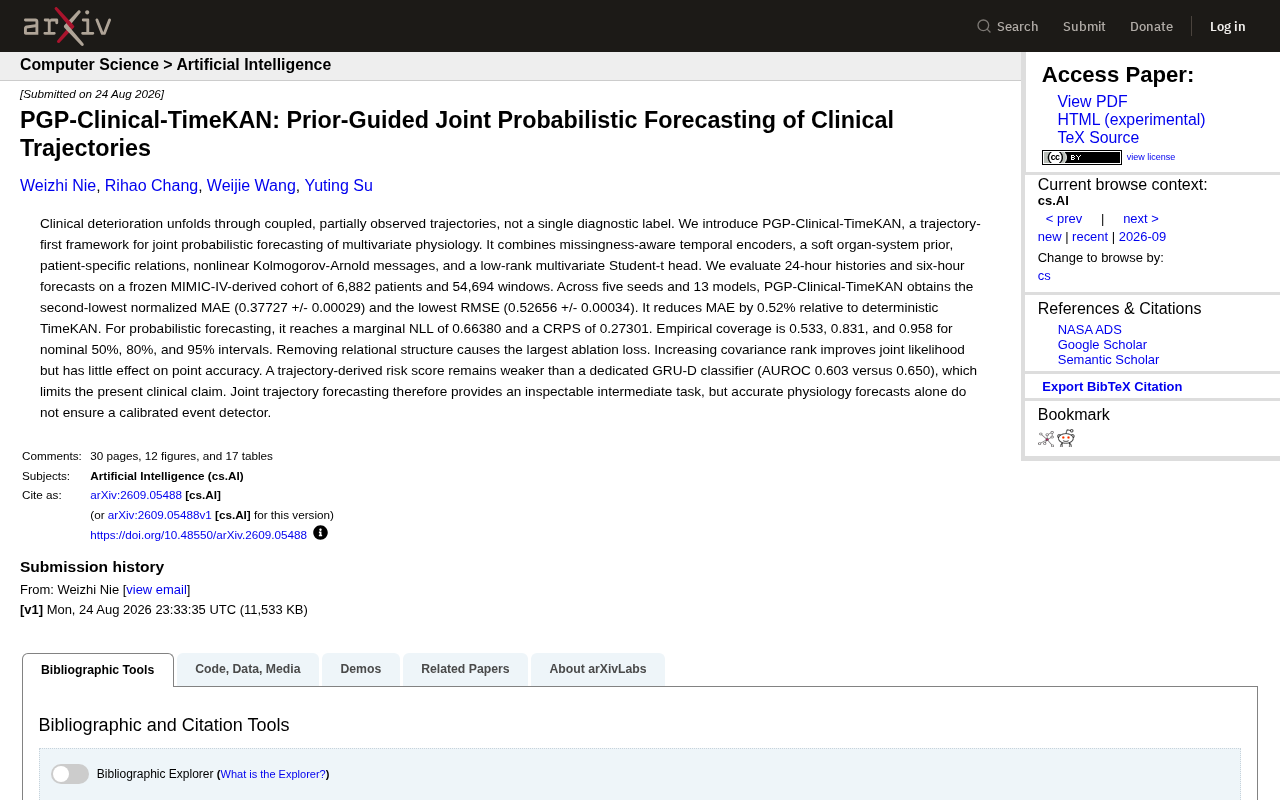
PGP-Clinical-TimeKAN: A Detailed Guide to the Multivariate Physiological Indicator Joint Prediction Framework
An in-depth analysis of the PGP-Clinical-TimeKAN framework for joint probabilistic prediction of multivariate physiological indicators, covering trajectory-first paradigm, KAN message passing, MIMIC-IV validation, and ablation studies.
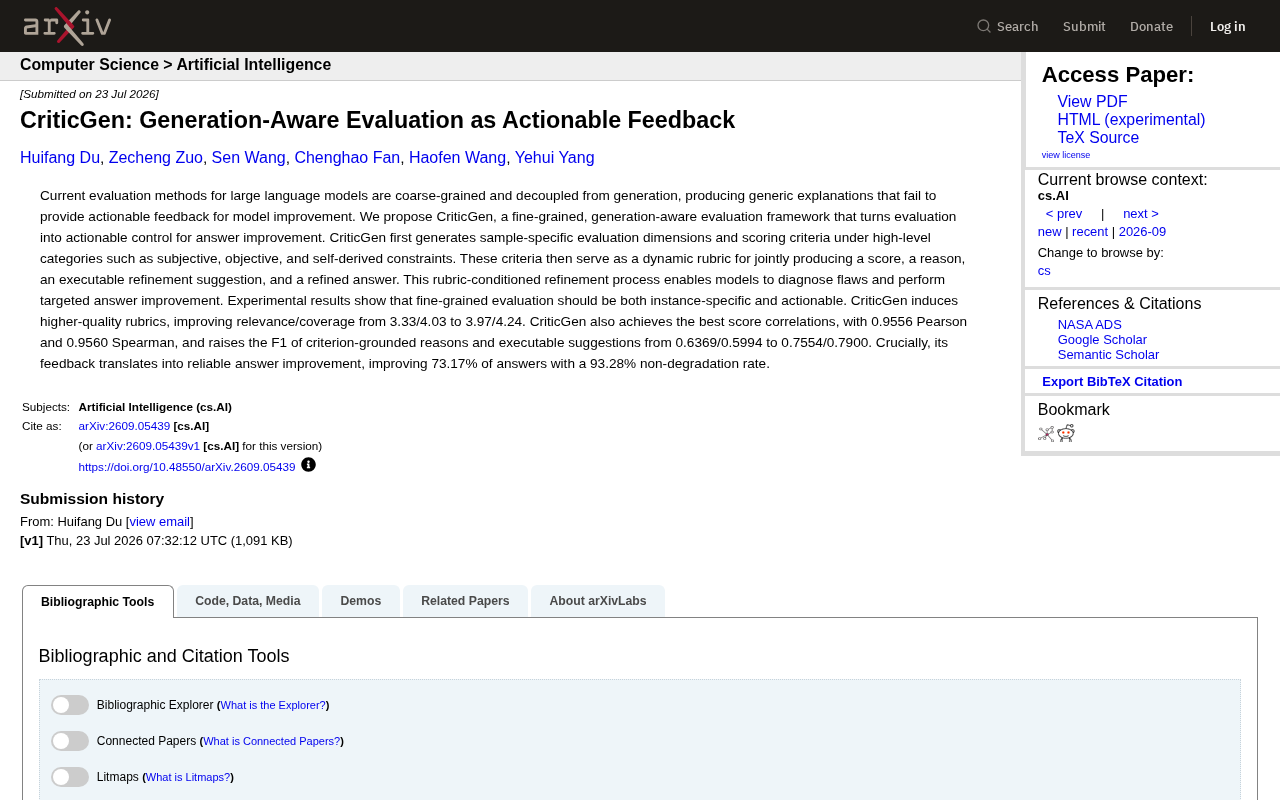
CriticGen: A New Framework That Transforms AI Evaluation into Actionable Improvement Feedback
CriticGen proposes a generation-aware evaluation framework that transforms AI assessment from passive scoring to an active optimization loop, achieving 73.17% answer improvement and 93.28% non-degradation rate.
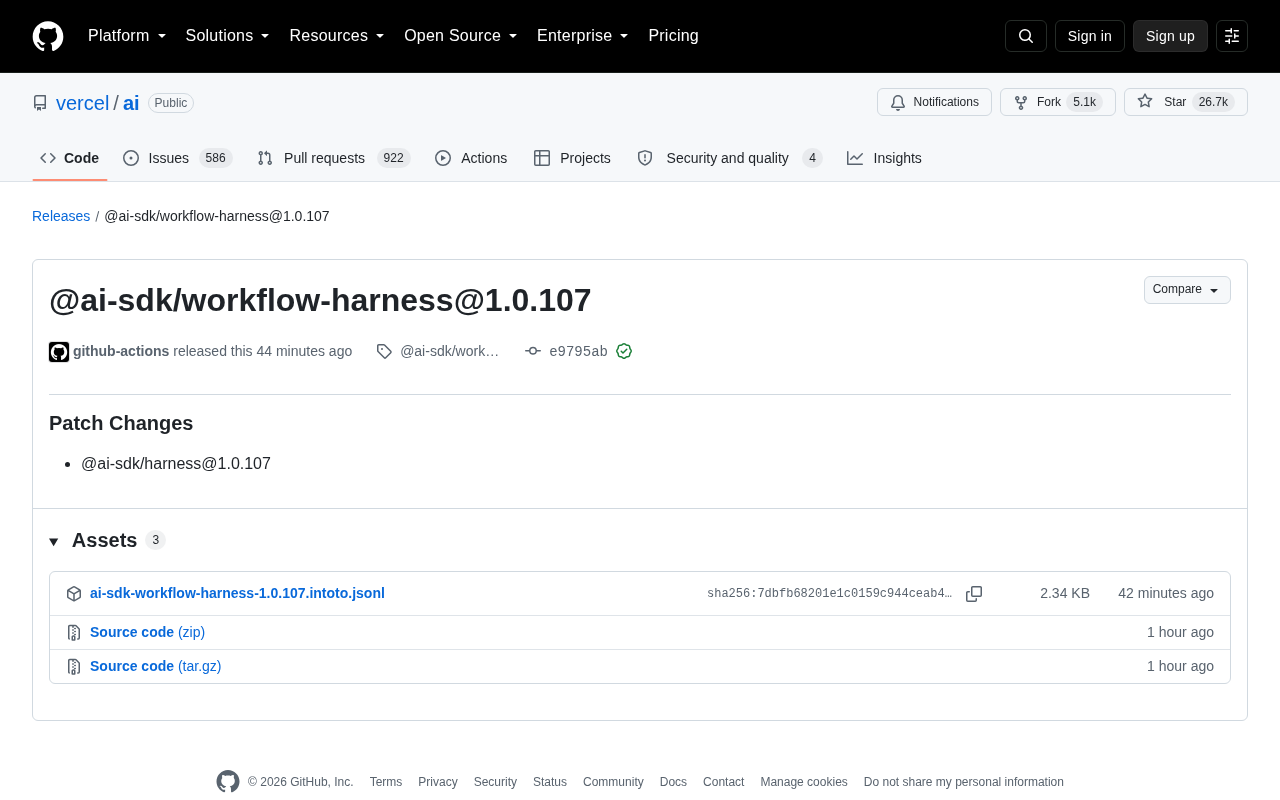
Vercel AI SDK workflow-harness Update Analysis
Deep analysis of Vercel AI SDK workflow-harness 1.0.107 update: architecture design, engineering practices, and developer value for building reliable AI apps.