#context memory
3210 related articles

·3 min
ClariLayer: A Data Analytics Context Layer That Solves AI's Memory Loss Problem
ClariLayer is an AI context layer for data analysts that persistently stores data structures, business metrics, and analytical logic, solving context loss across AI sessions and tools.
Read more →

·3 min
AI Project Memory Systems: Building a Continuously Accumulating Context Architecture in Four Stages
As models get stronger, why does the experience feel worse? The root cause is missing context. This article breaks down four stages—project descriptions, progressive disclosure, intra-memory, and three guardrails—to build a sustainable AI project memory system.
Read more →
ContextVault: Building a Shared Memory…
·2 min
ContextVault: Building a Shared Memory Layer for Team AI Collaboration
ContextVault builds a shared memory layer for team AI collaboration, tackling fragmented AI context and knowledge silos. Explore its technical positioning, use cases, and challenges in context engineering.
Read more →

·4 min
AI Persistent Memory Three-Layer Architecture Explained: In-Depth Comparison of Mem0, Zep, and ContextNest
Deep dive into the three-layer architecture of AI persistent memory systems—storage, management, and retrieval—with an in-depth comparison of Mem0, Zep, and ContextNest to help developers choose the right memory solution for AI Agents.
Read more →
In-Memory Layer Mapping: How to Effect…
·2 min
In-Memory Layer Mapping: How to Effectively Solve LLM Context Overload
Context overload is a core pain point for LLM deployment. This article breaks down In-Memory Layer Mapping, compares it with RAG, and offers practical architecture insights for AI engineering teams.
Read more →

·2 min
Files as Memory: How to Finally Cure AI Coding Agents of Context Amnesia
AI coding agents suffering from context amnesia? The planning-with-files project uses Markdown file persistence to enable cross-session task continuity, compatible with 60+ tools including Claude Code and Cursor. 24K+ Stars.
Read more →
·3 min
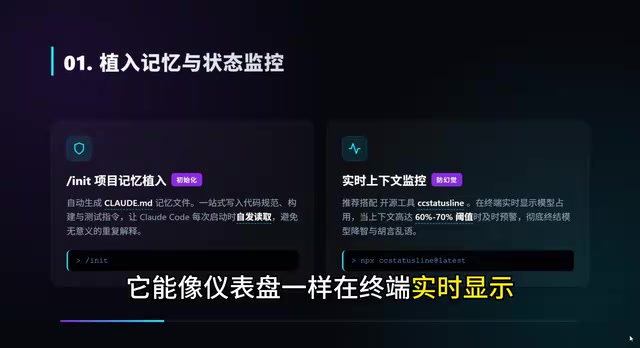
9 Advanced Claude Code Tips: From Memory Injection to Context Management — A Complete Guide
9 advanced Claude Code tips covering /init memory injection, Token context monitoring, Plan mode, collaboration strategies, and /undo safe rollback to build a complete AI coding workflow.
Read more →

·1 min
Apple's Siri AI Major Upgrade: Dedicated App, Conversation Memory, and Context-Aware Intelligence Explained
Deep dive into Apple's next-gen Siri AI upgrade: dedicated app, conversation memory, context-aware intelligence, Apple Intelligence image creation, and privacy strategy.
Read more →

·2 min
Cosmos Unified Agents Platform: A New Paradigm for AI Agent Collaboration Through Shared Context and Memory
Deep dive into how the Cosmos Unified Agents Platform solves multi-AI Agent collaboration challenges through shared context and memory mechanisms, and its positioning in enterprise multi-Agent orchestration.
Read more →

·2 min
ChatGPT Memory System Upgrade Explained: Cross-Conversation Context and Long-Term Memory Practicality
OpenAI announces a major ChatGPT memory system upgrade enhancing cross-conversation context transfer and long-term memory management. Full breakdown of core improvements, industry impact, and privacy concerns.
Read more →
 Expert Opinions
·2 min
Cross-Agent State Sharing: A More Practical Context Solution Than Memory Management
Analysis of context fragmentation in multi-Agent collaboration, comparing memory vs. state management approaches, and how tools like Opal Bridge enable seamless switching between Claude Code, Codex, and other Agents.
Read more →
 Industry Insights
·4 min
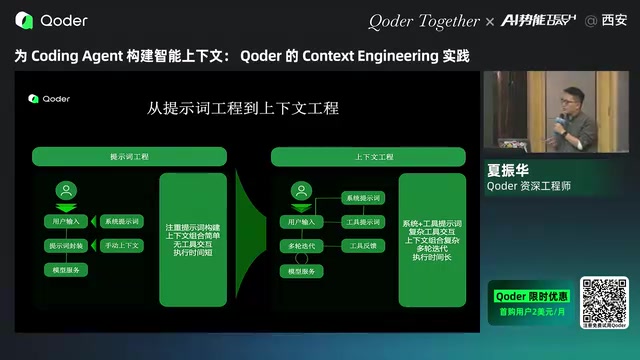
Qoder's Context Engineering in Practice: Four-Layer Retrieval Engine and Memory System Architecture
Deep analysis of Qoder's (Tongyi Lingma international edition) context engineering architecture, including its four-layer retrieval engine, memory engine, context caching, and core product design.
Read more →
 Product Reviews
·2 min
OpenMemory: Local Persistent Memory Storage for Shared Context Across AI Tools
OpenMemory is an open-source local memory storage solution providing a unified memory layer for Claude Desktop, GitHub Copilot, and other LLM apps, enabling shared context while ensuring data privacy.
Read more →

·2 min
Channels SDK: Open-Source Tool for Connecting AI Agents to Slack, Teams, and Other Collaboration Platforms
Channels SDK is a free open-source tool that connects AI agents to Slack, Teams, Discord, and WhatsApp with rich interactions—no code rewrites needed.
Read more →

·2 min
Nodus: A Privacy-First Tool That Turns Gemini Conversations into a Searchable Knowledge Base
Nodus is a privacy-first browser tool that transforms Gemini conversation history into a searchable knowledge base, supports cross-platform prompt migration to ChatGPT format, with all data processed locally. Now open for Beta testing.
Read more →

·3 min
GitHub Daily · August 12: Claude Code Ecosystem Explosion and Extreme Edge Model Compression
GitHub Trending Aug 12: Claude Code ecosystem explodes with diagram-design topping charts, needle compresses models to 14MB for edge AI, and Rust rises in AI infrastructure.
Read more →

·3 min
Why Does Gemini Keep Getting Things Wrong? A Deep Dive into AI Hallucinations and How to Deal with Them
Deep analysis of why Google Gemini and other LLMs frequently produce errors, explaining the technical mechanisms behind AI hallucinations and offering practical prompting tips for better AI usage.
Read more →

·3 min
Prompt Caching Explained: The Key Technology for Saving Money with AI Agents
Deep dive into Prompt Caching: how it works, why AI Agents repeatedly send tokens causing costs to skyrocket, and best practices to slash LLM costs by up to 90%.
Read more →

·4 min
Tau Open-Source Coding Framework Explained: A Python Port of Pi
Deep dive into the Tau open-source coding framework: tree-based session management, JSONL persistence, skills system, and custom prompts. Learn how this Python port of Pi delivers a new AI coding agent experience.
Read more →

·2 min
Which Programming Language Is Best for AI Coding Assistants? The Battle Between Type Systems and Training Data
Exploring language choice in the AI coding assistant era: statically typed languages like TypeScript and Rust enable AI self-correction via compiler feedback, while Python leads with massive training data.
Read more →