#peer learning
265 related articles

·4 min
AI Agent Learning Roadmap for Beginners: A Three-Stage Journey from Fundamentals to Hands-On Practice
A systematic AI Agent learning roadmap for beginners covering core theory, the ReAct paradigm, and multi-agent collaboration, with hands-on project suggestions.
Read more →

·3 min
LangGraph Beginner's Guide: Core Advantages, Deployment Options, and Complete Learning Path
A comprehensive guide to LangGraph's core advantages, storage mechanisms, differences from LangChain, and private deployment options for building production-ready AI agents.
Read more →
·3 min
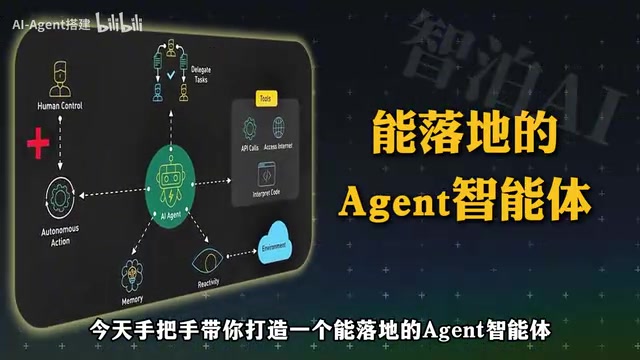
AI Agent Beginner's Guide: A Complete Four-Stage Learning Path
A complete learning path for AI Agent development from scratch, covering core theory, ReAct paradigm, multi-agent collaboration, Prompt optimization, and hands-on projects across four stages.
Read more →

·3 min
AI Tool Power Rankings: Which AI Is Best for Each Task?
After testing hundreds of AI tools, here are the best picks for 8 core tasks: Claude Opus for writing, Perplexity for research, NotebookLM for learning, Gamma AI for presentations, and more.
Read more →
Google Co-Scientist Explained: A Gemin…
·2 min
Google Co-Scientist Explained: A Gemini-Powered Multi-Agent AI Research System
Deep dive into Google's Co-Scientist: a Gemini-powered multi-agent AI system that autonomously generates hypotheses, conducts agent debates, and iteratively evolves research directions.
Read more →

·2 min
The Complete Guide to Automated AI Research Resources: Papers, Tools, and Labs
A deep dive into the awesome-auto-ai-research open-source project, covering key papers, tools, labs, and roadmaps in automated AI research to help researchers explore the frontier of autonomous AI-driven science.
Read more →

·1 min
Sakana AI Launches RSI Lab: The Path to Recursive Self-Improvement Where AI Builds AI
Sakana AI launches RSI Lab for recursive self-improvement, letting AI autonomously improve its own architecture. Explore their four-stage roadmap and key breakthroughs.
Read more →

·3 min
AI Scientist: A Deep Dive into Sakana AI's Automated Research Framework
Deep dive into Sakana AI's open-source AI Scientist project: how LLMs automate the full research pipeline from hypothesis generation and experiment execution to paper writing, including architecture, workflow, and limitations.
Read more →

·3 min
BioAgents: A Multi-Agent AI Framework for Autonomous Research in Biological Sciences
Deep dive into BioAgents multi-agent AI framework: how literature analysis and data scientist agents collaborate for autonomous deep research in biological sciences.
Read more →

·2 min
Sakana AI Establishes Recursive Self-Improvement Lab, Replacing Brute-Force Compute with Creativity to Pioneer a New AI Paradigm
Sakana AI launches its Recursive Self-Improvement Lab, focusing on using AI to redesign AI development. From LLM² to AI Scientist, this Tokyo company proposes a sample-efficient path to AI self-evolution without brute-force compute.
Read more →

·4 min
AI Agent Development: A Complete Six-Week Systematic Learning Roadmap
A systematic six-week learning roadmap for AI Agent development covering core architecture, ReAct paradigm, multi-agent collaboration, RAG integration, deployment, and hands-on projects.
Read more →

·3 min
OpenAI o3 Diagnoses Rare Childhood Diseases: A Deep Dive into the NEJM AI Study
OpenAI and Boston Children's Hospital published research in NEJM AI showing how the o3 Deep Research model helps clinicians diagnose previously unresolved rare childhood diseases.
Read more →

·3 min
6 Practical Prompt Techniques to 10x the Quality of AI Responses
6 proven prompt techniques — role-playing, deep questioning, adversarial critique, failure pre-mortem, reverse engineering, and dual-version explanation — to dramatically improve AI output quality.
Read more →

·2 min
Android App Earning $100K/Month: A 6-Step Google Ads Growth Methodology
An AI calorie counter grew from under $1K to $125K/month on Android in 18 months. Learn the 6-step Google Ads growth formula and low-cost tech stack.
Read more →

·3 min
The Ultimate Guide to Squeezing Every Drop from Mythos/Fable: Burning Through $8,000 in Inference Credits in 10 Days
Deep dive into maximizing Anthropic's Fable/Mythos model: 5-hour limit workarounds, dual account rotation, multi-Agent orchestration, and Mac Mini remote deployment to get $8,000 of inference from a $200 subscription.
Read more →
·3 min
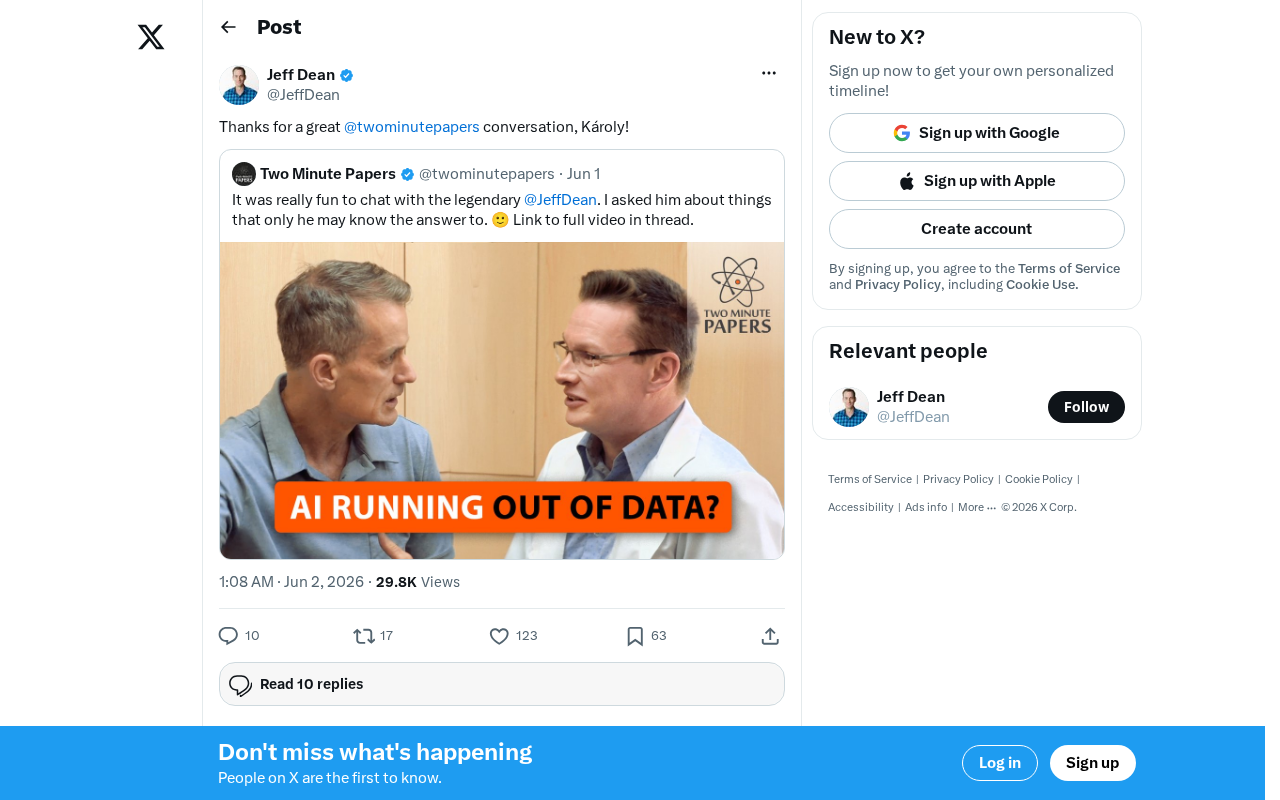
Two Minute Papers: The Gold Standard for Making Cutting-Edge AI Research Accessible
An in-depth look at how Two Minute Papers explains cutting-edge AI research in two minutes, covering Károly's methodology, topics, and lessons for science communicators.
Read more →

·3 min
AI Agent Learning Roadmap: A Four-Step Practical Guide from Zero to Job-Ready
A proven AI Agent learning roadmap covering four core elements, mainstream architecture patterns, multi-agent collaboration, and hands-on projects to go from zero to job-ready in three months.
Read more →

·4 min
AI Agent Systematic Learning Path: From Zero to Independent Development
A systematic AI Agent learning path covering core principles, Prompt engineering, RAG, multi-Agent collaboration, and hands-on projects for beginners.
Read more →

·2 min
Simon Willison Updates WebRTC Voice Tool: Now Supports Document Context Conversations and GPT-Realtime-2
Simon Willison updates his OpenAI WebRTC voice tool with document context support and GPT-Realtime-2, enabling low-latency voice conversations grounded in specific documents.
Read more →

·3 min
AI Now Writes Over 80% of Code: What Doubling Capability Every 4 Months Really Means
Anthropic reveals Claude now writes over 80% of its code, with AI capability doubling every four months. Three real cases show the speed of AI's rise and the shrinking window for human adaptation.
Read more →