AI Agent Learning Roadmap: From Zero to Real-World Projects

A project-driven AI Agent learning roadmap using the "learning to drive" mindset to cut wasted effort.
This article presents a practical AI Agent learning roadmap focused on engineering and employment. The core idea: treat it like learning to drive, not building an engine. It breaks Agent down into LLM + Memory + Tools, condensing study targets into model literacy (prompting, API, RAG) and engineering skills (LangChain, tool calling). The three-step path is: build a knowledge map to separate must-learns from skips, use a real project like an enterprise knowledge base to tie concepts together, and apply an ROI lens to every new concept encountered.
AI Agent has become one of the hottest directions in tech, with new concepts emerging constantly — from LLMs and RAG to LangChain and multi-agent collaboration. Many people trying to break into the field feel overwhelmed: do you really have to chase every new concept as it drops? This article draws on a tutorial shared by a Bilibili creator to outline a clear, employment-focused learning path that helps you cut out half the wasted effort.
Demystify First: You're Learning to Drive, Not Build an Engine
When faced with an avalanche of technical jargon, the first step is: don't be intimidated. Think of learning Agent development like learning to drive — new car models will always come out, but what you really need to master is how to drive, not how to build an engine.
The original video breaks learners into three groups: those who watch tutorials out of curiosity; those who want to dig into the underlying math and do algorithm research; and the largest group — people who want to use Agent skills to find jobs, build projects, or take on freelance work, but don't know where to start. This article is aimed squarely at that third group. For them, getting bogged down in mathematical derivations and paper details is actually the biggest trap.
One Core Formula: Agent = LLM + Memory + Tools
Understanding what an Agent really is comes down to one formula: Agent = LLM + Memory + Tools.

Using the driving analogy: the LLM is the engine, providing core reasoning capability; memory is the fuel tank, giving the agent context and the ability to keep running; and tools are the parts that make the car actually move and do real work — calling APIs, querying databases, executing actions.
From this, you can derive that there are really only two things you need to learn:
- Model literacy: prompt engineering, API calls, RAG (Retrieval-Augmented Generation), and so on — understanding what models can do and how to use them.
- Engineering skills: development frameworks like LangChain, tool-calling mechanisms. As for the underlying principles, a general understanding is enough — don't fall into the rabbit hole of mathematical derivations.
The value of this breakdown is that it condenses what seems like a sprawling field into two clear tracks, making your learning goals immediately clearer.
RAG (Retrieval-Augmented Generation) is one of the most common technical patterns in Agent development and deserves a dedicated explanation. An LLM's knowledge is capped at its training data cutoff — it has no awareness of internal company documents or real-time information. RAG works by splitting external documents into small chunks, converting them into vectors, and storing them in a vector database. When a user asks a question, the system first retrieves the most relevant text chunks from the database, then injects them into the prompt so the model can "read the materials" before generating a response. This allows the model to answer domain-specific questions without retraining. RAG is the core technology behind enterprise knowledge bases, customer service bots, and many other real-world deployments — which is why it appears in the "must-learn" tier of this roadmap.
LangChain is currently the most popular framework for Agent development. It provides out-of-the-box modules for conversation chains, tool calling, and memory management, dramatically reducing repetitive boilerplate code. Beginners can think of it as a standardized set of "building blocks" that lets developers focus on business logic rather than low-level interface details.
Three-Step Roadmap: Build a Knowledge Map, Go Project-Driven, Calculate ROI
The complete learning path can be broken into three steps.
Step 1: Build a Knowledge Map
Categorize every topic into three tiers — must-learn, good-to-know, and skip. Prompting, RAG, and Agent development are must-learns; multi-agent collaboration is rarely used in production, so a general understanding is sufficient; underlying algorithms and mathematical derivations can be skipped entirely. This single filtering pass alone cuts your learning load in half.
Multi-agent collaboration refers to multiple agents with different roles or capabilities calling each other and dividing up complex tasks — for example, one agent searches, one writes, and one reviews. This kind of architecture looks impressive in research projects and demos, but in actual production environments, orchestrating multiple agents, passing context between them, and handling errors introduces significant complexity and makes stability much harder to guarantee. For learners whose goal is employment, getting a single agent's full pipeline working end-to-end will produce more demonstrable work than diving into multi-agent collaboration prematurely.
Step 2: Go Project-Driven
Use one real project to tie all your knowledge together. If you're building an enterprise knowledge base, go deep on RAG's document chunking and vector retrieval. Getting one project running end-to-end is far more effective than studying ten isolated concepts in isolation.

Step 3: Calculate Your ROI
This step determines your learning efficiency. The original video compares two approaches:
- Option A: Start from Python syntax basics — you might spend three months before you even touch Agent development.
- Option B: Speed-run Python in three to four days, jump straight into a project, and ship something within a month.
The window of opportunity doesn't wait. Option B is the more pragmatic choice. In concrete terms, the path looks like this: Python speed-run → LLM literacy → RAG → Agent practice → project integration.

Three Questions to Handle New Concepts
Technology changes constantly, but the underlying logic of application development stays stable. Whenever a new concept starts trending, ask yourself three questions:
- Will I actually use this in my target project? If it's unrelated to your goal, set it aside for now.
- Will learning this produce something tangible? Knowledge that can't be turned into a portfolio piece should have lower priority.
- Is the time-to-return ratio worth it? Use your limited time to generate the greatest output.
Work through these three questions and you'll be able to judge what to learn and what to skip — without being led around by an endless parade of new buzzwords.
Final Thoughts
The value of this roadmap isn't in teaching you the specifics of any particular framework — it's in offering a application-oriented, project-driven learning methodology. For people with a clear goal who want to break into the field quickly, planning your path around that goal and using projects as the engine of learning is the most reliable way to navigate through the noise.
One caveat worth noting: this article is based on a single creator's experience, and the roadmap leans toward engineering implementation and job-readiness. If your goal is algorithm research or an academic direction, you'll still need to build solid foundations in mathematics and underlying principles — this path isn't a perfect fit for that.
Related articles
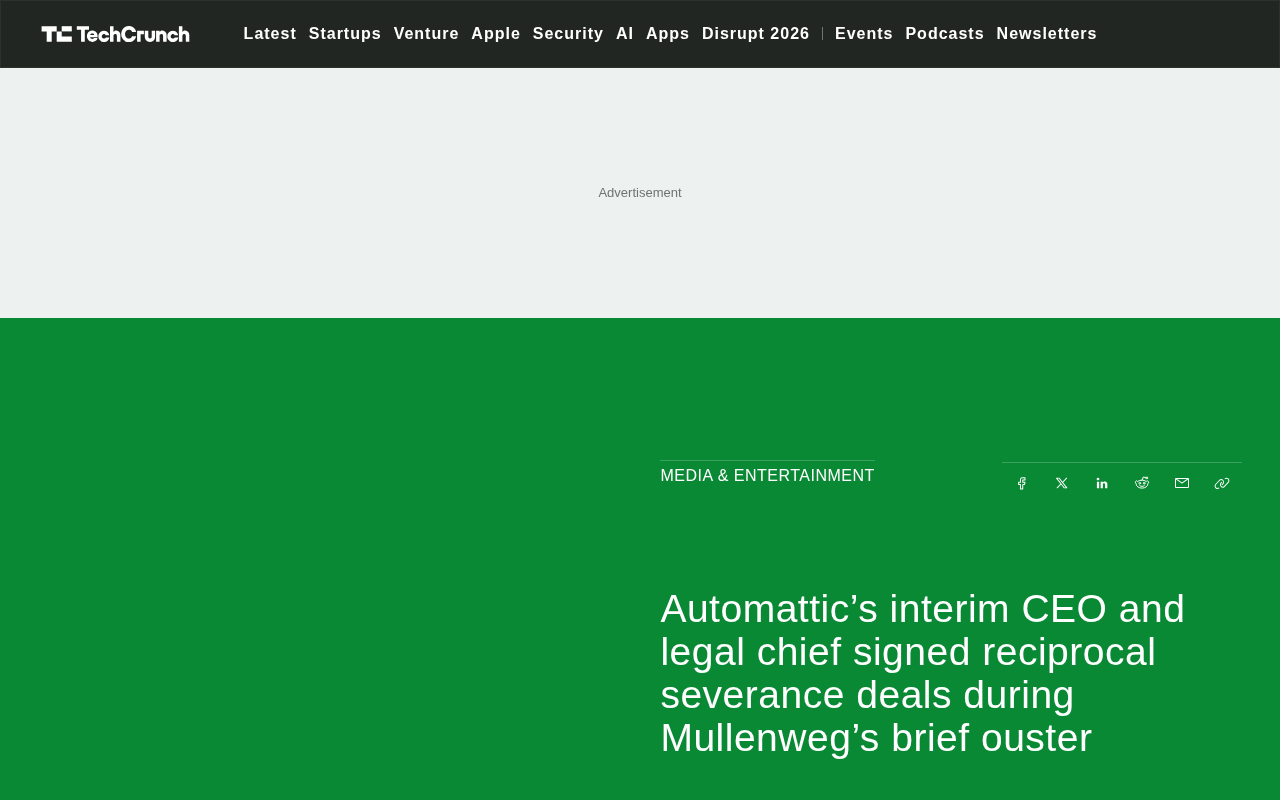
Automattic Executives Signed Reciprocal Severance Agreements During Mullenweg's Brief Ouster
Automattic's CFO and General Counsel signed reciprocal severance agreements during Matt Mullenweg's brief ouster, covering one year's salary and accelerated equity vesting, raising corporate governance concerns.
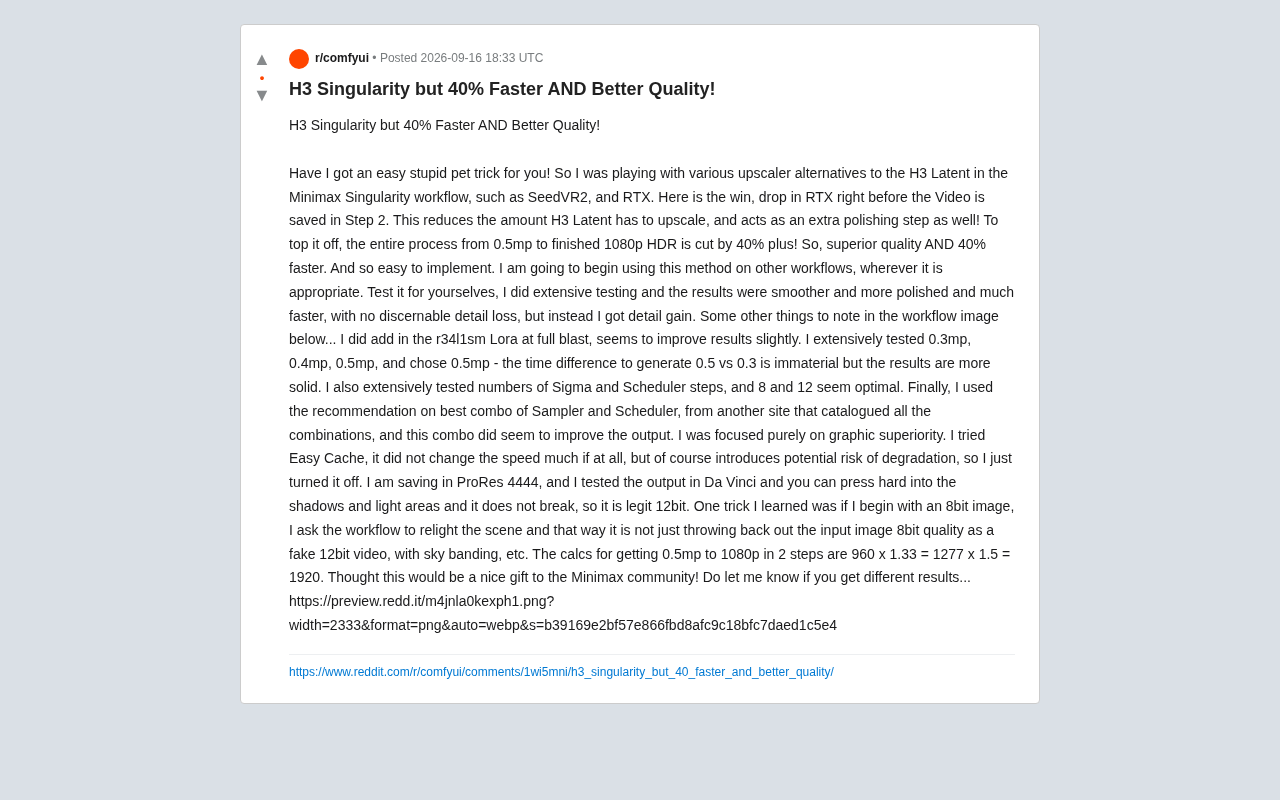
H3 Singularity Optimization: 40% Speed Boost With Better Image Quality
A Reddit user's Minimax Singularity workflow tip: insert an RTX upsampler before H3 Latent for 40%+ speed gains and better quality. Covers parameters, 12-bit output, and more.
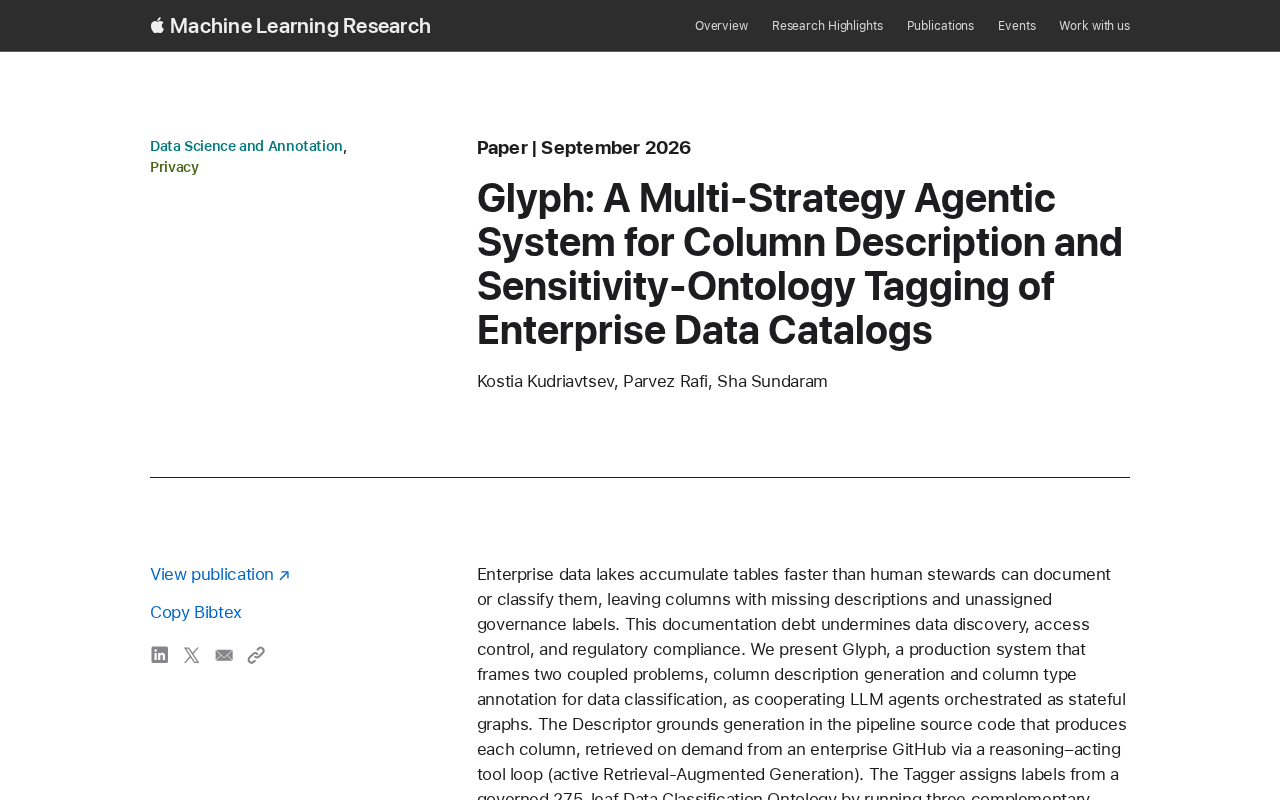
Glyph: A Multi-Strategy Agent System for Automated Enterprise Data Catalog Annotation
Glyph is a multi-strategy LLM agent system for enterprise data catalogs that automates column description generation and sensitivity ontology tagging, grounding outputs in pipeline source code to improve accuracy.