@ai-sdk/valibot 3.0.44 Released: A Dependency-Update Patch
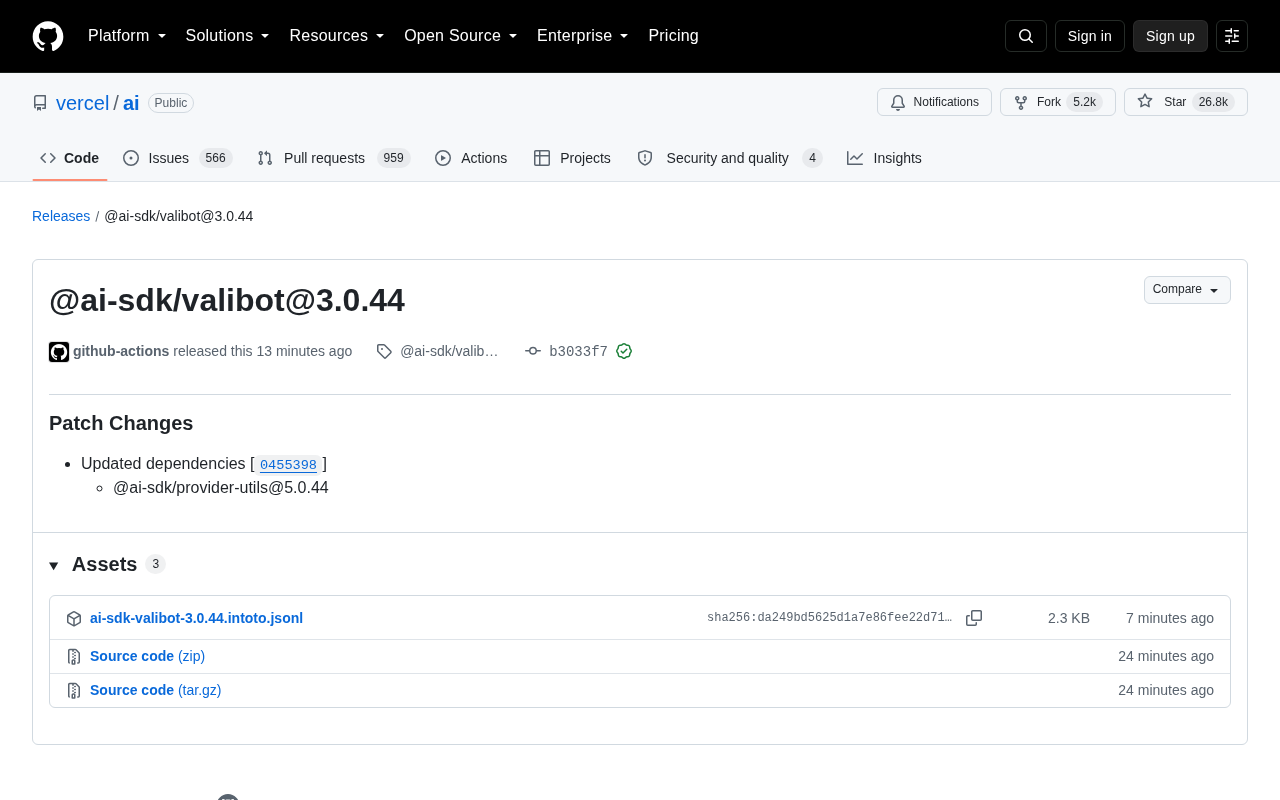
@ai-sdk/valibot 3.0.44 is a routine patch syncing its provider-utils dependency with no API changes.
`@ai-sdk/valibot@3.0.44` is a routine patch release in the Vercel AI SDK ecosystem, updating the internal `@ai-sdk/provider-utils` dependency to 5.0.44 with no new features or breaking changes. The package serves as an adapter layer for developers who prefer Valibot over Zod for schema validation in structured output scenarios. Valibot is known for its modular design and minimal bundle size, making it ideal for frontend and edge function use cases. This upgrade is low-risk with no migration effort required — simply verify `provider-utils` version compatibility and update as usual. The cascading patch release is a typical result of the monorepo engineering model used by the Vercel AI SDK.
Vercel's AI SDK ecosystem recently released @ai-sdk/valibot@3.0.44 as a patch update. This is a minor iteration focused entirely on a dependency bump, with no significant functional changes — but it's still worth noting for developers who rely on this package for schema validation.
What's in This Update
According to the GitHub Releases page, @ai-sdk/valibot@3.0.44 is classified as a Patch Change, and its primary action is syncing an internal dependency:
- Updated dependencies:
@ai-sdk/provider-utils@5.0.44
In other words, this version introduces no new APIs or breaking changes — it's simply a re-release aligned with an upstream update to provider-utils. This release pattern is extremely common in projects like the Vercel AI SDK that use a monorepo structure: when a shared base package is upgraded, all sub-packages that depend on it publish corresponding patch versions to maintain version consistency.
This version was automatically built and published via GitHub Actions at release time, with commits verified by GitHub's signed commit mechanism, ensuring the integrity of the release pipeline.
Monorepo is an engineering practice where multiple related packages or projects are managed together in a single repository. The Vercel AI SDK implements this using pnpm workspaces. In this structure,
@ai-sdk/provider-utilsserves as the shared foundational utility package, depended upon by multiple higher-level adapter packages like@ai-sdk/valibotand@ai-sdk/zod. Whenprovider-utilspublishes a new version, automation tools like Changesets detect the dependency chain and automatically generate patch version bumps for all affected sub-packages, triggering their release processes. This cascading release mechanism ensures the entire SDK ecosystem remains version-coordinated on npm, preventing hidden compatibility issues that could arise from users manually aligning dependency versions.
About the @ai-sdk/valibot Package
@ai-sdk/valibot is an adapter layer provided by the Vercel AI SDK that allows developers to use Valibot — a lightweight data validation library — to define schemas for structured outputs.
A common requirement when building AI applications is getting LLMs to return structured data (like JSON) and validating the results against a type schema. The AI SDK natively supports Zod, and @ai-sdk/valibot offers an alternative for teams that prefer Valibot. Valibot's main selling point is its modular design and minimal bundle size, making it especially appealing for frontend scenarios or projects where bundle size is a concern.
The core architectural difference between Valibot and its counterpart Zod lies in design philosophy: Zod bundles all validation logic into a single object, while Valibot adopts a functional, tree-shakable modular design where each validation type is an independent function. This means bundlers like esbuild and Rollup can strip out unused code via tree-shaking, dramatically reducing the final output size — in some cases, Valibot's compressed footprint can be kept under 1KB, compared to Zod's ~14KB for a full import. For AI applications that need to run schema validation in Edge Functions, in the browser, or within React Server Components, this difference is especially significant. At its core,
@ai-sdk/valibotis a bridge adapter that converts Valibot schemas into the AI SDK's internal unified schema description format, allowing core APIs likegenerateObjectandstreamObjectto transparently use Valibot for type constraints and runtime validation of structured outputs.
Practical Impact for Developers
For projects already using this package, upgrading to 3.0.44 is generally safe and recommended — it only involves a dependency sync and carries minimal risk. Developers should:
- Check the version of
@ai-sdk/provider-utilsin their project to confirm compatibility with 5.0.44 - If using a lockfile, simply run your standard dependency update workflow
- There's no need to worry about API migration costs, since no interfaces have changed
It's worth noting that the Vercel AI SDK project itself has accumulated approximately 26,800 stars and 5,200 forks on GitHub, making it one of the most active open-source toolchains in the AI application development space. Its frequent patch release cadence also reflects how rapidly this ecosystem is evolving.
Summary
@ai-sdk/valibot@3.0.44 is a classic dependency-sync patch release — no feature highlights, but it keeps the AI SDK's sub-packages version-coordinated. For developers who follow the AI SDK ecosystem, understanding this kind of version management mechanism helps you maintain your project dependencies with greater confidence.
Related articles
Three Stages of AI LLM Testing: A Practical Guide from Core Concepts to API Calls
A learning path for testers covering LLM fundamentals, prompt engineering, OpenAI SDK calls, API Key vs Token differences, streaming output, RAG, and Agent systems.
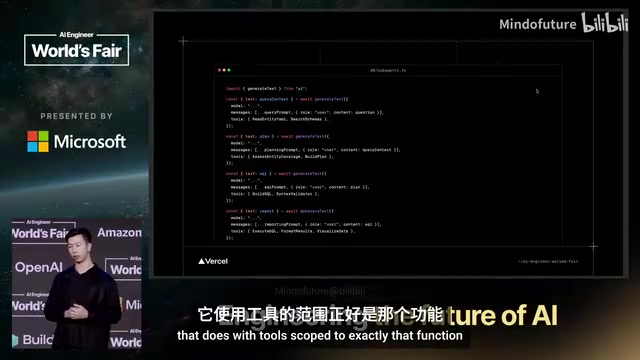
Vercel's Chief of Software Looks Back: The Evolution of Agent Building — From Multi-Agent Chains to File System Agents
Vercel's Chief of Software Andrew recaps the agent-building journey at AI Engineer: from giant prompts to multi-agent chains, monolithic memory, file system agents, and the open-source EVE framework.
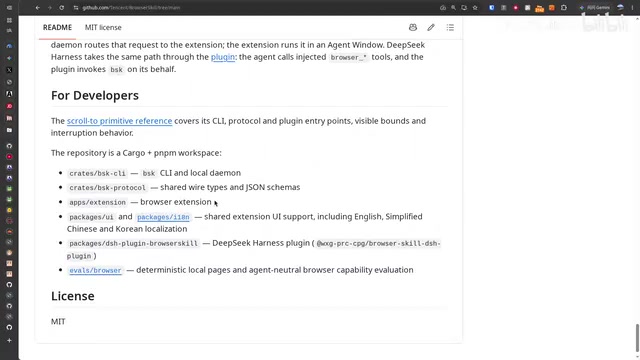
Tencent's Open-Source BSK in Action: Letting AI Take Over Your Already-Logged-In Browser
Tencent's open-source BSK (Browser Skill Kit) lets AI take over your real, logged-in Chrome via WebSocket. We break down the architecture, setup, and three key pitfalls from real-world testing.