Hands-On with Meta AI Assistant Muse: It Gets Things Done, But the Privacy Concerns Are Unsettling
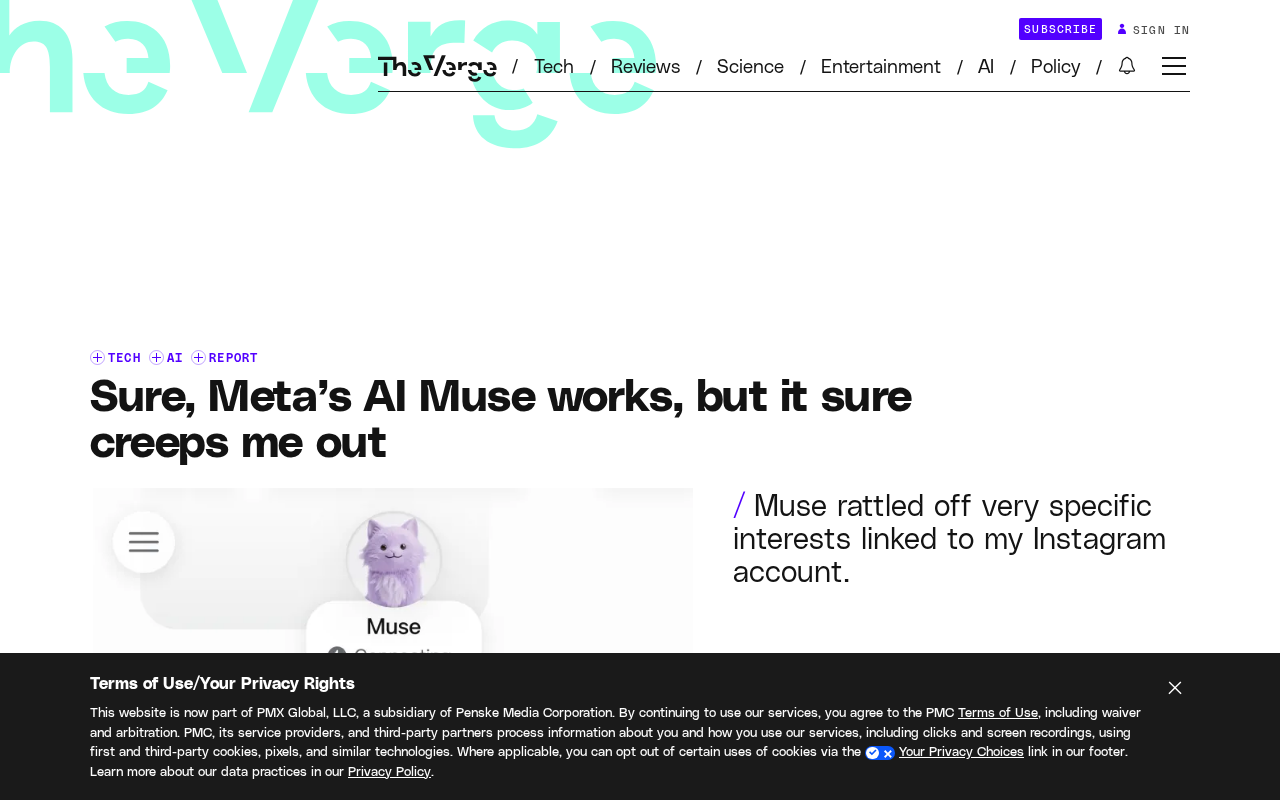
Meta's Muse AI assistant is capable but raises real privacy concerns about data access.
Meta's new AI assistant Muse marks the company's first serious move into agentic productivity tools, handling tasks like shopping, email, and travel planning. Hands-on testing shows it crosses the bar of practical usability with solid task completion in high-frequency everyday scenarios. However, the dominant impression isn't delight — it's unease. As a company built on data-driven advertising and carrying the baggage of the Cambridge Analytica scandal, Meta asking users to grant deep account access raises sharp questions about data use, trust, and who really benefits.
Meta Makes Its Move Into AI Productivity
Meta has officially launched Muse, its new AI assistant — marking the social media giant's first genuine foray into AI-driven productivity tools. For years, Meta's AI efforts have centered on content recommendation within social products, chatbots, and image generation. Muse represents the company's most serious attempt yet at a practical AI Agent.
According to Meta, Muse can "take tedious chores off your list" — helping users with online shopping, email management, travel planning, and other everyday tasks. This positioning aligns closely with similar "act on your behalf" AI Agents like OpenAI's Operator, Anthropic's Computer Use, and Google's Project Mariner, reflecting a broader industry shift from conversational AI toward agentic AI.

Hands-On Performance: Muse Actually Gets Things Done
In practice, Muse holds up reasonably well on task completion. Whether filtering products, drafting and organizing emails, or piecing together a travel itinerary based on user preferences, Muse consistently delivers usable results. This suggests the underlying model's reasoning and task-decomposition capabilities have crossed the threshold of practical utility.
For everyday users, the core value of tools like this lies in reducing friction. Tasks that once required jumping between multiple websites and apps can now be handed off to an AI with a single natural language instruction. From that perspective, Muse does deliver on Meta's promise of lightening the load of routine busywork.
Targeting High-Frequency, Everyday Scenarios
The use cases Muse targets — shopping, email, travel planning — are all high-frequency, relatively standardized tasks in users' daily lives. They have clear goals and involve lots of repetitive steps, making them well-suited for AI Agents to add value. This also reflects a pragmatic product philosophy from Meta: rather than trying to do everything, establish user trust first in specific, measurable scenarios.
Beyond "It Works": The Privacy Unease Sets In
Yet the strongest impression from testing wasn't delight — it was a persistent sense of discomfort. As the original headline put it: "it sure creeps me out."
That unease deserves unpacking. When an AI assistant can shop for you, read and write your emails, and plan your trips, it necessarily requires deep access to your personal data and account permissions — your shipping address, payment details, email correspondence, travel preferences, and even your social connections. And Meta, as a company whose core business model is data-driven advertising, already occupies sensitive ground when it comes to user trust around data handling.
The Double-Edged Sword of Permissions and Privacy
The more capable an AI Agent becomes, the more permissions and data it needs to hold. This creates an inherent tension:
- To be useful, it must be granted access to sensitive information and the ability to take actions on your behalf;
- To be safe, its operational boundaries and data retention must be strictly limited.
For a company like Meta, this tension is amplified. It's hard for users not to wonder: will the shopping history, email content, and travel plans they grant Muse access to end up fueling more targeted advertising or more detailed user profiling? There's a natural friction between that potential commercial incentive and the "helpful personal assistant" persona Muse is meant to project.
The Trust Problem Facing Agentic AI: Not Just Meta's Issue
The "creep factor" that Muse triggers is actually a challenge facing the entire agentic AI industry. When AI evolves from "answering questions" to "taking actions on your behalf," users aren't just sharing what they ask — they're ceding partial control over their digital lives.
This introduces several critical challenges:
Transparency: Letting Users See What the AI Is Doing
Users need to know clearly when and how the AI is accessing their data and what actions it's taking. A lack of transparency directly erodes the foundation of trust.
Controllability: Human Confirmation for Key Actions
AI Agents should seek user confirmation before executing high-stakes actions — like making a payment or sending an email — rather than completing them autonomously. Users need to retain the ability to stop the AI at any point.
Brand Trust: Historical Baggage Affects User Acceptance
The same feature can be received very differently depending on who offers it. Meta's past controversies around data privacy — most notably the Cambridge Analytica scandal — mean the company faces a higher trust bar when rolling out AI products that want deep access to users' personal lives.
Conclusion: The Technology Is Ready, but User Trust Still Needs to Be Earned
The launch of Meta Muse demonstrates that AI assistants have technically cleared the bar of being "usable." Muse genuinely helps users handle chores and save time. But the hands-on experience also surfaces a deeper truth: in the age of agentic AI, what determines a product's success is often not capability, but trust.
For Meta, the critical question is how to offer powerful AI functionality while giving users genuine peace of mind about handing over their data and permissions — and that will ultimately determine the fate of Muse and Meta's broader AI productivity strategy. For the industry as a whole, the sense of unease that Muse provokes may be a timely wake-up call: in the race to push the boundaries of AI capability, privacy protection, information transparency, and user control must never become acceptable casualties.
Related articles
Claude Code Adds Agent View: A Research Preview for Unified Session Management
Claude Code's new Agent View feature (research preview) consolidates all coding sessions into a unified list, advancing AI tools toward multi-agent orchestration.
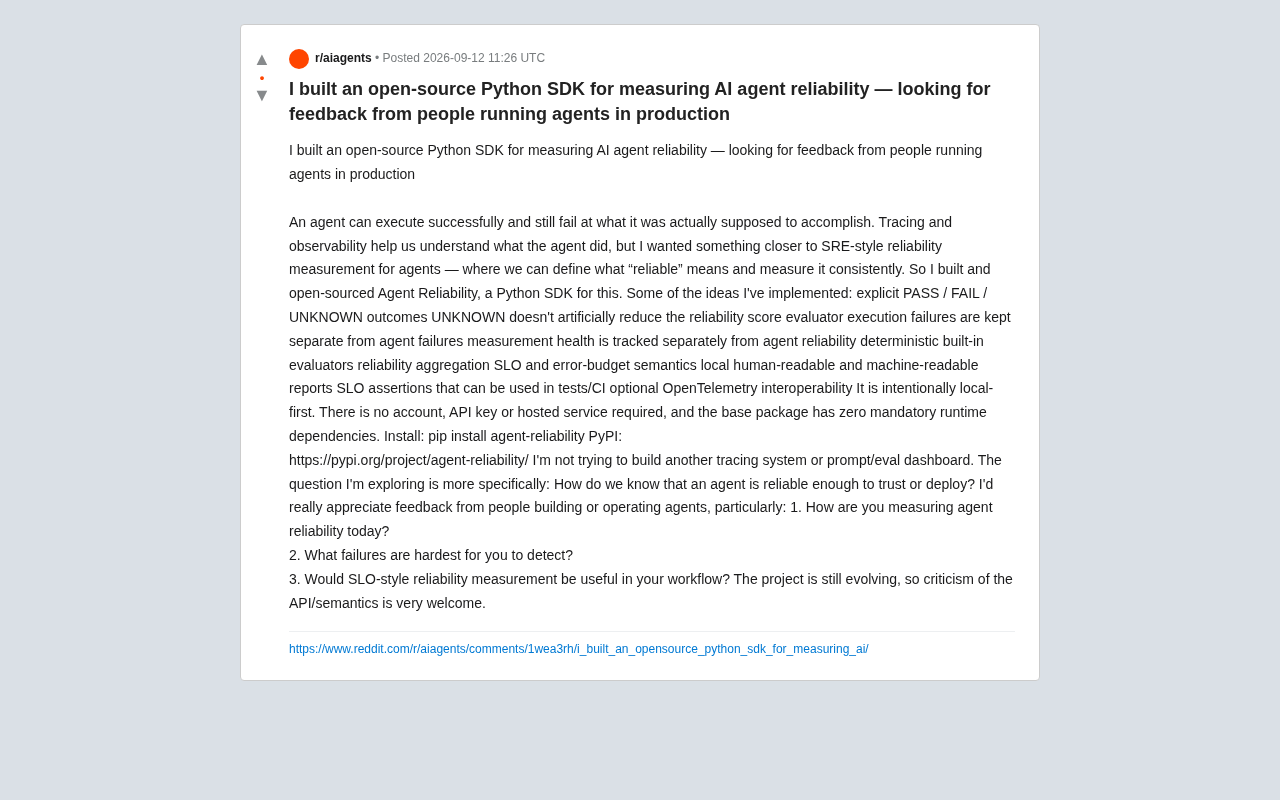
Open-Source Python SDK: Measuring AI Agent Reliability with SRE Principles
Agent Reliability is an open-source Python SDK that applies SRE's SLO and error budget concepts to AI Agent evaluation, with PASS/FAIL/UNKNOWN states, CI assertions, and zero forced dependencies.
MiniMax RefMod: A Complete Guide to Training-Free Reusable Identity Workflows
MiniMax RefMod offers training-free reusable identity workflows for image, video, and audio generation. Includes Runpod template and tutorial for quick setup.