#AI threat modeling
43 related articles

·4 min
Full Anatomy of AI Agent Intrusion Attack Chains: From Prompt Injection to Data Exfiltration
Deep analysis of Hugging Face's frontier lab AI agent intrusion report, covering indirect prompt injection, lateral movement, data exfiltration, and defense-in-depth strategies for AI agent security.
Read more →

·3 min
Long Documents Don't Work: Why AI Agents Can't Follow Your Rules
Analysis of why AI Agents can't reliably follow long policy documents, covering context dilution, rule conflicts, and soft constraint limitations, with more reliable governance architectures.
Read more →

·3 min
Deep Analysis and Hardening Practices for 16 Critical Vulnerabilities in an AI Security Platform
An AI security platform was found to have 16 critical vulnerabilities spanning prompt injection, privilege escalation, and auth bypass. A deep dive into hardening methodologies.
Read more →

·3 min
Why Kimi K3's Open-Source Model Has OpenAI and Anthropic Running Scared
Deep analysis of the AI industry shockwave triggered by Kimi K3: the double standard behind distillation accusations, performance comparisons with GPT-5.5, real security concerns, and how open-source models threaten closed-source giants.
Read more →

·3 min
Why Kimi K3's Open-Source Model Has OpenAI and Anthropic Running Scared
Deep dive into why Kimi K3 is rattling OpenAI and Anthropic: distillation double standards, GPT-5.5 comparisons, real security risks, and how open-source models threaten closed-source business models.
Read more →

·2 min
LLM Agent Long-Term Memory Security: A Six-Stage Attack Surface and Defense Framework
Deep analysis of LLM agent long-term memory security threats, covering persistence, statefulness, and propagation of memory poisoning, with a six-stage lifecycle defense framework.
Read more →

·3 min
Volvo Fleet Management Platform Vulnerability Analysis: The Security Risk of One-Click Takeover of All Vehicles
Security researchers disclosed critical access control flaws in Volvo and Eicher's fleet management platform, enabling one-click takeover of all user accounts and vehicles.
Read more →
·5 min
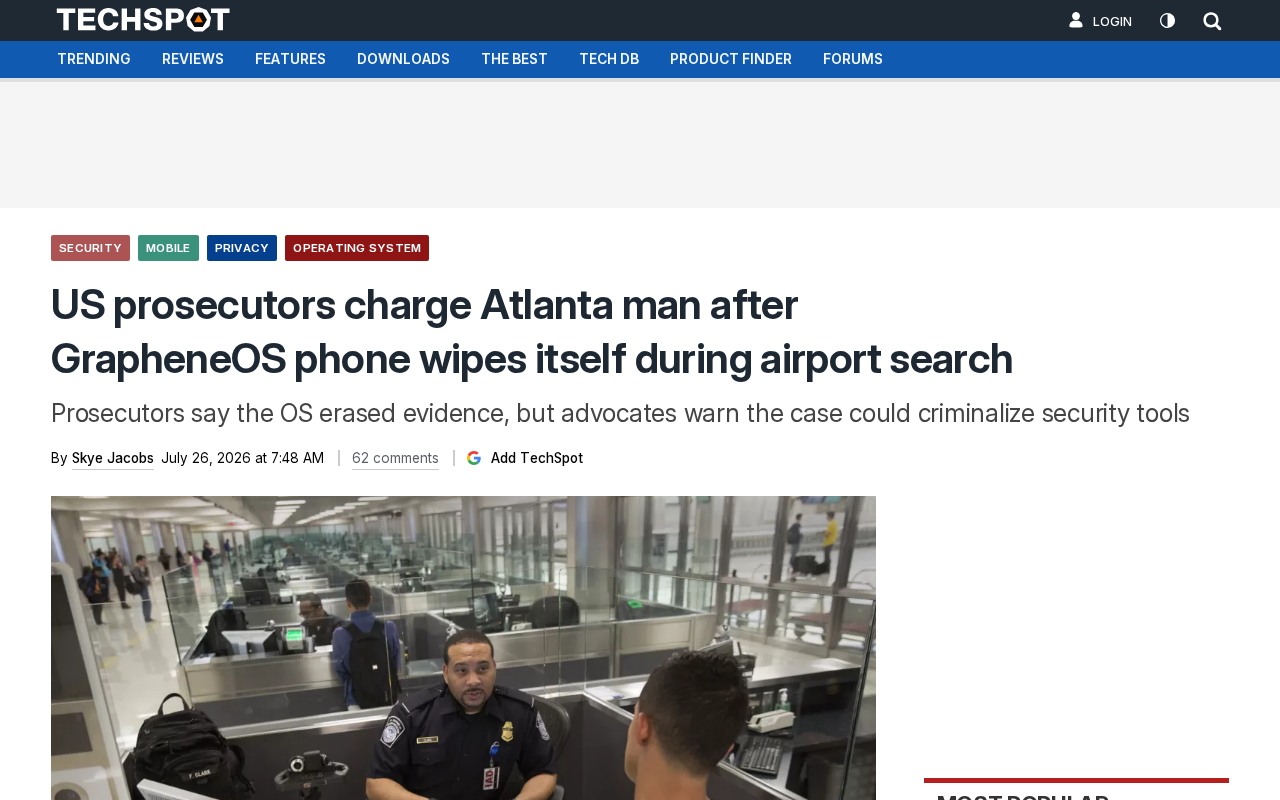
GrapheneOS Phone Auto-Wipe Triggers Criminal Charges: Privacy Rights Clash with Border Enforcement
A U.S. citizen faces criminal charges after a GrapheneOS phone auto-wiped during an airport border search. Analysis of the privacy rights vs. law enforcement clash.
Read more →

·3 min
Open Source and Restraint: What Independent Developers Can Learn from Liang Wenfeng's Long-Term Philosophy
How does DeepSeek founder Liang Wenfeng's open-source philosophy inspire indie game developers? This article unpacks three core methodologies for long-term thinking in technical creation.
Read more →

·2 min
High Schooler Builds Pokémon AI Solo: A Technical Breakdown of a Top-1% Ladder Climb
A high schooler's solo Pokémon Showdown bot reached top-1% globally using MCTS and a value network. We break down the hybrid search+learning architecture behind its 2137 Elo rating.
Read more →

·3 min
How to Defend Against AI Scams: Three Essential Strategies Every Person Should Know
AI face-swapping and voice cloning make fraud nearly free. Learn how deepfake tech evolved, why detection tools fall short, and three practical strategies to verify real identity.
Read more →
Cursor Zero-Day Vulnerability Exposed:…
·3 min
Cursor Zero-Day Vulnerability Exposed: When Full Disclosure Becomes the Last Line of Defense
A deep dive into the Cursor AI editor zero-day vulnerability: why the researcher chose full disclosure, AI coding tool security risks, and how developers can protect themselves.
Read more →

·6 min
GPT-5.6 vs Grok 4.5 on the Same Day: A Packed Week of Flagship AI Model Launches
OpenAI's GPT-5.6 launches with Sawa, Terra, and Luna sub-models the same day as Musk's Grok 4.5, while Anthropic, Meta, and NVIDIA make their moves. A packed week of flagship AI launches.
Read more →

·3 min
GPT-5.6 Released: Sol/Terra/Luna Three-Tier Model Family Takes On Claude Head-On
OpenAI officially releases GPT-5.6 with a three-tier model family—Sol, Terra, and Luna. Flagship Sol beats Claude on coding benchmarks: twice as fast, a third cheaper.
Read more →

·7 min
AI Agent Runs a Fully Automated Chess Channel: A Real-World Practice of Combining LLMs with Engines
A German engineer built a fully automated chess YouTube channel with an AI Agent, combining LLMs and chess engines to auto-generate explainer videos nightly, reaching 500K views. Here's the tech architecture, tool design, and real costs.
Read more →

·4 min
Is Computer Science Still Worth Learning in the AI Era? An Honest Answer for CS Students
When AI can write code and fix bugs, is learning CS still meaningful? This article breaks down the core value of CS study in the AI era: AI replaces execution, while judgment and systems thinking are what truly matters.
Read more →

·7 min
Grok 4.5 Launch: Coding AI Market Reshuffle, Anthropic Claims Half the Territory
Grok 4.5 launches at just $0.49 per task, 90% cheaper than rivals. Anthropic's Claude Code claims 50% of the AI coding market. SambaNova raises $1B. Read the latest AI market shifts.
Read more →

·7 min
GitHub Copilot in Practice: The Capability Boundaries of AI Programming and the Irreplaceable Value of Humans
A developer's real case of building a dental clinic management system with GitHub Copilot and Azure SQL, revealing AI coding limits in cloud security config and how Human-in-the-Loop breaks through.
Read more →

·7 min
Decoding the Government Software Security Executive Order: New Supply Chain Compliance and SBOM Requirements
The new U.S. Executive Order requires government software suppliers to provide verifiable security assurances and mandates the SBOM system. This article analyzes the policy's core demands, real impact on suppliers, and the chain of challenges.
Read more →

·2 min
Visa Harness: An Open-Source Security Testbed for Auditable AI Vulnerability Scanning
Visa's open-source Agentic security testbed Harness orchestrates threat modeling, vulnerability research, adversarial reproduction, and structured reporting into an auditable pipeline — not just a scan button.
Read more →