The Best Programming Language for DSA: C++, Java, or Python?

The language you pick for DSA barely matters — consistency and problem-solving ability are what actually count.
This article tackles the most common dilemma among DSA learners — C++, Java, or Python — and delivers a counterintuitive answer: the language itself isn't the deciding factor. What truly sets candidates apart is consistency and problem-solving ability. The article outlines each language's strengths (C++ for competitive programming, Java for product-based company interviews, Python for AI/ML), then reveals that top tech companies don't tie their interviews to any specific language — they evaluate how you think. The practical advice is simple: pick a language, master the basics, and focus on working through 200–300 quality problems.
Data Structures and Algorithms (DSA) is a core skill that every programmer must master — both for career growth and technical interviews. And almost every beginner faces the same dilemma when starting out: should I use C++, Java, or Python? A popular piece of content from YouTube offers a counterintuitive but compelling answer — what truly determines success isn't the language, but your consistency and problem-solving ability.
Language Isn't the Answer — Consistency Is
Many people spend so much time agonizing over which language to pick that they never actually start practicing. The video cuts straight to the point: "The truth is, the answer is not the language — it's your consistency."
This statement gets at the heart of learning DSA. Regardless of which language you choose, syntax differences play a minimal role in algorithm learning. What truly sets people apart is whether they can practice steadily and consistently, internalizing abstract algorithmic thinking until it becomes second nature. Choosing a language takes minutes; mastering DSA takes months of commitment.
When to Use Each Language
While language isn't the deciding factor, each one has its own strengths. Your long-term goals should guide your choice.
C++: The Gold Standard for Speed and Competitive Programming
If you're chasing raw execution speed or planning to get into competitive programming, C++ is the undisputed gold standard. Its high runtime efficiency and powerful STL make it the go-to choice in contest scenarios where time complexity is critical.
The STL (Standard Template Library) is one of the core reasons C++ dominates the DSA space. It ships with commonly used data structures like vector, map, set, and priority_queue, as well as algorithms like sort and binary_search — all highly optimized implementations you can use directly without building from scratch. The vast majority of top competitors on platforms like Codeforces and AtCoder use C++, partly because it typically runs 2–3× faster than Java and 10–50× faster than Python — a significant advantage on problems with tight time limits. That said, C++ has a steep learning curve. Pointers, memory management, and complex syntax rules can be daunting for beginners. If your primary goal is landing a job rather than competing, the extra learning overhead is worth factoring in.
Java: The Smart Choice for Product-Based Company Interviews
If your goal is to land an offer at a major tech company — especially product-based companies — Java is one of your best options. It's widely used in both interviews and real-world industry projects, with a mature ecosystem to match.

Python: The Gateway to AI, ML, and Data Science
If you want to break into artificial intelligence, machine learning, or data science, Python is the optimal choice. Its clean syntax makes DSA easier to learn, and it creates a seamless bridge to your eventual AI/ML journey.

For beginners who simply want to lower the barrier to entry and quickly grasp algorithmic logic, Python's accessibility is a genuine advantage.
Top Companies Test Problem-Solving, Not Language Proficiency
One of the most valuable insights in this content is its honest take on what interviews actually test: top companies don't evaluate your DSA skills through any one specific language.

What they're truly assessing is your problem-solving ability. Language is just the tool you use to express your thinking. Interviewers care about how you analyze a problem, break it down, and design an algorithm. This means rather than flip-flopping between languages, you're better off focusing your energy on sharpening your algorithmic thinking.
This point is well supported by real-world big-tech interview practices. Technical interviews at Google, Meta, Amazon, and similar companies typically allow candidates to choose their own programming language. Interviewers focus on whether you can clearly articulate your approach, analyze time and space complexity, and iteratively optimize your solution with guidance. This style is sometimes called a "behavioral-oriented algorithm interview" — the underlying logic being that engineers will learn company-specific codebases and toolchains after joining anyway. Language can be picked up; structured thinking and the ability to rapidly model complex problems are far rarer. That's why developing the habit of "analyze first, code second, optimize third" will do more for your interview performance than mastering any particular language.
Actionable Advice for Learners
Putting it all together, the recommended path is clear and actionable:
- Don't waste time picking a language — just choose one that interests you or aligns with your goals;
- Build a solid foundation — get comfortable with the core syntax and features of your chosen language;
- Work through 200–300 high-quality DSA problems — focus on depth and understanding, not blindly stacking up problem counts.
The closing takeaway from the video is worth every learner keeping in mind: language can get you to the interview door, but what ultimately determines whether you get the offer is always your problem-solving ability.
In other words, instead of anxiously asking "which language is best," just pick one today and start writing code.
Related articles
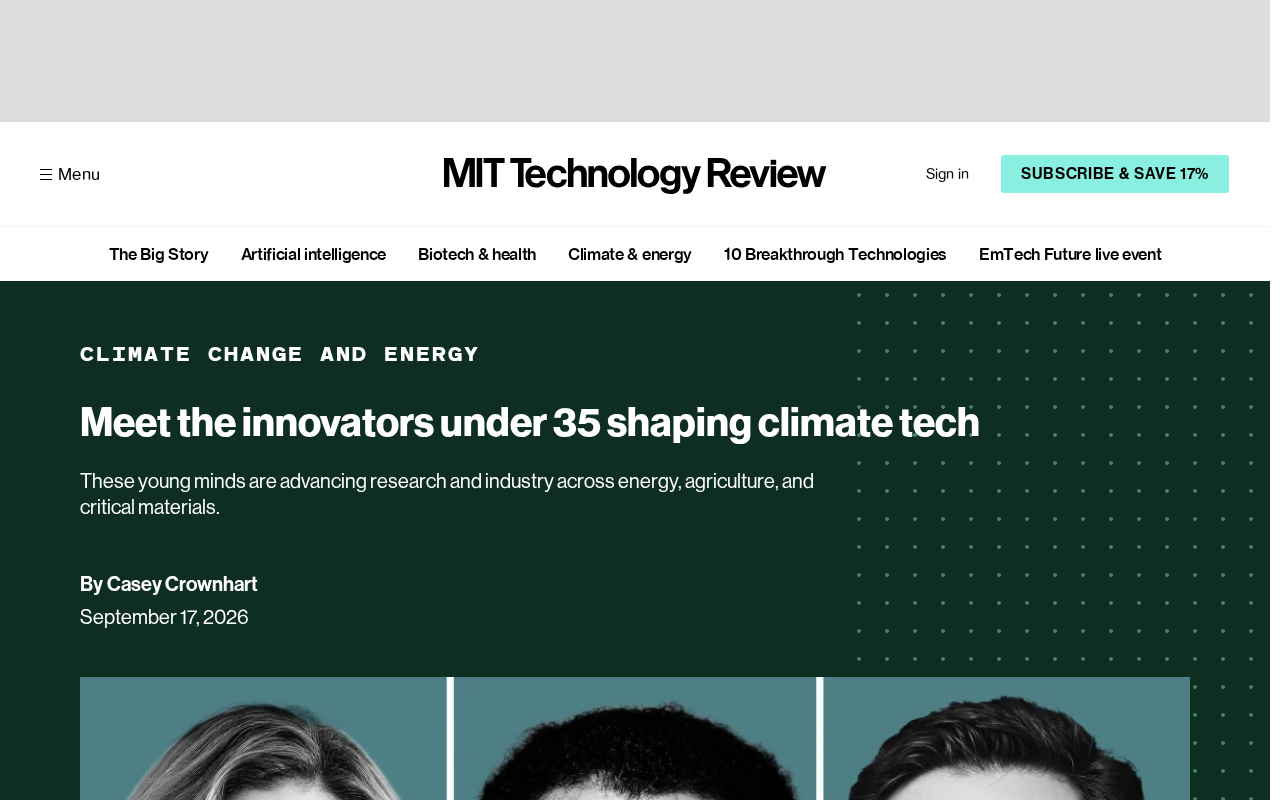
MIT Technology Review's 35 Innovators Under 35: A Climate Tech Edition Explained
MIT Technology Review's latest 35 Innovators Under 35 list focuses on climate tech, spotlighting nine young global innovators. Here's what the list means and why it matters.
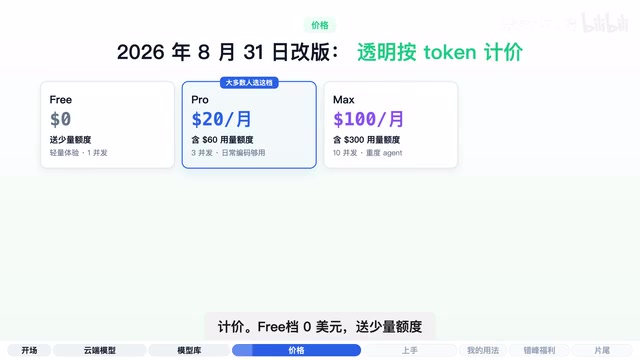
Ollama Cloud Deep Dive: One Subscription to Run DeepSeek, GLM, and More Open-Source Models
Ollama Cloud revamped with transparent per-token pricing and no service fees. One subscription runs DeepSeek, GLM, Kimi, Qwen & 20+ open-source models. Great time-zone perks for China users.
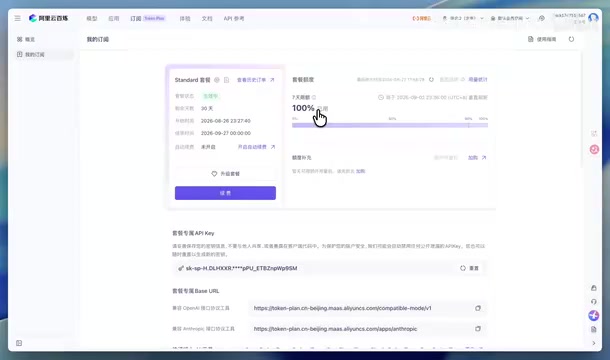
Alibaba Cloud Bailian Token Plan Real-World Test: Seven Days' Quota Gone in Three Hours
A Bilibili creator tested Alibaba Cloud Bailian's Token Plan and burned through a 7-day quota in 3 hours despite 99% cache hit rates. Key lessons for developers on AI plan billing transparency.