#Go LLM SDK
325 related articles

·3 min
Building a Streaming LLM Backend in Go: Deep Dive into the SDK and React Frontend Library
Deep dive into an open-source Go SDK for building streaming LLM backends, covering streaming responses, tool-calling architecture, and companion React library for end-to-end integration.
Read more →

·2 min
How AI Product Launches Ignite Developer Community Sentiment: From Euphoria to Rational Evaluation
Deep analysis of how AI product launches ignite developer community sentiment, exploring the industry trends behind collective excitement on Reddit, Discord, and X, and how developers shift from emotional reactions to rational technical evaluation.
Read more →

·3 min
MCP Session Analytics: Building Production-Grade Observability and Evaluation for AI Agents
How to build product analytics and evaluation capabilities for AI Agents at the MCP protocol layer, covering session-level tracing, tool call observability, and quality Evals.
Read more →

·3 min
Building a Local AI Agent Architecture: From Scattered Scripts to Your Personal Jarvis
A practical guide to consolidating scattered automation scripts into a local AI Agent hub. Covers Function Calling, Ollama+Qwen2.5 deployment, tool orchestration architecture, and a complete implementation roadmap.
Read more →

·2 min
Cartha: An AI Agent Operations Control Plane Solving Observability and Cost Control Challenges
Cartha is a managed control plane for AI Agents offering full-chain tracing, hard budgets, scoped memory isolation, and tool allow-lists to solve observability, cost overrun, and permission management challenges in production.
Read more →

·3 min
Building a GitHub Code Review Bot from Scratch: A Hands-On Guide to AI Agent Automation
A detailed guide on building a GitHub code review bot from scratch, covering cloud deployment, secure sandboxes, Vercel AI SDK, and multi-agent collaboration for automated development workflows.
Read more →

·5 min
Customer.io Summer Release Breakdown: Geofencing, Live Notifications, and Multi-Channel Engagement Get a Major Upgrade
Deep dive into Customer.io's major summer release: geofencing triggers, live notifications, flexible SMS providers, notification inbox, and WhatsApp management upgrades for unified multi-channel engagement.
Read more →

·3 min
TraceLLM: An Open-Source LLM Observability Platform Built on OpenTelemetry
TraceLLM is an open-source observability platform for production AI apps, built on OpenTelemetry, offering Prompt tracing, Token monitoring, latency analysis, and full distributed tracing.
Read more →

·3 min
NINA: An In-Product AI Assistant That Guides Users in Real Time
NINA is an AI assistant embedded inside B2B SaaS products that guides users step by step on the live interface via voice and text, replacing onboarding calls and repetitive support tickets.
Read more →

·2 min
LangChain or LangGraph? Framework Choices for Production-Grade AI Applications
In-depth analysis of LangChain vs LangGraph differences, why teams are migrating to LangGraph for production AI apps, and framework selection guidance based on project complexity.
Read more →

·2 min
LangChain or LangGraph? Choosing the Right Framework for Production-Grade AI Applications
In-depth analysis of core differences between LangChain and LangGraph, exploring why more teams are migrating to LangGraph for production AI apps, with framework selection guidance.
Read more →

·4 min
Infrastructure Architecture for Agent Applications: Four Core Patterns Explained
A deep dive into infrastructure architecture patterns for production-grade Agent applications, covering state persistence, sandbox isolation, LLM observability, and cost control.
Read more →

·4 min
Infrastructure Architecture for Agent Applications: Four Core Patterns Explained
Deep dive into infrastructure architecture patterns for production-grade Agent applications, covering state persistence, sandbox isolation, LLM observability, and cost control.
Read more →

·3 min
LLMOps Tool Selection Guide: An In-Depth Comparison of Tracing, Evaluation, and Governance Capabilities
In-depth analysis of LLMOps tool selection, comparing Langfuse, LangSmith, Helicone, and Orq.ai across tracing, evaluation, and governance capabilities with practical recommendations.
Read more →

·2 min
Agenta: A Detailed Look at the Open-Source Self-Hosted Claude Cowork Alternative
Agenta is an open-source AI Agent collaboration platform supporting self-hosted models and any Agent framework, positioned as an open-source Claude Cowork alternative.
Read more →

·3 min
Gemini Managed Agents API Update: Environment Hooks and Free Tier Fully Explained
Google Gemini Managed Agents API introduces environment hooks, model selection, free tier support, and default model upgrades—empowering AI Agent developers with stronger execution control and lower barriers to entry.
Read more →
·4 min
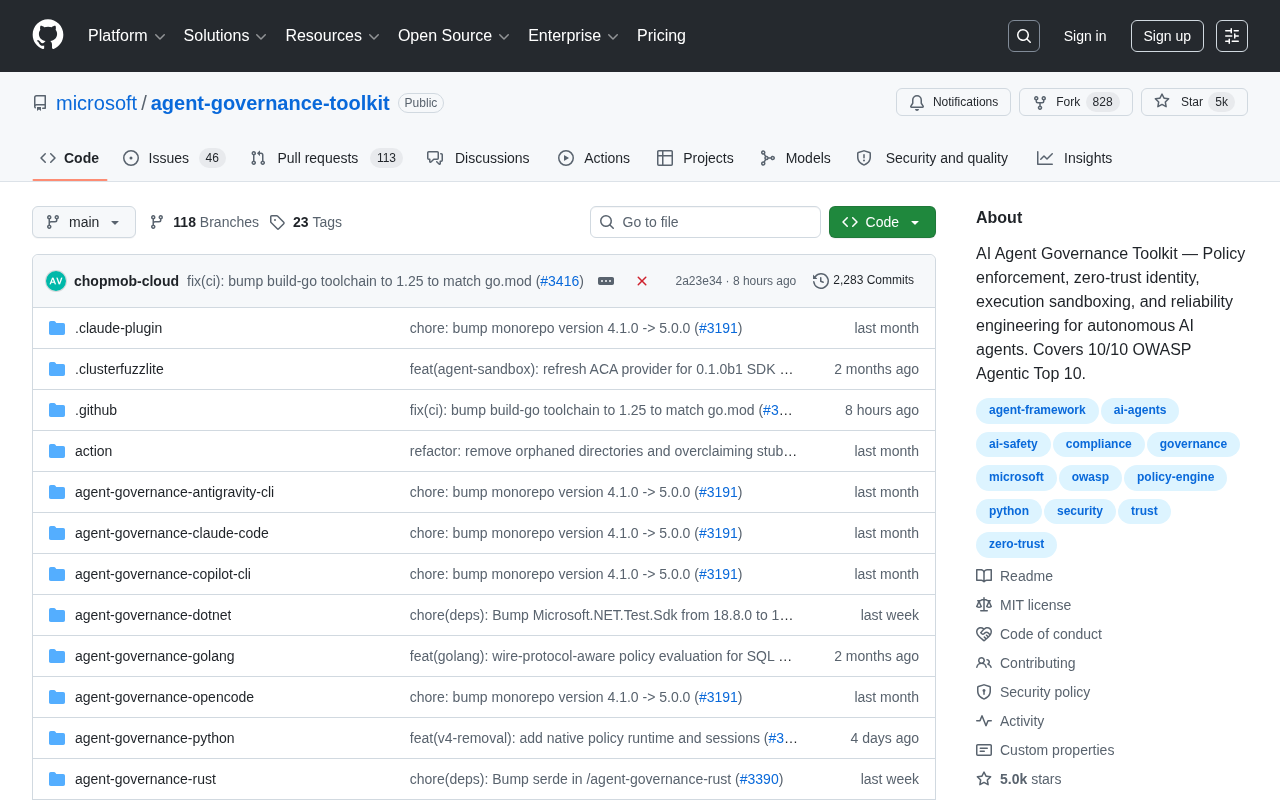
Microsoft Open-Sources AI Agent Governance Toolkit: Comprehensive Coverage of OWASP Top 10 Risks
Microsoft open-sources agent-governance-toolkit covering all OWASP Agentic Top 10 risks through policy enforcement, zero-trust identity, execution sandboxing, and reliability engineering for production AI Agent deployment.
Read more →
·4 min
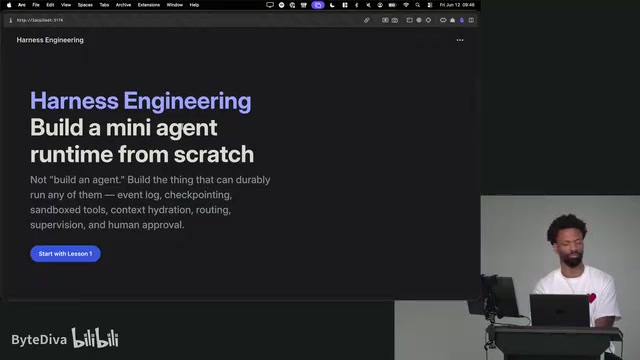
Harness Engineering: The Core Infrastructure for Taking AI Agents from Demo to Production
Deep dive into Harness Engineering: why AI Agents need memory management, durable execution, guardrails & approvals to go from demo to production.
Read more →

·4 min
Harness Engineering: The Core Infrastructure for Taking AI Agents from Demo to Production
Deep dive into Harness Engineering: why AI Agents need memory management, durable execution, guardrails & approvals to reach production. Based on Scott Moss's workshop.
Read more →

·4 min
Complete Guide to Pi Coding Agent: Core Usage and Extension Techniques for a Minimalist Terminal AI Coding Tool
Complete guide to Pi coding agent: design philosophy, installation, shortcuts, session management, and 7-layer customization architecture. How this 45K-star minimalist terminal tool redefines AI coding workflows.
Read more →