#LLM selection guide
420 related articles

·3 min
How to Elegantly Access Top AI Models Like GPT and Claude from China
Chinese users face registration, payment, and network barriers when accessing GPT, Claude, and other top AI models. This guide covers AI aggregation platforms as a one-stop solution.
Read more →

·6 min
Harness Engineering: From Context Engineering to the Third Phase of AI Programming
Explore Harness Engineering: the next evolution beyond context engineering for AI programming. Learn how to build enterprise-grade Skill systems and deliver real projects with mid-tier models.
Read more →

·4 min
Cursor Start India Plan at ₹649/Month: Decoding the Regional Pricing Strategy for AI Coding Tools
Cursor launches its Start plan for India at ₹649/month (~$7.70), featuring Grok 4.5 and Composer Agent. A deep dive into the PPP pricing strategy and its market implications.
Read more →

·3 min
Learning AI Large Language Models: A Complete Roadmap from Beginner to Practitioner
A systematic breakdown of the AI LLM learning roadmap covering prompt engineering, AI Agent development, RAG knowledge bases, model fine-tuning, and hands-on projects for beginners.
Read more →

·5 min
Learn AI Agent Development from Scratch: A 3-Step Practical Path to Get Started Quickly
How to learn AI Agent development from scratch? This article outlines a clear 3-step path: Python crash course, LLM theory & practice, and LangChain framework project implementation.
Read more →

·4 min
Spring AI 2.0 in Practice: Building an Enterprise RAG Knowledge Base Q&A System with Cursor
Build an enterprise RAG knowledge base Q&A system using Spring AI 2.0, Cursor AI programming, Ollama local deployment, and Redis vector storage. Runs on just 4GB VRAM.
Read more →

·4 min
Laguna S 2.1 Deep Dive: Hands-On Local Deployment of a 118B Parameter Coding Model
In-depth review of Poolside's Laguna S 2.1 open-source coding model: MoE architecture, RL training, DGX Spark local deployment, and real-world agentic coding tests with 8B active parameters.
Read more →

·4 min
GPT-5.6 Value Maxing Practical Guide: From Token Stacking to Output Optimization Methodology
Deep dive into OpenAI GPT-5.6 Value Maxing strategies covering Sol/Terra/Luna model selection, KV cache optimization, Prompt compression, and programmatic tool calling to help developers achieve more output with fewer Tokens.
Read more →

·4 min
Opus 5 Real-World Testing: Cheaper Yet Stronger — Why It's Now My Default Coding Model
In-depth testing of Claude Opus 5's coding abilities vs Fable 5 and 5.6 Sol. Why Opus 5 outperforms pricier models at half the token cost, plus selection guide and distillation explained.
Read more →

·4 min
Kimi K2/K3 Technical Speculation: Deep Dive into RL Hyperparameters and Multi-Teacher Distillation
Deep analysis of RL hyperparameter tuning challenges and 9-policy multi-teacher distillation in Kimi K2/K3 training, exploring the shift from scale to training craft.
Read more →

·3 min
A 9B Model Beats Frontier LLMs After Just $500 in RL Fine-Tuning
Just $500 in RL fine-tuning enables a 9B open-source model to outperform frontier LLMs on catalog review tasks. Analysis of when small-model RL works and its enterprise implications.
Read more →

·4 min
Getting Started with AI Agent Development: A Complete Guide from Concept to Practice
A comprehensive guide to AI Agent architecture and development, covering automated marketing, intelligent customer service, and investment analysis scenarios with single and multi-agent collaboration.
Read more →
·3 min
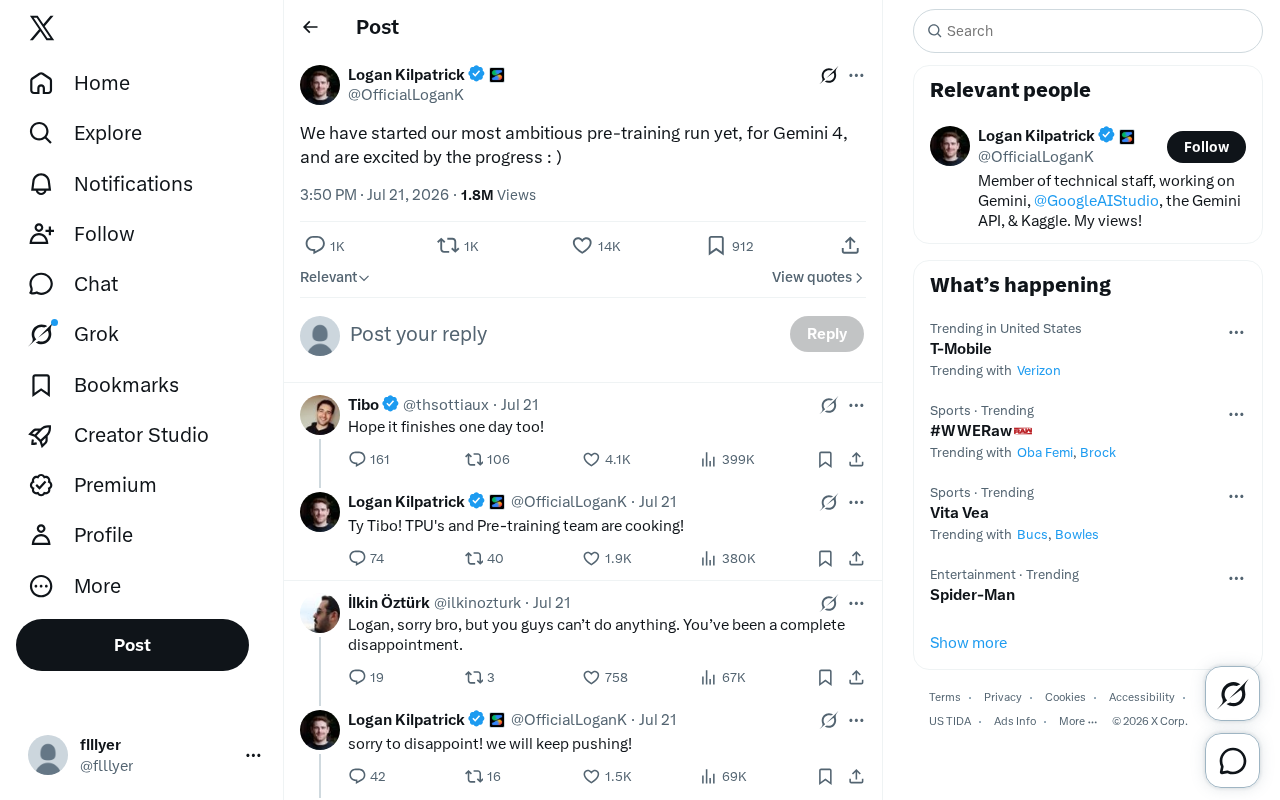
Google Launches Gemini 4 Pre-training: Its Most Ambitious AI Model Training Yet
Google DeepMind announces Gemini 4 pre-training has begun, calling it their most ambitious training yet. A deep dive into its technical direction, compute scale, multimodal breakthroughs, and competitive impact.
Read more →

·3 min
Deconstructing Agents: Task Decomposition, Context Compression, and the Case Against Heavy Frameworks
A deep engineering analysis of Agent internals: how LLMs decompose tasks via tool calling, why context compression and memory are essential, and why solo developers should avoid heavy frameworks.
Read more →

·4 min
LibTV Hands-On: A Full Breakdown of How an AI Agent Produces an Animated Short in One Day
Hands-on test of LibTV's AI Agent: from script and storyboarding to video compositing, one person completes an animated short in a day. Full breakdown of the Skill library, node workflow, and Story Board features.
Read more →

·3 min
Agent Skills Explained: Solving the MCP Context Bloat Problem
Deep dive into Anthropic's Agent Skills mechanism, explaining how Progressive Disclosure solves MCP context bloat and tool calling accuracy issues in AI agents.
Read more →
·6 min
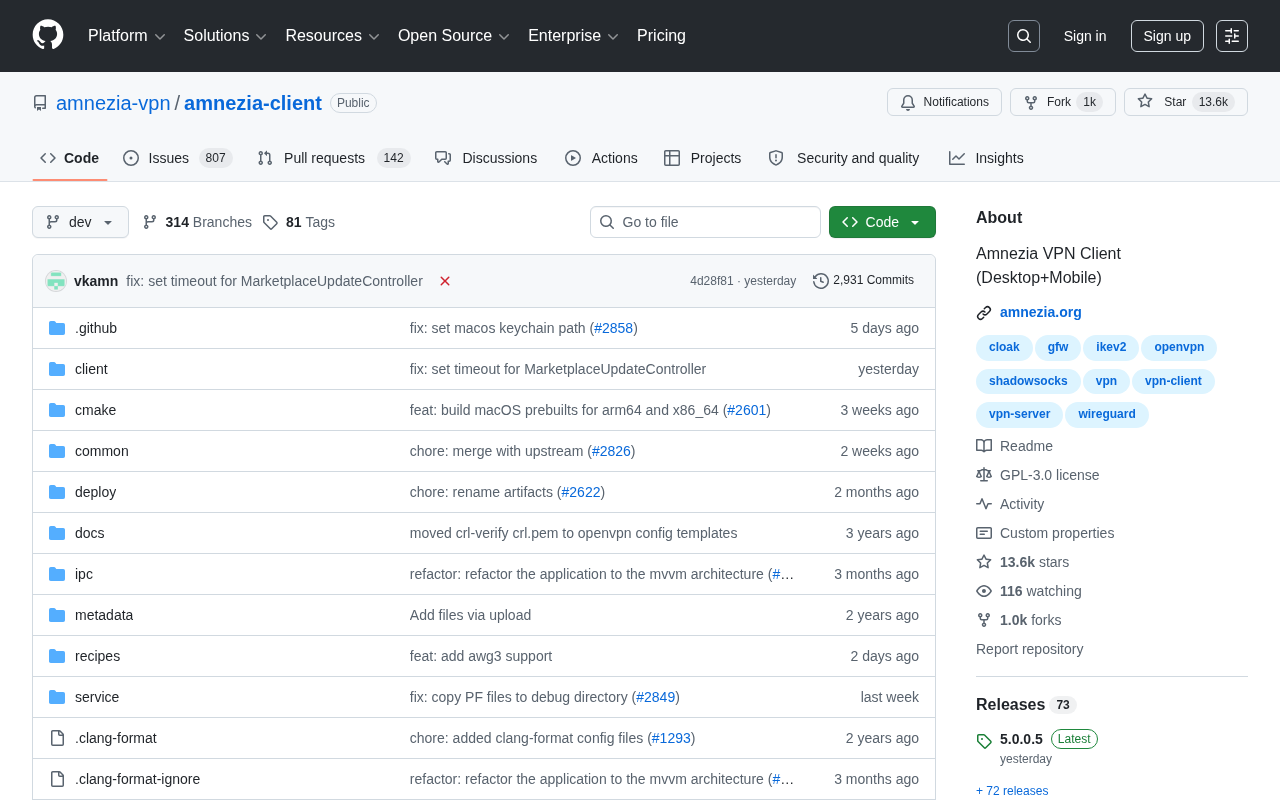
AmneziaVPN Deep Dive: The Open-Source Powerhouse for Self-Hosted, Censorship-Resistant VPN
Deep dive into the AmneziaVPN open-source client: AmneziaWG anti-DPI obfuscation, self-hosted VPS deployment, multi-protocol support, and cross-platform privacy.
Read more →

·4 min
GenAI Job Interview Gone Wrong: Interviewer Googles Gemini for Questions on the Spot — What's Broken in AI Hiring?
A fresh grad interviewing for a GenAI Trainer role faced prime number coding and activation function questions while the interviewer used Gemini to generate questions live — exposing AI hiring chaos.
Read more →

·5 min
Ollama Performance Degrades After Connecting to OpenWebUI? A Complete Troubleshooting Guide
Complete guide to troubleshooting Ollama performance degradation with OpenWebUI, covering num_ctx truncation, sampling parameter differences, GPU resource contention, and system prompt interference.
Read more →

·3 min
Introduction to How AI Large Models Work: A Must-Read Guide for Test Engineers
A clear explanation of how AI large models work: from concept hierarchy and Transformer mechanics to probabilistic traits, helping test engineers grasp AI testing.
Read more →