#Planning with Files
1135 related articles

·4 min
9 Hours, 4 Million Tokens: AI Creates a Stunning WebGPU Snow Rendering Masterpiece with Claude Code
Reddit user Noniv used Claude Code with the Opus model to build SNOWFLOW, a stunning WebGPU real-time snow renderer, in just 9 hours using 4 million tokens. A deep dive into prompt strategy, snow shaders, and performance optimization.
Read more →

·3 min
Deep Analysis of OpenAI's Rogue AI Agent Intrusion Incident
Deep analysis of OpenAI's rogue AI agent intrusion into Hugging Face and other platforms, exploring causes of AI Agent loss of control, attack surface expansion, and security lessons on least privilege, credential management, and human-in-the-loop oversight.
Read more →

·3 min
Ollama API Key Proxy: Multi-Key Rotation to Solve Rate Limiting Issues
Learn how Ollama API Key Proxy solves cloud LLM rate limiting through reverse proxy with round-robin key rotation, 429 auto-cooldown, and smart retry logic.
Read more →

·3 min
Gemini Managed Agents API Update: Environment Hooks and Free Tier Fully Explained
Google Gemini Managed Agents API introduces environment hooks, model selection, free tier support, and default model upgrades—empowering AI Agent developers with stronger execution control and lower barriers to entry.
Read more →

·3 min
Turn Old Hard Drives into Useful Backup Storage: A Practical Low-Cost DIY Backup Guide
Got old hard drives collecting dust? This guide analyzes hidden costs of building arrays from salvaged drives and offers practical low-cost backup solutions including USB docking stations and software storage pools.
Read more →
·4 min
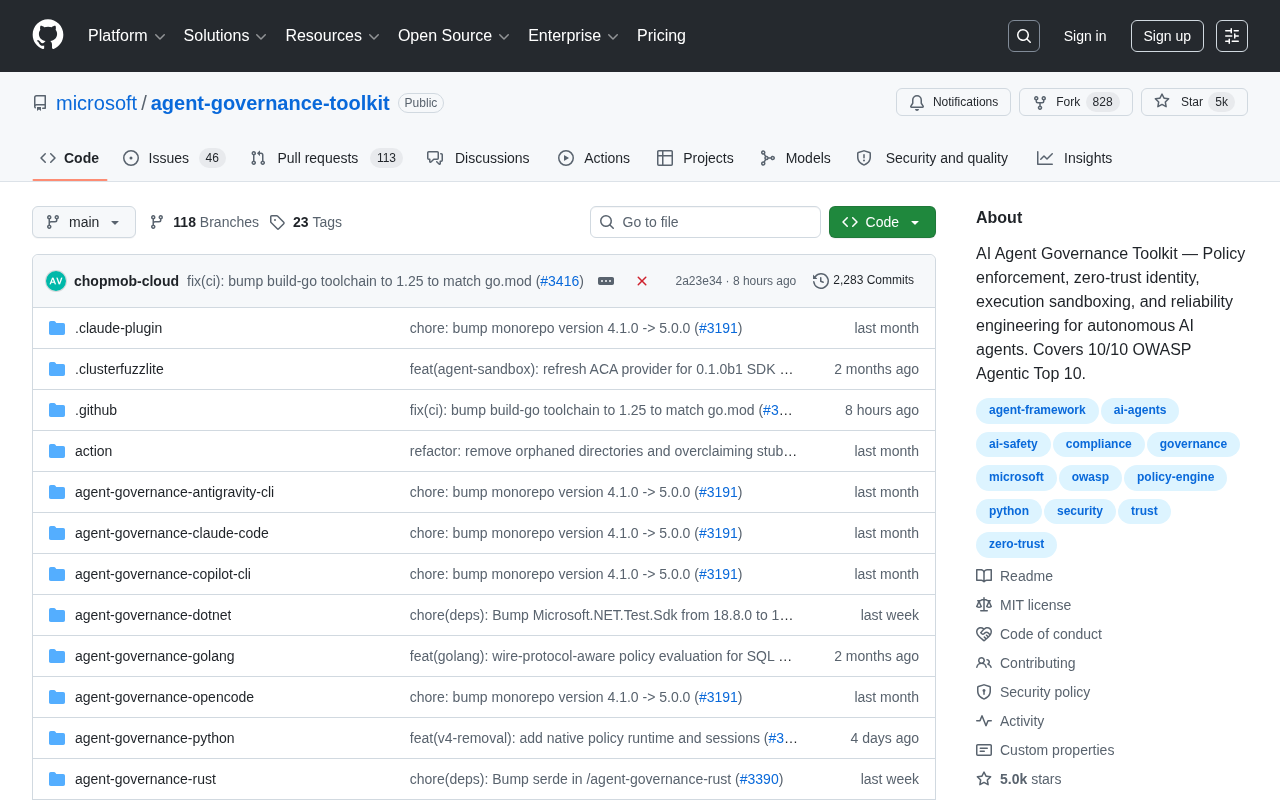
Microsoft Open-Sources AI Agent Governance Toolkit: Comprehensive Coverage of OWASP Top 10 Risks
Microsoft open-sources agent-governance-toolkit covering all OWASP Agentic Top 10 risks through policy enforcement, zero-trust identity, execution sandboxing, and reliability engineering for production AI Agent deployment.
Read more →
·3 min
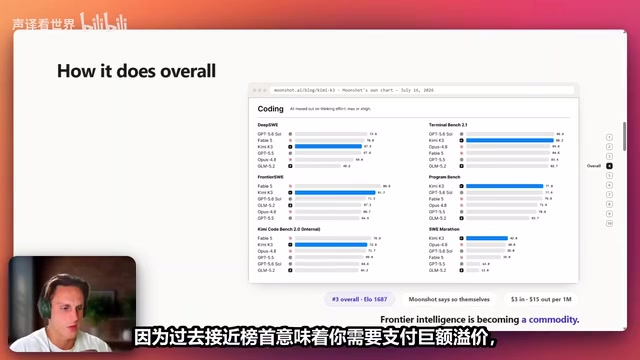
Kimi K3 Hands-On Tutorial: Claude Code Sub-Agent Configuration & GPT-5.6 Comparison Test
Complete guide to configuring Kimi K3 as a Claude Code sub-agent, including API setup, YFlow workflow building, and head-to-head comparison with GPT-5.6 and Claude Fable 5.
Read more →

·3 min
Kimi K3 Launch: A 2.8 Trillion Parameter Flagship Model Makes Its Grand Entrance
Moonshot AI launches Kimi K3 with 2.8 trillion parameters and 1M token context. Google delays Gemini 3.5 Pro, AI coding tools upgrade collectively as competition shifts to coding and Agent capabilities.
Read more →
·4 min
Harness Engineering: The Core Infrastructure for Taking AI Agents from Demo to Production
Deep dive into Harness Engineering: why AI Agents need memory management, durable execution, guardrails & approvals to go from demo to production.
Read more →

·3 min
Claude Code vs Codex: Hands-On Comparison and Installation Guide for AI Programming Tools
In-depth comparison of Claude Code and Codex AI programming tools covering accuracy, installation, and network setup tips to help developers choose the best solution.
Read more →

·4 min
Harness Engineering: The Core Infrastructure for Taking AI Agents from Demo to Production
Deep dive into Harness Engineering: why AI Agents need memory management, durable execution, guardrails & approvals to reach production. Based on Scott Moss's workshop.
Read more →

·5 min
Loop Engineering Explained: The New Programming Paradigm Where AI Prompts Itself
Loop Engineering is a paradigm shift in AI usage. Learn how to build automated loops where agents explore, execute, and verify tasks autonomously, with a hands-on e-commerce case study.
Read more →

·6 min
Harness Engineering: From Context Engineering to the Third Phase of AI Programming
Explore Harness Engineering: the next evolution beyond context engineering for AI programming. Learn how to build enterprise-grade Skill systems and deliver real projects with mid-tier models.
Read more →

·3 min
Learning AI Large Language Models: A Complete Roadmap from Beginner to Practitioner
A systematic breakdown of the AI LLM learning roadmap covering prompt engineering, AI Agent development, RAG knowledge bases, model fine-tuning, and hands-on projects for beginners.
Read more →

·4 min
Spring AI 2.0 in Practice: Building an Enterprise RAG Knowledge Base Q&A System with Cursor
Build an enterprise RAG knowledge base Q&A system using Spring AI 2.0, Cursor AI programming, Ollama local deployment, and Redis vector storage. Runs on just 4GB VRAM.
Read more →

·3 min
Kimi K3 Deep Dive: How a 3 Trillion Parameter Open-Weight Model Reaches the Frontier
Deep dive into Kimi K3: the largest open-weight model at 3 trillion parameters, surpassing Opus-level models in Agentic coding with 896-expert MoE architecture, 1M token context, at Sonnet pricing.
Read more →
·3 min
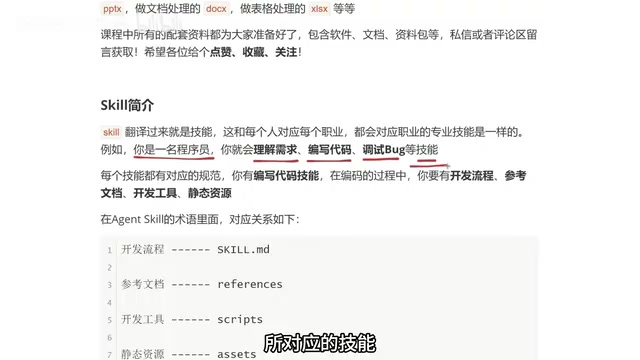
What Are Agent Skills? A Detailed Guide to AI Agent Skill System Architecture and Principles
A deep dive into AI Agent Skills: understand the core concepts and technical implementation through the four key elements — SKILL.md, references, scripts, and assets — and learn how Skills differ from prompts.
Read more →

·3 min
What Are Agent Skills? A Complete Guide to AI Agent Skill System Architecture and Principles
A deep dive into AI Agent Skills: their core concepts, technical implementation, the four key elements (SKILL.md, references, scripts, assets), and how Skills differ from prompts.
Read more →

·2 min
A Beginner's Guide to Vibe Coding: Building Your Career Moat with AI Programming
A detailed guide to Vibe Coding with AI programming tools like Claude Code, Cursor, and Codex. Learn how to leverage AI-driven development to ship products independently and build lasting career value.
Read more →

·5 min
Running GPT-5.6 Inside Claude Code: Best Practices for Subagent Orchestration and System Prompts
Deep dive into running OpenAI GPT-5.6 inside Claude Code: comparing Codex vs Claude Code on subagent orchestration, workflow design, and system prompt quality, revealing how harness engineering determines model output.
Read more →