#Semantic Kernel
269 related articles
 Tech Frontiers
·3 min
NVIDIA Nemotron Hackathon Korea Winners Announced: Asia-Pacific AI Developers Showcase Their Strength
NVIDIA Nemotron Hackathon Korea winners officially announced, showcasing Korean AI developer innovation. Analysis of Nemotron LLM ecosystem, Korea's AI landscape, and NVIDIA's global developer strategy.
Read more →
 Expert Opinions
·4 min
Interview with a Core Developer of Microsoft's Agent Framework: A Complete Analysis of Architecture Design and Evolution
In-depth interview with Microsoft Agent Framework core developer Roger Barreto on the evolution from Semantic Kernel, middleware architecture design, enterprise stability strategies, and AI development best practices.
Read more →
 Tutorials
·4 min
LangChain Agent in Practice: Building a Production-Grade AI Agent from Scratch
A comprehensive guide to building production-grade AI Agents with LangChain, covering architecture design, tools, memory systems, ReAct strategy, and enterprise deployment.
Read more →
 Deep Dives
·3 min
Deep Dive into Tencent's Open-Source WeKnora: An All-in-One Knowledge Platform with RAG + Agent + Wiki
Deep dive into Tencent's open-source LLM knowledge platform WeKnora, covering RAG, autonomous reasoning Agent, and self-maintaining Wiki capabilities, plus its Go-based architecture and enterprise use cases.
Read more →
 Tech Frontiers
·4 min
OpenAI's Daybreak Security Initiative Explained: How AI Proactively Discovers Zero-Day Vulnerabilities
OpenAI launches Daybreak, an AI security initiative using Codex Security agents to proactively discover zero-day vulnerabilities. A deep dive into its three-step defense workflow and competition with Anthropic's Claude Mythos.
Read more →
 Expert Opinions
·3 min
Zig Language Bans AI Code Contributions: A Deep Debate on Open Source Principles
Zig founder Andrew Kelley rejects LLM-assisted PRs, introducing the concept of AI code's "digital smell." A deep analysis of the open source philosophy, code quality, and trust issues behind Zig's ban on AI contributions.
Read more →
 Expert Opinions
·3 min
Why the Zig Project Strictly Bans AI Contributions: Investing in People, Not Code
The Zig programming language enforces the strictest anti-LLM policy in open source, banning AI in PRs and Issues. Its "Contributor Poker" philosophy reveals why: open source value lies in cultivating people, not merging code.
Read more →
 Expert Opinions
·2 min
The Real Reason Zig Bans AI Code Contributions: Investing in People, Not Code
Zig implements the strictest anti-AI policy in open source, banning all LLM-generated contributions. Learn about their "Contributor Poker" philosophy, why Bun's 4x speedup can't be upstreamed, and implications for open source governance.
Read more →
 Tutorials
·3 min
Building an AI Digital Human Agent from Scratch: Architecture Design & Full Technical Breakdown
Complete guide to building an AI digital human Agent, covering Agent, RAG, WebRTC, and Docker deployment with architecture design and engineering best practices.
Read more →
 Tutorials
·3 min
Using LLMs as Script Interpreters: Shebang Lines Turn Natural Language into Executable Scripts
Simon Willison shows how putting LLM CLI tools in shebang lines turns plain English text files into executable scripts, from basic usage to tool calls and YAML templates.
Read more →
 Tech Frontiers
·2 min
Microsoft Open-Sources GitAGU: A Unified Platform for Managing AI Agent Development Workflows
Microsoft open-sources GitAGU (Git Agent Unblock), a centralized platform for discovering, configuring, and integrating AI agents into development workflows across the full SDLC.
Read more →
 Product Reviews
·2 min
Lingque AI Agent Framework: A Self-Controlled Solution for Private Deployment
Lingque is a Python-based open-source AI Agent framework supporting fully private deployment with data sovereignty. This article analyzes its technical features, use cases, and advantages over LangChain.
Read more →
 Deep Dives
·4 min
Deep Dive into Claude Code Source Code: A Complete Guide to Agent Loops, Context Engineering, and Architecture Design
Deep analysis of Claude Code's source architecture: Agent loop mechanism, context engineering strategies, tool system design, and permission controls. Based on the viral GitHub project how-claude-code-works.
Read more →
 Deep Dives
·3 min
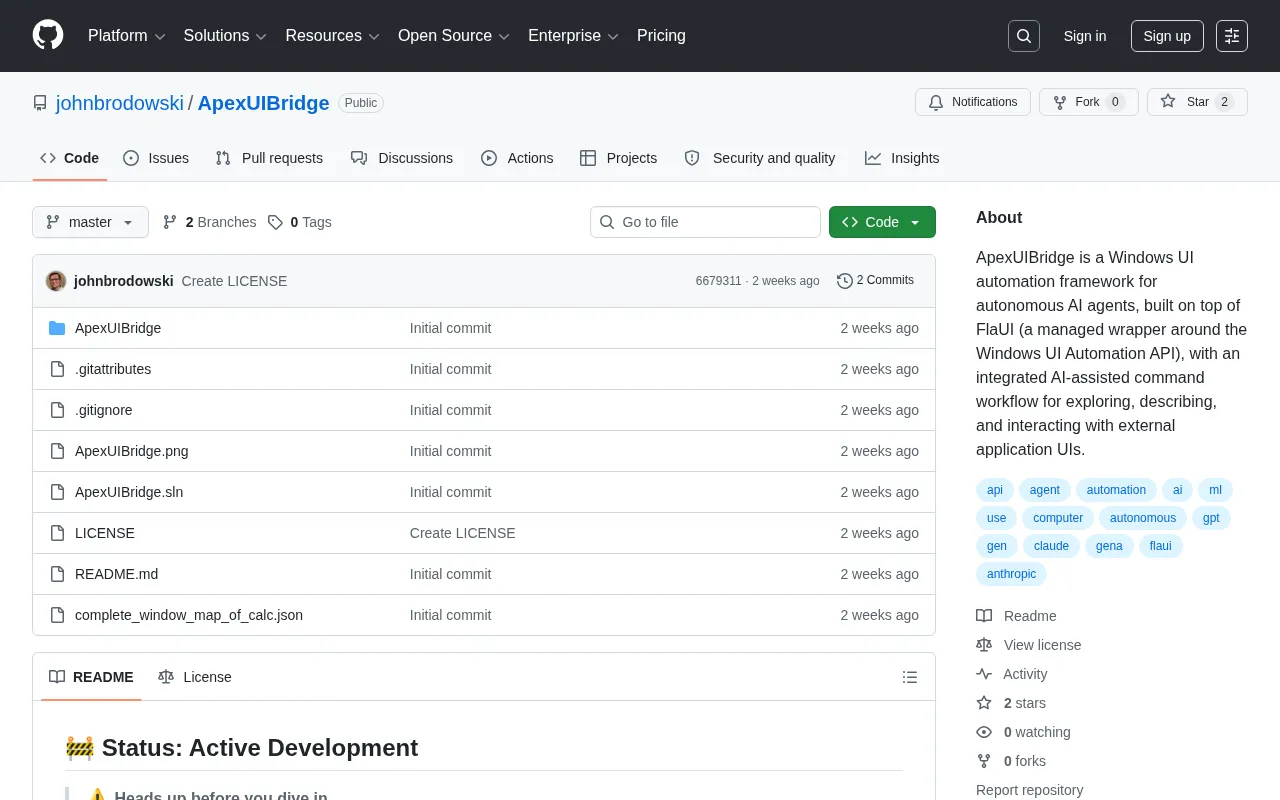
ApexUIBridge: A UI Automation Framework That Lets AI Agents Control Windows Desktop Applications
Deep dive into ApexUIBridge, an open-source AI agent automation framework built on FlaUI and Windows UI Automation API, enabling UI exploration, semantic description, and interaction with desktop apps.
Read more →
 Tech Frontiers
·2 min
Paper-to-Notebook: Upload a Paper PDF and Generate PyTorch Code with One Click
Paper-to-Notebook is an open-source tool by VizuaraAI powered by Gemini 2.5 Pro that converts research paper PDFs into runnable PyTorch Jupyter Notebooks, accelerating AI paper reproduction.
Read more →
 Expert Opinions
·3 min
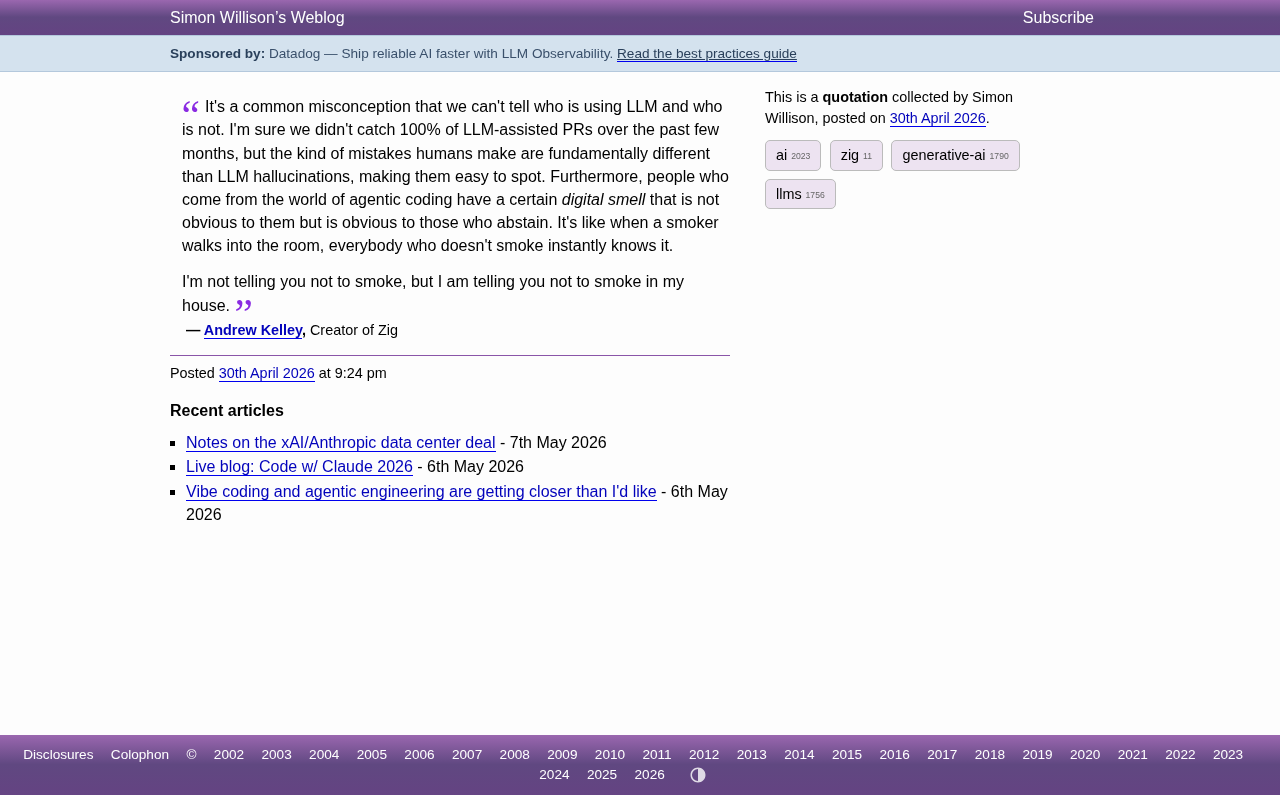
Zig Creator on AI Code Ban: You Can Smoke, But Not in My House
Zig creator Andrew Kelley uses a smoking analogy to address the AI code ban controversy: developers can use AI tools, but Zig's codebase won't accept LLM-assisted contributions.
Read more →
 Expert Opinions
·3 min
Why Zig Strictly Bans AI Contributions: Investing in Contributors, Not Code
Zig implements open source's strictest anti-LLM policy, banning all AI contributions. Explore its "Contributor Poker" philosophy—why Zig values cultivating contributors over merging code, and how Bun's 4x performance patch can't be upstreamed.
Read more →
 Expert Opinions
·3 min
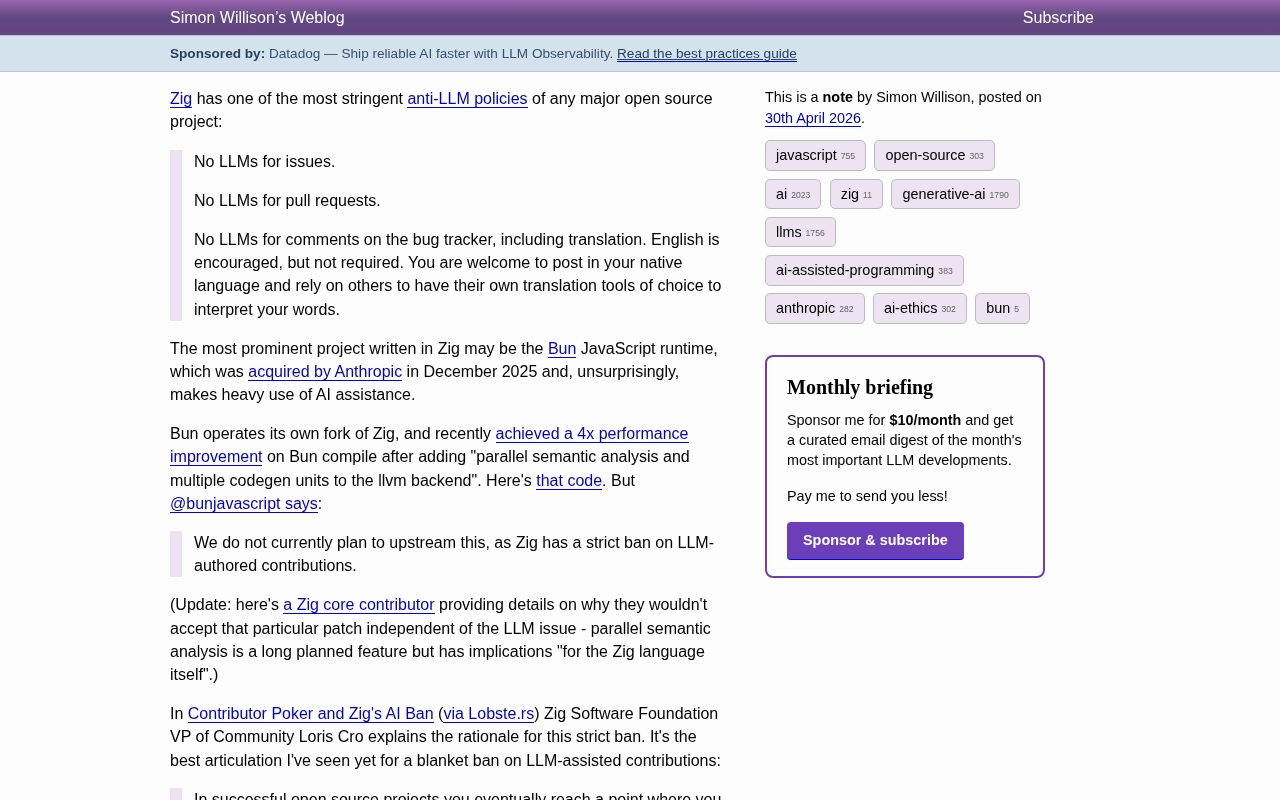
Why Does Zig Completely Ban AI Contributions? A Deep Dive into Contributor Poker Theory
Zig implements open source's strictest anti-LLM policy, banning all AI-generated PRs and Issues. Deep dive into its "Contributor Poker" theory: investing in people over code.
Read more →
 Expert Opinions
·2 min
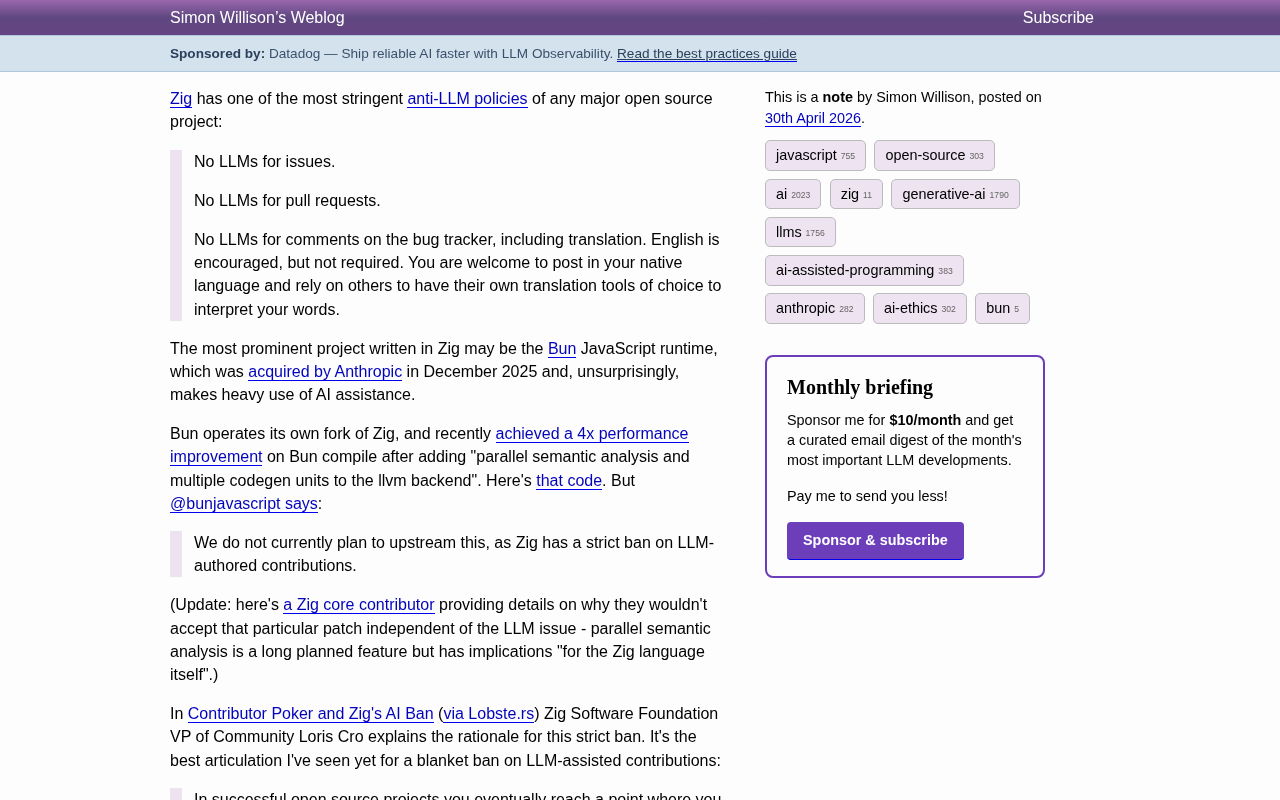
Why Zig Completely Bans AI Contributions: An Open Source Philosophy of Investing in People, Not Code
Zig enforces the strictest anti-LLM policy in open source, banning all AI-generated PRs and Issues. Its "Contributor Poker" philosophy invests in people over code output.
Read more →
 Expert Opinions
·3 min
Why Zig Completely Bans AI Contributions: An Open Source Philosophy That Invests in People, Not Code
Zig implements the strictest anti-LLM policy in open source, banning all AI-generated contributions. A deep dive into its "Contributor Poker" philosophy and implications for open source governance.
Read more →