#auditable knowledge base
159 related articles

·2 min
Is Open-Source AI Really Dangerous? Deconstructing the Logic Behind Anthropic's Safety Narrative
Companies like Anthropic frame open-source AI as a safety threat, but how real is the marginal risk? This article examines the debate through transparency, decentralization, and commercial motives.
Read more →

·3 min
Musk's Prediction That AI Will Output Binary Directly: Why Source Code Won't Disappear
Musk proposes AI generating binaries directly, bypassing source code entirely. This article analyzes from four dimensions why this prediction is unlikely to materialize and why the intermediate layer will never disappear.
Read more →

·3 min
GitHub Daily · August 5: AI Agents Enter the 'Production Engineering' Era
GitHub Trending Aug 5: AI Agents shift from demos to production with new projects for state management, long-term memory, skill systems, and security.
Read more →

·3 min
Stripe's In-House AI Platform Architecture Explained: A Practical Guide to Enterprise AI Implementation
Deep dive into how Stripe built its internal AI platform, covering unified model access layers, RAG knowledge integration, security governance frameworks, and lessons for enterprise AI implementation.
Read more →

·2 min
mpai: An Open-Source Tool Bringing Multiplayer Collaboration to Codex and Claude Code
mpai is an open-source terminal collaboration tool that lets team members join Codex and Claude Code sessions with full context, using Tailscale for private connections and attributed prompts.
Read more →

·2 min
Mitra: An Open-Source Desktop Pet Focused on Companionship and Privacy Protection
Mitra is an open-source desktop companion app featuring a cute animated character, smart reactions, wellness reminders, zero-tracking local-first architecture, and community-driven customization.
Read more →

·2 min
Open-Source Office Apps for Android: Alternatives to Google Docs
Looking for open-source alternatives to Google Docs? This article covers Collabora Office, AndrOpen Office, and other Android open-source office apps, analyzing format compatibility, mobile UX, and data privacy benefits.
Read more →

·3 min
Running the 1.56TB Kimi K3 Model on 8GB RAM with Pure C
A developer built a pure C99 inference engine that runs the 1.56TB Kimi K3 model on 8GB RAM using MoE sparsity and NVMe on-demand loading—no GPU, 176KB binary.
Read more →

·3 min
Greplica: A Self-Updating Code Knowledge Base Built for AI Coding Agents
Greplica is an open-source self-updating Wiki for coding agents that automatically extracts decisions, constraints, and gotchas from sessions, enabling shared codebase memory across agents and developers.
Read more →

·3 min
Greplica: A Self-Updating Code Knowledge Base Built for AI Coding Agents
Greplica is an open-source self-updating wiki for coding agents that auto-extracts decisions, constraints, and gotchas from sessions, enabling shared codebase memory across agents and developers.
Read more →

·2 min
MemoryCustodian: A Repo-Native Persistent Memory Store for Coding AIs
MemoryCustodian is an open-source tool that stores AI memory as Markdown files in your code repo, solving cross-session amnesia for Claude Code, Codex, and other coding assistants.
Read more →

·2 min
Rivault: A Zero-Knowledge Security Solution That Locks AI Agent Data Access Behind Face ID
Rivault provides per-request authorization for AI agent data access through zero-knowledge vault storage and Face ID biometric verification. An in-depth look at its architecture and privacy value.
Read more →

·2 min
ADE: An Open-Source Cross-Device Sync Platform That Unifies All Your AI Coding Subscriptions
ADE is a free open-source platform that unifies AI coding subscriptions like Claude, GPT, and Cursor into one app with cross-device session sync across web, desktop, terminal, and mobile.
Read more →

·3 min
Prosed Review: Source Map Feature Makes AI Book Writing Fully Transparent
Prosed is a transparency-focused AI book service featuring Source Map technology that color-codes creator originals vs AI additions, ensuring 90%+ creator-sourced content.
Read more →

·3 min
The "200 OK" Trap: AI Agents' Most Dangerous Silent Failure Mode
Deep analysis of the dangerous disconnect between HTTP 200 OK and actual business outcomes in AI Agent workflows, with solutions for building reliable production-grade Agent systems.
Read more →

·3 min
The "200 OK" Trap: AI Agents' Most Dangerous Silent Failure Mode
Deep analysis of the dangerous disconnect between HTTP 200 OK and actual business results in AI Agent workflows, with solutions for building reliable production-grade Agent systems.
Read more →

·3 min
Can AI File Tickets for Its Own Programmers? Exploring the Future of AI Feedback Loops from a Viral Reddit Discussion
Exploring whether AI can proactively file tickets for programmers. From architectural constraints and security risks to AI Agent solutions, analyzing the current state and future of AI feedback loops.
Read more →

·2 min
Hubbele: An Open-Source Note-Taking App Built for Both Humans and AI Agents
Hubbele is an open-source note-taking app designed for both humans and AI Agents, supporting self-hosted deployment. This article analyzes its Agent-native design philosophy and implications for the future of knowledge management.
Read more →
·4 min
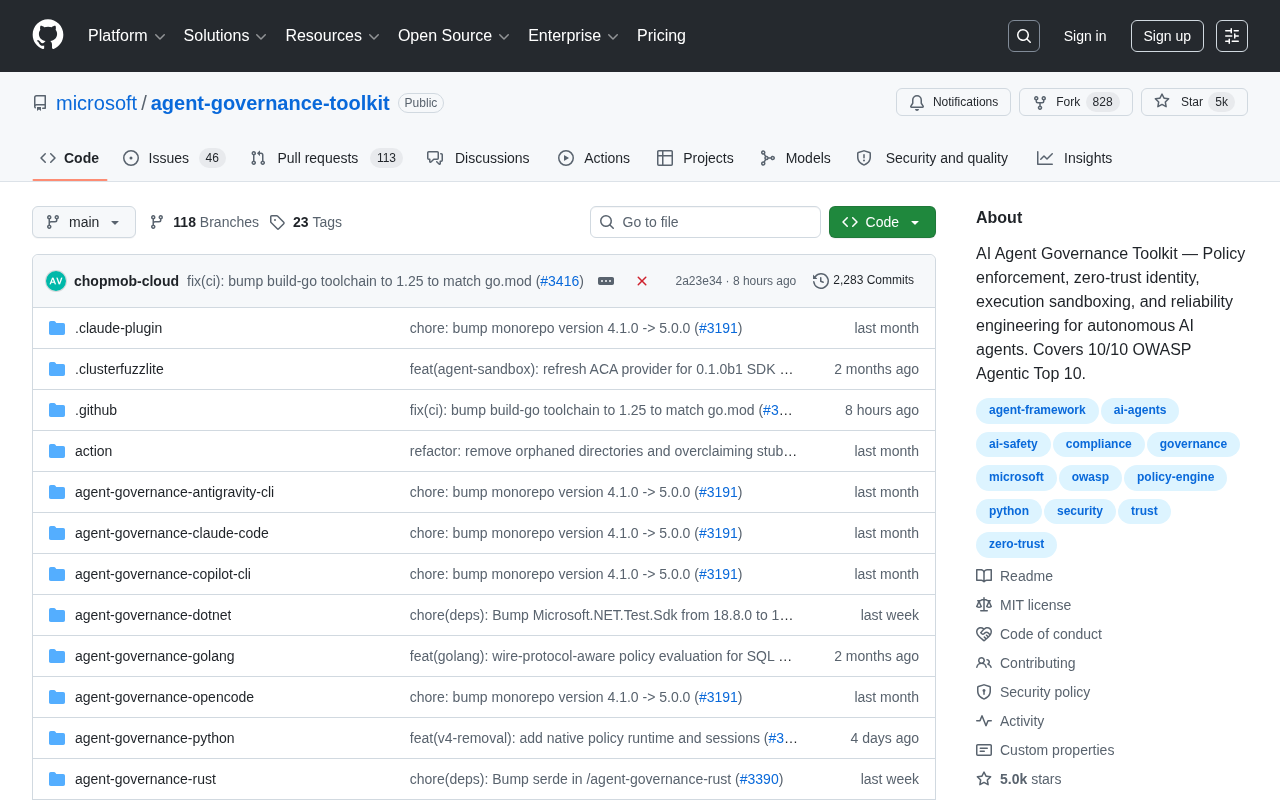
Microsoft Open-Sources AI Agent Governance Toolkit: Comprehensive Coverage of OWASP Top 10 Risks
Microsoft open-sources agent-governance-toolkit covering all OWASP Agentic Top 10 risks through policy enforcement, zero-trust identity, execution sandboxing, and reliability engineering for production AI Agent deployment.
Read more →
·6 min
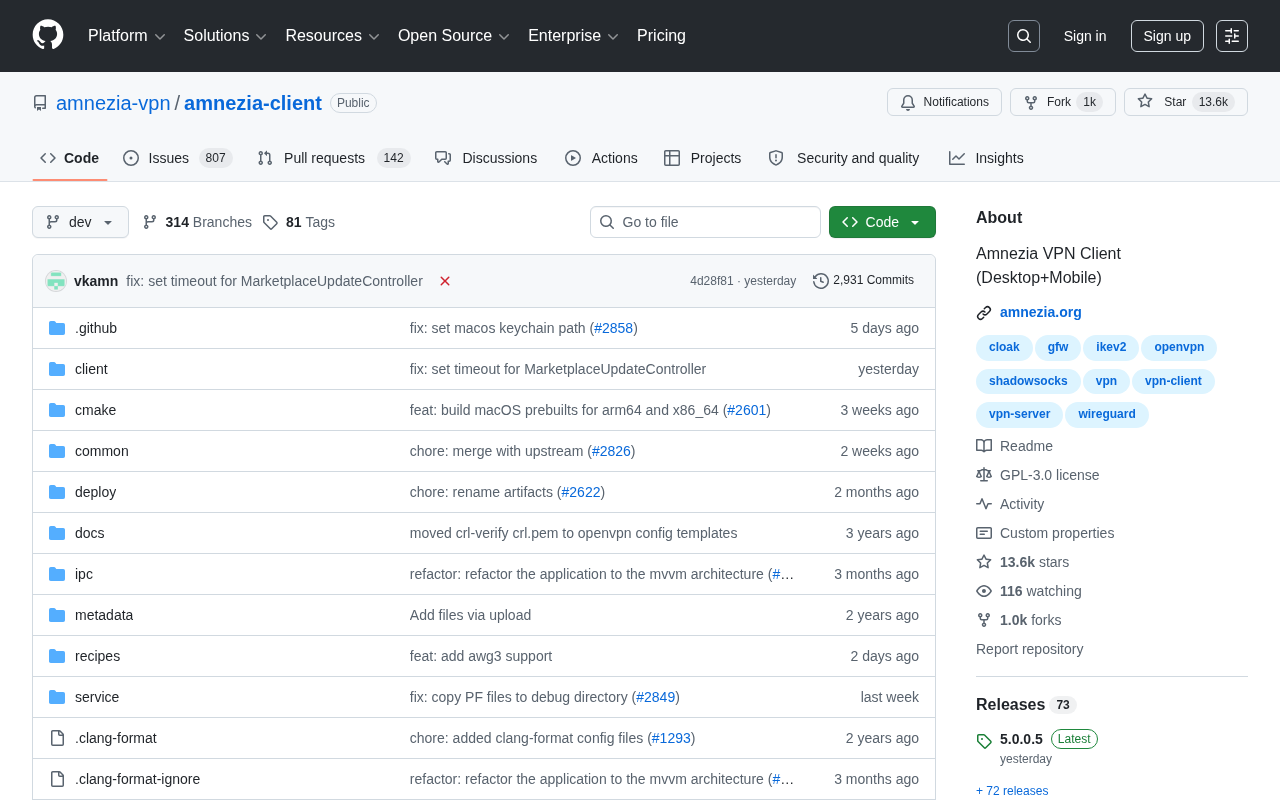
AmneziaVPN Deep Dive: The Open-Source Powerhouse for Self-Hosted, Censorship-Resistant VPN
Deep dive into the AmneziaVPN open-source client: AmneziaWG anti-DPI obfuscation, self-hosted VPS deployment, multi-protocol support, and cross-platform privacy.
Read more →